Macros for Women Explained: Protein, Carbs, Fat, and Fiber
 Nov, 3 2026
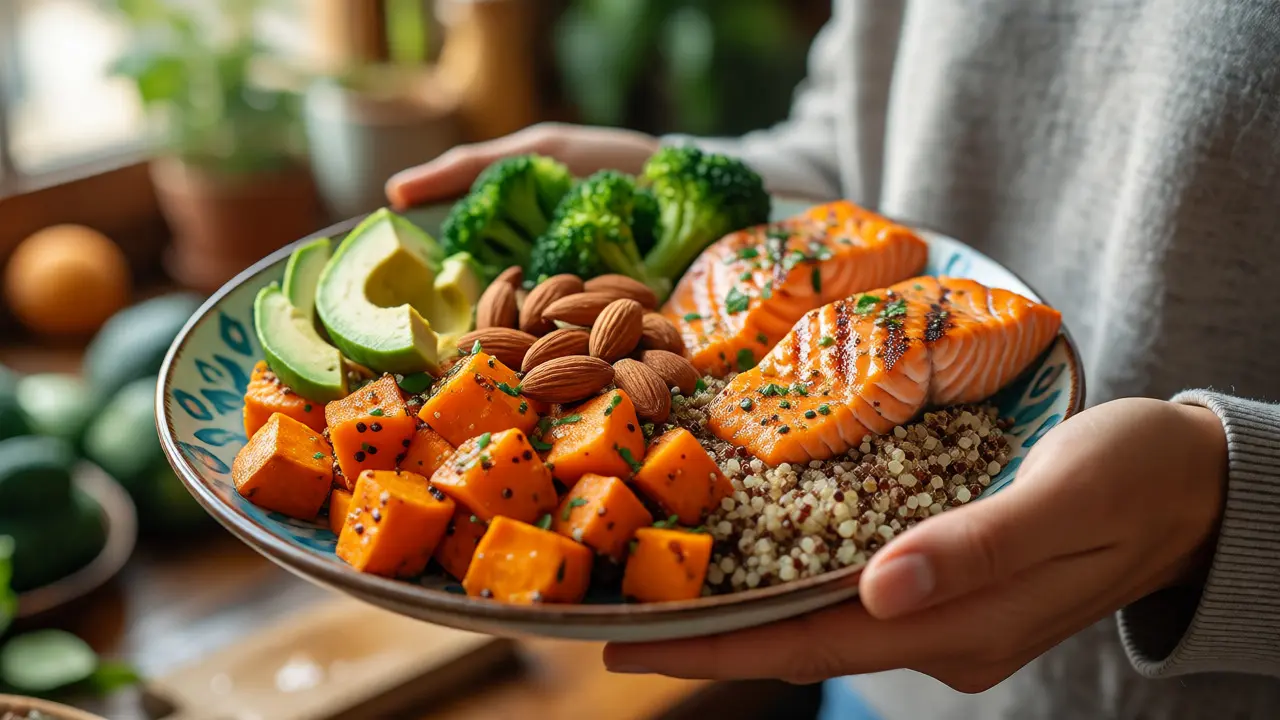
You’ve probably heard the term "tracking macros" thrown around in gyms or on Instagram reels. It sounds complicated-like you need a degree in chemistry to figure out what’s on your plate. But here’s the truth: macronutrients are just the big building blocks of food. They’re not scary math problems; they’re fuel. For women, understanding how to balance them isn’t about starving yourself or eating bland chicken breasts forever. It’s about giving your body exactly what it needs to feel energized, stay lean, and keep your hormones happy.
Most diet advice fails because it treats every body like a generic calculator. A 5-foot-2 woman with a sedentary job has very different needs than a 6-foot runner training for a marathon. When you ignore those differences, you end up feeling tired, bloated, or constantly hungry. This guide breaks down the four key players-protein, carbs, fat, and fiber-specifically for women, so you can stop guessing and start nourishing.
Why One Size Fits None (Especially for Women)
Let’s get one thing straight: men and women process food differently. It’s not just about size; it’s about biology. Women generally have less muscle mass and more body fat percentage by design, which is crucial for hormonal health. If you cut calories too aggressively without paying attention to *what* those calories are made of, your body might panic. Think of it like a car engine. You can put cheap gas in a luxury car, but it will sputter eventually. Your body is that luxury car.
Hormones play a huge role here. Estrogen and progesterone fluctuate throughout your cycle, affecting everything from insulin sensitivity to cravings. During the luteal phase (the week before your period), many women naturally crave more carbs and fats because their metabolic rate actually increases slightly. Fighting this with strict low-carb rules often leads to bingeing later. Instead, working with your biology by adjusting your macros slightly during these times can make a massive difference in how you feel.
Protein: The Anchor of Your Plate
If there’s one macro most women under-eat, it’s protein. We tend to think of protein as a "bro" nutrient, meant for guys trying to bulk up. That’s outdated thinking. Protein is essential for preserving lean muscle mass, which keeps your metabolism running high even when you’re asleep. It also stabilizes blood sugar, meaning fewer 3 PM crashes and less intense evening snacking.
Protein is a macronutrient composed of amino acids, which are the fundamental units used by the body to repair tissues and build enzymes. Unlike carbs and fats, the body does not store protein efficiently, so consistent daily intake is critical for maintenance and growth.
How much do you actually need? Forget the old RDA (Recommended Dietary Allowance) of 0.8 grams per kilogram of body weight-that’s the minimum to avoid deficiency, not to thrive. For active women, aim for 1.6 to 2.2 grams per kilogram of body weight. If you’re 140 pounds (about 64 kg), that means shooting for roughly 100-140 grams of protein a day. Spread it out. Eating 30 grams at breakfast sets you up better than skipping it and trying to eat 100 grams at dinner.
Carbohydrates: Fuel, Not Foe
Carbs have gotten a bad rap thanks to the keto craze, but they are your body’s preferred energy source. Cutting them entirely often leaves women feeling foggy, irritable, and unable to perform well during workouts. The key isn’t eliminating carbs; it’s choosing the right ones and timing them correctly.
Think of carbohydrates as gasoline. Some types burn clean and fast (simple carbs like fruit or white rice), while others burn slow and steady (complex carbs like oats, quinoa, and sweet potatoes). If you’re sedentary, you don’t need gallons of gas. But if you’re lifting weights or doing HIIT, your muscles need glycogen replenishment. Ignoring this leads to poor recovery and increased cortisol (stress hormone) levels, which can actually cause water retention and belly fat storage.
Fats: The Hormonal Hero
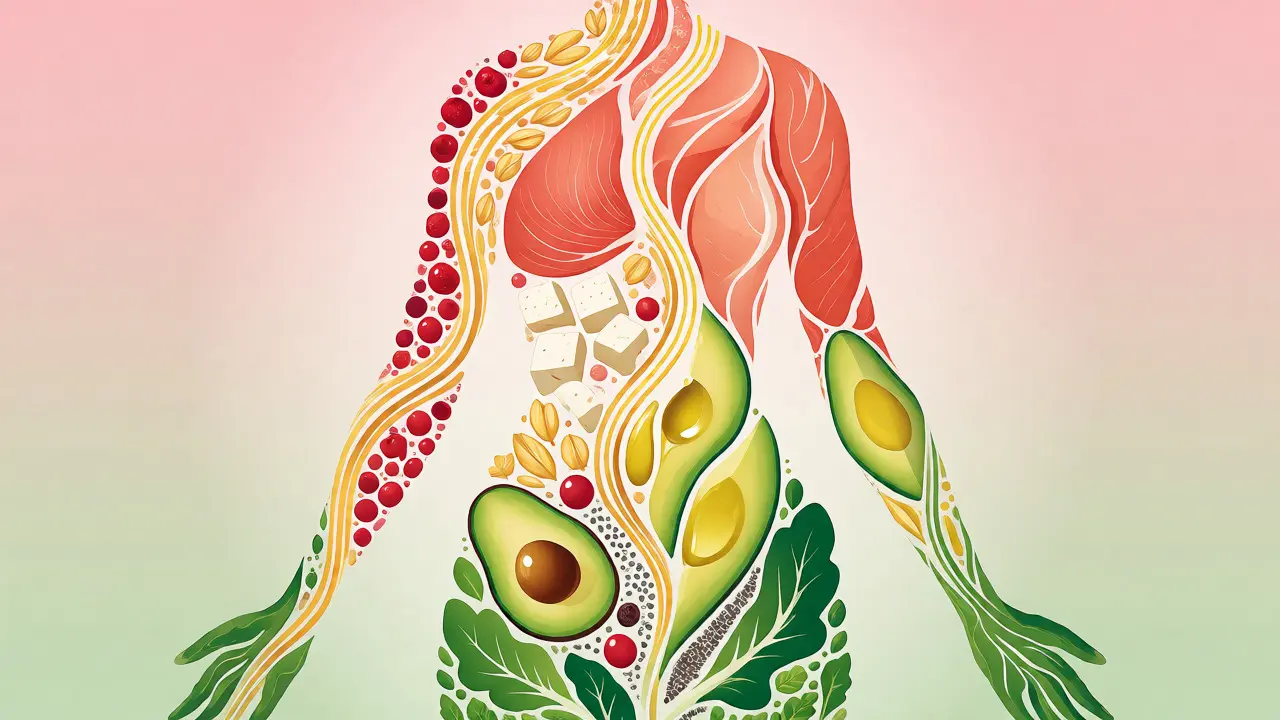
This is where things get interesting for women. Dietary fat is non-negotiable for hormonal health. Cholesterol is the precursor to sex hormones like estrogen and testosterone. If you drop your fat intake below 20% of your total calories, you risk disrupting your menstrual cycle, losing hair, and feeling emotionally flat.
Dietary Fat refers to a group of organic compounds that include fatty acids and glycerol. Essential fatty acids, such as Omega-3s found in fish and flaxseeds, cannot be produced by the human body and must be obtained through diet.
Aim for 25-35% of your daily calories to come from fat. Prioritize unsaturated fats like olive oil, avocados, nuts, and fatty fish. Saturated fats from eggs and dairy are fine in moderation, but try to minimize trans fats found in processed snacks. A simple rule of thumb: include a palm-sized portion of healthy fat with every main meal. This helps with satiety and ensures you absorb fat-soluble vitamins (A, D, E, and K) properly.
Fiber: The Unsung Hero of Gut Health
Fiber isn’t technically a macronutrient in the same way protein, carbs, and fat are (it’s a type of carbohydrate the body can’t digest), but it deserves its own spotlight. Most women fall short on fiber, averaging only 15 grams a day when we should be getting 25-30 grams. Why does it matter? Because gut health directly impacts inflammation, mood, and even skin clarity.
Fiber feeds the good bacteria in your microbiome. These bacteria produce short-chain fatty acids that help regulate blood sugar and reduce inflammation. Plus, fiber adds volume to your meals without adding significant calories, keeping you full longer. If you struggle with bloating, increasing fiber too quickly can backfire. Add it gradually and drink plenty of water. Soluble fiber (found in oats and apples) forms a gel that slows digestion, while insoluble fiber (found in leafy greens and whole grains) adds bulk to stool. You need both.

Putting It All Together: A Practical Framework
So, how do you actually track this without going crazy? You don’t need to weigh every single grain of rice. Start with a baseline. Use an online TDEE (Total Daily Energy Expenditure) calculator to find your maintenance calories. Then, split those calories into macros based on the guidelines above.
| Macro | Percentage of Calories | Grams per Day | Food Sources |
|---|---|---|---|
| Protein | 30% | ~150g | Chicken, tofu, Greek yogurt, lentils |
| Fat | 30% | ~67g | Avocado, olive oil, almonds, salmon |
| Carbs | 40% | ~200g | Oats, berries, sweet potato, quinoa |
| Fiber | N/A (included in Carbs) | 25-30g | Chia seeds, broccoli, pears, beans |
Notice that fiber overlaps with carbs. Don’t double-count it, but ensure your carb sources are high-fiber options. If you’re vegetarian, hitting protein targets requires planning-think legumes, tempeh, and protein powders. If you’re busy, batch-cook proteins and prep veggies on Sundays. Consistency beats perfection. If you miss your fiber goal one day, don’t stress. Just load up on veggies the next day.
Common Pitfalls to Avoid
The biggest mistake women make is "under-eating" while over-tracking. You might hit your protein goal but starve yourself on calories, leading to fatigue. Another trap is fear of carbs. Remember, carbs spare protein. If you don’t eat enough carbs, your body may break down muscle for glucose, defeating the purpose of eating high protein.
Also, watch out for hidden fats in "healthy" snacks. Trail mix is great until you realize a handful has 300 calories. Use your hands as measuring tools: a fist for carbs, a palm for protein, a thumb for fats, and two fists for veggies. This visual approach works well when you’re eating out or traveling.
Do I really need to count calories if I’m tracking macros?
Not necessarily, but it helps initially. Macros determine your calorie intake indirectly. Once you understand what 100g of chicken or 1 cup of rice looks like, you can often eyeball portions without logging every bite. Tracking gives you awareness; intuitive eating comes after you’ve built that awareness.
How do my macros change during my menstrual cycle?
During the follicular phase (first half), you may tolerate carbs better due to higher insulin sensitivity. In the luteal phase (second half), your body burns slightly more calories and may crave more fats and carbs. Listening to hunger cues and allowing flexible adjustments during PMS can prevent bingeing and support hormonal balance.
Is keto a good option for women?
Keto can work for some women, particularly for short-term focus or specific medical conditions. However, long-term very low-carb diets can sometimes disrupt thyroid function and menstrual cycles in women who are highly active or stressed. Many women find a moderate carb approach more sustainable and supportive of long-term health.
What if I hate cooking?
You don’t need to cook gourmet meals. Focus on assembly rather than creation. Buy pre-cooked rotisserie chickens, bagged salads, frozen vegetables, canned tuna, and instant oatmeal. Combine these with simple seasonings. The goal is consistency, not culinary awards. Simple, repeatable meals are easier to stick with long-term.
Can I eat carbs at night?
Yes. Total daily intake matters more than timing for most people. Some studies suggest carbs at night can improve sleep quality by aiding serotonin production. Unless you have specific digestive issues, enjoy carbs whenever they fit best into your schedule and preferences.