Lube for Women: A Practical Guide to Types, Ingredients, and Best Uses
 Nov, 25 2026
You’ve probably bought the wrong bottle of personal lubricant at least once. Maybe it dried out mid-act, left a sticky residue on your sheets, or caused that dreaded burning sensation where you didn’t expect it. It’s not just about picking the shiniest packaging; it’s about matching the chemistry of the product to your body’s needs and the context of intimacy. For many women, natural arousal isn’t always enough due to hormonal shifts, medication side effects, or simple stress. That’s where high-quality lube steps in-not as a crutch, but as a tool for comfort and pleasure.
Why Your Body Might Need Extra Help
Vaginal dryness is incredibly common, yet often under-discussed. While estrogen helps maintain tissue elasticity and natural moisture, levels fluctuate throughout life. Birth control pills, breastfeeding, menopause, and even certain antihistamines can reduce natural lubrication. If you’re experiencing friction, itching, or discomfort during sex, adding a lubricant isn’t a sign of dysfunction-it’s a smart physiological adjustment. The goal is to mimic or enhance your body’s natural fluids without disrupting your pH balance or causing irritation.
The Big Three: Water-Based, Silicone, and Oil
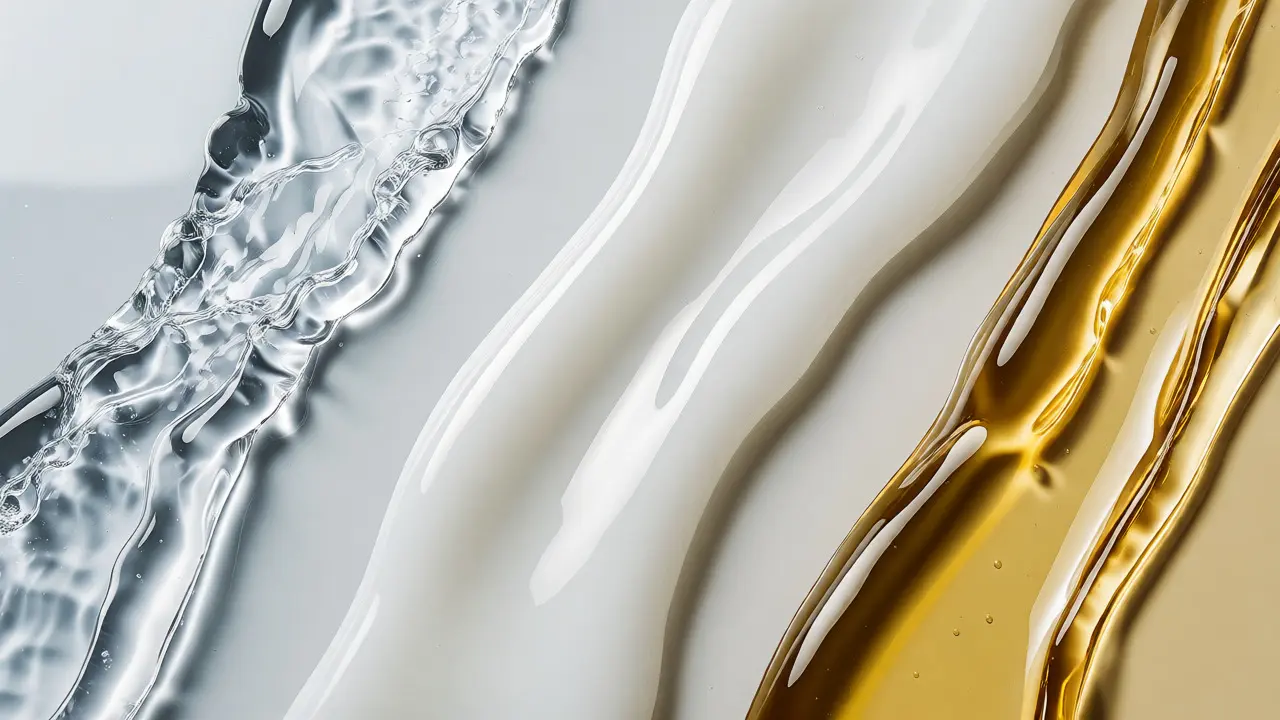
Most lubes fall into three main categories based on their base ingredient. Understanding these differences saves you money and frustration.
| Feature | Water-Based | Silicone-Based | Oil-Based |
|---|---|---|---|
| Clean-up | Easy with water | Hard (needs soap) | Hard (stains sheets) |
| Longevity | Dries quickly, may need reapplication | Very long-lasting | Long-lasting |
| Condom Safety | Safe for all condoms | Safe for latex/polyurethane | Can degrade latex |
| Toy Compatibility | Safe for all toys | Avoid with silicone toys | Avoid with porous toys |
| Best For | Quickies, sensitive skin, shower sex | Anal sex, swimming, long sessions | Masturbation, external use only |
Water-based lubricants are the most versatile and widely recommended option. They are compatible with all condom materials and sex toys, making them the safest default choice. However, they absorb into the skin and evaporate, meaning you might need to add more during longer sessions. Look for products labeled "iso-osmotic," which means they have a similar concentration of particles to your body’s cells, reducing the risk of drying out tissues.
Silicone-based lubricants don’t absorb or evaporate. They stay slippery until you wash them off. This makes them ideal for anal sex, where natural lubrication is absent, or for activities involving water, like shower sex. The catch? You cannot use silicone lube with silicone sex toys because it can break down the material, leaving a sticky mess. Also, clean-up requires warm water and soap, as it doesn’t rinse away easily.
Oil-based lubricants, including coconut oil and baby oil, feel luxurious but come with significant risks. Oils can weaken latex condoms, leading to breakage. They also trap bacteria against the skin, which can increase the risk of yeast infections or bacterial vaginosis for some women. Use oils primarily for external massage or masturbation, not for internal vaginal intercourse if you’re prone to infections.
Decoding the Ingredient List
Turn the bottle over. What you see matters more than the marketing claims. Your vaginal microbiome is delicate, and harsh chemicals can throw it off balance.
- Glycerin: A common sweetener and thickener. While generally safe, glycerin breaks down into sugar. For women prone to yeast infections, this can feed candida overgrowth. If you get frequent yeast issues, opt for glycerin-free formulas.
- Parabens: Preservatives used to extend shelf life. Some studies suggest parabens may act as weak estrogens. While the scientific consensus on harm is still evolving, many prefer paraben-free options for peace of mind.
- Propylene Glycol: A humectant that holds moisture. In high concentrations, it can cause stinging or irritation in sensitive individuals. If you feel a burning sensation after application, check if this ingredient is near the top of the list.
- pH Balance: A healthy vagina has a pH between 3.8 and 4.5. Good lubricants should be pH-balanced to match this range. Products with a pH above 7 (alkaline) can disrupt the acidic environment, potentially leading to bacterial vaginosis.
Specialty Formulas: When Standard Lube Isn’t Enough
Once you master the basics, you might explore niche categories designed for specific sensations or needs.
Hyaluronic Acid is trending in skincare, and it’s making waves in lube too. Known for its ability to hold up to 1,000 times its weight in water, hyaluronic acid provides deep hydration. It’s particularly beneficial for women experiencing menopausal dryness or those recovering from childbirth. Unlike standard water-based lubes, it tends to last longer without feeling sticky.
Warming and Cooling Agents add sensory variety. Warming lubes usually contain capsicum or cinnamon derivatives that create a tingling heat. Cooling versions use menthol. Start with a small amount on your wrist before applying internally, as these ingredients can be intense on mucous membranes. They are great for foreplay but might be distracting during penetration if the sensation becomes overwhelming.
Organic and Natural Certifications (like USDA Organic or Ecocert) ensure fewer synthetic additives. These are excellent choices if you have chemical sensitivities or prefer minimal processing. Just remember that "natural" doesn’t automatically mean "safe"-essential oils, for example, are natural but can be highly irritating to vaginal tissue.

How to Apply Like a Pro
Using lube correctly enhances comfort significantly. Here’s a quick routine:
- Warm it up: Cold lube straight from the bottle can cause muscles to tense up. Rub a coin-sized amount between your palms for a few seconds to bring it to body temperature.
- Start externally: Apply a small amount to the vulva first. This allows you to test for any immediate allergic reaction or sensitivity.
- Add gradually: If using a condom, apply lube to the outside of the condom, not inside (unless it’s specifically designed for internal condom use). Too much lube inside a condom can cause it to slip off.
- Reapply as needed: With water-based lubes, don’t hesitate to add more. Dry friction is the enemy of pleasure. Keep the bottle within reach.
- Clean up properly: Wash hands and genitalia with warm water. Avoid scented soaps immediately after, as they can strip natural oils and irritate freshly lubricated tissue.
Pitfalls to Avoid
Even experienced users make mistakes. One common error is using saliva as a substitute for lube. Saliva dries quickly and contains enzymes and bacteria that aren’t ideal for vaginal health. Another mistake is ignoring expiration dates. Lubricants can grow mold or separate over time, especially water-based ones. If the texture changes or smells off, toss it.
Also, beware of numbing agents found in some "delay" lubes. Ingredients like benzocaine can reduce sensation for both partners, which might not be what you want during intimate moments. Always read the label to ensure the product aligns with your goals for the encounter.
Is it okay to use lube every day?
Yes, using a high-quality, pH-balanced water-based or silicone lubricant daily is generally safe for most women. However, if you notice increased discharge, odor, or irritation, take a break and consult a healthcare provider to rule out underlying conditions like bacterial vaginosis or yeast infections.
Can lube cause yeast infections?
Some lubes can contribute to yeast infections if they contain high levels of glycerin or sorbitol, which break down into sugars that feed yeast. If you are prone to yeast infections, choose glycerin-free, low-sugar formulations and avoid oil-based products that trap moisture and bacteria.
Which lube is best for anal sex?
Silicone-based lubricants are typically the best choice for anal sex because they do not dry out or absorb into the tissue. They provide long-lasting cushioning and glide. Thick water-based anal-specific lubes are also effective, provided you reapply frequently.
Does lube affect fertility or trying to conceive?
Standard lubricants can sometimes inhibit sperm motility. If you are trying to conceive, look for "fertility-friendly" lubricants specifically designed to support sperm survival and movement. These are usually mineral oil-based or formulated with specific electrolytes that mimic fertile cervical mucus.
How do I remove silicone lube from sheets?
Silicone lube is stubborn. To remove it from bedding, pre-treat the stain with a dish soap or laundry detergent containing degreasers. Let it sit for 10-15 minutes before washing in hot water. Avoid using bleach, as it can set the stain further.