Low-Stress Entertaining: How to Create Impressive Home Menus
 Apr, 26 2026
Entertaining at home should feel like a treat for you, not just your guests. When you stop trying to perform and start focusing on flow, the atmosphere shifts. The most impressive menus aren't the most complex-they're the ones where the food is delicious and the host is actually present in the room.
The Golden Rules of Stress-Free Menu Planning
Before you pick a single recipe, you need a framework. Most hosting disasters happen because of "too many moving parts." If you have three things that need to be plated at exactly 7:00 PM, something will go wrong.
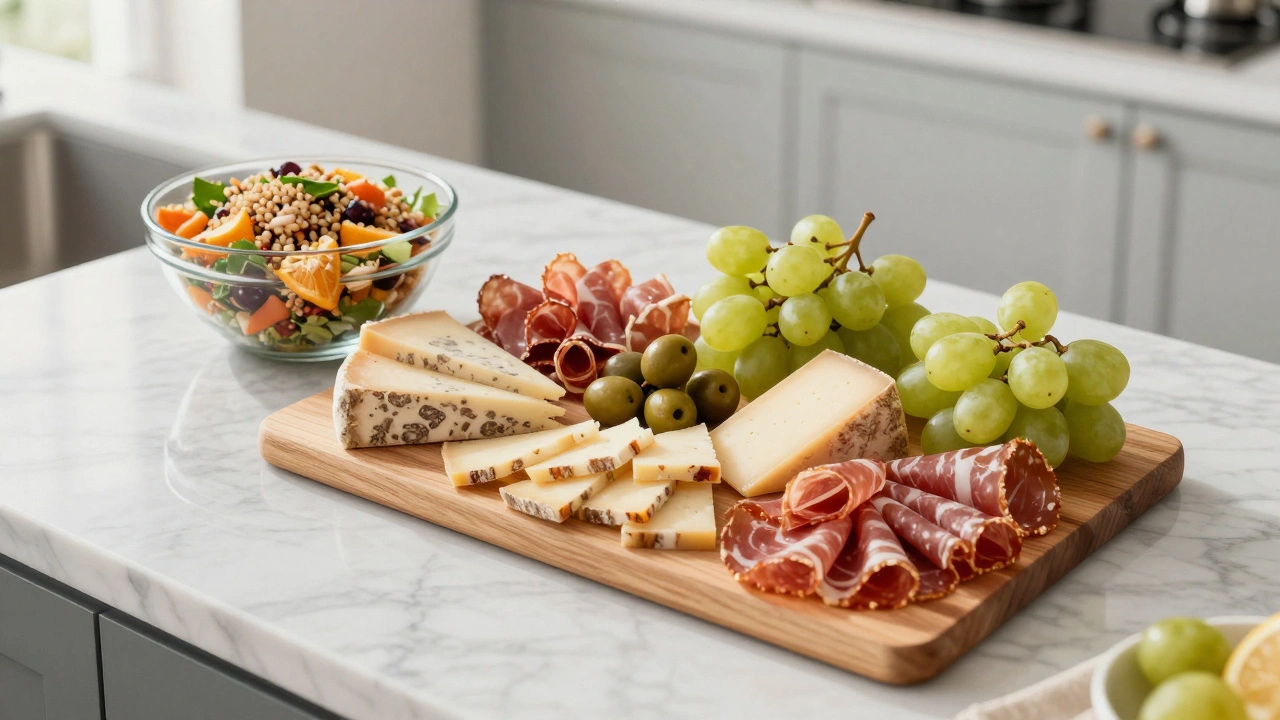
First, apply the 70/30 rule: 70% of your menu should be room-temperature or pre-made, and only 30% should require active cooking while guests are present. Think about Charcuterie boards or a chilled citrusy grain salad. These don't just taste great; they buy you time.
Second, limit your "critical path" items. The critical path is any dish that must be served hot to be enjoyed. If you're serving a roasted chicken, let that be your only single-point-of-failure. Everything else-the roasted carrots, the mashed potatoes, the salad-should be able to sit for 20 minutes or be reheated quickly without losing quality.
Building the Perfect Menu Structure
A balanced menu isn't about the number of courses; it's about contrasting textures and temperatures. You want something crunchy, something creamy, something acidic, and something hearty. If everything on the plate is soft and salty, your guests' palates will get tired.
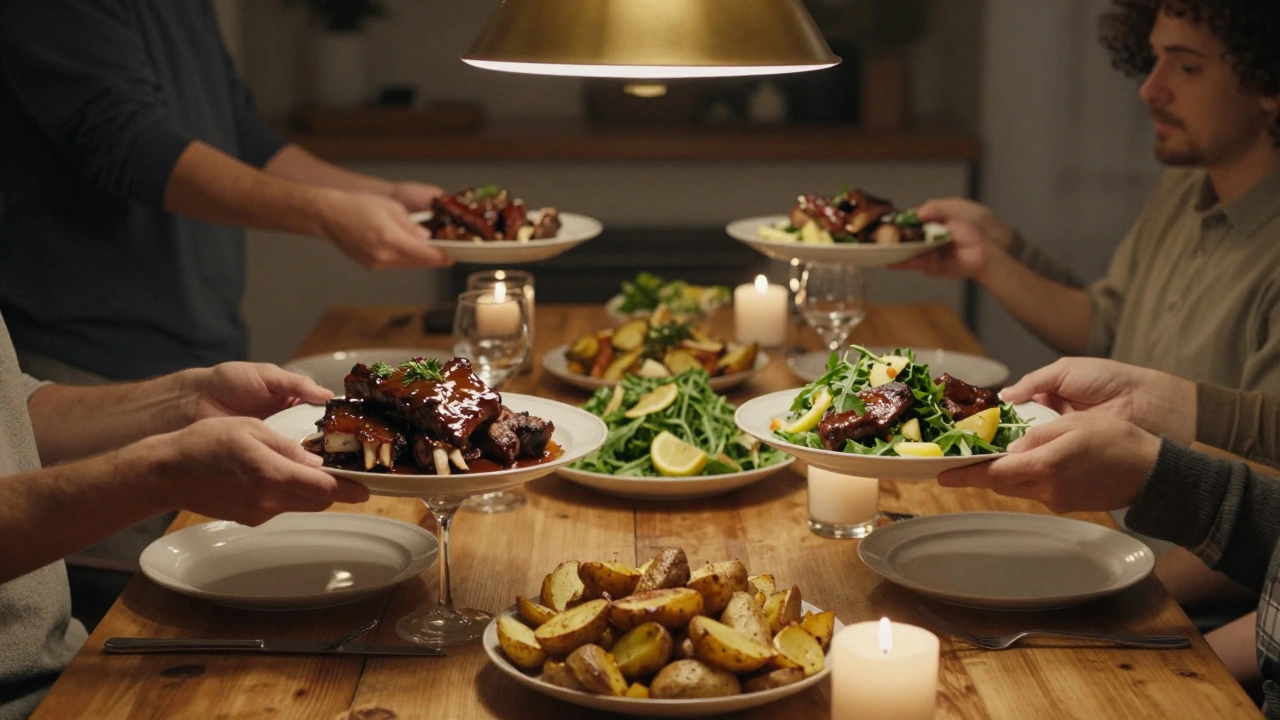
For a crowd of six to eight, I recommend a "modular" approach. Instead of individual plating, which keeps you trapped in the kitchen, go for Family Style Dining. Passing large platters of food creates a communal, relaxed vibe and allows people to take as much or as little as they want.
| Element | Purpose | Low-Stress Example |
|---|---|---|
| The Anchor | Hearty, filling main | Slow-cooked braised short ribs |
| The Brightener | Cuts through richness | Arugula salad with lemon vinaigrette |
| The Texture | Adds contrast | Roasted fingerling potatoes with sea salt |
| The Bridge | Ties flavors together | Sourdough bread with whipped salted butter |
The "Make-Ahead" Strategy
The biggest mistake hosts make is starting the most time-consuming task the day of the party. Real pro-level hosting happens 48 hours before the event. You want to eliminate as many knife-work tasks as possible on the day of.
Start with your sauces and marinades. A Chimichurri or a garlic-herb butter actually tastes better if it sits for a day or two. Chop your onions, mince your garlic, and grate your cheese on Thursday if the party is Saturday. Store them in airtight containers. This turns your "cooking" process into an "assembly" process.
Then, look for dishes that improve with age. A lasagna or a classic potato gratin can be assembled completely, refrigerated, and then popped in the oven two hours before dinner. This keeps your counters clean and your mind clear.
Handling Dietary Restrictions Without Panic
Nothing kills the mood like a guest announcing a sudden allergy right as you set the table. The trick is to build your menu with "modular flexibility." Instead of making one massive dish that accommodates everyone, create a base and offer toppings on the side.
For example, if you're serving a taco feast, keep the Corn Tortillas (gluten-free) and a variety of fillings like carnitas and roasted cauliflower. Keep the cheese and sour cream in separate bowls. Now, your vegan, gluten-free, and dairy-free guests can all eat the same meal without you having to cook three different menus.
When in doubt, lean into the Mediterranean Diet principles. Naturally focusing on olive oils, legumes, fresh vegetables, and grilled meats makes it incredibly easy to pivot for almost any dietary need without sacrificing flavor.
The Art of the Easy Dessert
Dessert is where many hosts overreach. They try to bake a complex cake that might collapse or a soufflé that requires perfect timing. Don't do it. The most impressive desserts are often the simplest ones presented beautifully.
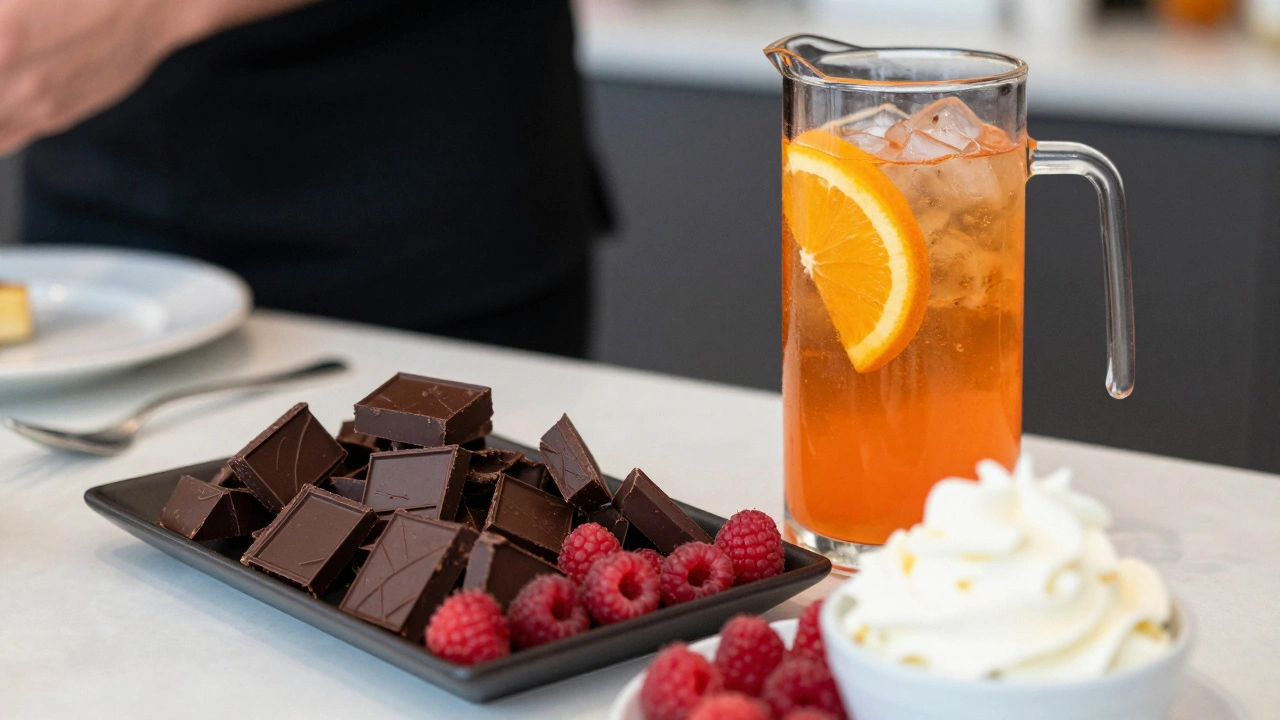
Try a deconstructed approach. A platter of high-quality dark chocolate, fresh seasonal berries, and a bowl of whipped cream with a hint of vanilla is sophisticated and requires zero actual cooking. If you want something more formal, a Panna Cotta is a lifesaver because it must be made the day before and stays chilled in the fridge until the moment it's served.
Managing the Atmosphere and Timing
Your menu is only half the battle; the other half is the clock. A common pitfall is the "hunger gap"-that window between guests arriving and dinner being served where everyone gets "hangry." Solve this with a permanent appetizer station.
Set up a spot with olives, nuts, and a simple dip. Once guests arrive, point them toward the snacks and the drinks. This keeps them occupied and happy while you put the finishing touches on the main course. It also prevents the awkward silence that happens when everyone is waiting for the host to finish chopping parsley.
Regarding drinks, avoid playing bartender. Creating a single, large-batch Signature Cocktail (like a pitcher of Aperol Spritz or a spiced sangria) allows guests to help themselves. Keep a bucket of ice, a few glasses, and the pitcher on a side table. You'll save an hour of time and avoid the stress of taking individual drink orders.
What is the best main dish for beginners hosting a party?
Go for a slow-cooker or oven-braised dish, such as pot roast or carnitas. These are forgiving; they don't dry out quickly if the guests are 20 minutes late, and they can be kept warm on a low setting without losing texture.
How do I prevent the kitchen from becoming a mess?
Follow the "clean as you go" rule, but more importantly, empty the dishwasher and trash cans completely before the first guest arrives. This gives you maximum capacity for the cleanup that happens during the party.
How many appetizers are enough?
Two to three varied options are plenty. Aim for one salty/crunchy (nuts or chips), one fresh (veggies and hummus), and one rich (cheese or pâté). This covers most cravings without filling people up before the main meal.
What if I burn a dish right before serving?
Don't panic and don't apologize profusely-it draws more attention to the mistake. Simply remove the burnt parts, pivot to a side dish, and keep the conversation moving. Most guests won't even notice if you stay relaxed.
How do I choose a wine that pairs with everything?
Stick to versatile options. A chilled Prosecco or a light Pinot Noir usually works across a variety of appetizers and mains. When in doubt, offer one white, one red, and a sparkling water with lime for non-drinkers.
Next Steps for Your First Event
If you're feeling overwhelmed, start small. Don't host a ten-person dinner party for your first attempt. Invite two close friends and practice one "make-ahead" technique. Once you realize that the world doesn't end if the salad is ten minutes late, you'll find the joy in hosting.
For those moving up to larger groups, try a "Potluck Plus" model. You provide the main anchor dish and the drinks, and ask guests to bring a side or dessert. This reduces your workload significantly and ensures a diverse spread of food that everyone enjoys.