Lighting for Women’s Homes: Practical Guide to Transform Any Room
 Aug, 16 2026
Walk into a room and feel instantly drained? Or maybe you find yourself squinting at your laptop in the evening because the overhead light is just... wrong. Lighting is often the first thing we fix when a space feels "off," yet it remains the most misunderstood element of interior design the art of arranging furniture, color, and light to create functional and aesthetically pleasing living spaces. For many women designing their own homes, the challenge isn't just about picking pretty fixtures; it's about creating layers of light that support daily life, from morning coffee rituals to late-night reading. The good news? You don't need an electrician or a massive budget to make a dramatic difference. You just need to understand how light behaves and how to layer it intentionally.
The Three Layers of Light: A Simple Framework
Professional designers rely on a three-layer system to ensure every room feels balanced. Think of this as your recipe for visual comfort. If you only have one layer-usually the harsh ceiling fixture-the room feels flat and clinical. Adding depth transforms the atmosphere entirely.
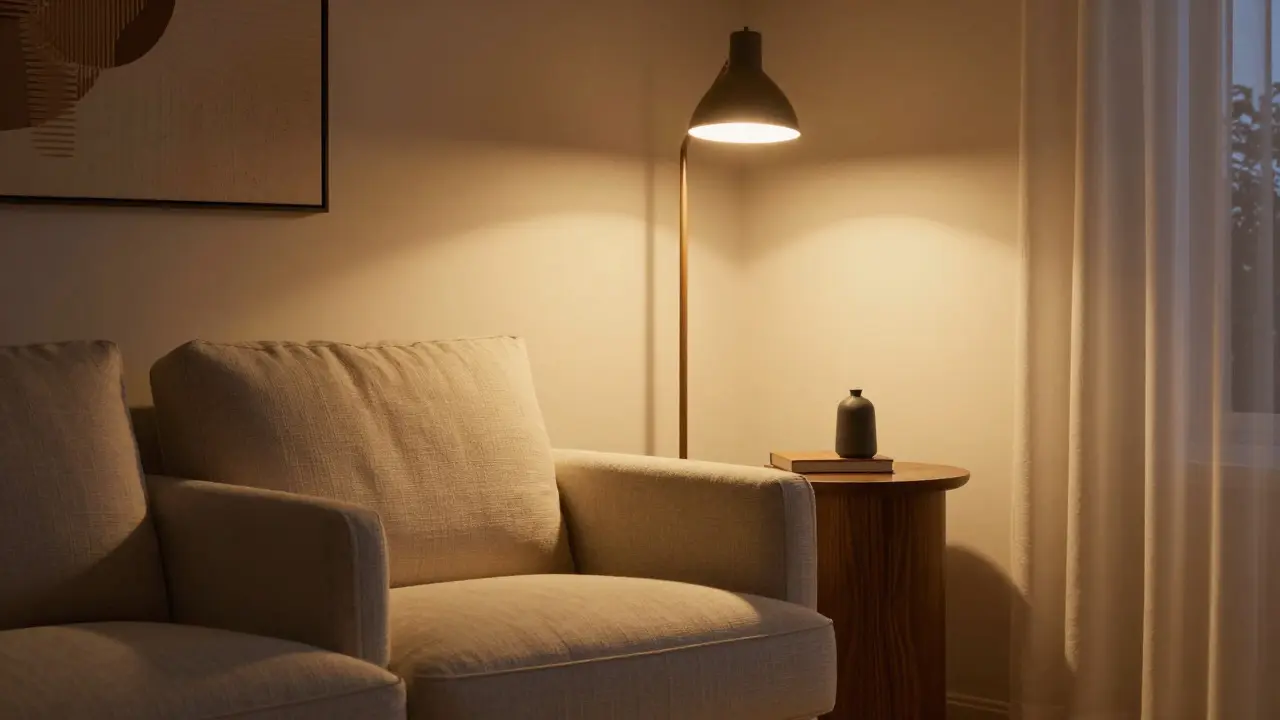
- Ambient Light: This is the general illumination that allows you to move around safely. It sets the base mood. Instead of relying solely on recessed can lights (which can create a cave-like effect), consider floor lamps with large shades or dimmable pendant lights. Aim for softness here.
- Task Light: This is focused light for specific activities. Reading, cooking, applying makeup, or working at a desk all require dedicated sources. A table lamp next to a sofa or under-cabinet LED strips in the kitchen are classic examples. The key is positioning: place the light source close to the activity to reduce eye strain.
- Accent Light: This layer adds drama and highlights architectural features or artwork. Picture lights, wall sconces, or track lighting aimed at a textured wall or a gallery of photos. Accent lighting is what makes a room feel curated rather than just furnished.
When you audit your current setup, you'll likely find you're missing one or two of these layers. Start by identifying where you actually spend time. Do you read in the corner armchair? That needs a dedicated task lamp. Do you cook dinner while chatting? Under-cabinet lighting helps immensely without adding clutter.
Choosing the Right Color Temperature
If you've ever bought bulbs and realized they made your kitchen look like a hospital waiting room, you've experienced the power of color temperature a measure of the warmth or coolness of light, expressed in Kelvin. Measured in Kelvin (K), this value dictates whether light feels warm, neutral, or cool. Getting this right is arguably more important than the fixture style itself.
| Kelvin Range | Feel | Best For | Common Mistake |
|---|---|---|---|
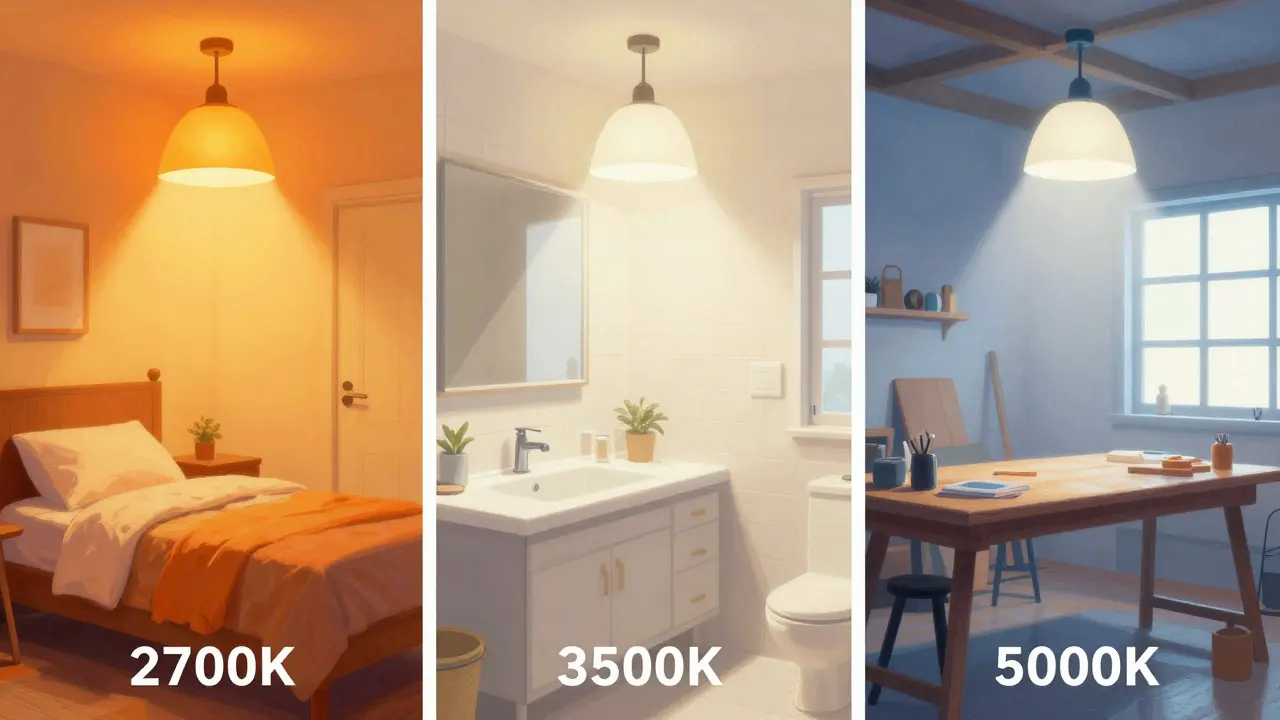
| 2700K - 3000K | Warm White | Bedrooms, Living Rooms, Dining Areas | Using this in kitchens, making food look unappetizing |
| 3500K - 4000K | Neutral White | Kitchens, Bathrooms, Home Offices | Using this in bedrooms, feeling too sterile for relaxation |
| 5000K+ | Cool Daylight | Workshops, Garages, High-Task Areas | Using this anywhere in the main living space |
For most residential spaces, stick to the 2700K-3000K range. It mimics natural sunset light and promotes relaxation. In areas where precision matters, like a bathroom vanity or a home office, bump up to 3500K-4000K to help with focus and clarity. Avoid mixing temperatures within the same room; if you must, use a smart bulb system to match them digitally.
Room-by-Room Transformation Strategies
Each room serves a different function, so your lighting strategy should adapt accordingly. Here is how to approach the most common spaces in a woman's home, focusing on both aesthetics and utility.
The Bedroom: Prioritizing Relaxation
Your bedroom is your sanctuary. Harsh overhead lighting is the enemy of sleep. Remove the central fixture if possible, or install a dimmer switch to lower the intensity. Replace it with bedside table lamps that cast a soft glow upward or outward. Consider installing plug-in nightlights along the baseboard if you get up at night; they provide enough light to navigate without triggering your brain's alert mode. If you have a dressing area, add a vanity mirror with integrated lighting positioned at eye level to eliminate shadows on your face.
The Kitchen: Function Meets Social Hub
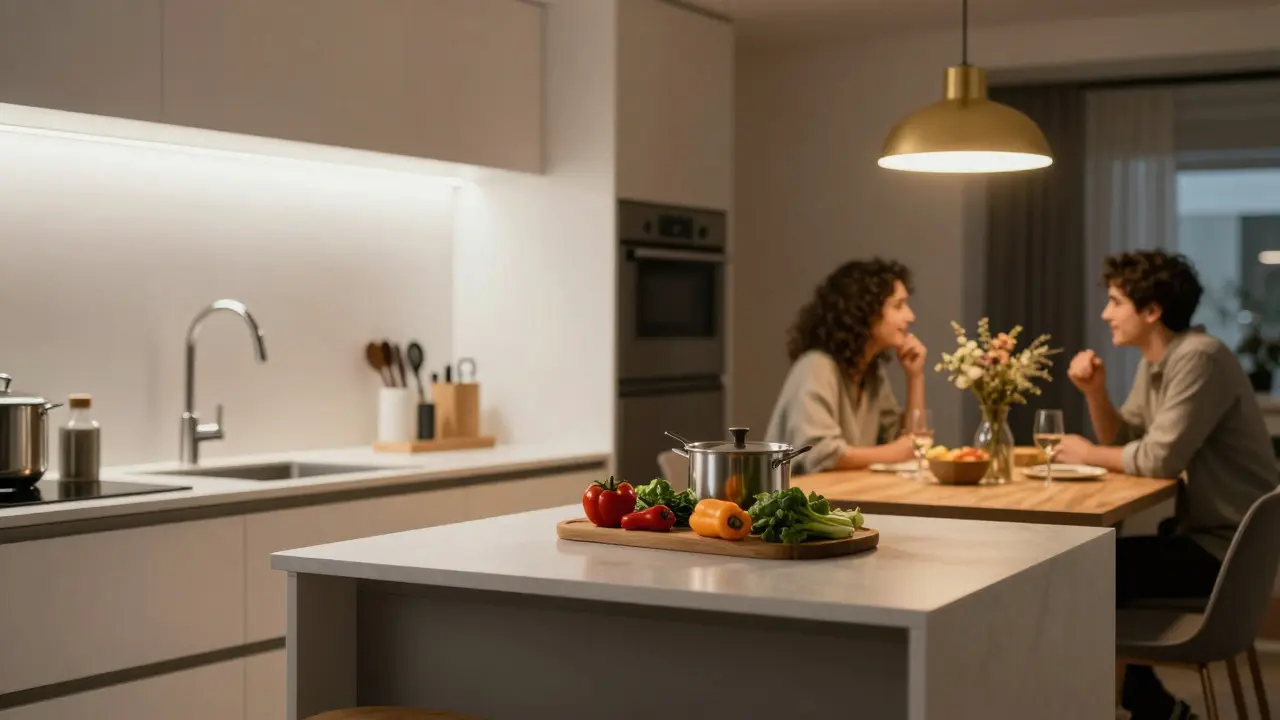
The modern kitchen is rarely just for cooking; it's often the heart of social interaction. Recessed lights alone are insufficient. Add under-cabinet LED strips to illuminate countertops for prep work. This also creates a warm pool of light for guests standing at the island. If you have a dining nook, hang a pendant light 30-36 inches above the table. This height prevents glare across the table while highlighting the meal. Use a warmer bulb (2700K) for the dining area to encourage lingering conversations, even if the rest of the kitchen uses cooler tones for task efficiency.
The Bathroom: Eliminating Shadows
Most bathrooms suffer from a single vanity light centered above the mirror. This casts shadows under your eyes and chin, making makeup application difficult. The professional solution is cross-lighting: install two vertical sconces or tube lights on either side of the mirror. This provides even, shadow-free illumination. If rewiring isn't an option, use a backlit mirror or a clip-on vanity light that wraps around the mirror frame. Ensure the bulbs are rated for damp or wet locations if they are near the shower or sink.
The Living Room: Creating Zones
In open-plan living rooms, define zones with lighting. If you have a reading corner, anchor it with a floor lamp that has a directional shade. For the TV area, avoid direct glare on the screen; instead, use bias lighting (LED strips behind the TV) to reduce eye strain during dark movie nights. Layer in a few decorative pendants or chandeliers if the ceiling height allows, but keep them dimmed low to serve as ambient accents rather than primary sources.
Practical Tips for Implementation
You don't need to replace everything at once. Start small and observe how you feel in the space after changes. Here are some actionable steps to begin your transformation today:
- Install Dimmers Everywhere: This is the single highest-impact upgrade you can make. Dimmers allow you to adjust light intensity to match the time of day and activity. They are inexpensive to install and transform static lighting into dynamic environments.
- Swap Bulbs First: Before buying new fixtures, try changing the bulbs in your existing ones. Upgrading from incandescent to high-quality LED bulbs improves energy efficiency and allows you to test different color temperatures without structural changes.
- Use Smart Plugs: If you have older lamps that aren't smart-enabled, use smart plugs to control them via app or voice command. This lets you schedule scenes, such as turning off all lights automatically at bedtime or simulating sunrise in the morning.
- Check for Flicker: Some cheap LED bulbs flicker at frequencies invisible to the naked eye but noticeable to the brain, causing headaches. Buy from reputable brands that advertise "flicker-free" technology, especially for task lighting.
Remember, lighting is personal. What works in a magazine spread might not fit your lifestyle. Trust your instincts. If a room feels cozy and functional, you've done it right.
Frequently Asked Questions
What is the best color temperature for a bedroom?
The best color temperature for a bedroom is between 2700K and 3000K (Warm White). This range mimics natural sunset light, which signals to your body that it is time to wind down and prepare for sleep. Cooler temperatures can interfere with melatonin production.
How do I light a small apartment without making it feel cramped?
In small apartments, use wall-mounted sconces and floor lamps instead of bulky table lamps to free up surface space. Choose fixtures with slim profiles. Use mirrors strategically to reflect light and create the illusion of depth. Stick to one or two consistent light sources per zone to avoid visual clutter.
Are LED bulbs better than incandescent for home lighting?
Yes, LED bulbs are generally superior for home lighting. They last 15-25 times longer than incandescent bulbs, use up to 90% less energy, and generate significantly less heat. Modern LEDs also offer a wider variety of color temperatures and dimming capabilities compared to traditional incandescents.
How high should a pendant light hang over a dining table?
A standard rule of thumb is to hang a pendant light 30 to 36 inches above the surface of the dining table. This height ensures the light illuminates the food without blinding diners sitting directly underneath. Adjust slightly higher for larger groups or lower for intimate settings, ensuring clearance for people moving around.
Do I need an electrician to change my lighting?
Swapping bulbs and replacing simple plug-in fixtures usually does not require an electrician. However, installing new hardwired fixtures, adding outlets, or modifying circuits typically requires a licensed electrician to ensure safety and code compliance. Always turn off the breaker before working on any hardwired electrical component.