K-Pop for Beginners: A Women's Guide to Groups and Lingo
 Apr, 6 2026
Quick Highlights
- Essential vocabulary to understand fan conversations.
- The breakdown of current top groups for every musical taste.
- How the "Idol system" actually works.
- Tips for starting your collection without breaking the bank.
Decoding the K-Pop Dictionary
Before you can engage with the fandom, you need to speak the language. K-Pop has a unique blend of English, Korean, and fan-invented slang. Let's start with the most important one: Bias is your favorite member in a specific group. If you have a "bias wrecker," that's the member who keeps tempting you to switch your loyalty. For example, you might love the leader's vocals, but the lead dancer's energy is suddenly making you question everything.
Then there's the Comeback. In Western music, a comeback happens after a five-year hiatus and a public apology. In K-Pop, a comeback is simply the release of a new single or album, often accompanied by a fresh concept, new hair colors, and high-budget music videos. This usually happens every few months, keeping the cycle of content fast and exciting.
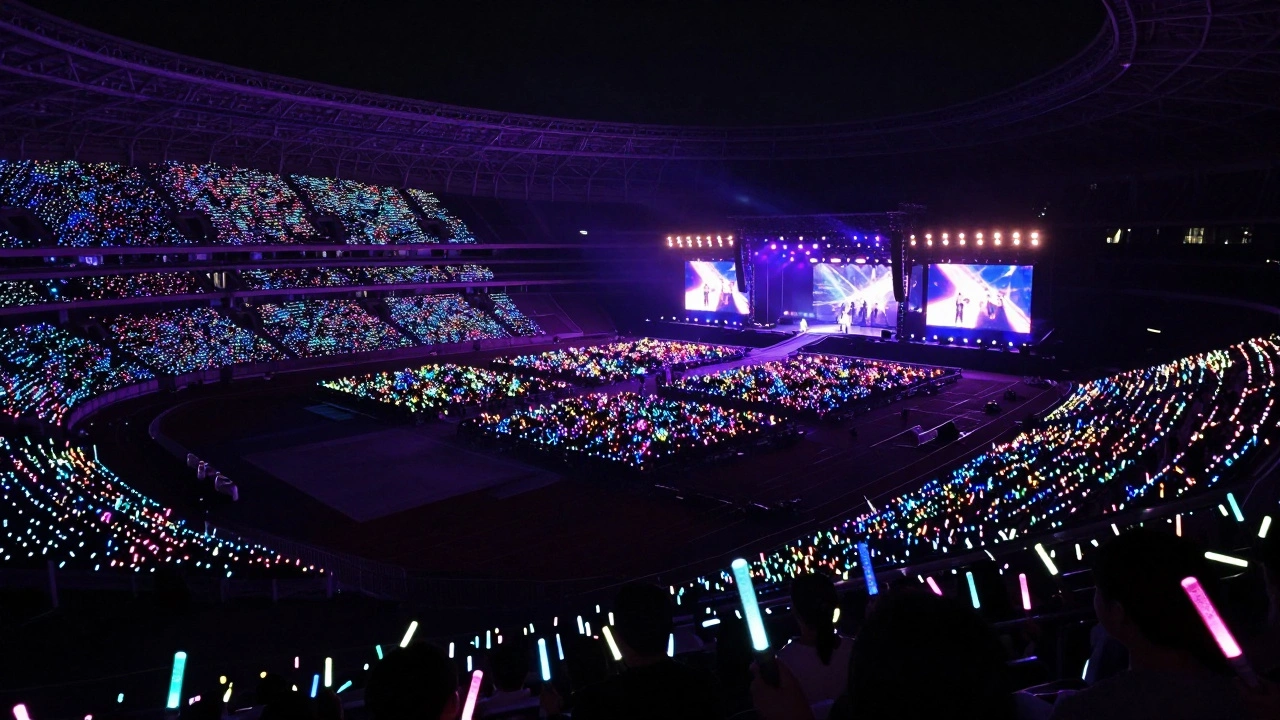
You'll also hear about "Lightsticks." These aren't just glow sticks; they are high-tech, Bluetooth-enabled devices unique to each group. At a concert, the lighting director controls thousands of these Lightsticks to create synchronized waves of color across the stadium, turning the audience into part of the light show.
| Term | What it actually means | Context Example |
|---|---|---|
| Maknae | The youngest member of the group | "The maknae is surprisingly the tallest member!" |
| Sasaeng | An obsessive, invasive stalker fan | "The group's security is tight to keep sasaengs away." |
| All-Kill | Hitting #1 on all major music charts simultaneously | "Their new title track just achieved a perfect all-kill." |
| Skinship | Physical affection (hugs, holding hands) between members | "The skinship in this group is so wholesome." |
The Big Players: Which Group Should You Stan?
The variety in K-Pop is staggering. Depending on whether you like bubblegum pop, dark synth, or hip-hop, your starting point will differ. For women entering the scene, girl groups often provide the most relatable fashion and empowerment themes, though boy groups are equally massive in their production value.
If you want the "Gold Standard" of global fame, look at BTS. They aren't just a group; they're a cultural phenomenon. Their music often touches on mental health, self-love, and youth. If you're looking for a deep emotional connection with the lyrics, their discography is the place to start. Then there's BLACKPINK, the queens of "girl crush" energy. Their sound is punchy, high-fashion, and designed for stadiums. If you love fierce choreography and an "I'm the boss" attitude, they're your best bet.
For something more experimental or ethereal, check out NewJeans. They've brought back a 2000s R&B vibe that feels effortless and fresh, moving away from the heavy "noise music" trend. If you prefer the classic, high-energy "K-Pop sound" with intricate storytelling, TWICE offers a bright, melodic experience that's impossible not to smile at.
For those who like the edgy, conceptual side of things, aespa is fascinating. They utilize an "avatar" concept where each member has a digital twin in a virtual world called Kwangya. It's a mix of sci-fi and pop that proves how far the industry's creativity goes.
How the Idol System Works
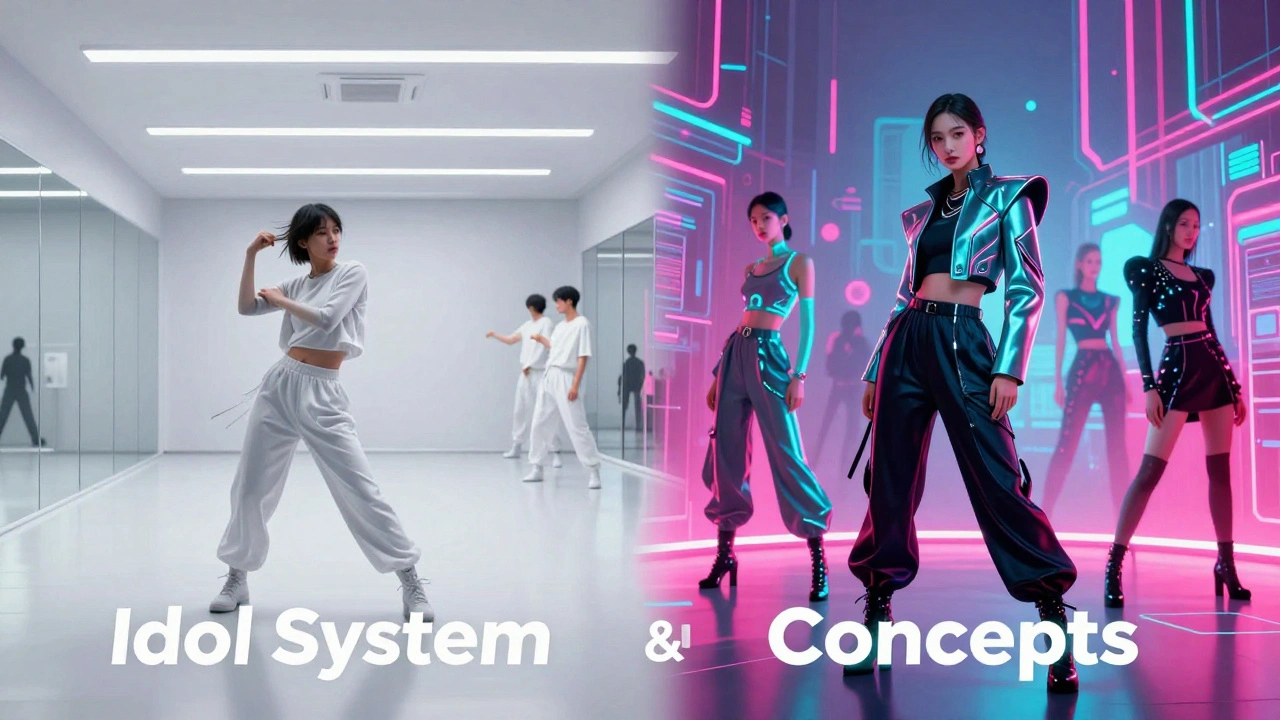
It's important to understand that K-Pop isn't just a music genre; it's a rigorous training system. Most artists are Trainees long before they debut. They spend years in a company's academy learning dance, singing, and foreign languages. This is why the synchronization you see in their dances is so inhumanly perfect-they've spent ten thousand hours practicing the same move in a mirrored room.
The Hallyu Wave (the global spread of Korean culture) has pushed these companies to innovate. They don't just release a song; they release a "Concept." A concept might be "dark academia," "retro disco," or "cyberpunk." This means the fashion, the music video, and the album art all tell one cohesive story. For a fan, the fun is in dissecting these theories and guessing what the next concept will be.
You'll also notice that groups have set roles. The "Main Vocalist" handles the high notes, the "Main Dancer" takes center stage during the break, and the "Visual" is the member who most closely fits the Korean beauty standard. While these roles overlap, they help the group function like a well-oiled machine.
Navigating Fan Culture Without Getting Overwhelmed
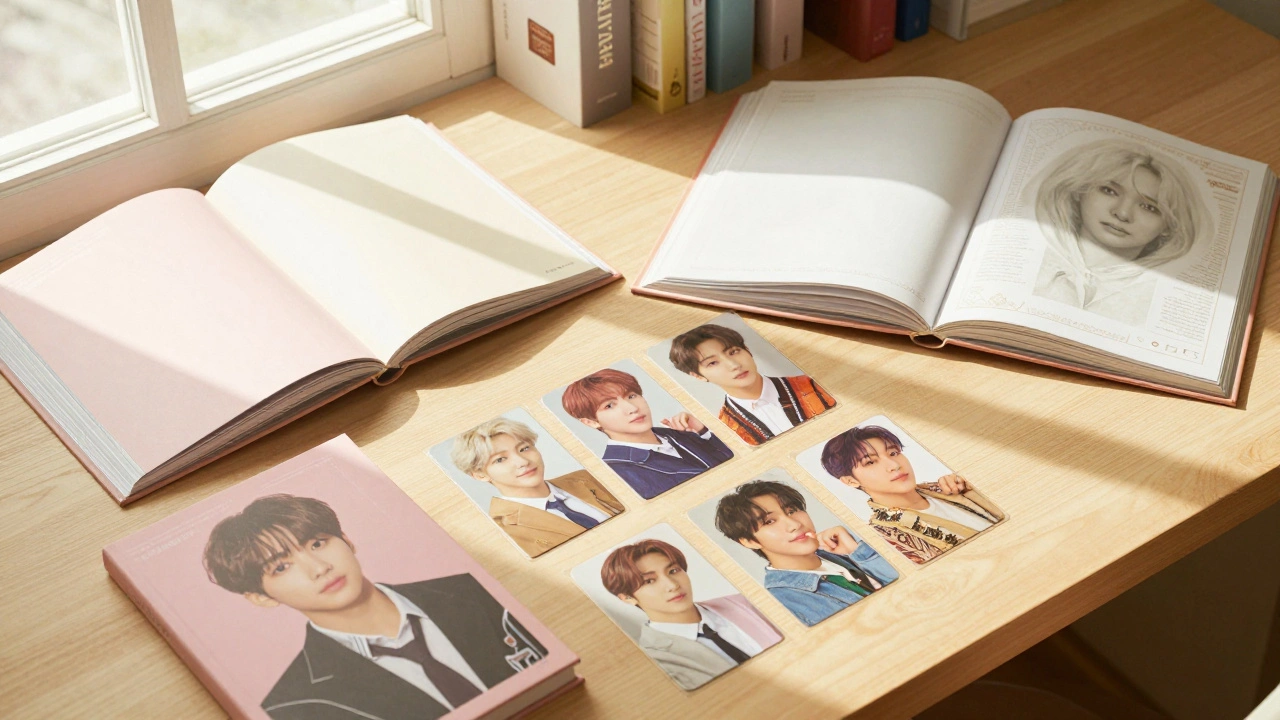
Once you find a group you love, you'll probably start "stanning" (being a dedicated fan). This is where things can get expensive. K-Pop albums are treated more like collectibles than CDs. They often come with a photobook, stickers, and-the most coveted part-random "photocards." Collecting these cards is a huge part of the hobby. You'll find people on social media trading cards like they're rare Pokémon cards.
If you're on a budget, don't feel pressured to buy every limited edition version of an album. Start by following the groups on Weverse or Instagram. These platforms allow you to interact with the artists and other fans. Join a local fan community or a Discord server to find people who can explain the deeper lore of your favorite group's universe.
A word of caution: the passion in K-Pop is a double-edged sword. While the support for artists is beautiful, "fan wars" can break out between different fandoms over who is the "best" or who has the most streams. My advice? Stay in your own lane. Enjoy your favorites, appreciate others, and avoid the drama. The joy of K-Pop is the music and the art, not the online arguments.
Your First K-Pop Checklist
Not sure where to start tonight? Here is a simple path to getting your feet wet:
- Explore a "Beginner's Playlist": Search for "K-Pop Essentials" on Spotify or YouTube to see which sound resonates with you.
- Watch a "Music Bank" or "Inkigayo" Performance: These are Korean music shows where groups perform their latest hits. It's the best way to see the costumes and choreography in action.
- Find Your Bias: Watch a few variety shows (like "Run BTS" or "Going Seventeen") to see the members' real personalities outside of the music videos.
- Learn One Song: Try a simple dance challenge on TikTok. It's a great way to feel connected to the music.
- Pick Your First Group: Once you've found a group that makes you feel something, you've officially entered the fandom.
Is K-Pop only for teenagers?
Absolutely not. While the marketing often targets Gen Z, there are millions of women in their 30s, 40s, and beyond who love K-Pop. The high production value and catchy melodies have a universal appeal, and many adults find the positive community and artistic expression incredibly refreshing.
Do I need to learn Korean to enjoy it?
Not at all, but it helps! Most K-Pop songs have a mix of English and Korean, and fans provide excellent English translations for lyrics online. Many people find that their interest in the music actually motivates them to start learning the language, but you can fully enjoy the experience without knowing a single word of Korean.
What are photocard trades, and why are they a thing?
When you buy an album, you get a random member's photo card inside. Since most fans have a specific "bias," they trade their unwanted cards with other fans to get the one they actually want. It's a social way to meet other fans and complete a collection.
Why are the music videos so expensive-looking?
K-Pop companies treat music videos as visual spectacles. They use massive sets, high-end CGI, and couture fashion to create a "world" for the song. This visual storytelling is a key part of the industry's strategy to attract global attention and build a strong brand identity for the group.
How do I find concerts in the US?
Most groups announce their world tours via their official social media accounts and platforms like Weverse. Keep an eye on major ticketing sites and follow your favorite group's official X (Twitter) account for the fastest updates on tour dates and pre-sale codes.