Investing in Women’s Basics: Where Quality Is Worth It
 Mar, 22 2026
Let’s be real: you don’t need 50 sweaters. Or 12 pairs of black jeans. Or a closet full of trend-driven tops that fall apart after two washes. What you need are a few well-made basics that actually last - the kind you reach for every single day without thinking twice. Investing in women’s basics isn’t about being fancy. It’s about cutting through the noise and building a wardrobe that works for your life.
Why Basics Matter More Than You Think
Most women spend too much time and money chasing fast fashion. A $20 top that pills after three washes? A pair of leggings that lose their shape by February? That’s not just a bad purchase - it’s a drain on your time, energy, and wallet. Every time you replace something cheap, you’re paying twice: once at the register, and again when you’re stuck trying to find something that fits, feels good, and doesn’t look worn out after a month.
Quality basics change that. A well-made cotton tee from a brand that actually tests its fabric doesn’t just last longer - it feels better. It doesn’t cling, stretch out, or fade. It stays soft. It holds its shape. And here’s the kicker: you end up wearing it more often because you actually like putting it on.
Studies from the Ellen MacArthur Foundation show that the average person wears a garment just seven times before discarding it. That’s not sustainability. That’s waste. But when you invest in a single, durable piece - say, a merino wool sweater that lasts five years - you’re not just buying a sweater. You’re buying five years of comfort, reliability, and fewer trips to the store.
Where Quality Actually Makes a Difference
Not every basic needs to be premium. You don’t need cashmere socks. But there are five essentials where quality isn’t optional:
- Underwear - A good pair of cotton or modal underwear doesn’t ride up, dig in, or vanish in the wash. Brands like Aerie, Thinx, and Eberjey have proven their durability over hundreds of washes. If your underwear feels like it’s fighting you, it’s time to upgrade.
- Bras - The right bra doesn’t just support. It moves with you. Look for adjustable straps, wide bands, and breathable fabrics. No more digging underwire or slipping straps after an hour. A properly fitted bra from brands like ThirdLove or Shock Absorber lasts longer than three cheap ones.
- T-shirts - Not all cotton is created equal. Look for 100% organic cotton, double-stitched seams, and pre-shrunk fabric. Everlane’s The Perfect Tee, Uniqlo’s Ultra-Soft Cotton, and Pact’s organic tees all hold up after years of wear. You’ll know it when you feel it - soft, not flimsy.
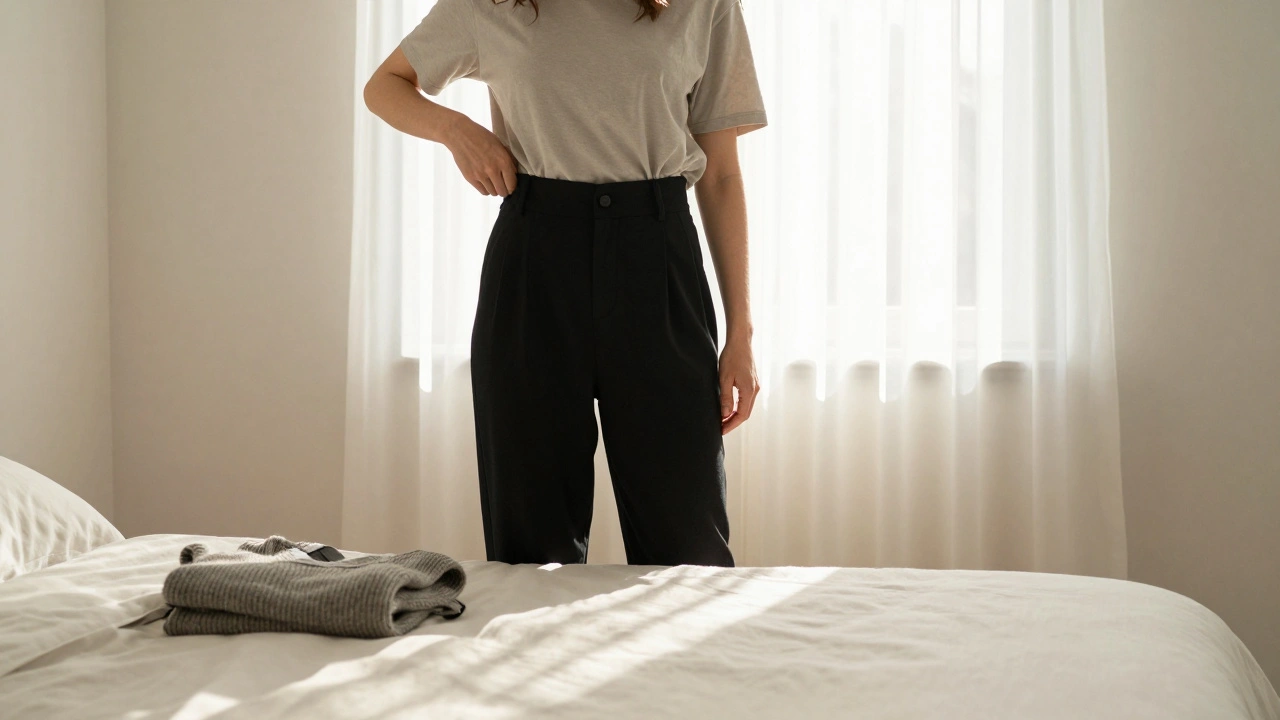
- Black Pants - The holy grail. A pair of black pants that don’t bag out at the knees, fade unevenly, or lose their waistband after a season? They exist. Look for stretch with structure - think ponte knit or a wool-blend with 2-3% spandex. Madewell’s The Perfect Jean (in dark wash) and Lululemon’s Wunder Train pants are two that people keep coming back to.
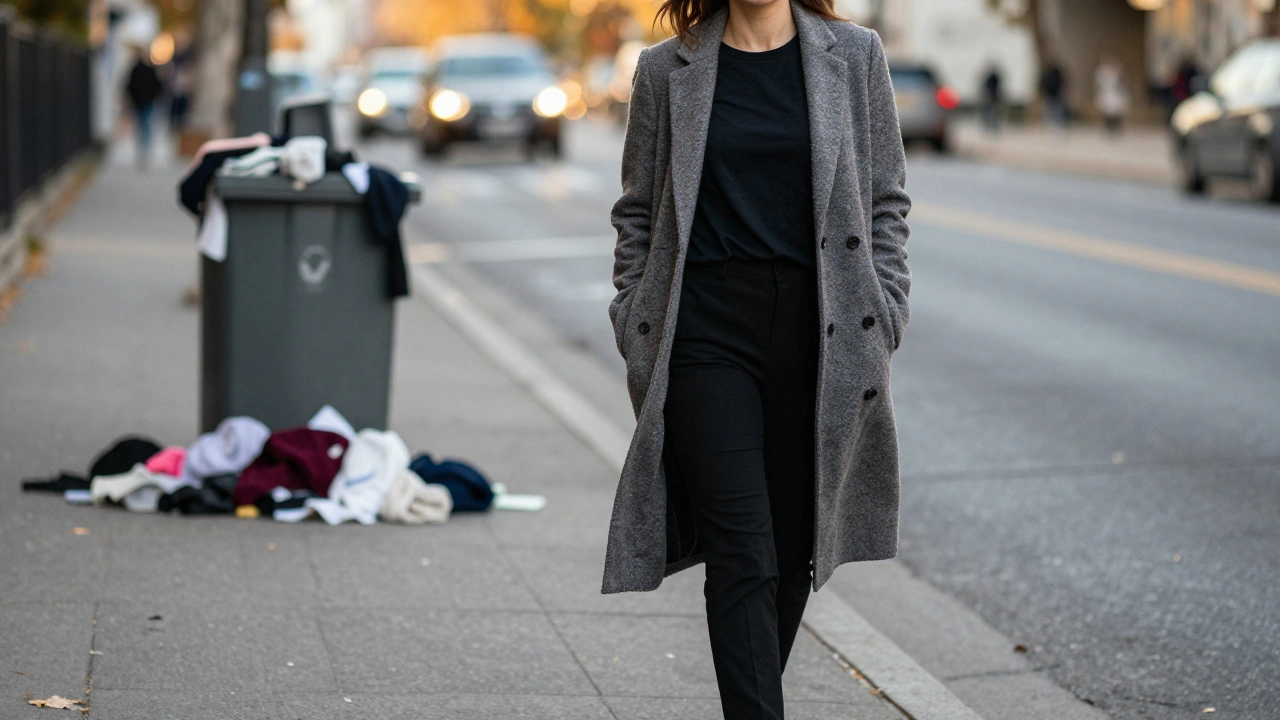
- Coats - A winter coat is your daily armor. A cheap one gets thin, loses insulation, or frays at the cuffs. A quality wool blend from a brand like Everlane, Eileen Fisher, or even a well-made Columbia jacket will keep you warm for a decade. Don’t buy for style - buy for function.
What You Can Skip
Not everything needs to be premium. You can save on:
- Leggings - Unless you’re doing yoga daily, a $25 pair from Target or H&M works fine. They’re not meant to last forever.
- Seasonal prints - Floral blouses, neon sweaters, holiday-themed tops? These are fun, but don’t pay extra for them. They’ll be out of style next season anyway.
- Fast fashion shoes - A $40 pair of sneakers might feel fine for a few months, but they’ll collapse. For daily walking, invest in a pair from Clarks, Ecco, or New Balance. They’re built for miles, not just Instagram likes.
How to Spot Real Quality
It’s not about price tags. It’s about details:
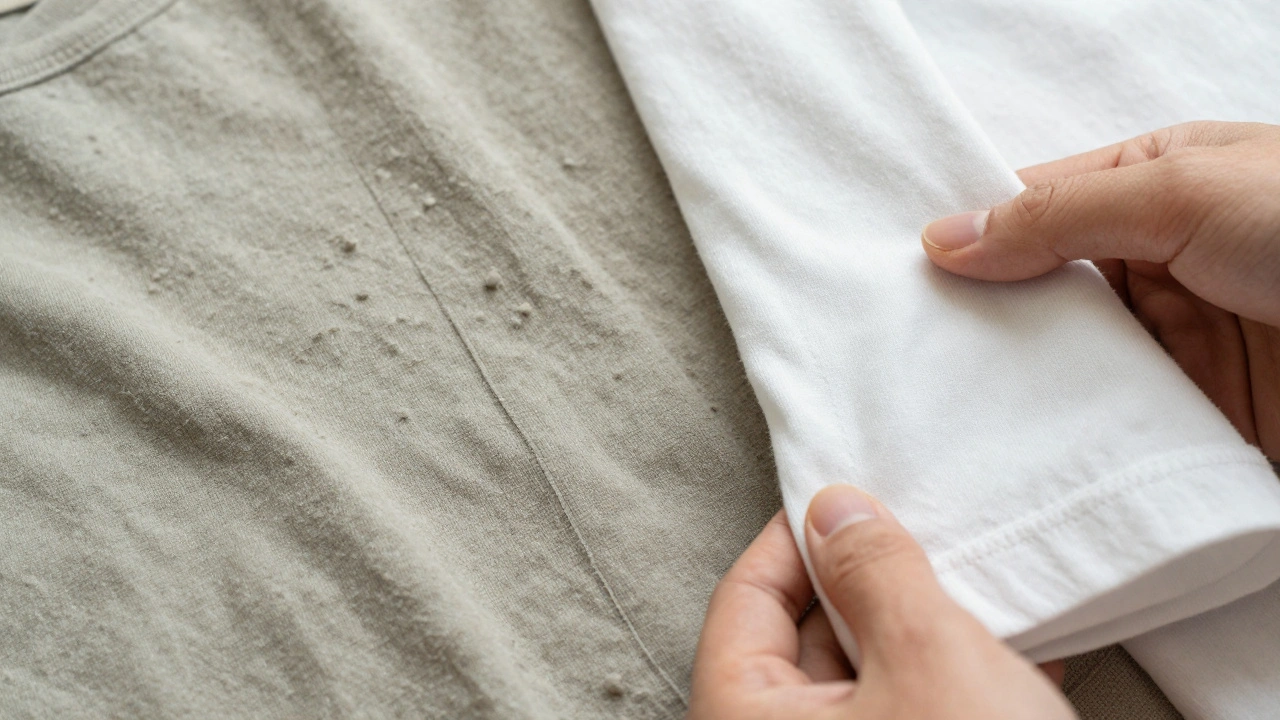
- Seams - Look for flatlock stitching or double stitching. Single, loose seams? That’s a red flag.
- Fabric weight - Thin, see-through cotton? That’s cheap. Thicker, denser fabric? That’s built to last.
- Labels - If the care label says "dry clean only," you’re paying for maintenance, not durability. Machine-washable is better.
- Fit - Quality pieces don’t stretch out. Try sitting down, reaching up, and twisting. If it pulls or wrinkles badly, it won’t hold up.
- Brand transparency - Companies that list fabric sources, manufacturing locations, and ethics reports (like Everlane, Patagonia, or Pact) are more likely to stand behind their products.
The Real Cost of Cheap
Here’s a simple math trick: take the price of an item and divide it by how many times you wear it. A $120 coat worn 200 times? That’s 60 cents per wear. A $50 coat worn 10 times? That’s $5 per wear. Suddenly, the expensive one looks like a bargain.
And it’s not just money. Think about the time you spend hunting for replacements. The guilt of tossing something after six months. The frustration of not having anything that fits right. Quality basics remove all that noise. You wake up, grab your favorite tee, slip into your go-to pants, throw on your coat - and you’re ready. No second-guessing. No wardrobe panic.
Where to Start
You don’t need to overhaul your whole closet overnight. Start with one thing. Pick the basic you wear most but hate the most. Maybe it’s your underwear. Or your favorite tee that’s now see-through. Buy one replacement - the best one you can afford. Wear it for six months. See how it holds up. Then do the same with the next one.
Set a small budget - say $100 - and spend it on one high-quality item. Not three cheap ones. One solid one. You’ll notice the difference immediately.
What Happens When You Do
After six months, you’ll stop noticing your clothes. That’s the point. You won’t be checking if your bra is showing. You won’t be tugging at your pants. You won’t be wondering if your shirt will fall apart in the laundry. You’ll just feel… comfortable. Confident. Like your clothes are working for you, not against you.
And that’s the real win. It’s not about looking expensive. It’s about feeling free. Free from the constant cycle of replacement. Free from the guilt of waste. Free to focus on what actually matters - your life, not your laundry pile.
What are the most important women’s basics to invest in first?
Start with underwear, bras, and one reliable pair of black pants. These are worn daily and directly impact comfort. After that, focus on a few high-quality T-shirts and a durable coat. These form the foundation of a low-stress wardrobe.
Is it worth spending more on organic cotton tees?
Yes - if you wear them often. Organic cotton is softer, lasts longer, and doesn’t contain chemical residues from conventional farming. Brands like Pact and Everlane use GOTS-certified cotton, which means it’s been independently verified. You’ll notice the difference in feel and durability after a few washes.
How do I know if a bra is high quality?
Check the band width - it should be at least 1.5 inches and feel snug but not tight. Look for adjustable straps, seamless cups, and breathable fabric like cotton or modal. A good bra shouldn’t dig in, slip, or lose shape after a month. Brands like ThirdLove and Shock Absorber test their products for long-term wear.
Can I find quality basics on a budget?
Absolutely. Uniqlo, Target’s Universal Thread, and H&M Conscious lines offer well-made basics at lower prices. Look for items with simple construction, natural fibers, and clear care instructions. You don’t need luxury labels - just smart choices.
How many basics should I have in my closet?
You don’t need dozens. Aim for 3-5 T-shirts, 2-3 pairs of pants, 3 bras, 5-7 pairs of underwear, and one or two coats. That’s enough to rotate without washing everything daily. Less is more - and it’s easier to maintain.