Interview Questions for Women Leaders: What to Ask and How to Answer
 May, 9 2026
Walking into an interview for a leadership role feels different than applying for a standard job. You are not just selling your skills; you are proving you can steer the ship when the seas get rough. For women leaders, who often face unique scrutiny in the workplace, this process requires a specific strategy. You need to know exactly what questions will come your way and how to answer them with confidence, while also knowing which questions to ask to ensure the company is right for you.
The goal here isn't to memorize scripts. It's about mastering the narrative of your career. Whether you are aiming for a VP role or stepping into the C-suite, understanding the dynamics of these interviews helps you stand out as a decisive, capable leader. Let’s break down the critical questions you’ll face, the best ways to handle them, and the smart questions you should be asking back.
Understanding the Leadership Interview Landscape
Leadership interviews are less about technical skills and more about behavior, culture fit, and strategic thinking. Hiring managers want to see how you make decisions under pressure, how you manage conflict, and how you inspire others. For women in leadership, there is often an added layer of expectation regarding emotional intelligence and team cohesion. While this can sometimes stem from bias, it also presents an opportunity to showcase high-level soft skills that are increasingly valued in modern organizations.
You need to prepare stories that highlight your ability to drive results while maintaining team morale. This means moving beyond generic answers. Instead of saying "I'm a good communicator," you need to show how you navigated a complex stakeholder negotiation. The key is specificity. Vague answers kill credibility in executive interviews. Concrete examples build trust.
Top Behavioral Questions and How to Answer Them
Behavioral questions are the bread and butter of leadership interviews. They rely on the premise that past behavior predicts future performance. Here are three common ones and how to tackle them effectively.
1. Tell Me About a Time You Failed
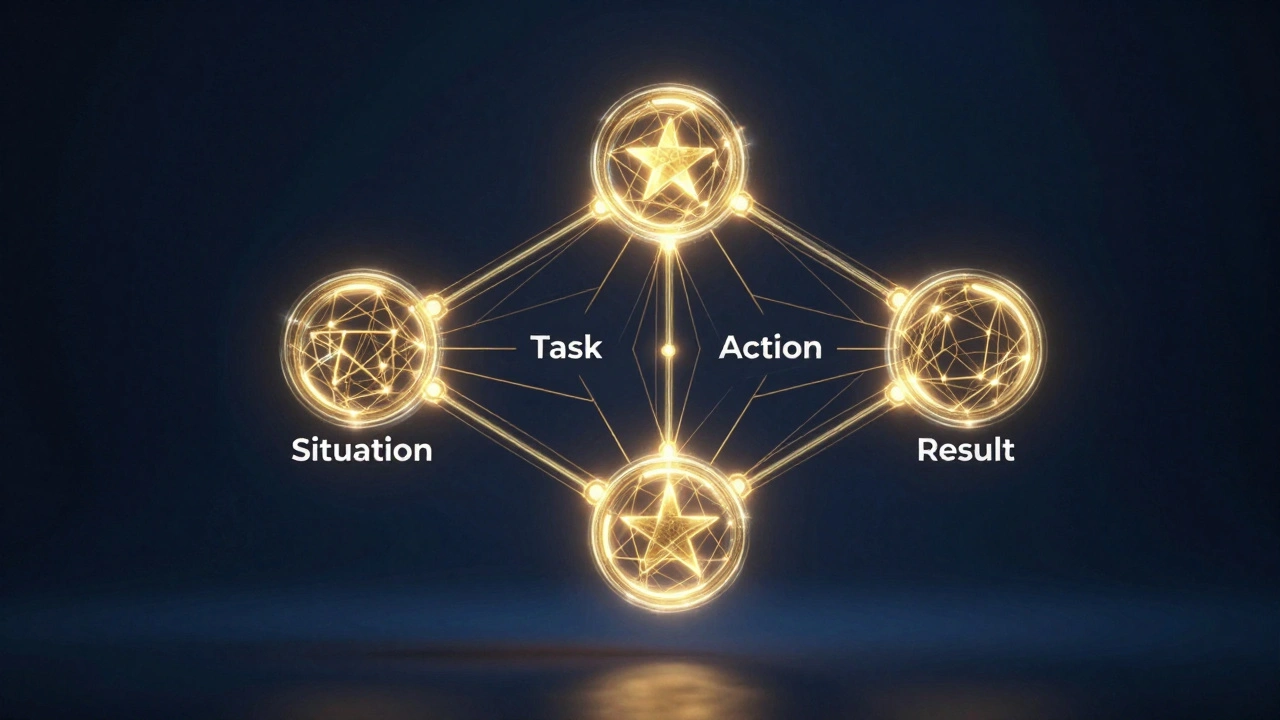
This question tests your humility and resilience. Don't give a fake failure like "I work too hard." Choose a real mistake where the outcome was negative but the lesson was profound. Structure your answer using the STAR method (Situation, Task, Action, Result). Focus heavily on the "Action"-what you did to fix it-and the "Result"-what you learned and how you changed your process.
- Situation: Briefly set the context.
- Task: Explain your responsibility.
- Action: Detail the steps you took to address the issue.
- Result: Share the outcome and the long-term impact on your leadership style.
2. How Do You Handle Conflict Within Your Team?
Leadership is largely about managing people. Interviewers want to know if you avoid conflict or confront it constructively. A strong answer shows that you listen to all sides, remain neutral, and focus on solutions rather than blame. Mention a specific instance where two team members disagreed on a project direction. Explain how you facilitated a discussion that led to a compromise or a better unified strategy.
3. Describe Your Leadership Style
Avoid one-word answers like "democratic" or "authoritative." Instead, describe a hybrid approach that adapts to the situation. For example, you might say, "I tend to lead with empathy and collaboration, but I become more directive during crises to ensure clarity and speed." This shows flexibility and self-awareness. Back this up with an example of when you had to shift styles to meet a deadline or navigate a crisis.
Navigating Gender-Specific Challenges
Women leaders often encounter questions that subtly probe their commitment, communication style, or ability to handle male-dominated environments. These questions can feel loaded, but they are opportunities to demonstrate strength and professionalism.
If asked about balancing work and life, reframe the question around efficiency and boundary setting. You don't need to disclose personal details. Instead, talk about how you prioritize tasks and delegate effectively to maintain high performance. If faced with a question about being a "woman in tech" or a similar industry, focus on the value of diverse perspectives. Explain how your unique viewpoint has helped solve problems or innovate within your previous roles.
Remember, you are not defending your gender; you are showcasing your qualifications. Keep your tone confident and factual. If a question feels inappropriate, you can politely pivot by saying, "That's an interesting perspective. Let me share how my experience in [specific area] has prepared me for this role." This keeps the conversation professional and focused on your abilities.
Strategic Questions to Ask the Interviewer
An interview is a two-way street. Asking insightful questions shows that you are thinking strategically about the role and the company's future. It also helps you determine if the organization is truly ready for your leadership style.
| Question Category | Sample Question | Why It Works |
|---|---|---|
| Culture & Values | "How does the company support diversity and inclusion at the leadership level?" | Shows you care about systemic change and want to work in an inclusive environment. |
| Success Metrics | "What are the top three priorities for this role in the first 90 days?" | Demonstrates a results-oriented mindset and desire to hit the ground running. |
| Challenges | "What is the biggest challenge the team is currently facing, and how can this role help solve it?" | Positions you as a problem-solver and shows genuine interest in the company's pain points. |
| Growth | "How does the organization view professional development for its leaders?" | Indicates ambition and a commitment to continuous learning. |
Avoid asking questions that can be easily answered by reading the company website. Instead, dig deeper. Ask about recent strategic shifts, internal challenges, or the vision for the next five years. This elevates the conversation from a transactional interview to a strategic dialogue between peers.
Preparing for Virtual and Hybrid Interviews
In 2026, many leadership interviews still happen via video conferencing tools like Zoom or Microsoft Teams. Technical glitches can disrupt your flow, so preparation is key. Test your camera, microphone, and internet connection beforehand. Dress professionally, even if it's just a blazer over casual clothes-it affects your mindset.
Eye contact is crucial in virtual settings. Look directly at the camera, not at the screen, when speaking. This creates a sense of connection and confidence. Have your notes visible on a second screen or printed out nearby, but avoid reading from them constantly. Natural pauses are fine; they show you are thinking carefully about your response.
Also, consider the background. A clean, uncluttered space projects professionalism. If possible, use a neutral backdrop or a blurred background option. These small details contribute to the overall impression of competence and attention to detail.

Building Confidence Through Practice
Confidence comes from preparation. Practice your answers aloud, either alone or with a mentor. Record yourself to check for filler words like "um" or "like." Work on your posture and tone. A steady, calm voice conveys authority. Avoid rushing through your answers; take a breath before responding to complex questions.
Seek feedback from trusted colleagues or mentors who have been in similar roles. They can provide insights on how your answers land and suggest areas for improvement. Role-playing difficult scenarios, such as handling aggressive questioning or discussing salary expectations, can reduce anxiety and improve your performance.
Finally, remember that you are evaluating them as much as they are evaluating you. A leadership role is a partnership. You need to feel aligned with the company's values and goals. Trust your instincts. If something feels off, it probably is. Your intuition is a valuable tool in decision-making.
Final Thoughts on Leading the Conversation
Securing a leadership position is about more than just answering questions correctly. It's about presenting a compelling vision of what you can bring to the organization. By preparing thoroughly, anticipating challenging questions, and asking insightful questions of your own, you position yourself as a strong candidate. Embrace the process as an opportunity to showcase your unique strengths and experiences. With the right preparation, you can walk into any interview room-or log into any video call-with the confidence that you are ready to lead.
How do I answer questions about gaps in my resume?
Focus on what you gained during that time. If you took time off for family, health, or education, frame it positively. Highlight any skills you developed, courses you completed, or volunteer work you did. Be concise and confident. For example, "I took a year to care for a family member, during which I also completed a certification in project management. This experience taught me resilience and improved my organizational skills."
What should I wear to a leadership interview?
Dress one level above the company's everyday attire. For most corporate leadership roles, this means a tailored suit or a professional blouse with slacks/skirt. Ensure your clothes are clean, pressed, and fit well. Accessories should be minimal and elegant. The goal is to look polished and authoritative without distracting from your message.
How do I negotiate salary after a leadership interview?
Wait until they express interest in hiring you. Research market rates for similar roles in your industry and location. When discussing compensation, focus on the value you bring. Use phrases like "Based on my experience and the responsibilities of this role, I am looking for a salary in the range of X to Y." Be prepared to justify your number with specific achievements and metrics.
Is it okay to mention other job offers?
Yes, but do so tactfully. Mentioning other offers can increase your leverage, but only if you are genuinely interested in multiple opportunities. Frame it as excitement about the possibilities rather than pressure. For example, "I am currently in final stages with another company, but this role aligns closely with my career goals, and I would prefer to join your team if we can find a mutually beneficial agreement."
How do I handle nervousness during the interview?
Practice deep breathing exercises before the interview. Arrive early to settle in. Visualize success and remind yourself of your qualifications. Remember that interviewers want you to succeed-they invested time in meeting you. If you feel nervous, acknowledge it briefly if appropriate, then refocus on the question. Confidence grows with preparation, so review your key stories repeatedly.