Interior Design Styles Explained: How to Find Your Aesthetic
 Sep, 1 2026
You walk into a friend's house and instantly feel calm. Or maybe you step into a coffee shop and think, "I want my living room to look exactly like this." That gut reaction? That’s your aesthetic trying to speak up. But here’s the problem: most people can’t name what they like. They save hundreds of photos on Pinterest, mix a mid-century modern chair with a farmhouse table and a neon sign, and end up with a space that feels chaotic rather than curated.
Figuring out your interior design styles isn’t about picking one rigid box to live in forever. It’s about understanding the core principles behind popular looks so you can mix them intentionally. As someone who has spent years helping homeowners in Portland declutter their spaces and define their visual voice, I’ve seen how clarity reduces stress. You don’t need an expensive designer to tell you what you like. You just need a framework to decode it.
The Big Five: Core Styles You Need to Know
Before you buy another throw pillow, let’s break down the heavy hitters. These five categories cover about 80% of what you see in magazines and homes today. Understanding these helps you identify the DNA of your preferences.
| Style Name | Core Vibe | Key Materials | Color Palette | Best For |
|---|---|---|---|---|
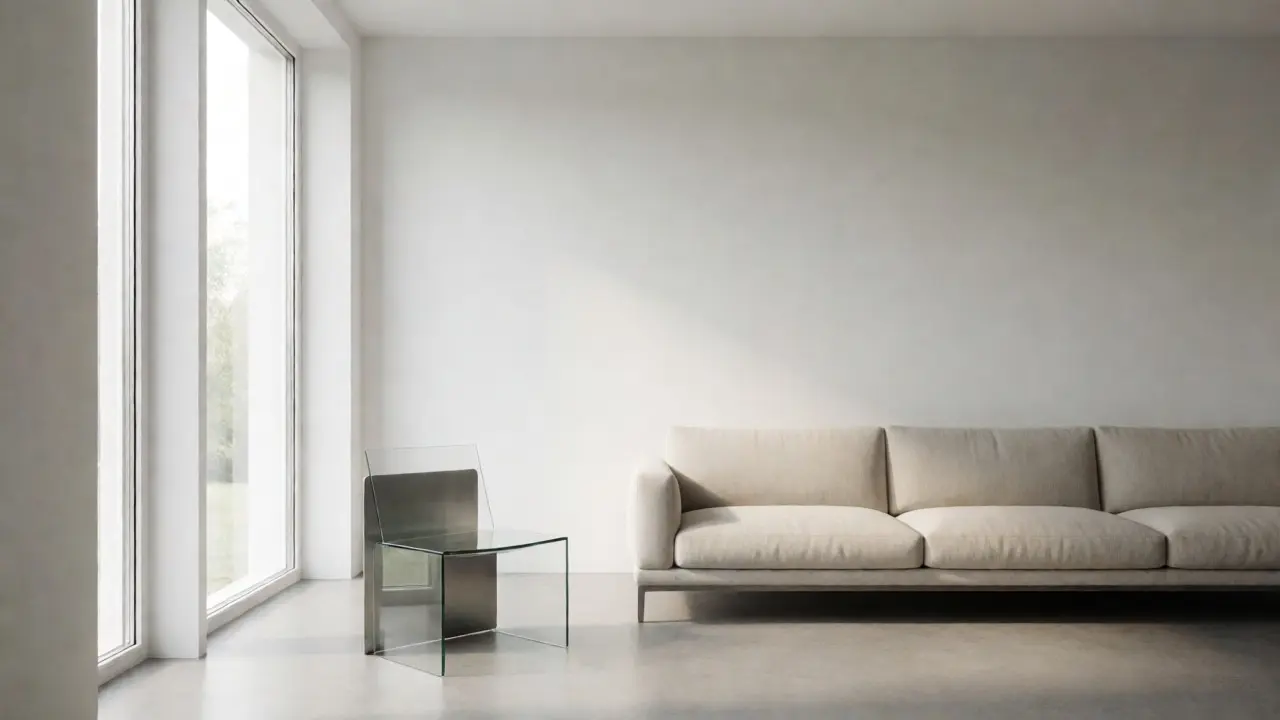
| Modern Minimalist | Calm, uncluttered, functional | Glass, steel, concrete, smooth wood | Whites, grays, black, beige | Small spaces, busy professionals |
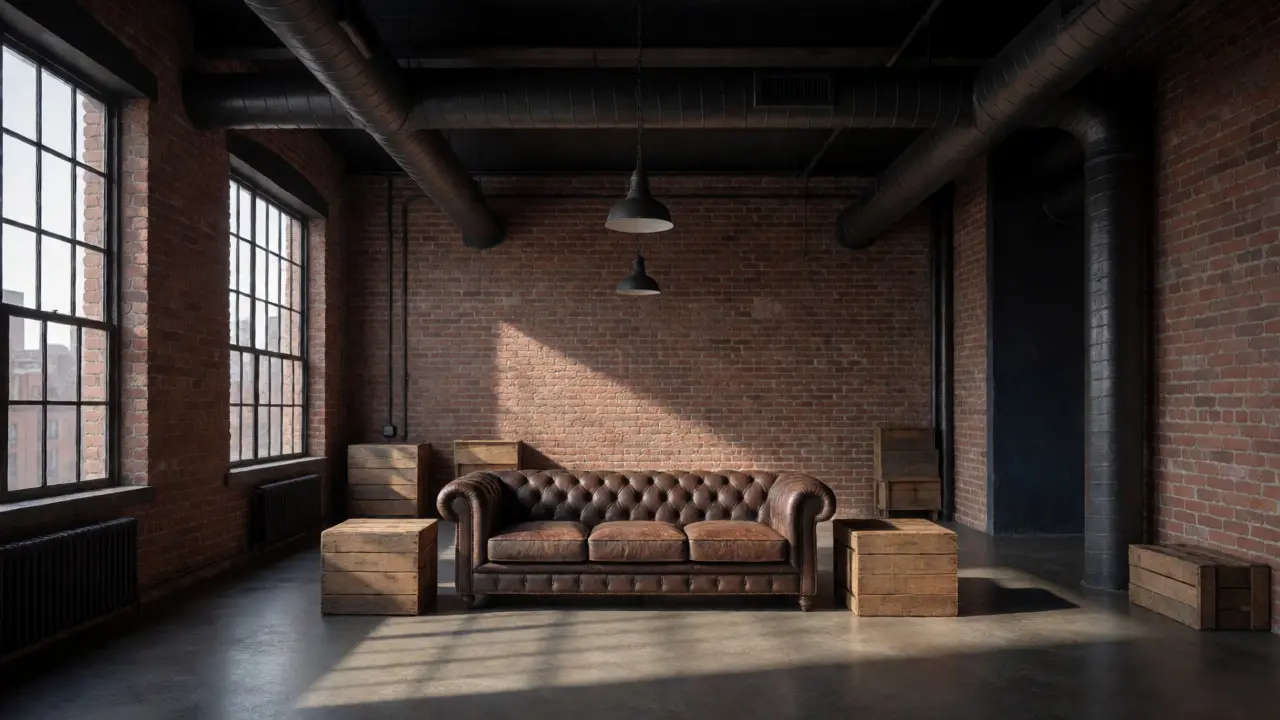
| Industrial Loft | Raw, edgy, urban | Exposed brick, metal pipes, reclaimed wood | Charcoal, rust, navy, warm neutrals | Open floor plans, high ceilings |
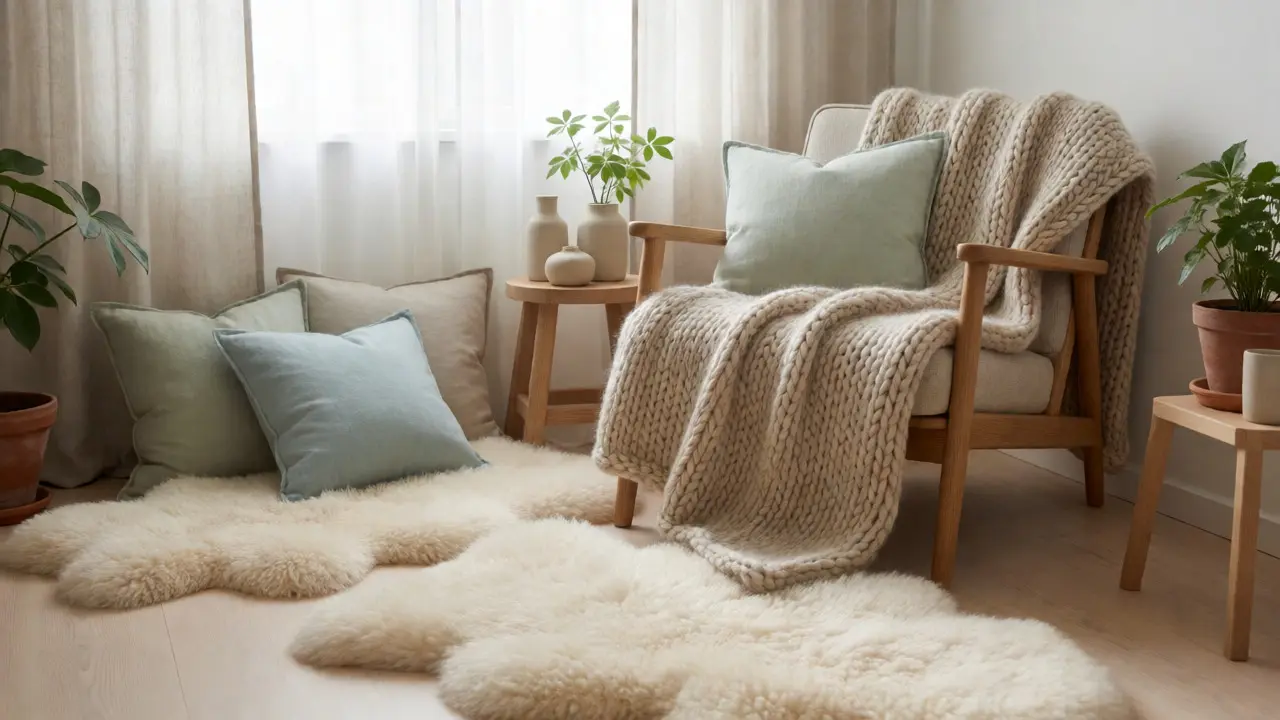
| Scandinavian Hygge | Cozy, bright, democratic | Light oak, wool, linen, sheepskin | White, soft pastels, light gray | Families, cold climates, renters |
| Bohemian (Boho) | Eclectic, free-spirited, layered | Rattan, macramé, vintage textiles, plants | Jewel tones, earthy greens, terracotta | Creatives, collectors, relaxed vibes |
| Mid-Century Modern | Retro, sleek, optimistic | Teak, walnut, molded plastic, brass | Mustard, teal, orange, olive green | Character homes, design enthusiasts |
Modern Minimalist: Less is More, Literally
Minimalism gets a bad rap for being cold. It shouldn’t be. True minimalism is about intentionality. If you love clean lines and hate dusting knick-knacks, this is your lane. The rule of thumb here is the "one-in, one-out" policy. Every object needs a purpose or deep emotional value. In practice, this means hiding clutter in closed cabinets rather than displaying it on open shelves. Lighting becomes crucial because there are fewer objects to distract the eye; natural light is your best friend.
Industrial Loft: Embracing the Flaws
Think old factories converted into apartments. Industrial style celebrates the building’s bones. You aren’t hiding the ductwork; you’re painting it black and calling it art. This style works best in spaces with high ceilings and large windows. If you live in a standard suburban ranch house, going full industrial might feel out of place. Instead, try "industrial lite": add a metal pendant light or a distressed leather sofa to soften a traditional room.
Scandinavian Hygge: Warmth Without Clutter
Hygge is a Danish concept roughly translating to "coziness," but as a design style, it’s specific. It combines minimalism with warmth. Unlike stark modernism, Scandinavian design uses texture to create comfort. Think chunky knit blankets on a simple gray sofa. Light woods are non-negotiable here-they keep small rooms feeling airy. If you find yourself buying too many dark colors, you’re drifting away from this style. Keep the base neutral, then layer in warmth through textiles.
How to Decode Your Personal Taste
Knowing the definitions is half the battle. Finding *your* style is the other half. Most people struggle because they confuse what they admire with what they actually use. You might love the look of a pristine white kitchen, but if you have three kids and cook every night, that white rug will be a nightmare within a week.
- Analyze your wardrobe: Do you wear mostly black and structured pieces? You likely lean toward Modern or Industrial. Love flowy fabrics and patterns? Boho or Eclectic fits better. Your clothes are a direct mirror of your interior taste.
- The "Weekend Test": Imagine you have zero budget and only two days to refresh your room. What do you do? If you buy flowers and candles, you prioritize sensory comfort (Hygge/Boho). If you rearrange furniture for better flow, you prioritize function (Modern).
- Identify your deal-breakers: Can you sleep in a room with no curtains? Can you handle exposed pipes? List three things you absolutely cannot stand in a home. This filters out entire styles quickly.
A common mistake is trying to copy a magazine spread exactly. Magazines stage perfection. Real life involves dog hair, piles of mail, and mismatched socks. Choose a style that accommodates your mess, not one that punishes you for it.
Mixing Styles Without Making a Mess
Purists will tell you to stick to one style. Ignore them. Most great interiors are hybrids. The key is balance. If you mix two contrasting styles, follow the 70/30 rule. Let 70% of the room follow your primary style, and use the remaining 30% for accents from the secondary style.
For example, if you love Mid-Century Modern but also crave the coziness of Bohemian, keep the furniture sleek and wooden (MCM) but add a shaggy rug, plenty of plants, and layered cushions (Boho). The structure comes from MCM; the soul comes from Boho.
Another pro tip: unify mixed styles with color. If you’re mixing Industrial metal with Boho rattan, tie them together with a consistent wall color or rug pattern. Color acts as the glue that holds disparate textures together.
Practical Steps to Start Today
Don’t start by buying a couch. That’s the biggest regret I see homeowners make. Start small.
- Create a physical mood board: Cut images out of magazines or print them. Put them on a corkboard. Step back. Do they clash? If you have a rustic barn door next to a sleek chrome lamp, you’ll see the disconnect immediately. Digital boards often hide these clashes because everything looks flat on a screen.
- Test paint samples: Paint doesn’t look the same online as it does in your lighting. Buy sample pots of your top three colors. Paint large swatches on different walls. Watch how they change at noon versus sunset. This saves you thousands in repainting costs later.
- Shop secondhand first: Vintage stores are goldmines for finding unique pieces that fit eclectic or boho styles without breaking the bank. You’ll learn what shapes and materials you genuinely enjoy holding and using, rather than just looking at.
Remember, your home should evolve. Your aesthetic at 25 might not match your aesthetic at 45. That’s okay. The goal isn’t to finish the room; it’s to make the process enjoyable and the result reflective of who you are right now.
Can I mix different interior design styles in one room?
Yes, absolutely. In fact, mixing styles creates depth and personality. The trick is to maintain cohesion through a unified color palette or repeating materials. For instance, mixing Mid-Century Modern furniture with Bohemian textiles works well if both share similar warm wood tones or earthy colors. Avoid mixing more than two distinct styles at once to prevent visual chaos.
How do I know if I prefer Minimalist or Maximalist design?
Ask yourself how you feel when surrounded by objects. If empty space makes you anxious and you find comfort in collections, books, and patterns, you lean toward Maximalism. If visual clutter causes stress and you prefer open surfaces, you lean toward Minimalism. There is no wrong answer; it depends on how your brain processes visual information.
Is Farmhouse style still popular in 2026?
Traditional "Fixer-Upper" farmhouse has evolved into "Modern Farmhouse" or even "Rustic Modern." While the shiplap trend has peaked, the core elements-natural wood, comfortable seating, and durable fabrics-remain timeless. However, the overly decorative, faux-rustic version is declining in favor of cleaner, more authentic rustic looks.
What is the difference between Contemporary and Modern design?
People often use these terms interchangeably, but they differ. "Modern" refers to a specific historical period (roughly 1920s-1950s) characterized by clean lines and lack of ornamentation. "Contemporary" means "of the moment" and changes over time. Currently, contemporary design leans toward softer curves, organic shapes, and warmer neutrals compared to the strict geometry of classic Modernism.
How much does it cost to hire a designer vs doing it myself?
Hiring a professional interior designer typically costs between $150 and $500 per hour, or a flat fee ranging from $2,000 to $10,000+ depending on project scope. DIY approaches vary wildly based on choices, but mistakes (like wrong-sized furniture or bad paint colors) can cost significantly more in rework. For single-room refreshes, DIY is often feasible; for whole-home renovations, professional guidance usually pays off in efficiency.