Interior Design Styles Explained: Find Your Aesthetic
 Sep, 1 2026
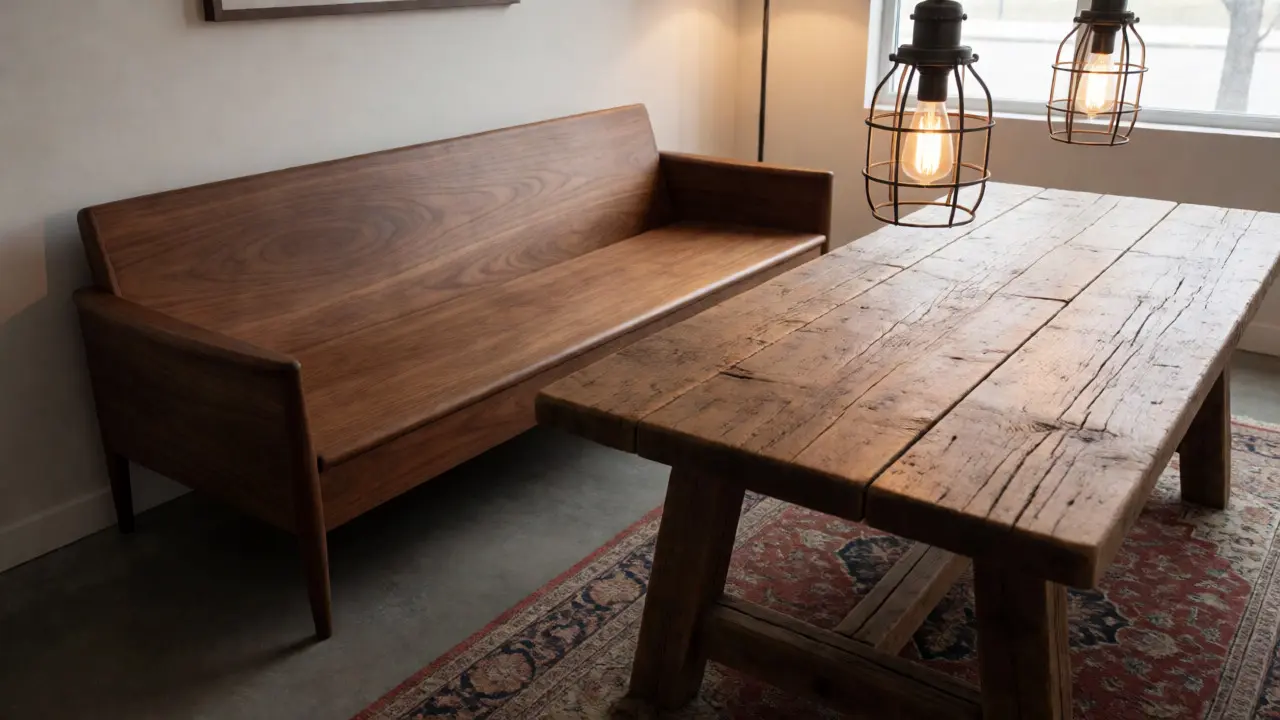
You walk into a friend’s house and feel instantly calm. You step into another person’s apartment and feel like you’re in a museum that someone forgot to clean. What’s the difference? It’s not just about having expensive furniture or perfect paint colors. It’s about interior design styles being cohesive. When a space feels "off," it’s usually because the visual language is broken. You might have a mid-century modern sofa sitting next to a rustic farmhouse table, clashing with industrial metal lamps. The result isn't eclectic; it's chaotic.
Finding your aesthetic isn’t about picking the most popular trend on Instagram. It’s about understanding what makes you feel at home. Do you crave order and silence? Or do you thrive on color, texture, and collected memories? This guide breaks down the major design movements, explains how they differ, and helps you decide which one actually fits your life in 2026.
The Big Confusion: Modern vs. Contemporary
Let’s clear up the biggest myth right now. People use "modern" and "contemporary" interchangeably, but they are completely different things. If you mix them up, your room will look dated instead of fresh.
Modern Design is a specific historical movement from the early-to-mid 20th century. Think 1950s and 1960s. It features clean lines, minimal ornamentation, and natural materials like wood and leather. It’s timeless. If you buy a genuine Eames chair, you’re buying modern design. It doesn’t change.
Contemporary Design, on the other hand, refers to whatever is happening *right now*. In 2026, contemporary means softer curves, warmer neutrals (think beige and taupe, not stark white), and a mix of textures. By 2030, contemporary will look different again. Modern is a fixed point; contemporary is a moving target.
If you want a look that won’t need updating every five years, go modern. If you like changing your decor as trends shift, lean contemporary. But don’t try to force them together without care-they can clash if the proportions aren’t balanced.
Minimalism and Scandinavian: Less is More?
These two often get lumped together, but their goals are different. Both rely on simplicity, but the vibe is totally distinct.
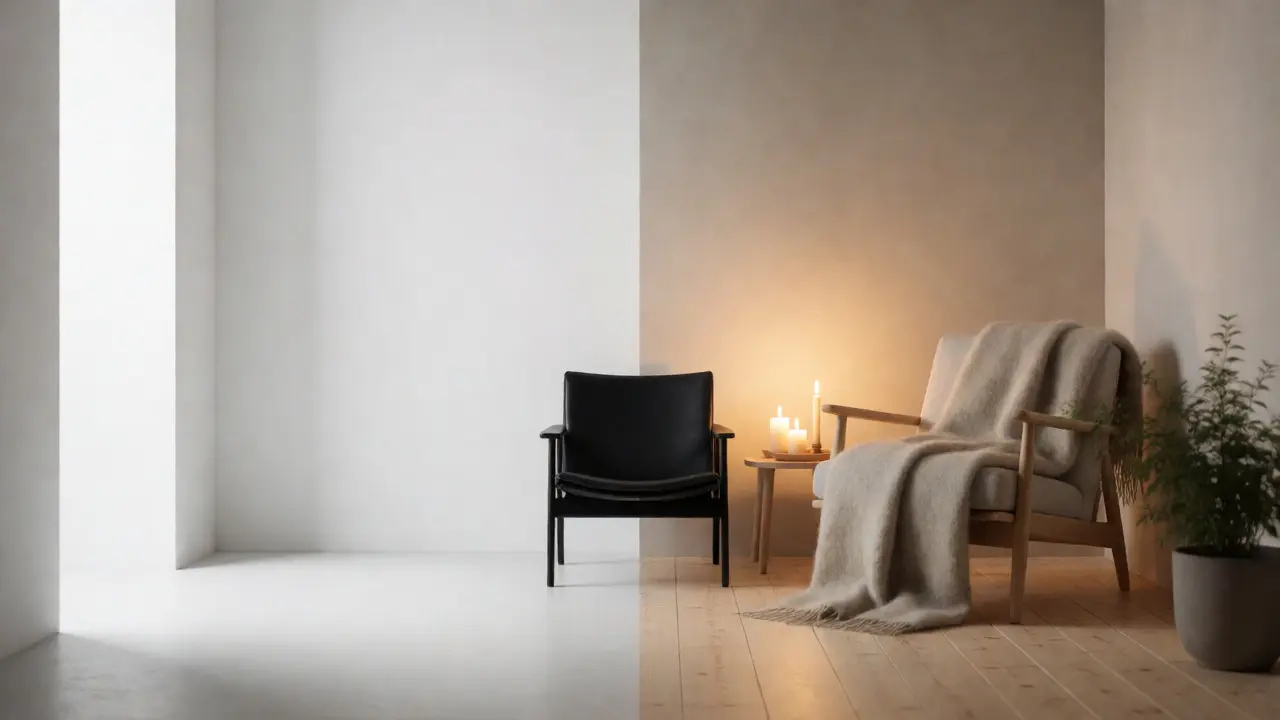
Minimalism is about subtraction. It’s strict. Every object must serve a purpose or bring deep joy. Colors are usually monochromatic-black, white, gray. There’s no clutter, no knick-knacks, and very little decoration. It feels airy, almost sterile, to some people. It requires discipline. If you hate dusting, this might be your dream.
Scandinavian Design is also simple, but it’s cozy. The Danish call it "hygge." It uses light woods, wool throws, candles, and soft lighting. While minimalism can feel cold, Scandinavian style feels warm. It prioritizes functionality too, but it allows for more texture and comfort. You’ll see sheepskins on chairs and plants in corners. It’s designed for long winters where you need your home to feel like a hug.
Ask yourself: Do I want a gallery-like silence (Minimalism) or a warm, lived-in calm (Scandinavian)? That answer determines your path.
Industrial and Rustic: Raw Materials Rule
Both these styles celebrate raw materials, but they come from opposite worlds. One looks like a converted factory; the other looks like a cabin in the woods.
Industrial Style emerged from New York lofts in the 1970s. It exposes the bones of the building. You see brick walls, concrete floors, ductwork, and metal pipes. Furniture is often made of reclaimed wood and iron. It’s edgy and urban. It works best in spaces with high ceilings and open layouts. If you live in a small apartment with low ceilings, going full industrial can make the space feel cramped and dark.
Rustic Design is all about nature. Think rough-hewn timber, stone fireplaces, and vintage farm tools. It’s grounded and earthy. Unlike industrial, which feels manufactured and harsh, rustic feels organic and soft. It uses warm tones-browns, greens, creams. It’s great for families who want a relaxed, welcoming environment. However, beware of the "country store" effect. Too many fake antiques and checkered pillows can turn rustic into kitsch.
| Style | Key Materials | Color Palette | Best For |
|---|---|---|---|
| Modern | Wood, Leather, Glass | Neutral, Bold Accents | Timeless appeal |
| Contemporary | Mixed Textiles, Metal | Trending Neutrals | Trend-followers |
| Minimalist | Concrete, Steel | Monochrome | Clutter-free minds |
| Scandinavian | Pine, Wool, Linen | White, Light Wood | Cozy functionality |
| Industrial | Brick, Iron, Concrete | Gray, Black, Red | Urban lofts |
| Rustic | Stone, Rough Wood | Earth Tones | Nature lovers |
| Bohemian | Rattan, Silk, Plants | Jewel Tones, Patterns | Creative souls |
Bohemian and Maximalist: More is More
If minimalism gives you anxiety, these styles are your antidote. They embrace abundance, color, and personality.
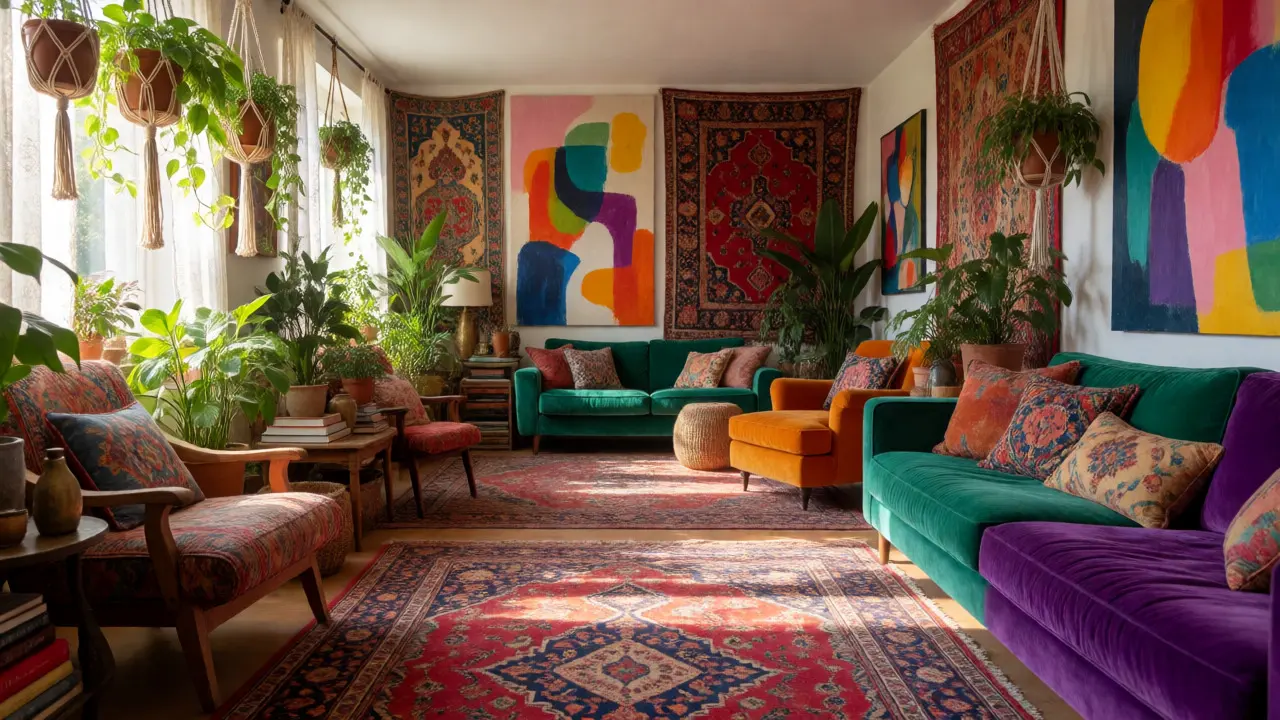
Bohemian (Boho) style is free-spirited. It mixes patterns, textures, and eras without strict rules. You’ll see macramé wall hangings, layered rugs, lots of plants, and global textiles. It’s inspired by travel and artistic communities. Boho isn’t about matching; it’s about collecting. It feels personal and unstructured. The risk? It can look messy if you don’t balance the visual weight. Start with a neutral base and add colorful accents slowly.
Maximalism takes this further. It’s bold, dramatic, and intentional. Maximalists love saturated colors, large-scale art, and statement pieces. Think velvet sofas in emerald green or gold mirrors covering entire walls. It’s not just clutter; it’s curated chaos. Every item tells a story. This style demands confidence. If you’re shy, start small with a maximalist accent wall or a vibrant rug before committing to a whole room.
Traditional and Transitional: Classic Comfort
Some people find modern styles too cold or trendy. They want something that feels established and elegant. That’s where traditional and transitional styles shine.
Traditional Design draws from 18th and 19th-century European influences. It features rich woods, ornate details, curved legs on furniture, and formal arrangements. Colors are deep-burgundy, navy, forest green. It feels regal and serious. It works well in larger homes with architectural details like crown molding. In smaller apartments, it can feel heavy and outdated if not balanced with lighter elements.
Transitional Design is the bridge between traditional and modern. It’s the most popular style for homeowners who want elegance without stuffiness. It combines classic silhouettes (like a tufted sofa) with modern materials (like chrome legs). It avoids extreme ornamentation but keeps a sense of formality. It’s safe, sophisticated, and ages well. If you’re renting and can’t knock down walls, transitional is a great choice because it adapts to any architecture.
How to Actually Pick Your Style
Reading about styles is easy. Living in them is harder. Here’s how to test-drive an aesthetic before you spend thousands on furniture.
- Create a Mood Board: Don’t just save images on Pinterest. Print out 10 photos of rooms you love. Lay them on a table. Look for patterns. Do you keep seeing white walls? Or do you gravitate toward dark blues? Are there plants everywhere? Or is it mostly empty space? This reveals your subconscious preference.
- Audit Your Current Home: Walk through your house. Which room feels the most comfortable? Why? Is it because it’s bright? Because it has soft textures? Because it’s quiet? Use those clues. If your bedroom feels calm because it’s minimalist, don’t force a maximalist living room unless you’re ready for the maintenance.
- Consider Your Lifestyle: Be honest. Do you have pets or kids? Industrial style with sharp metal edges might be dangerous. White linen sofas in a family home are a nightmare. If you cook often, a rustic kitchen with open shelves collects grease fast. Choose a style that survives your daily life, not just your fantasy life.
- Start Small: You don’t need to repaint the whole house tomorrow. Buy a throw pillow, a lamp, or a rug in your chosen palette. Live with it for a month. Does it still feel right? If yes, expand. If no, tweak the direction.
Common Pitfalls to Avoid
Even with a plan, people mess up. Here are the three biggest mistakes I see in Portland homes and beyond.
Over-Theming: Trying to make every single item fit the style perfectly. A strictly "industrial" home shouldn’t look like a coffee shop chain. Leave room for personal items-a bookshelf, a guitar, a child’s drawing. These break the monotony and add soul.
Ignoring Lighting: Style dies in bad light. Minimalism needs bright, even light to look clean. Industrial style needs warm, directional light to soften the hard surfaces. If you ignore lighting fixtures, your $2,000 sofa will look cheap.
Chasing Trends Blindly: In 2026, "Dopamine Decor" (bright, happy colors) is trending. But if you prefer calm, forcing bright yellow walls will annoy you within six months. Trends fade. Personal comfort lasts.
Final Thoughts
Your home should reflect who you are, not what influencers say. There is no "correct" interior design style. There is only the style that makes you exhale when you walk through the door. Whether you choose the stark beauty of minimalism or the joyful chaos of bohemian, ensure it serves your daily routine. Mix styles if you need to. Most successful homes are hybrids-maybe a transitional base with boho accents. Trust your eye, respect your lifestyle, and build a space that feels uniquely yours.
What is the difference between modern and contemporary interior design?
Modern design refers to a specific historical era (early-to-mid 20th century) characterized by clean lines and minimalism. Contemporary design refers to current trends, which change over time. Modern is static; contemporary is dynamic.
Is Scandinavian style the same as minimalist?
No. While both prioritize simplicity, Scandinavian style focuses on warmth, coziness (hygge), and natural textures like wool and light wood. Minimalism is stricter, focusing on monochromatic palettes and eliminating non-essential objects, often feeling colder.
Can I mix different interior design styles?
Yes, mixing styles is encouraged. The key is cohesion. Ensure the styles share common elements like color palette, material types, or scale. For example, pairing industrial metal with rustic wood works well because both feature raw materials.
Which interior design style is easiest to maintain?
Minimalism and Scandinavian styles are generally easier to maintain because they have fewer objects to clean and organize. Industrial style can be difficult due to exposed surfaces collecting dust, while maximalist styles require regular tidying to prevent looking cluttered.
How do I know if my home is too cluttered?
If you struggle to find flat surfaces or feel visually overwhelmed when entering a room, it may be cluttered. Try removing 20% of decorative items. If the room feels more spacious and calming, keep the removed items stored or donated.