Hosting Gatherings on a Budget: Women’s Entertaining Guide
 Oct, 4 2026
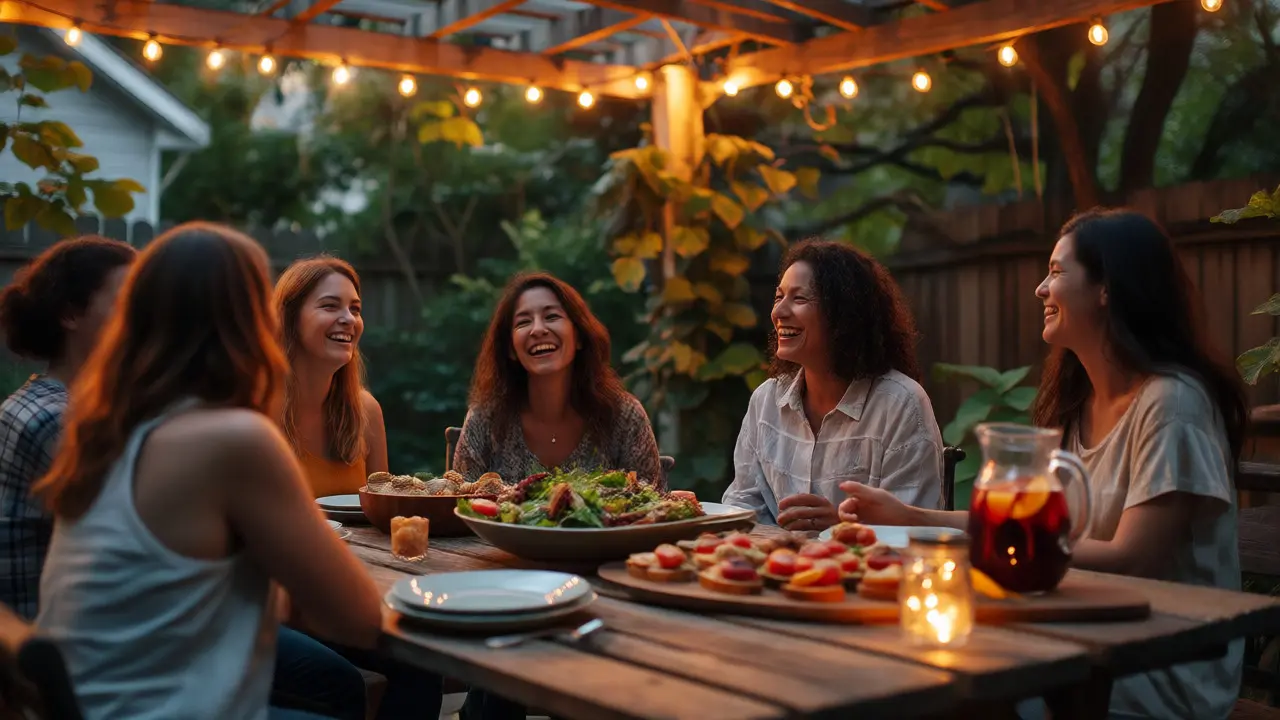
You know that sinking feeling. The calendar invites are out, the excitement is building, and then you look at your bank account. You want to host a gathering for your friends or community group, but the idea of spending hundreds of dollars on catering and decor makes you want to cancel everything. Here is the truth: some of the most memorable nights I have had in Portland were not expensive dinners. They were potlucks where someone brought an incredible sourdough starter, or backyard hangouts with string lights and cheap wine.
Budget entertaining is the practice of hosting social gatherings while minimizing costs through strategic planning, shared resources, and creative alternatives to traditional hospitality norms. It is not about being cheap; it is about being intentional. When you remove the financial pressure, you actually get more authentic connections. People relax when they see you are having fun too, rather than stressing over whether the napkins match the plates.
Rethinking the Purpose of Your Gathering
Before you buy a single candle, ask yourself why you are hosting. Are you trying to impress? Or are you trying to connect? If it is the latter, drop the performance aspect entirely. High-end restaurants charge for ambiance and service, but at home, you provide something they cannot: intimacy and control. A study from the University of Pennsylvania suggests that shared meals increase feelings of trust and cooperation among participants more effectively than individual dining experiences. That means the food matters less than the act of eating together.
Shift your mindset from "hosting a party" to "creating a space." This distinction saves money because you stop buying things that serve only as decoration. Instead of floral arrangements that die in two days, use what you already have. Books stacked neatly, a few trailing pothos plants from your windowsill, or even just good lighting can transform a room. In my experience living in the Pacific Northwest, natural elements work best. A bowl of pinecones or interesting rocks collected from Forest Park costs nothing and looks far more curated than plastic centerpieces.
The Potluck Power Play
Potlucks often get a bad reputation for being unorganized affairs where everyone brings potato salad. But a well-structured potluck is one of the most effective tools for budget entertaining. The key is assignment, not suggestion. Do not say, "Bring something to share." That leads to three people bringing chips and nobody bringing a main course. Instead, create a simple spreadsheet or use a free app like SignupGenius to assign categories.
- Appetizers: Ask for finger foods that do not require heating. Hummus with carrots, cheese boards, or bruschetta.
- Mains: Assign one or two hearty dishes. Think casseroles, large salads, or roasted chicken.
- Sides: Bread, grains, or vegetables. These fill up guests without breaking the bank.
- Desserts: Cookies, brownies, or fruit platters. Easy to transport and universally liked.
This structure ensures variety and balance. It also distributes the cost. If ten people attend and each spends $10 on their dish, you have a spread worth $100 for the price of drinks and basic supplies. Plus, people love talking about the food they brought. It becomes an instant conversation starter, which helps break the ice if guests do not all know each other.
Drinks on a Dime
Alcohol is usually the biggest line item in any hosting budget. A bottle of decent wine can cost $15-$20. Multiply that by four bottles, and you are already at $60 before anyone eats. Here is how to handle it without looking stingy.
| Option | Average Cost per Guest | Effort Level | Impression Factor |
|---|---|---|---|
| Premium Wine | $8-$12 | Low | High |
| House Wine/Bulk | $3-$5 | Low | Medium |
| Sangria Pitcher | $4-$6 | Medium | High |
| Beer & Cider Pack | $2-$4 | Low | Casual |
| Non-Alcoholic Punch | $1-$2 | Medium | Versatile |
Sangria is my go-to hack. Buy the cheapest red wine available-yes, the boxed stuff works fine when mixed-and add chopped oranges, apples, and a splash of brandy or orange juice. It tastes festive, stretches further than straight wine, and hides the flaws of cheaper bottles. For non-drinkers, make a big pitcher of infused water. Add cucumber slices, mint leaves, or lemon wedges. It looks elegant in a glass dispenser and encourages hydration, which keeps energy levels up later in the night.
Decor That Does Not Break the Bank
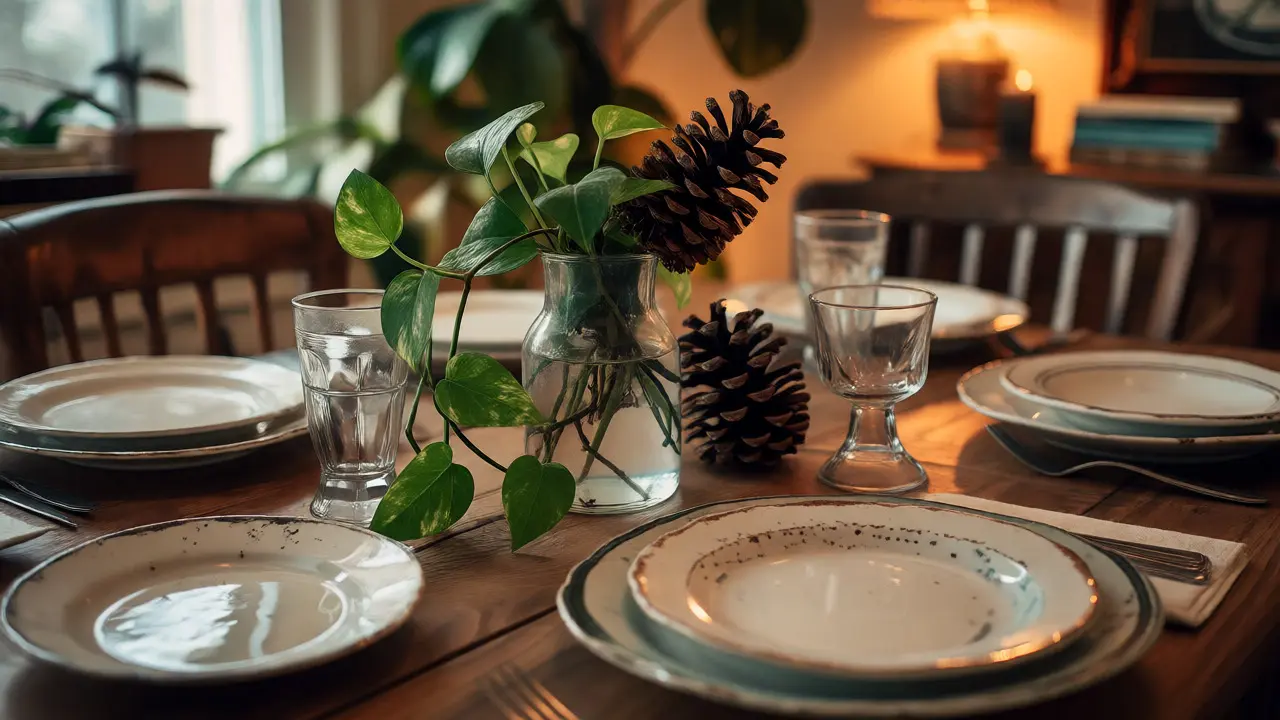
You do not need to buy new tablecloths or centerpieces. Look around your house first. Thrift stores in Portland, like Goodwill or local vintage shops, are goldmines for unique serving platters and vases. A mismatched set of plates from different eras adds character and tells a story. It shows personality rather than perfection.
Lighting is the secret weapon of atmosphere. Overhead lighting is harsh and clinical. Turn off the big light. Use lamps, candles, or string lights instead. String lights are incredibly cheap-you can get a 50-foot strand for under $10 online or at hardware stores. Drape them over a bookshelf, wrap them around a banister, or hang them across a patio. The warm glow instantly makes a space feel inviting and cozy. If you have fairy lights, put them inside mason jars for a DIY lantern effect. It takes five minutes and looks magical.
Activities That Foster Connection
Once everyone is fed and lit, what happens next? Awkward silences can creep in if there is no structure. You do not need expensive games or entertainment. Simple activities encourage interaction without requiring props.
- Conversation Cards: Write prompts on index cards. Questions like "What is a skill you wish you learned earlier?" or "What was your favorite trip?" help people move past small talk.
- Music Playlist: Curate a playlist beforehand. Keep it low volume initially so people can talk, then ramp it up later. Spotify has great collaborative playlists where guests can add songs via QR code.
- Shared Hobby Station: Set up a small area related to a common interest. Maybe a pile of magazines for browsing, a sketchpad for doodling, or a board game table. This gives shy guests something to do with their hands.
In my community groups here, we often end the night with a "gratitude round," where everyone shares one thing they are thankful for. It sounds cheesy, but it leaves everyone feeling connected and positive. It costs zero dollars and creates a lasting emotional impact.
The Cleanup Strategy
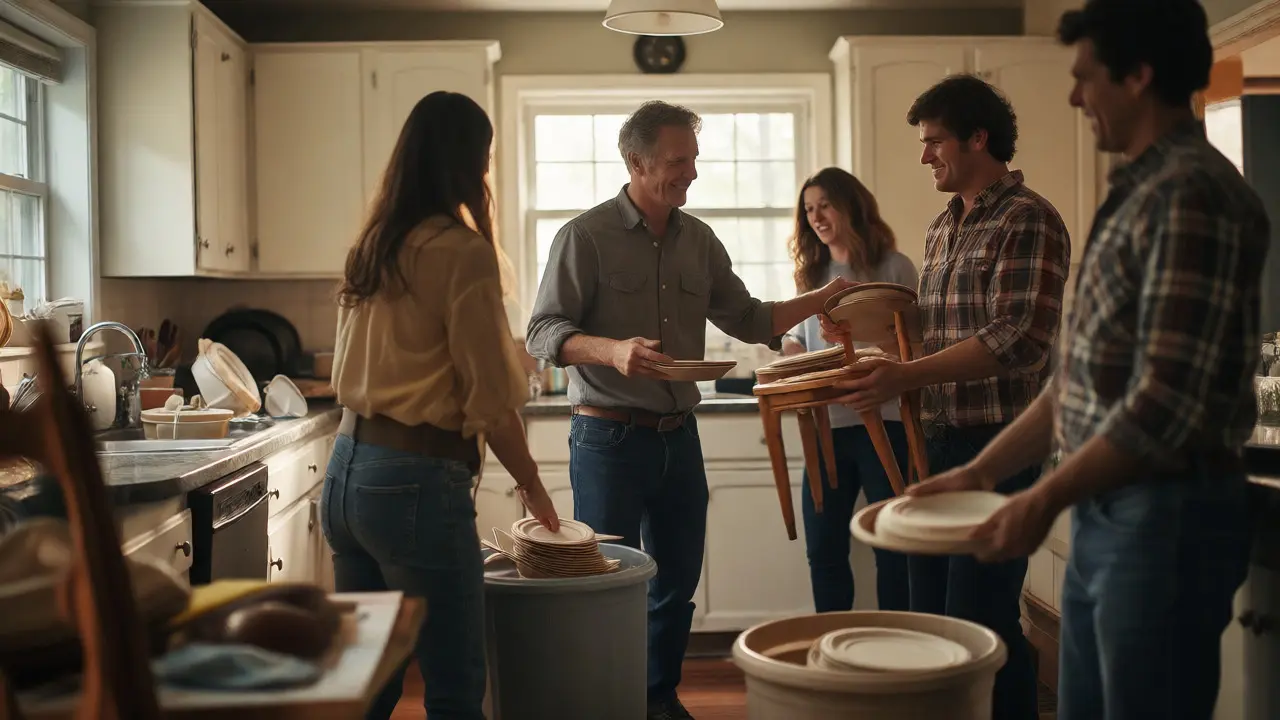
The dread of cleanup stops many people from hosting. Plan for it ahead of time. Use real plates and glasses if you have enough, but if not, compostable options are better than flimsy paper ones. Recyclables should be separated immediately into clearly marked bins. Label them with signs made from cardboard and marker. Guests will follow instructions if they are clear.
Ask for help. It is okay to say, "Can someone help me stack these chairs?" or "Who wants to take out the recycling?" Most people are happy to pitch in if asked directly. It turns the end of the night into a communal effort rather than a solo burden. And remember, it does not have to be perfect. A sink full of dishes the next morning is a small price to pay for a night of genuine human connection.
Frequently Asked Questions
How much should I budget per person for a casual gathering?
For a casual potluck-style gathering, aim for $5-$10 per person for beverages and basic supplies like napkins and ice. Since guests bring food, your primary costs are drinks and ambiance. If you are providing all food, a realistic budget is $15-$20 per person using seasonal ingredients and bulk staples.
Is it rude to ask guests to bring their own drinks?
No, it is increasingly common and accepted, especially among close friends. Phrase it warmly: "We’ll provide water, soda, and a signature cocktail, but feel free to bring your favorite beer or wine to share." This sets clear expectations without sounding demanding.
What are some easy crowd-pleasing potluck dishes?
Dishes that travel well and taste good at room temperature are best. Consider pasta salads, grain bowls (like quinoa or farro), empanadas, deviled eggs, or sheet-pan roasted vegetables. Avoid delicate items like soufflés or raw fish unless you have refrigeration on-site.
How do I keep the conversation flowing without forcing it?
Create natural focal points. A central table with appetizers encourages mingling. Background music fills silence without dominating. Open-ended questions help bridge gaps between acquaintances. Also, introduce people with a specific detail: "This is Sarah, she just started hiking in the Gorge," gives others an immediate topic to discuss.
Should I send thank-you notes after the event?
A quick text message thanking guests for coming and mentioning something specific they contributed (e.g., "Thanks for the amazing brownies!") is sufficient and appreciated. Handwritten notes are lovely for formal events but unnecessary for casual gatherings. Speed and sincerity matter more than formality.