Hormonal Contraception Explained: Pills, Patches, and Beyond
 Oct, 25 2026
Choosing the right birth control can feel like trying to solve a puzzle where half the pieces are missing. You hear about pills, patches, rings, and shots, but what actually happens inside your body? It’s not just about preventing pregnancy; it’s about managing your cycle, mood, and energy levels in a way that fits your life. For many women, the journey starts with understanding how hormonal contraception works to stop ovulation or thicken cervical mucus, creating a barrier to sperm.
If you’re looking for a clear, no-nonsense breakdown of the most common hormonal options-from daily pills to weekly patches-this guide cuts through the medical jargon. We’ll look at effectiveness rates, side effects, and practical tips to help you talk to your doctor with confidence. By the end, you’ll know which method aligns with your lifestyle and health goals.
The Core Mechanism: How Hormones Stop Pregnancy
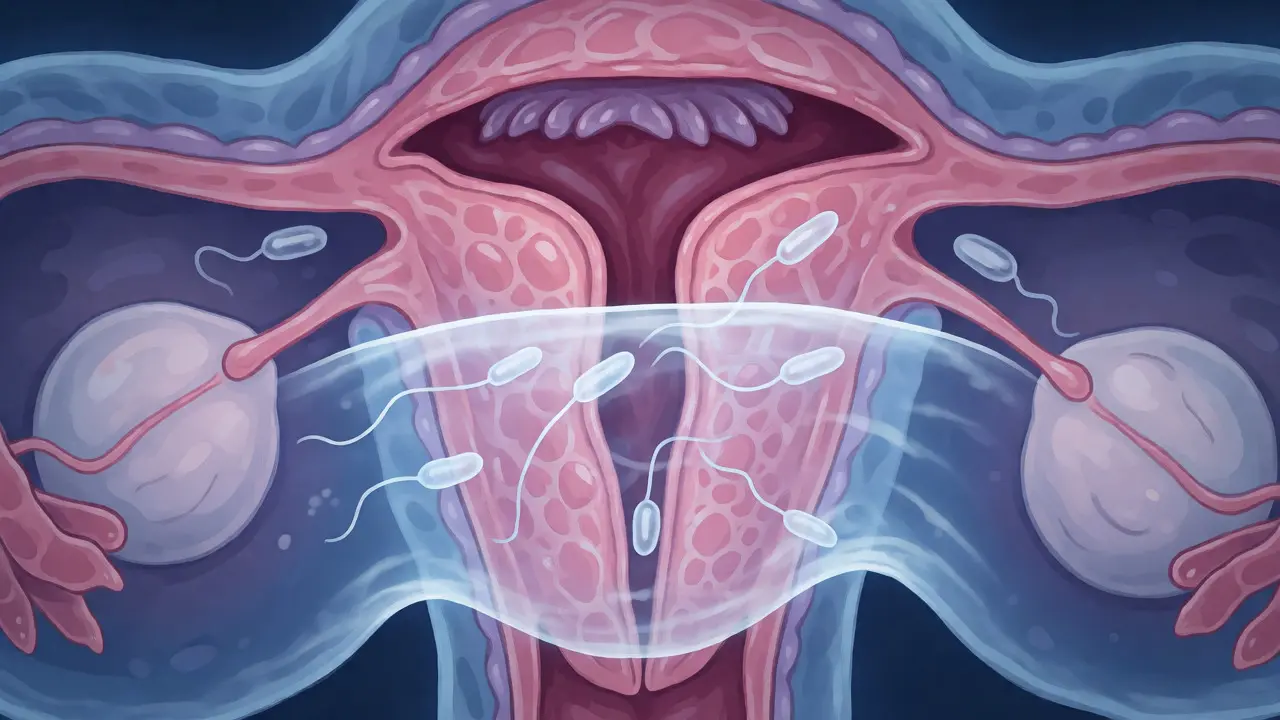
At its heart, hormonal contraception uses synthetic versions of two natural hormones: estrogen and progestin (or progestogen alone). These hormones trick your body into thinking it’s already pregnant or simply not ready to release an egg.
- Stopping Ovulation: The primary job of combined methods (estrogen + progestin) is to suppress the release of an egg from the ovaries. No egg means no fertilization.
- Thickening Cervical Mucus: Progestin makes the fluid at the entrance of the uterus thick and sticky, acting like a wall that sperm can’t easily swim through.
- Thinning the Uterine Lining: This makes it harder for a fertilized egg to implant if ovulation does happen despite the other defenses.
Think of it as changing the landscape of your reproductive system so it becomes inhospitable to conception. Whether you choose a pill or a patch, these core mechanisms remain similar, though the delivery method changes how consistent those hormone levels stay in your blood.
The Pill: Daily Routine vs. Real Life
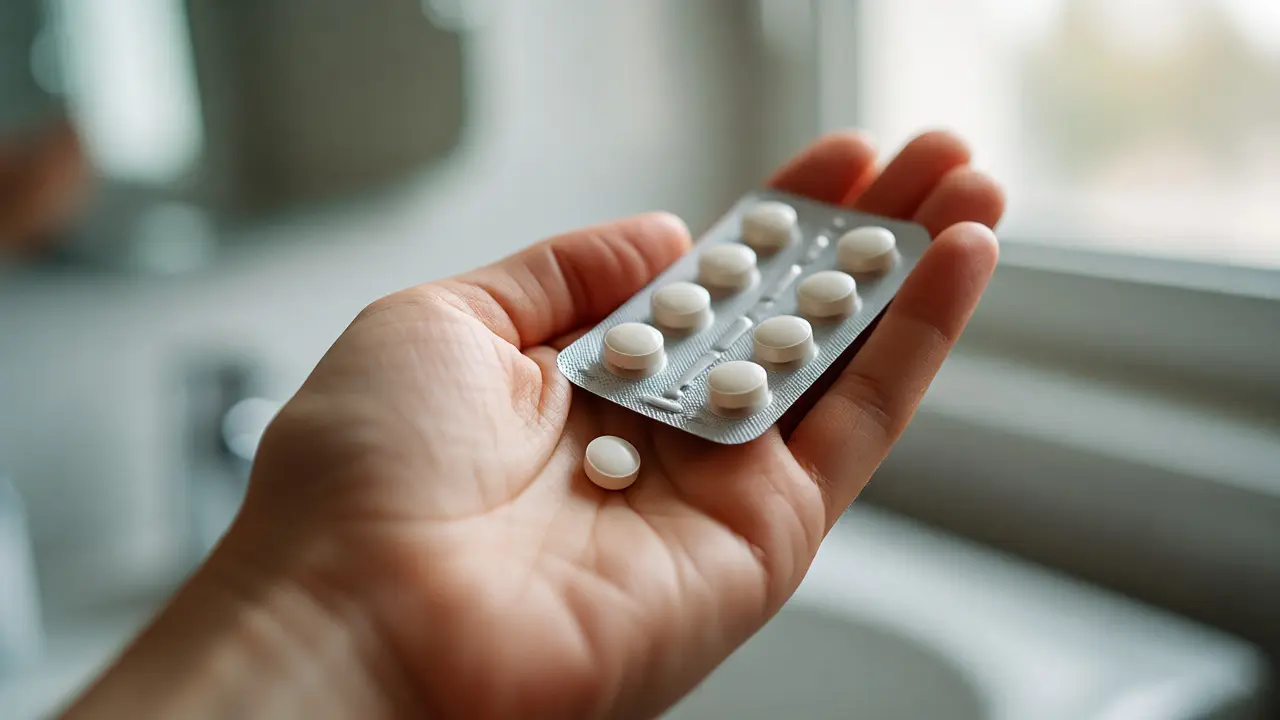
The oral contraceptive pill is the most well-known method, and for good reason. It gives you total control-you take it when you want, and stop when you don’t. But "control" also means responsibility. If you miss a dose, your protection drops significantly.
There are two main types:
- Combined Pills: Contain both estrogen and progestin. They usually come in packs of 21 active pills followed by 7 placebo pills (which often trigger a withdrawal bleed, or "period").
- Progestin-Only Pills (The Mini-Pill): Contain only progestin. These are safer for women who can’t take estrogen (e.g., smokers over 35, those with certain migraines). However, they must be taken at the exact same time every day-even a 3-hour delay can reduce effectiveness.
| Feature | Combined Pill | Progestin-Only Pill |
|---|---|---|
| Hormones | Estrogen + Progestin | Progestin Only |
| Ovulation Suppression | Yes (Highly Effective) | Inconsistent (Mainly Thickens Mucus) |
| Missed Pill Window | 12-24 hours | 3 hours |
| Typical Use Failure Rate | ~7% | ~7% |
| Best For | Regulating cycles, acne management | Breastfeeding, estrogen sensitivity |
Why do people love them? They’re reversible instantly. If you decide you want to get pregnant next month, you just stop taking them. Fertility returns quickly. Why do people hate them? Remembering to take a pill every single day is hard. Travel, stress, or a busy schedule can lead to missed doses, which is where the failure rate climbs.
The Patch: Weekly Convenience
If you struggle with daily reminders, the contraceptive patch might be your best friend. It’s a small, beige sticker you apply to your skin once a week for three weeks, then leave off for one week to have a period. It releases the same combined hormones as the pill but through your skin directly into your bloodstream.
This bypasses the digestive system, which means vomiting or diarrhea won’t affect its efficacy-a major plus for some users. Studies show that the patch delivers slightly higher steady-state hormone levels than the pill, which can be great for consistency but might increase side effects like breast tenderness for some.
Practical tips for patch users:
- Placement Matters: Apply it to clean, dry skin on your buttocks, abdomen, upper outer arm, or upper torso. Avoid areas with lotions or oils, as this can loosen the adhesive.
- Rotate Spots: Don’t put it in the exact same spot each week to avoid skin irritation.
- Check It Regularly: If the corner lifts, press it down firmly. If it falls off completely, replace it immediately and use backup protection for seven days.
The downside? Some women find it visible under clothing, and others experience more spotting between periods compared to pill users. Also, because it’s continuous for three weeks, you have less flexibility to skip periods on demand without consulting your doctor.
The Ring and The Shot: Monthly and Quarterly Options
Beyond pills and patches, there are longer-acting hormonal methods that require even less daily attention.
Vaginal Ring (NuvaRing): This is a flexible, transparent ring you insert into your vagina yourself. It stays there for three weeks, releasing low doses of estrogen and progestin. Then you remove it for one week to have a period. Because it’s local, hormone levels are lower than in the pill or patch, potentially reducing systemic side effects like nausea. Most women forget it’s even there after the first few times.
Depo-Provera Injection: This is a shot given by a healthcare provider every three months. It contains only progestin. It’s highly effective because you don’t have to remember anything except showing up for appointments. However, it’s known for causing irregular bleeding initially, which can last for several months. Weight gain is also a reported concern for some users, though studies vary on the extent of this effect.
Side Effects: What to Expect
No method is perfect, and side effects vary wildly from person to person. What causes headaches for your friend might do nothing for you. Here are the most common issues reported across hormonal methods:
- Nausea: Often mild and temporary, especially with the pill. Taking it with food or at bedtime helps.
- Breast Tenderness: Common with estrogen-containing methods. Usually subsides after 2-3 cycles.
- Mood Changes: Some women report increased anxiety or depression; others feel more stable. Track your mood for the first three months.
- Libido Fluctuations: Estrogen can boost sex drive for some, while progestin-heavy methods might dampen it for others.
- Breakthrough Bleeding: Spotting between periods is very common in the first few months as your body adjusts.
When should you worry? Look out for severe abdominal pain, chest pain, severe headaches, vision changes, or swelling in the legs. These could signal rare but serious risks like blood clots, especially in smokers over 35 using estrogen-based methods.

How to Choose: A Decision Framework
Picking the right method isn’t just about effectiveness-it’s about fit. Ask yourself these questions:
- Can I stick to a daily routine? If yes, the pill is cheap, accessible, and flexible. If no, consider the patch, ring, or injection.
- Do I have contraindications to estrogen? High blood pressure, history of blood clots, or smoking over age 35 may rule out combined methods. Stick to progestin-only options.
- Do I want to control my period timing? The pill and ring allow you to skip periods by skipping placebos or reinserting immediately. The patch and shot offer less control.
- Is discretion important? The pill and ring are discreet. The patch can be seen; the shot requires clinic visits.
Remember, you can always switch. Many women try one method, realize it doesn’t suit their body or lifestyle, and move to another. That’s normal. Keep a journal of your symptoms during the first three months of any new method to share with your doctor.
Frequently Asked Questions
Does hormonal contraception cause weight gain?
Research suggests that most modern hormonal contraceptives do not cause significant weight gain. While some users report bloating or slight increases, large-scale studies show little difference compared to non-users. Individual responses vary, so monitoring your own body is key.
Can I take antibiotics while on birth control?
Most common antibiotics (like amoxicillin) do not interfere with birth control pills. However, rifampin and rifabutin do. Always check with your pharmacist or doctor if you’re prescribed medication, and use backup protection if advised.
How soon does fertility return after stopping?
For pills, patches, and rings, fertility typically returns within a few weeks to a couple of months. For the Depo-Provera shot, it can take 6-10 months for regular ovulation to resume. Long-acting reversible contraceptives (IUDs) allow for immediate return to fertility upon removal.
Is the patch stronger than the pill?
The patch delivers slightly higher sustained hormone levels than typical low-dose pills. This can make it more effective against user error but may increase side effects like nausea or breast tenderness in some women.
Can I skip my period on the pill?
Yes, many doctors support continuous dosing (skipping the placebo week) to avoid withdrawal bleeds. This is safe for most women, though breakthrough spotting may occur initially. Consult your provider before starting a continuous regimen.
Next Steps and Troubleshooting
You’ve got the basics. Now, what do you do? Schedule a visit with your gynecologist or primary care provider. Bring a list of your medical history, including any family history of blood clots or heart disease. Be honest about your lifestyle-if you travel frequently or work night shifts, mention it. That context helps them recommend the best fit.
If you experience severe side effects in the first three months, don’t quit cold turkey without talking to your doctor. Sometimes adjusting the dosage or switching formulations solves the problem. And remember, contraception is personal. What works for your sister might not work for you. Trust your body, track your data, and keep communicating with your healthcare team.