Hormonal Breakouts in Women: Causes and Effective Treatments
 Sep, 26 2026
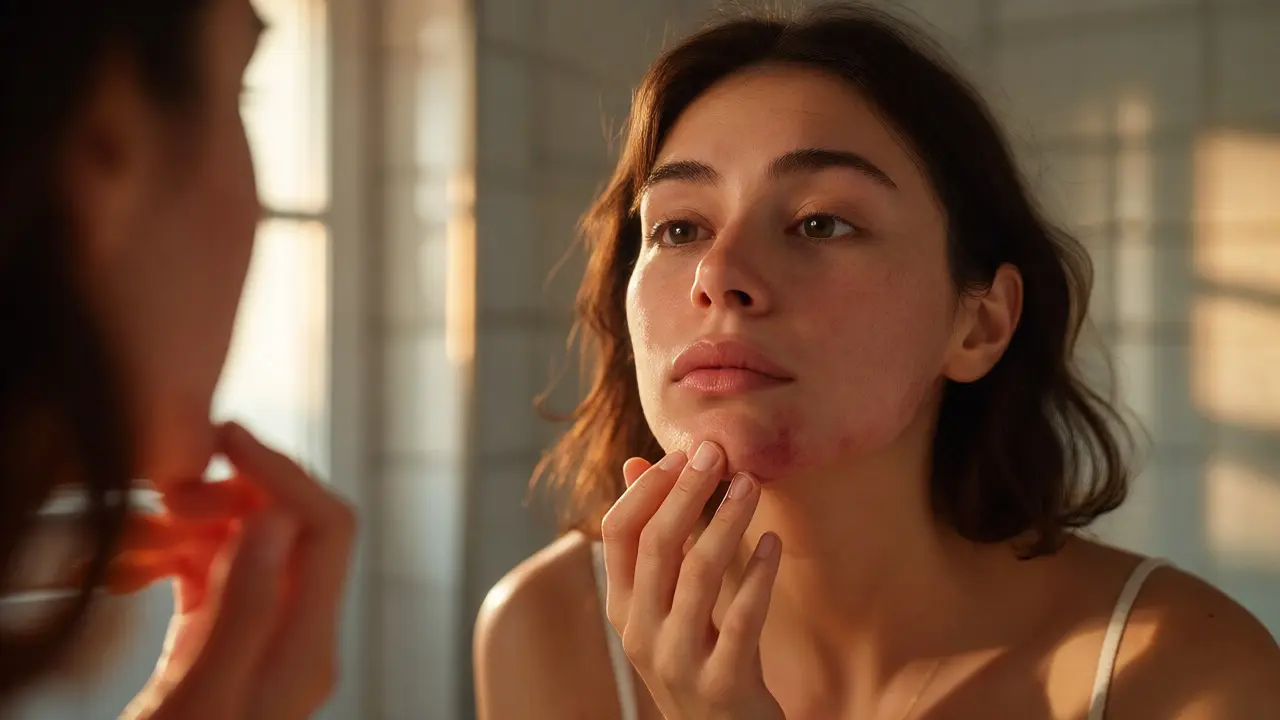
You wake up, look in the mirror, and there it is: a deep, painful cyst right on your chin or jawline. It’s not a pimple you can pop; it feels like a bruise under the skin. If this sounds familiar, you’re likely dealing with hormonal breakouts. Unlike teenage acne that might hit everywhere, these spots have a signature location and timing, often showing up right before your period or during times of high stress.
Here’s the frustrating truth: scrubbing your face harder won’t fix it. In fact, over-cleansing can make it worse by stripping your barrier. Hormonal acne is internal, driven by shifts in your body’s chemistry, not just dirt on your surface. To clear it up, you need to understand what’s happening inside your endocrine system and pair that knowledge with treatments that actually penetrate the pore.
The Quick Summary
- Location Matters: Hormonal acne typically appears on the lower third of the face (jawline, chin, neck).
- Cycle Link: Breakouts often flare 3-7 days before menstruation due to progesterone and androgen spikes.
- Treatment Combo: Topical retinoids and benzoyl peroxide are gold standards for topical care; spironolactone is common for prescription management.
- Dietary Triggers: High-glycemic foods and dairy may exacerbate inflammation for some women.
- Patience Required: Most effective treatments take 8-12 weeks to show significant results.
Why Your Jawline Is the Hotspot
Most adult women don’t get acne because their pores are clogged with teenage oil production alone. The culprit is usually a sensitivity to androgens, specifically testosterone and DHT, which are present in all women but become problematic when estrogen levels drop relative to them. This happens naturally during certain phases of your menstrual cycle, but also due to conditions like Polycystic Ovary Syndrome (PCOS) or perimenopause.
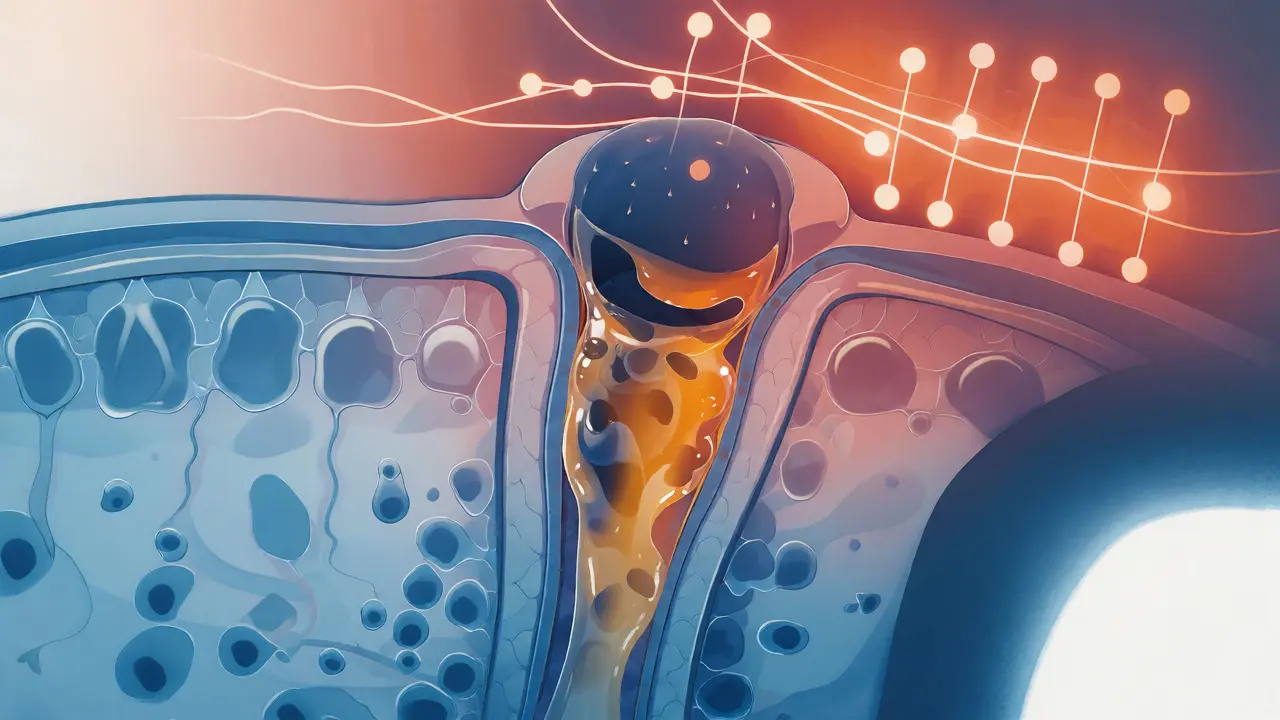
When androgen levels rise, they signal your sebaceous glands to produce more sebum. But here’s the kicker: hormonal sebum is thicker and stickier than regular sebum. It doesn’t flow out of the pore easily. Instead, it gets trapped deep within the follicle, mixing with dead skin cells and bacteria (C. acnes). Because the inflammation starts deep, the resulting lesion is often nodular or cystic-red, swollen, and tender to the touch.
Why the jawline? Research suggests that the skin on the lower face has a higher density of androgen receptors compared to the forehead or cheeks. So, when your hormones fluctuate, that specific area reacts first and most aggressively. If you notice breakouts clustering around your mouth and chin, it’s rarely a coincidence.
Decoding the Cycle: When and Why They Flare
Understanding your personal timeline is half the battle. For many women, the luteal phase-the week after ovulation and before bleeding-is the danger zone. During this time, estrogen drops while progesterone rises. Progesterone itself isn’t the enemy, but it can cause slight swelling in the pore lining, trapping oil more easily. Meanwhile, if your body converts excess progesterone into androgens, you get a double whammy of increased oil production and blocked pores.
| Feature | Hormonal Acne | Comedonal Acne | Bacterial/Fungal Acne |
|---|---|---|---|
| Primary Location | Jawline, chin, neck | Nose, forehead, cheeks | Forehead, hairline, back |
| Lesion Type | Cysts, nodules, deep bumps | Blackheads, whiteheads | Small, uniform red bumps |
| Timing | Predictable (pre-period) | Constant or product-related | Sweat/heat triggered |
| Pain Level | High (tender/deep) | Low/None | Mild itch/sensitivity |
Stress plays a huge role here too. When you’re stressed, your adrenal glands pump out cortisol. Cortisol stimulates the sebaceous glands directly, independent of your sex hormones. This is why you might get a breakout during a big work deadline even if you aren’t due for your period. It’s a physiological response to pressure, literally written on your face.
Topical Treatments That Actually Work
Since the root cause is internal, topicals can’t “cure” hormonal acne, but they can manage the symptoms effectively. You need ingredients that normalize cell turnover and reduce bacterial load without destroying your moisture barrier.
Retinoids are the heavy lifters here. Prescription tretinoin or over-the-counter adapalene works by speeding up cell turnover, preventing dead skin from sticking together and clogging pores. Start slow-two times a week-and buffer with moisturizer if you experience dryness. Consistency beats intensity every time.
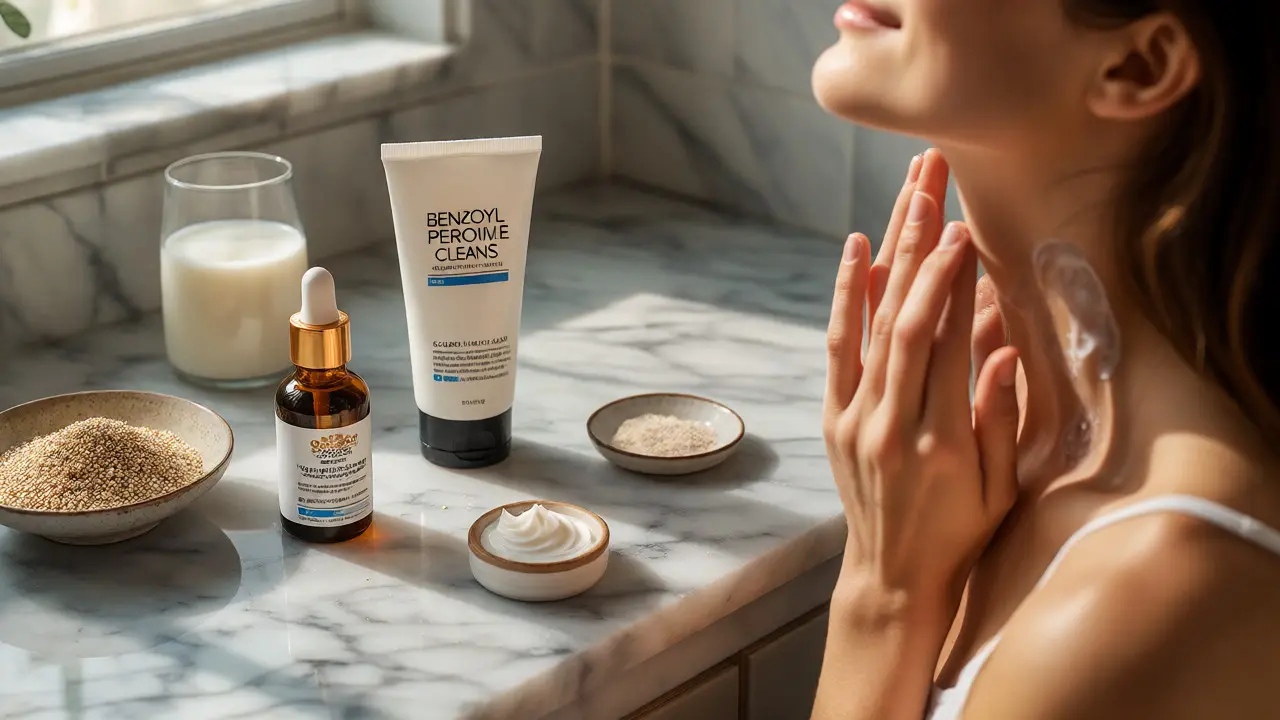
Benzoyl peroxide is another staple. It kills acne-causing bacteria and reduces inflammation. However, it can be drying. Look for wash-off formulas (like a 4% benzoyl peroxide cleanser) rather than leave-on creams if you have sensitive skin. This allows the active ingredient to work for a minute or two before being rinsed away, minimizing irritation.
Don’t overlook azelaic acid. It’s gentle, anti-inflammatory, and helps fade post-acne dark spots (hyperpigmentation), which are notorious companions of hormonal breakouts. A 10% to 20% concentration is effective and safe for long-term use, making it a great option for those who can’t tolerate strong retinoids.
Prescription Options: When Skincare Isn’t Enough
If topicals aren’t cutting it, it’s time to talk to a dermatologist about systemic treatments. These target the hormonal drivers directly.
Spironolactone is frequently prescribed off-label for women with hormonal acne. It’s an anti-androgen medication that blocks testosterone from binding to receptors in your skin, thereby reducing oil production. It takes about three months to see full benefits, so patience is key. Side effects can include frequent urination or dizziness, so hydration is important.
Oral contraceptives containing estrogen and progestin can also help regulate hormone fluctuations. Specifically, pills with drospirenone or norgestimate are often chosen for their anti-androgenic properties. Note that not all birth control pills help acne; some can actually worsen it depending on the progestin type.
For severe, scarring cases, isotretinoin (Accutane) remains the most powerful tool. It shrinks oil glands permanently for many users. While it requires strict monitoring and blood tests, it offers a potential cure rather than just management.
Lifestyle Tweaks: Diet and Stress Management
You don’t need to overhaul your life, but small adjustments can lower inflammation. There is growing evidence linking high-glycemic index foods-sugars, white bread, refined carbs-to increased insulin levels, which in turn stimulate androgen production and oil secretion. Swapping white rice for quinoa or adding protein to your snacks can stabilize blood sugar and potentially calm flares.
Dairy is another common trigger. Cow’s milk contains natural hormones and growth factors that may interact with your own endocrine system. Some women find switching to almond or oat milk reduces breakouts, though this varies individually. Keep a simple food diary for a month to spot patterns.
Finally, manage stress. Since cortisol drives oil production, activities that lower stress-yoga, walking, meditation-have tangible skin benefits. It’s not woo-woo; it’s biology. Prioritizing sleep also helps regulate cortisol and repair skin barriers overnight.
Frequently Asked Questions
How do I know if my acne is truly hormonal?
Hormonal acne typically presents as deep, painful cysts along the jawline, chin, and neck. It often follows a predictable pattern tied to your menstrual cycle, appearing 3-7 days before your period. If your breakouts are consistent in location and timing, and occur despite good hygiene, it’s likely hormonal.
Can diet really cause hormonal acne?
Yes, for some people. Foods with a high glycemic index spike insulin, which can increase androgen activity and oil production. Dairy products may also contain hormones that exacerbate acne in sensitive individuals. Tracking your diet alongside your skin changes can help identify personal triggers.
Is spironolactone safe for long-term use?
Spironolactone is generally considered safe for long-term use in women managing hormonal acne. Common side effects include fatigue, dizziness, and increased urination. Regular blood tests monitor potassium levels and kidney function. It should not be used during pregnancy as it can affect fetal development.
Why does my acne get worse when I’m stressed?
Stress triggers the release of cortisol, a hormone that stimulates sebaceous glands to produce more oil. This excess oil mixes with dead skin cells and bacteria, leading to clogged pores and inflammation. Managing stress through sleep, exercise, and mindfulness can indirectly improve skin clarity.
How long does it take to see results from hormonal acne treatment?
Most topical treatments require 8-12 weeks to show noticeable improvement because skin cell turnover cycles take time. Oral medications like spironolactone may take up to three months to reach full efficacy. Consistency is crucial; stopping early often leads to relapse.
Next Steps for Clearer Skin
Start by mapping your breakouts against your calendar for the next two cycles. Note the dates, severity, and any dietary or stress factors. Once you have this data, consult a dermatologist or esthetician to tailor a plan. If you’re using over-the-counter actives, introduce one at a time to avoid irritation. Remember, clearing hormonal acne is a marathon, not a sprint. Be kind to your skin, protect your barrier, and give your treatments time to work.