Home Fragrance for Women: Candles, Diffusers, and Safety
 Nov, 5 2026
You walk into a room, and before you even see the decor, your nose tells you everything. Is it cozy? Sterile? Overwhelming? For many women, home fragrance isn't just about masking odors; it’s a tool for mood regulation, stress relief, and defining personal space. But here’s the catch: not all scents are created equal, and not all delivery methods are safe. If you’ve ever felt a headache coming on from a "vanilla" candle or worried about leaving a flame unattended while working from home, this guide is for you.
Key Takeaways
- Safety First: Paraffin wax can release soot and volatile organic compounds (VOCs); opt for soy, beeswax, or coconut blends to minimize indoor air pollution.
- Placement Matters: Keep candles at least 12 inches away from curtains, bedding, and pets to prevent fire hazards.
- Different Tools, Different Vibes: Use reed diffusers for constant background scent and ultrasonic diffusers for humidifying aromatherapy.
- Ingredient Awareness: Look for phthalate-free labels if you have sensitivities or live with children/pets.
Why Scent Shapes Your Home Experience
Your sense of smell is wired directly to the limbic system, the part of your brain that handles emotion and memory. That’s why the smell of cinnamon might instantly make you feel festive, while lavender triggers relaxation. Home Fragrance is the practice of using scented products to influence the atmosphere and emotional tone of an indoor environment. It’s not just luxury; it’s functional design.
For women specifically, who often manage the household sensory environment, choosing the right scent is about intentionality. Do you want your living room to feel like a spa after work? Or does your kitchen need to smell fresh rather than like last night’s garlic? Understanding the psychology behind scents helps you curate a home that actually supports your mental state, rather than one that clashes with it.
Candles: The Classic Choice With Modern Caveats
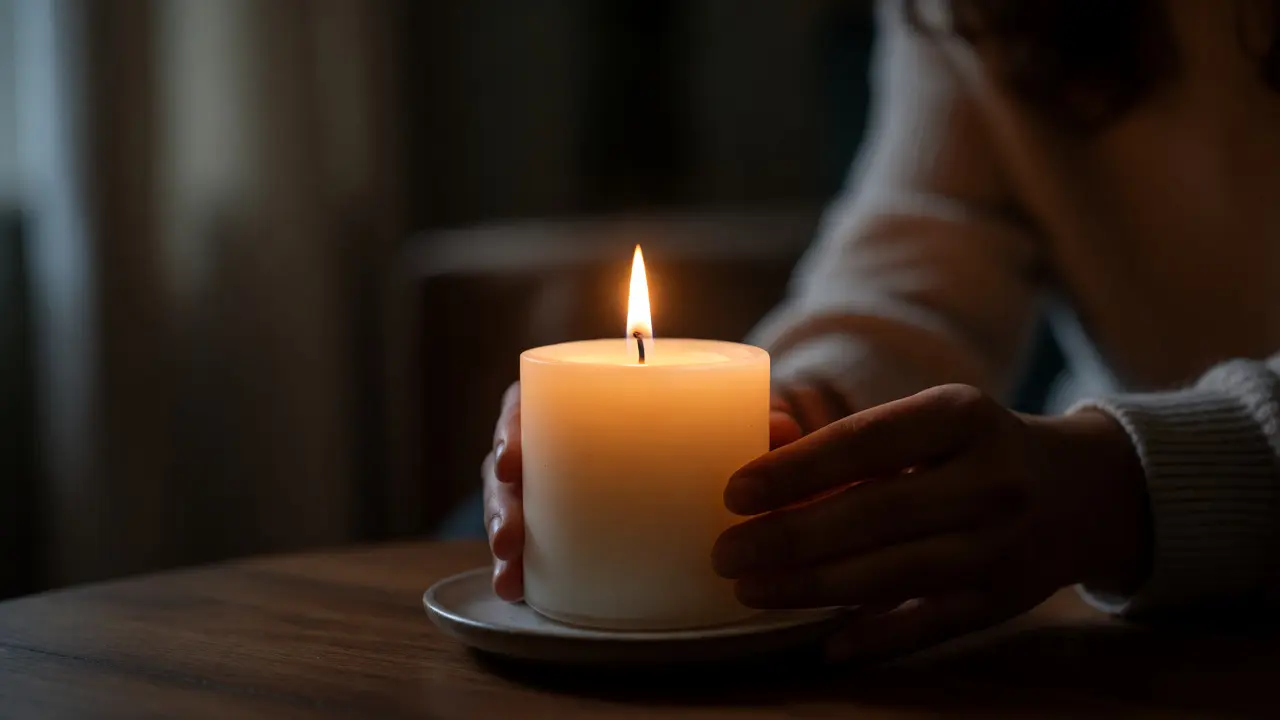
Candles remain the most popular form of home scenting because they offer visual warmth alongside olfactory pleasure. However, the market is flooded with cheap options that do more harm than good. When shopping, look beyond the pretty jar.
The wax base is critical. Traditional paraffin wax is a petroleum byproduct. While convenient, it can emit black soot and small amounts of benzene and toluene when burned. A study by South Carolina State University found that certain paraffin candles released levels of these VOCs comparable to burning a cigarette in a poorly ventilated room. This doesn’t mean every paraffin candle is toxic, but if you burn them daily, switching to natural waxes makes sense.
| Wax Type | Burn Time | Eco-Friendliness | Scent Throw |
|---|---|---|---|
| Paraffin | Short-Medium | Low (Petroleum-based) | Strong |
| Soy | Long | High (Biodegradable) | Moderate-Clean |
| Beeswax | Very Long | High (Natural) | Subtle/Natural |
| Coconut Blend | Long | High (Renewable) | Excellent |
Soy wax has gained massive popularity because it burns slower and cleaner. It’s biodegradable and renewable, making it a favorite for eco-conscious consumers. Beeswax is another powerhouse; it naturally purifies the air by releasing negative ions that bind to dust and allergens. Just be aware that beeswax has its own mild honey-like scent, which might clash with complex fragrances.
Diffusers: Flame-Free Alternatives for Busy Homes
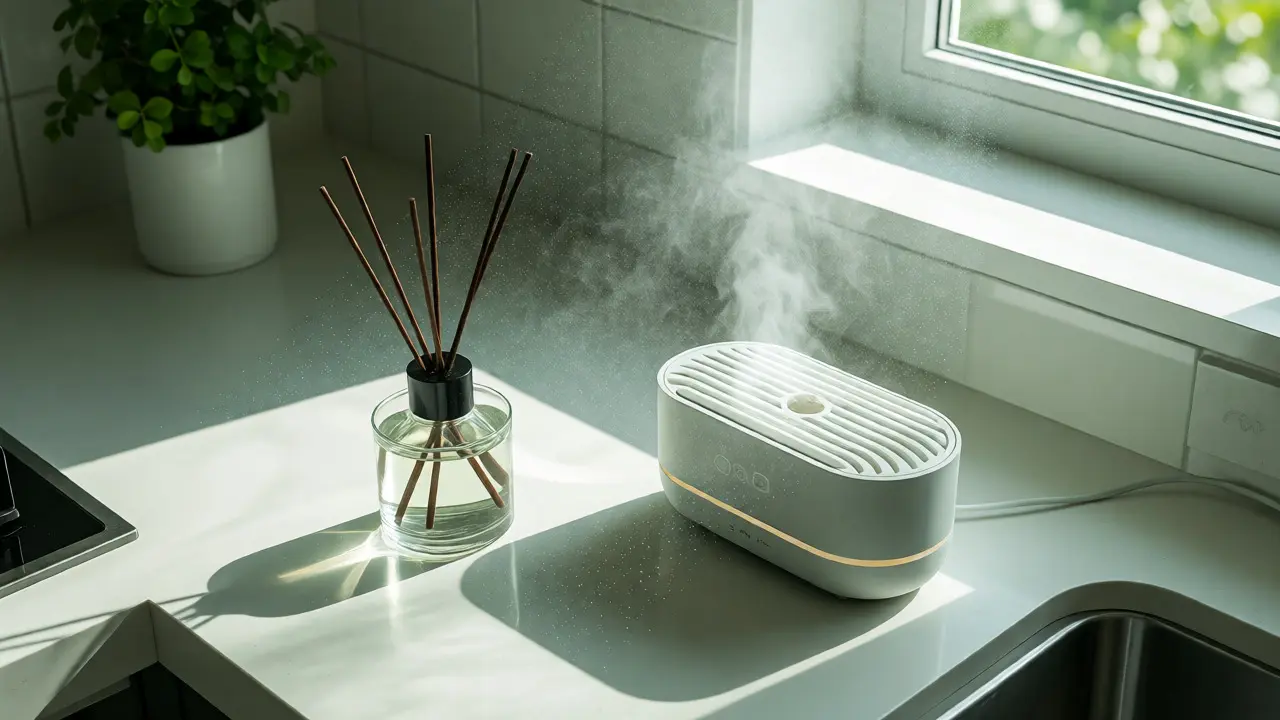
If you have young kids, curious cats, or simply forget to blow out candles, diffusers are your best friend. They disperse scent without an open flame, offering peace of mind. But not all diffusers work the same way.
Reed Diffusers are passive scenting devices that use capillary action to draw liquid fragrance up porous sticks and evaporate it into the air. They provide a steady, low-level scent that lasts weeks without electricity or maintenance. They are perfect for bathrooms, entryways, or closets where you want a subtle hint of freshness. The downside? You can’t turn them off easily unless you remove the reeds, and the scent strength depends heavily on temperature and humidity.
On the other hand, Ultrasonic Diffusers are electronic devices that use high-frequency vibrations to break essential oils into micro-particles, dispersing them as a cool mist. These add humidity to the air, which is great for dry climates like Portland winters. They allow you to control intensity and timing via timers, making them ideal for bedrooms or offices.
Then there are nebulizing diffusers. These use pressurized air to atomize pure essential oils without water. They offer the strongest scent throw and preserve the therapeutic properties of the oil better than heat-based methods. However, they are louder and consume oil faster, making them less budget-friendly for large spaces.
Essential Oil vs. Synthetic Fragrance: What’s Safer?
This is where things get tricky. Marketing terms like "natural" and "pure" aren’t strictly regulated. Many "essential oil" blends contain synthetic fillers to cut costs. Conversely, some synthetic fragrances are safer than poorly sourced naturals.
Phthalates are plasticizers often used in synthetic fragrances to make scents last longer. Research links certain phthalates to hormonal disruptions, particularly concerning for women planning pregnancy or those with endocrine issues. Always check for "phthalate-free" labeling if this is a priority for you.
Essential oils are concentrated plant extracts. While natural, they are potent. Lavender and tea tree oil, for example, have been shown in some studies to have weak estrogenic effects. This usually isn’t an issue for casual diffusion, but direct skin contact or heavy inhalation warrants caution. Also, consider your pets. Cats lack the liver enzymes to process certain compounds found in citrus, pine, and ylang-ylang oils. Diffusing these around a cat can lead to respiratory distress or liver damage over time.

Candle Safety: Avoiding Common Hazards
According to the U.S. Consumer Product Safety Commission, candles cause thousands of house fires annually. Most of these are preventable with simple habits. Here’s how to keep your home smelling good without risking disaster.
- The Two-Hour Rule: Never burn a candle for more than four hours at a time. Longer burns create a larger melt pool, which can overheat the glass container and crack it.
- Trim the Wick: Before every light, trim the wick to ¼ inch. Long wicks create tall flames, produce more soot, and increase the risk of the flame touching the side of the jar.
- Clear the Zone: Keep candles at least 12 inches away from anything flammable-curtains, books, papers, and yes, your dog’s tail.
- Use a Heat-Safe Surface: Place candles on ceramic, stone, or metal surfaces. Wood tables can discolor or warp from heat exposure.
- Never Leave Unattended: Blow out candles when you leave the room or go to sleep. Even if you’re just stepping into the next room, accidents happen fast.
Also, watch out for "tunneling." This happens when you extinguish a candle too early, leaving a ring of hard wax around the edge. To fix it, wrap foil around the top of the jar, exposing only the center, and let it burn until the entire top layer melts evenly. This resets the memory of the wax so future burns are flat.
Choosing Scents for Specific Rooms
Not every scent belongs in every room. Matching the fragrance to the function of the space enhances usability.
In the bedroom, stick to calming profiles. Lavender, chamomile, and sandalwood promote relaxation and sleep. Avoid energizing scents like peppermint or eucalyptus here, as they can stimulate alertness.
For the kitchen, choose scents that neutralize cooking odors without clashing. Citrus notes like lemon and grapefruit cut through grease smells. Herbal scents like rosemary or basil pair well with food prep areas. Vanilla can sometimes feel cloying in a kitchen unless balanced with spice.
Living rooms are versatile. Warm, inviting scents like amber, cedarwood, or vanilla bean work well for social gatherings. In spring and summer, lighter florals like jasmine or gardenia feel refreshing. During fall and winter, spicy notes like cinnamon, clove, and nutmeg create coziness.
Bathrooms benefit from clean, crisp scents. Eucalyptus mimics the spa experience. Tea tree has antibacterial associations that reinforce cleanliness. Avoid heavy musks in small, poorly ventilated bathrooms, as they can become overpowering quickly.
Next Steps: Building Your Scent Routine
Start small. Don’t buy five candles at once. Pick one scent profile you enjoy and test it in one room for a week. Note how it affects your mood and energy levels. If you have pets, research their specific sensitivities before introducing new oils. For safety, invest in a good candle snuffer instead of blowing out flames, which reduces smoke and spatter.
Consider rotating scents seasonally. Heavy spices in July might feel suffocating, while light florals in January might feel inadequate. Aligning your home fragrance with the calendar helps maintain a dynamic and engaging environment.
Are soy candles really better than paraffin?
Generally, yes. Soy wax is renewable, biodegradable, and burns cleaner with less soot than paraffin. Paraffin is a petroleum byproduct that can release higher levels of volatile organic compounds (VOCs) when burned. However, the quality of the fragrance oil matters more than the wax type alone; a high-quality paraffin candle may still perform better than a poorly made soy one.
Can I use essential oils in any diffuser?
No. Ultrasonic diffusers require dilution with water. Nebulizing diffusers use pure oils without water. Reed diffusers use specially formulated fragrance oils or diluted essential oils designed for evaporation. Putting thick, undiluted essential oils in an ultrasonic diffuser without water can damage the device, while putting water in a nebulizer won't work.
How long do reed diffusers last?
Most reed diffusers last between 4 to 8 weeks, depending on the size of the bottle, the number of reeds, and environmental factors like temperature and airflow. Higher temperatures and breezier locations speed up evaporation, shortening the lifespan. Flipping the reeds occasionally can refresh the scent throw temporarily.
Are home fragrances safe for pregnant women?
Many are, but caution is advised. Some essential oils (like rosemary, sage, and wintergreen) are recommended against during pregnancy due to potential uterine-stimulating properties. Synthetic fragrances containing phthalates should also be avoided due to potential endocrine disruption. Opt for simple, natural scents like lavender or citrus, and ensure good ventilation.
What is tunneling in candles?
Tunneling occurs when a candle burns only in the center, leaving a ring of unmelted wax around the edges. This happens if the candle is extinguished before the wax pool reaches the container's edge on the first burn. Once tunneled, the candle will continue to burn only in that hole, wasting wax. You can fix minor tunneling by wrapping foil around the rim and letting it burn until the surface is level.