Group Classes vs. Solo Training for Women: Pros and Cons
 Oct, 13 2026
You’ve finally committed to getting stronger. Maybe it’s the new year resolution that actually stuck this time, or maybe you just decided enough is enough with feeling sluggish at 3 PM. Now comes the hard part: how do you actually train? Do you sign up for a high-energy spin class where forty other women are screaming along to techno music, or do you grab your headphones, find an empty corner of the gym, and grind out reps in silence?
This isn’t just about preference; it’s about psychology, budget, and results. Both paths have massive upsides and some pretty glaring downsides. I’ve coached hundreds of women through this exact decision, and the truth is, there’s no one-size-fits-all answer. But there is a right answer for you. Let’s break down what actually happens when you choose community over solitude, and vice versa.
The Case for Group Fitness Classes
Walking into a studio filled with people who are all sweating for the same reason creates a unique chemical reaction in your brain. It’s called social facilitation, and it’s real. When others are working hard around you, you tend to work harder yourself. You don’t want to be the one slowing down while everyone else is crushing burpees.
Group exercise offers structure without decision fatigue. You show up, the instructor tells you exactly what to do, and you follow along. For beginners, this is gold. You don’t need to know how to program a leg day or calculate your max heart rate. The coach handles the science; you handle the sweat.
- Motivation: Hard to skip when friends are waiting for you.
- Accountability: Regular schedules keep you consistent.
- Community: You meet people who share your goals.
- Variety: Instructors change routines so you never get bored.
However, group classes aren’t perfect. If you’re tall, short, or have specific mobility issues, you might feel lost in a sea of bodies doing standard movements. Plus, if you’re shy, the spotlight can feel intense. And let’s be honest-some instructors speak too fast, or the music is too loud, or the vibe just doesn’t match yours. Finding the right studio takes trial and error.
The Power of Solo Training
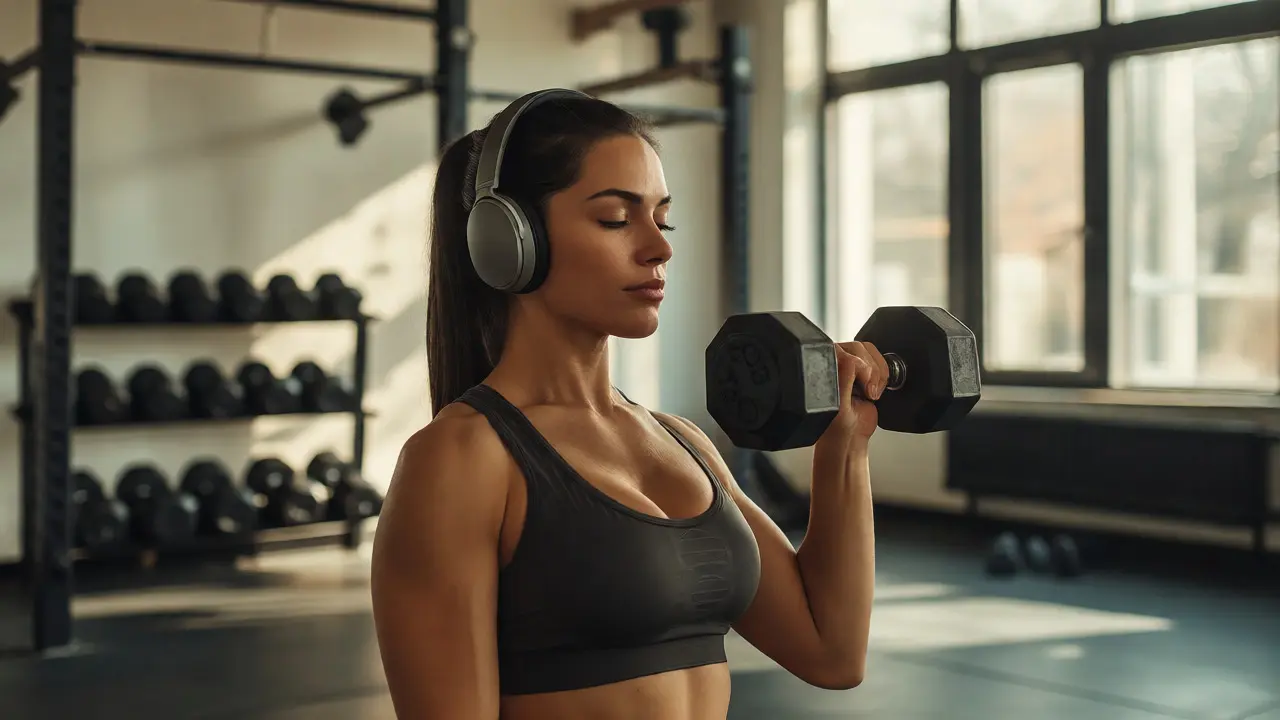
On the flip side, there’s something incredibly liberating about putting on noise-canceling headphones and owning your space. Solo training gives you total control over every variable: intensity, pace, rest periods, and exercise selection. If you need five extra minutes to stretch because your hips are tight today, you take them. No judgment, no waiting for the group to catch up.
This autonomy is crucial for advanced lifters or those with specific aesthetic goals. Want to focus heavily on glute activation before squatting? You can do that. Need to drop the weight because your form felt off last set? Easy adjustment. In a class, you’re often locked into the collective pace, which can lead to ego-lifting (lifting too heavy to keep up) or under-training (going light because you’re tired).
Solo training also fits better into chaotic schedules. Life happens. Kids get sick, meetings run long, traffic jams happen. With a solo routine, you can squeeze in a 30-minute session whenever you find a window. You don’t need to book a spot three days in advance or worry about missing a class fee.
Comparing Cost and Accessibility
Let’s talk money, because that’s usually the deciding factor. Group classes vary wildly in price. A drop-in class at a boutique studio like SoulCycle or Barry’s Bootcamp can cost $25-$40 per session. Monthly memberships range from $150 to $300+. Compare that to a basic gym membership ($10-$50/month) plus a few online programming apps ($10-$20/month), and solo training looks way cheaper upfront.
| Factor | Group Classes | Solo Training |
|---|---|---|
| Average Monthly Cost | $150 - $300 | $20 - $70 |
| Time Commitment | Fixed Schedule | Flexible |
| Personalization | Low (One size fits most) | High (Customized) |
| Social Interaction | High | Low |
| Learning Curve | Low (Guided) | Medium-High (Self-taught) |
But here’s the catch: cheap doesn’t mean effective if you never go. Many women buy annual gym memberships and use them twice. Group classes, especially with a monthly contract, force usage. The sunk cost fallacy works in your favor here-you paid for it, so you’ll probably use it.
Safety and Injury Risk
Injury risk differs significantly between these two approaches. In group settings, instructors watch form, but they can’t see everyone simultaneously. If you’re doing a complex movement like a kettlebell swing or a box jump, and you’re fatigued, you might compromise form without realizing it. The pressure to keep up can lead to rushing reps, which is a recipe for lower back strain or knee issues.
Solo training shifts the safety burden entirely onto you. If you don’t know proper technique, you’re prone to injury. This is why many women start with a hybrid approach: hire a personal trainer for 4-6 sessions to learn the basics of squats, deadlifts, and presses, then transition to solo workouts. Once you have the motor patterns down, solo lifting becomes safer and more enjoyable because you trust your body.
Also consider mental safety. Some women feel anxious in gyms due to past experiences or body image concerns. Group classes can provide a "shield" of anonymity within the crowd, whereas solo training puts you directly in front of mirrors and open spaces. Conversely, some women hate being watched by strangers during class warm-ups. Know your comfort zone.
Which One Fits Your Personality?
Be honest with yourself. Are you energized by crowds or drained by them? Extroverts often thrive in group settings-the energy feeds them. Introverts might find the noise and social demands exhausting after a long day at work. If you’re already socially drained by your job, forcing yourself into a chatty spin class might make you dread exercise rather than love it.
Consider your current fitness level. Beginners benefit immensely from the guidance of group classes. You learn cues, breathing techniques, and safe ranges of motion without having to research everything on YouTube. Advanced athletes, however, often hit plateaus in generic classes because the stimulus isn’t progressive enough. They need the specificity of solo programming to continue gaining strength or muscle mass.
What about your schedule? If you have young kids, fixed class times can be a nightmare. What if the babysitter cancels? What if the toddler has a meltdown? Solo training allows you to adapt. You can do a quick circuit at home or hit the gym during nap time. Flexibility reduces stress, and less stress means better adherence.
The Hybrid Solution: Best of Both Worlds
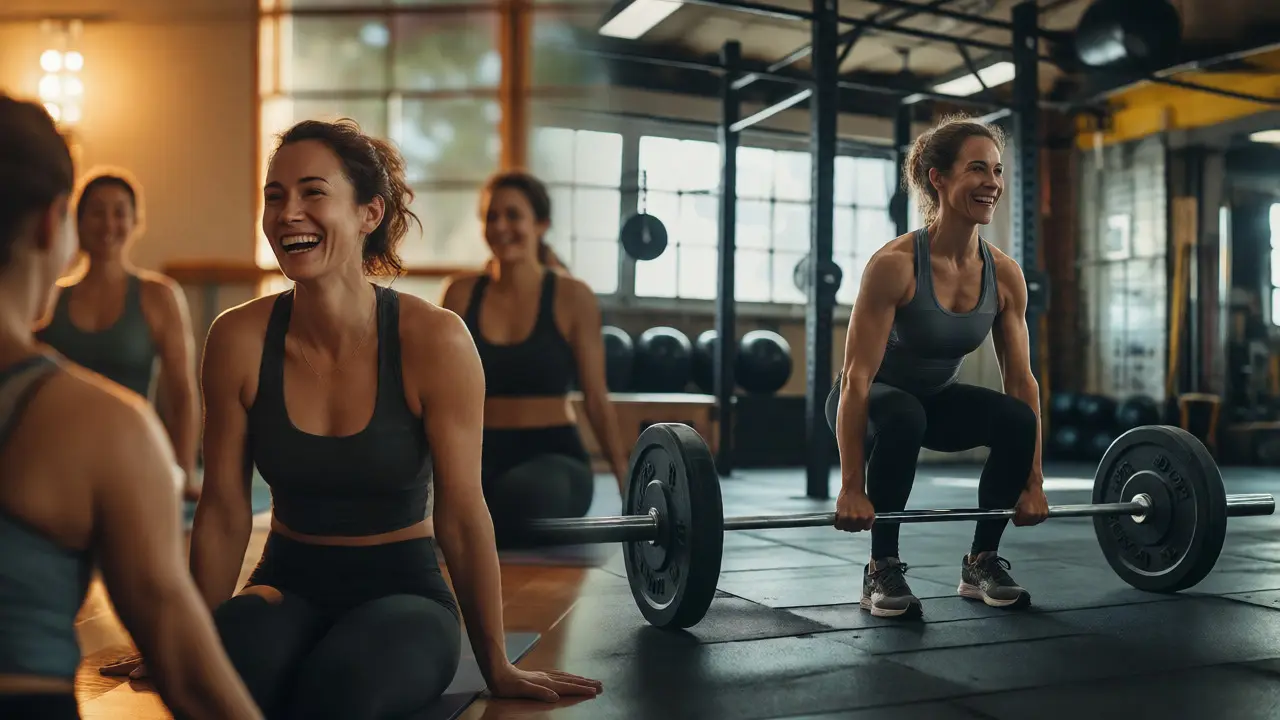
Why choose one when you can mix them? Many successful fitness plans blend both. Try attending one or two group classes per week for variety, cardio, and community connection. Then, fill the rest of your week with solo strength training sessions focused on your specific goals.
For example, you might do a high-intensity interval training (HIIT) class on Tuesday for the adrenaline rush and social boost. Then, you head to the free weights area on Thursday for a focused upper-body push/pull session. This keeps boredom at bay and ensures you’re getting both cardiovascular health and muscular development.
Another hybrid option: use online coaching platforms. Services like Trainerize or JuggernautAI give you personalized solo programs but include video check-ins with coaches. You get the customization of solo training with the accountability of professional oversight, minus the high cost of in-person trainers.
How to Start Without Overwhelm
If you’re paralyzed by choice, start small. Don’t commit to a six-month contract immediately. Here’s a practical roadmap:
- Trial Week: Take one drop-in class at a local studio. Notice how you feel afterward. Energized? Drained? Confused? Comfortable?
- Gym Visit: Go to a standard gym during off-peak hours. Try three basic exercises (goblet squat, push-up, row). Did you enjoy the solitude? Did you feel intimidated?
- Reflect: Which experience made you want to go back tomorrow?
- Commit Small: Buy a 10-class pack or a month-to-month gym pass. Test drive for 30 days.
Remember, consistency beats perfection. The best workout is the one you actually do. If group classes make you happy, stick with them even if they aren’t "optimal" for hypertrophy. If solo training feels lonely, invite a friend to join your walks or home workouts.
Is group training better for weight loss?
Not necessarily. Weight loss depends on calorie deficit, not the format. However, group classes often burn more calories per session due to higher intensity and continuous movement, making them easier for some people to sustain consistently.
Can I build muscle with only group classes?
Yes, especially for beginners. Classes like Pilates, Barre, and Strength circuits can build lean muscle tone. However, for significant muscle growth (hypertrophy), you eventually need progressive overload, which is easier to manage with solo weight training.
What if I feel self-conscious in group classes?
This is common. Look for studios marketed as "judgment-free zones" or try smaller class sizes (under 10 people). Arriving early helps you acclimate to the room. Remember, everyone is focused on their own effort, not judging yours.
Do I need a personal trainer if I train solo?
Initially, yes. Even 2-3 sessions can teach you proper form for major lifts, reducing injury risk. After that, you can use apps or online resources for programming, checking in with a trainer periodically for form audits.
Which is better for busy moms?
Solo training usually wins for flexibility. Fixed class times conflict with childcare schedules. However, some gyms offer childcare, making group classes viable. Assess your reliable support system before committing to fixed slots.