Green Flags in Relationships: Positive Signs Women Should Seek
 Feb, 1 2026
When you’re dating, it’s easy to focus on red flags-people who cancel plans last minute, ghost you, or make you feel small. But what about the green flags? Those quiet, consistent signs that someone is genuinely good for you? Women are often taught to look for warning signs, but rarely told what real, healthy behavior looks like. The truth is, the best relationships don’t scream love-they whisper it, day after day.
They Respect Your Boundaries Without Being Asked
Imagine telling someone you need a night to yourself after a long week. A red flag might be guilt-tripping you: "You never want to spend time with me." A green flag? They say, "Of course. Go recharge. I’ll check in tomorrow if you want." No drama. No pressure. Just respect. This isn’t about being perfect-it’s about consistency. Someone who honors your space, your "no," and your limits without needing a lecture is showing emotional maturity. It’s not a grand gesture. It’s a daily choice.
They Own Their Mistakes
No one is flawless. But how someone handles their screw-ups tells you everything. Do they deflect? Blame you? Say "I’m sorry you felt that way" instead of "I’m sorry I hurt you"? That’s not accountability. A green flag is when they say, "You’re right. I was wrong. Here’s how I’ll do better." And then they actually change. I’ve seen women stay in relationships for years because their partner "apologized"-but never adjusted. Real change doesn’t come from words. It comes from actions repeated over time. If someone owns their part in a conflict, listens without getting defensive, and adjusts their behavior? That’s rare. And valuable.
They Celebrate Your Wins-Even the Small Ones
Did you finally finish that book you’ve been reading for six months? Did you get the coffee order right on the first try? Did you laugh so hard you snorted? A partner who notices these things? That’s a green flag. Not because they’re trying to be sweet. But because they see you. Not as a project, not as a future wife, not as someone to fix. As a person. I once dated someone who remembered I hated cilantro. Not because I told them once. But because they paid attention. A year later, they still asked if I wanted it on my taco. That’s not romance. That’s care.
They’re Curious About Your Life, Not Just Your Feelings
Healthy relationships aren’t emotional therapy sessions. They’re shared lives. A green flag is when your partner asks, "What was your day like?" and actually waits for the answer. Not just "How are you feeling?"-which can feel like pressure to perform emotional labor-but "What did you do at work? Who did you talk to? What made you smile?" They want to know your world. They ask about your coworkers, your childhood memories, your weird hobbies. They don’t try to fix or analyze. They just listen. That’s how trust grows-not through deep talks about trauma, but through tiny, ordinary moments of connection.
They Don’t Try to Fix You
One of the biggest myths about love is that it’s about healing each other. It’s not. Love is about accepting each other as you are. A green flag is when someone says, "I love you the way you are," and means it. Not "I love you, but if you just stopped being so sensitive…" or "You’d be so much happier if you changed X." Real love doesn’t come with conditions. I’ve known women who dated partners who "helped" them lose weight, quit their jobs, or stop hanging out with friends. That’s not support. That’s control dressed up as care. A partner who encourages you to grow-without trying to reshape you-is a gift.

They Make You Feel Safe, Not Just Excited
Passion is loud. Safety is quiet. The green flag isn’t the person who sweeps you off your feet. It’s the one who lets you cry in the car without saying a word. The one who doesn’t panic when you’re quiet. The one who doesn’t need to be the center of your attention. Emotional safety means you don’t have to perform. You don’t have to be funny, charming, or perfect. You can be tired. You can be messy. You can be unsure. And they’re still there. That kind of security doesn’t come from grand promises. It comes from showing up-again and again-when nothing’s glamorous.
They Include You in Their Life, Not Just Their Plans
Do they introduce you to their friends? Do they talk about their family? Do they tell you about their struggles at work, or how they’re feeling about their dad’s health? A green flag is when you’re not just a date-you’re part of their world. Not because they’re trying to impress you. But because they trust you. I’ve seen women date men who kept their lives completely separate: no friends, no family updates, no inside jokes. They treated relationships like hotel stays. The opposite? Someone who shares their life, even the messy parts, because they want you to know who they really are.
They Don’t Need You to Complete Them
A healthy partner doesn’t look at you and say, "You’re the one who makes me happy." They say, "I’m happy with you." There’s a difference. One is dependency. The other is choice. Someone who has their own hobbies, their own friends, their own goals? That’s a green flag. They don’t need you to fill a void. They don’t get jealous because you hang out with your sister. They don’t shut down when you travel alone. They’re secure enough to love you without losing themselves. That’s the kind of love that lasts.
They Show Up-Even When It’s Hard
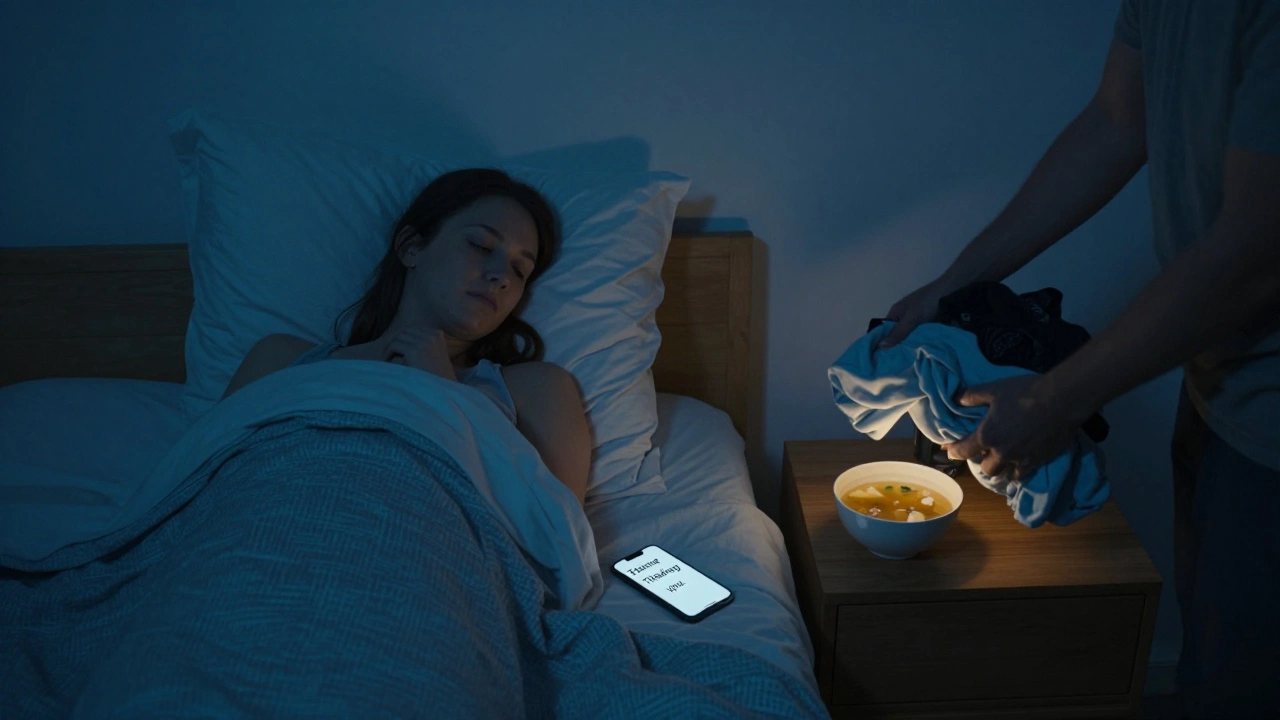
Love isn’t about fireworks. It’s about showing up when the power’s out. When you’re sick. When you’re stressed. When you’re not your best self. I had a friend who dated a guy who showed up with soup and a blanket when she had the flu. No fanfare. No Instagram post. Just a quiet, "I’m here." That’s more romantic than any candlelit dinner. Green flags aren’t flashy. They’re quiet. They’re in the laundry you forgot to do. The text that says, "Thinking of you," at 2 a.m. The way they remember your coffee order after six months. These aren’t lucky breaks. They’re choices. And they matter more than any grand declaration.
They Don’t Play Games
Do they play hot and cold? Do they make you guess if they’re interested? Do they use silence as punishment? That’s not chemistry. That’s manipulation. A green flag is someone who says what they mean. If they’re not feeling it, they say so. If they’re busy, they tell you. If they want to see you, they ask. No mind games. No testing you. No waiting three days to text back. Clear communication isn’t sexy in movies. But in real life? It’s everything.
They Value Your Voice
Do you feel like your opinions matter? Not just about where to eat, but about how you feel, what you believe, what you want from life? A green flag is when they don’t dismiss your thoughts-even if they disagree. They might say, "I see it differently," but they don’t shut you down. They ask questions. They listen. They don’t need to win the argument. They care more about understanding you than being right. That’s emotional intelligence in action.
They’re Kind to Everyone
How someone treats the barista, the waiter, the delivery driver, the stranger on the bus tells you more than how they treat you. Kindness isn’t performative. It’s consistent. I’ve known women who dated men who were sweet to them but rude to service workers. Those men didn’t change. They just hid it. Real kindness isn’t selective. It’s not about who’s useful. It’s about who they are. If someone is patient with people who can’t help them? That’s a sign of character.
What’s the difference between a green flag and a red flag?
A red flag is a behavior that signals potential harm-like disrespect, manipulation, or inconsistency. A green flag is a behavior that signals safety, respect, and emotional maturity. Red flags are loud and dramatic. Green flags are quiet and steady. You don’t need to wait for a crisis to spot a green flag-you see it in everyday actions: how someone listens, how they handle conflict, how they treat people who can’t do anything for them.
Can green flags turn into red flags over time?
Yes. People change. A green flag isn’t a guarantee-it’s a pattern. If someone who used to respect your boundaries starts ignoring them, or who used to be kind becomes dismissive, that’s a shift. The key is consistency. One mistake doesn’t erase a history of good behavior. But repeated changes in behavior? That’s a warning. Pay attention to trends, not exceptions.
I’ve only ever dated people with red flags. How do I recognize green flags now?
Start by noticing small moments. When someone listens without interrupting. When they say "thank you" to a stranger. When they don’t get upset if you say no. Write down three things that made you feel safe or respected this week. That’s your new baseline. You’re retraining your brain to see what healthy looks like. It might feel boring at first. That’s okay. Healthy love doesn’t feel like fireworks. It feels like coming home.
Are green flags different for women than for men?
The core green flags are the same for everyone: respect, consistency, kindness, emotional honesty. But women often face different pressures-like being expected to be nurturing, forgiving, or accommodating. So green flags for women often include someone who doesn’t take emotional labor for granted, who doesn’t dismiss their concerns, and who shares the mental load. It’s not about gender-it’s about equity.
How long should I wait to see green flags?
You don’t need to wait months. Green flags show up in the first few weeks. Look for how they handle small things: punctuality, communication, how they talk about past relationships, how they respond to your needs. If you’re still wondering after three months, that’s a red flag. Real compatibility shows up early. You don’t need to wait for a "perfect" moment. Look for consistent patterns, not perfect moments.
What Comes Next
If you’ve been chasing romance that feels like a rollercoaster, it’s time to reset your expectations. Green flags aren’t about finding someone perfect. They’re about finding someone who shows up. Someone who doesn’t make you feel like you have to earn love. Someone who loves you when you’re tired, messy, or quiet. That’s the kind of relationship that lasts. And it’s worth waiting for.
Start paying attention. Not to the grand gestures. But to the small, quiet ones. The texts that say "I’m thinking of you." The way they hold the door. The fact that they remember your coffee order. Those aren’t accidents. They’re choices. And they matter more than any love song ever could.