Global Cuisine at Home: Cook Like a Local, Woman Edition
 Aug, 17 2026
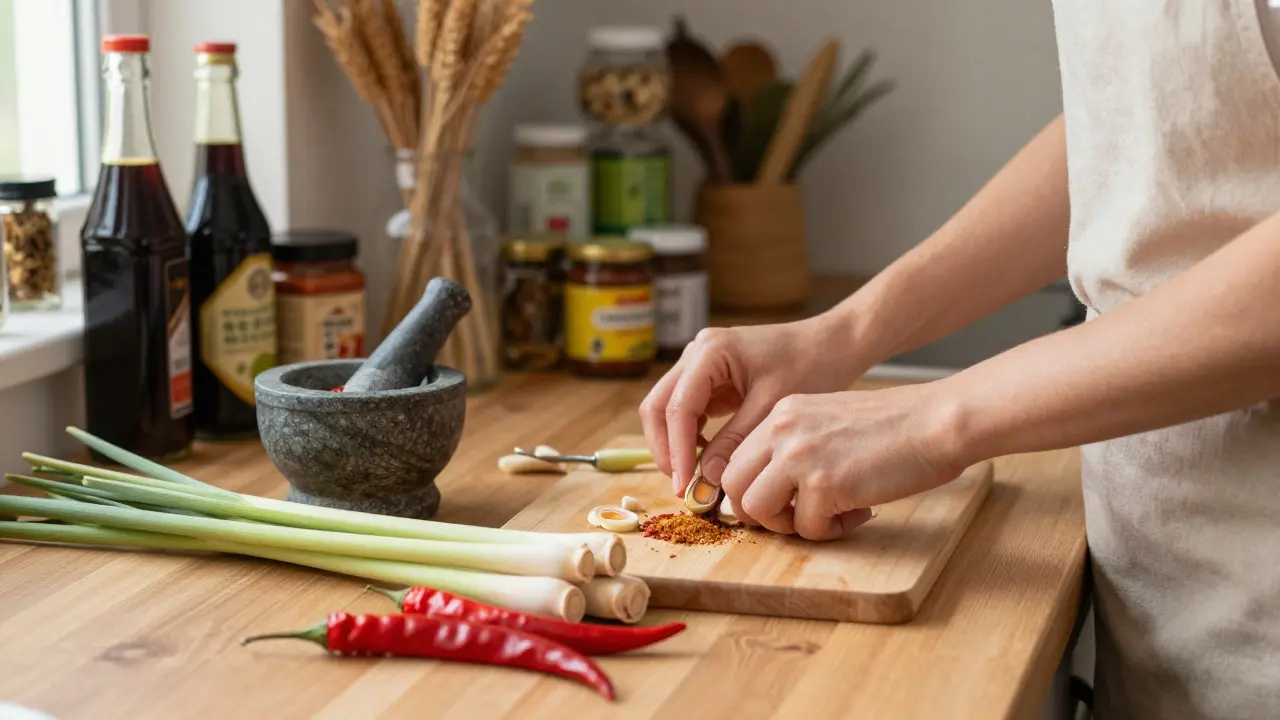
There is something deeply satisfying about standing in your own kitchen and recreating a dish you fell in love with on a trip to Bangkok or a street corner in Mexico City. You don't need a culinary degree or a professional-grade range to do it. You just need the right ingredients, a bit of confidence, and a willingness to embrace the chaos that comes with balancing multiple flavors at once. For many women, cooking has evolved from a chore into a form of self-expression and cultural connection. It’s about telling a story through taste.
The goal here isn't perfection. It’s authenticity. When we talk about global cuisine, we are talking about the specific techniques, spice blends, and ingredient pairings that define a region. This guide breaks down how to bring that energy into your home kitchen without feeling overwhelmed. We will look at practical strategies for sourcing ingredients, mastering basic techniques, and adapting recipes to fit modern lifestyles.
Understanding the Core of Authentic Flavors
To cook like a local, you have to understand what makes a dish tick. It’s rarely just one ingredient; it’s the balance. In Japanese cooking, for example, the concept of umami is central. It’s not just about salt; it’s about depth. A simple miso soup gets its complexity from the interaction between dashi (made from kombu seaweed and katsuobushi fish flakes) and white miso paste. If you skip the dashi and just use water, you lose half the soul of the dish.
In Mexican cuisine, the foundation is often the mole. Mole is not a single sauce but a family of complex sauces made by grinding dozens of ingredients together, including dried chilies, chocolate, spices, and nuts. The process takes time, but the result is a flavor profile that is both sweet, spicy, and savory all at once. Understanding these foundational elements helps you move beyond generic "ethnic" labels and start appreciating the specific regional traditions.
Sourcing Ingredients Without a Grocery Store Hunt
One of the biggest barriers to cooking international food at home is finding the right ingredients. You don’t need to live in a city with an Asian supermarket to make great Thai curry. Here are some practical tips for sourcing:
- Substitutions work well: If you can’t find lemongrass, try using lime zest and a pinch of ginger. It won’t be identical, but it captures the citrusy brightness.
- Freeze what you can: Herbs like cilantro, basil, and mint freeze beautifully in ice cube trays with a little oil. This saves you from buying fresh bunches that wilt before you use them.
- Check the back of the shelf: Many mainstream grocery stores now carry global staples like coconut milk, soy sauce, rice vinegar, and various types of noodles. Look for brands that list short ingredient lists.
- Online retailers: For niche items like specific dried chilies or rare spices, online specialty food stores are reliable. Just check shipping times if you’re planning a dinner party.
Building a pantry of versatile global staples is a smart investment. Items like high-quality olive oil, extra-virgin olive oil, tamari, coconut aminos, and various vinegars can serve as bases for dozens of different cuisines. Once you have these core items, adding new dishes becomes much easier because you’re not starting from scratch every time.
Techniques That Elevate Your Cooking
Ingredients get you 80% of the way there, but technique is the other 20%. And honestly, that 20% is where the magic happens. Let’s look at three techniques that apply across many global cuisines.
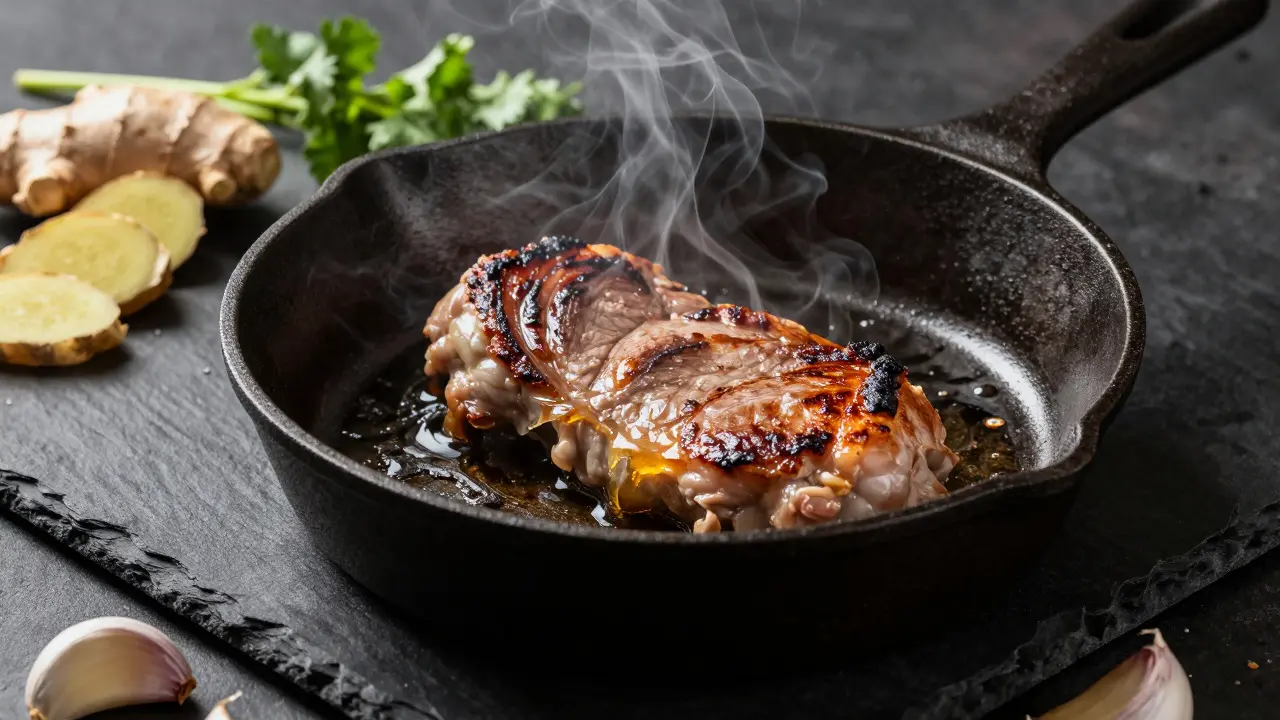
- High-Heat Searing: Whether you’re making a Korean bibimbap or a French steak frites, getting your pan hot enough matters. A cold pan steams the food instead of browning it. Wait until you see a wisp of smoke before adding your protein or vegetables.
- Emulsification: Making a good vinaigrette or a creamy salad dressing is about emulsifying fat and acid. Whisk vigorously while slowly adding oil. This creates a stable mixture that coats every leaf evenly. This technique is crucial in Mediterranean and Middle Eastern salads.
- Resting Meat: After cooking beef, pork, or poultry, let it rest for five to ten minutes. This allows the juices to redistribute throughout the meat rather than spilling out when you cut into it. It’s a small step that makes a huge difference in texture.
Practice these techniques with simple proteins first. A chicken breast seared properly and rested is a canvas for any global sauce. You can top it with a Thai peanut sauce, a Moroccan harissa glaze, or a Peruvian chimichurri. The base skill remains the same; only the seasoning changes.
Adapting Recipes for Modern Lifestyles
We live fast-paced lives. Traditional recipes often assume you have hours to prep. Here is how to adapt global dishes for busy schedules without sacrificing quality.
Batch cooking is your best friend. Make a large pot of Indian dal or a Chinese congee on Sunday. These dishes actually taste better the next day as the flavors meld. Freeze portions in individual containers for quick weeknight meals. Similarly, pre-chop vegetables for stir-fries and store them in airtight containers in the fridge. They stay crisp for up to four days.
Also, don’t be afraid to scale down. A recipe for eight people might seem intimidating. Cut the quantities in half or even quarter. Use smaller pots and pans. This reduces cleanup time and minimizes waste. It also lowers the psychological barrier to trying a new cuisine. If you fail, you haven’t wasted an entire week’s worth of groceries.
Comparison of Global Flavor Profiles
Understanding how different regions approach flavor helps you make informed choices when experimenting. Here is a quick comparison of three distinct culinary traditions:
| Cuisine | Primary Heat Source | Key Acidic Element | Common Aromatic Base | Typical Protein |
|---|---|---|---|---|
| Thai | Fresh Chilies | Lime Juice | Ginger, Lemongrass, Galangal | Shrimp, Chicken |
| Mexican | Dried Chilies | Tomato, Lime | Onion, Garlic, Cumin | Pork, Beef, Beans |
| Japanese | None (Umami focus) | Rice Vinegar, Mirin | Garlic, Ginger, Green Onion | Fish, Tofu |
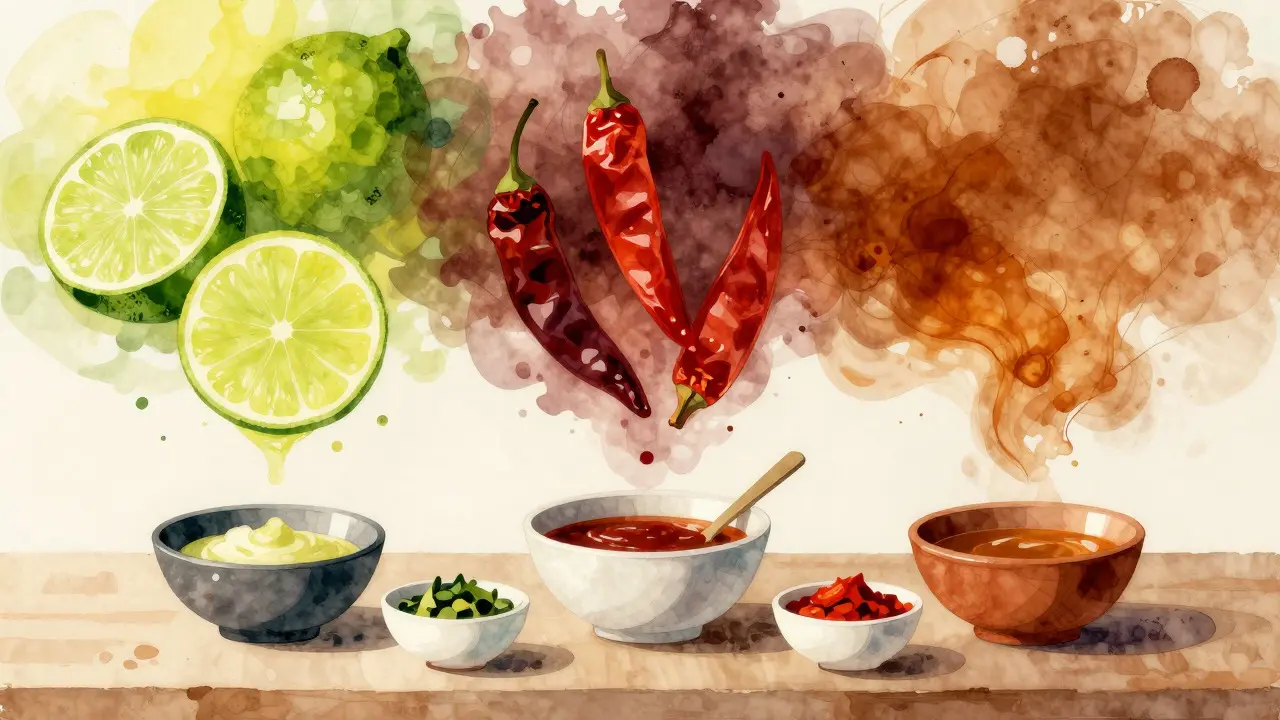
This table highlights that heat doesn’t always come from capsaicin. In Japanese cooking, the "heat" is often perceived as intensity or richness, derived from fermented pastes and broths. In Thai cooking, the heat is sharp and immediate, balanced by sweetness and acidity. In Mexican cooking, the heat is smoky and layered, built over time in slow-cooked sauces.
Common Pitfalls to Avoid
Even experienced cooks make mistakes when venturing into unfamiliar territory. Here are a few common traps and how to avoid them.
- Over-salting: Many global sauces already contain salted ingredients like soy sauce, fish sauce, or olives. Taste as you go. Add salt last, if at all.
- Using low-quality oils: For high-heat frying, use oils with a high smoke point like avocado oil or refined peanut oil. Olive oil is great for finishing or low-heat sautéing, but it burns easily at high temperatures.
- Ignoring freshness: Herbs and aromatics lose their potency quickly. Buy small amounts frequently. If you buy a whole head of garlic, store it in a cool, dry place away from direct sunlight.
Another pitfall is trying to do too much at once. Pick one cuisine to explore per month. Learn its basics, master two or three dishes, and then move on. Depth beats breadth when you are learning. You will gain more confidence and skill by perfecting a single pasta carbonara than by attempting five different noodle dishes in one weekend.
FAQs About Cooking Global Cuisine at Home
Do I need special equipment to cook international food?
Not really. A sharp knife, a sturdy cutting board, a large skillet, and a pot are sufficient for most recipes. While tools like a mortar and pestle or a wok are helpful, they are not strictly necessary. You can achieve similar results with a blender or a heavy-bottomed pan.
How can I make spicy food less spicy for my family?
Add dairy, such as yogurt or cream, which contains casein to neutralize capsaicin. You can also increase the amount of sweet or acidic ingredients to balance the heat. Alternatively, remove the seeds and membranes from fresh chilies before cooking, as that is where most of the heat resides.
Where can I find authentic recipes online?
Look for blogs run by chefs or home cooks from the specific region you are interested in. YouTube channels featuring native speakers explaining their family recipes are also excellent resources. Pay attention to comments sections for real-world feedback on difficulty and taste.
Is it okay to mix cuisines in one dish?
Absolutely. Fusion cooking is a valid creative outlet. However, ensure the flavors complement each other. For example, combining Japanese umami with Mexican cumin works well, but mixing delicate French herbs with heavy Indian spices might clash. Start with subtle combinations before attempting bold fusions.
How long does it take to learn a new cuisine?
It depends on your definition of "learn." To make a decent version of a dish, you might need one or two attempts. To feel confident and consistent, aim for five to ten preparations. Repetition builds muscle memory and intuition for timing and seasoning.