Girls' Education in 2026: Access, Setbacks, and Tech Innovations
 Aug, 17 2026
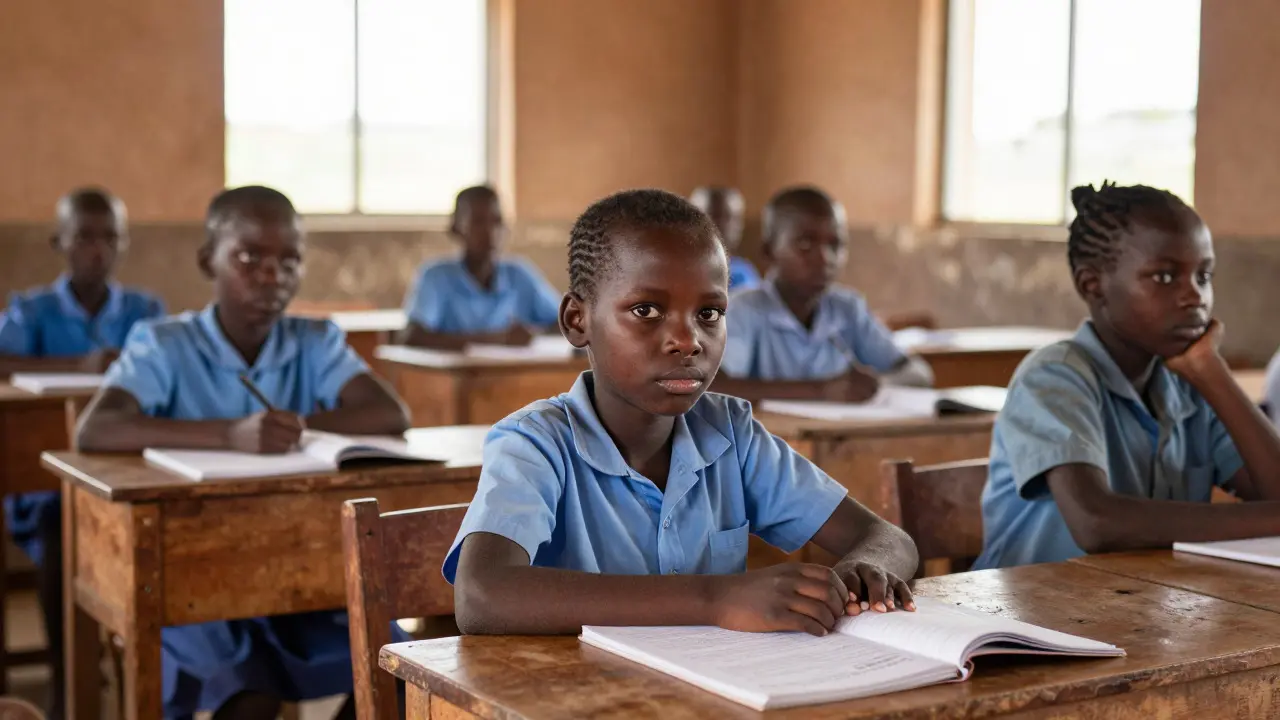
Imagine a classroom where half the students are missing. That is the reality for millions of girls around the world right now. While we often talk about education as a universal right, the ground truth is far messier. In some regions, a girl’s chance to learn depends on her family’s wealth, local conflict, or even the weather. But it isn’t all bad news. New technologies and community-driven programs are changing the game. This article breaks down the current state of girls education, looking at where we stand, what’s holding us back, and the creative solutions popping up in 2026.
The Current Landscape: Where We Stand
To understand the problem, we need hard numbers. According to recent data from UNESCO, approximately 129 million children are out of school globally. Of that number, nearly 70% are girls. This isn't just a statistic; it represents lost potential, delayed economic growth, and health risks. In high-income countries like those in Northern Europe, access is near-universal. But in Sub-Saharan Africa and South Asia, barriers remain significant. The gap isn't just about getting into school; it's about staying. Many girls drop out after primary school because secondary schools are farther away or lack safe sanitation facilities. When you look at the map, the pattern is clear: poverty and conflict go hand-in-hand with low enrollment rates for girls.
Why Girls Drop Out: The Hidden Barriers
It’s easy to blame "culture" or "tradition," but the reasons are usually more practical and immediate. Let’s look at three major hurdles that keep girls home.
- Economic Pressure: In many developing economies, families have limited resources. If they can only afford to send one child to school, boys are often prioritized because they are seen as future breadwinners. Girls might be pulled out to work in agriculture or care for younger siblings.
- Safety and Sanitation: A shocking number of girls stop attending school during puberty simply because there are no private toilets or clean water at the school. Without basic hygiene facilities, the risk of illness or social stigma becomes too high.
- Conflict and Displacement: War zones devastate education infrastructure. When families flee their homes, girls are disproportionately affected. They are less likely to be enrolled in temporary shelters than boys, who might be sent to work to support the family income.
These aren't abstract issues. They are daily decisions made by parents trying to survive. Understanding this helps us see that the solution isn't just building more schools; it's making those schools worth the cost and effort for the whole family.
Innovations Changing the Game
If the problems are structural, the solutions have to be innovative. Here is where things get interesting. We are seeing a shift from traditional aid models to tech-enabled and community-led approaches.
Digital Learning in Low-Resource Areas
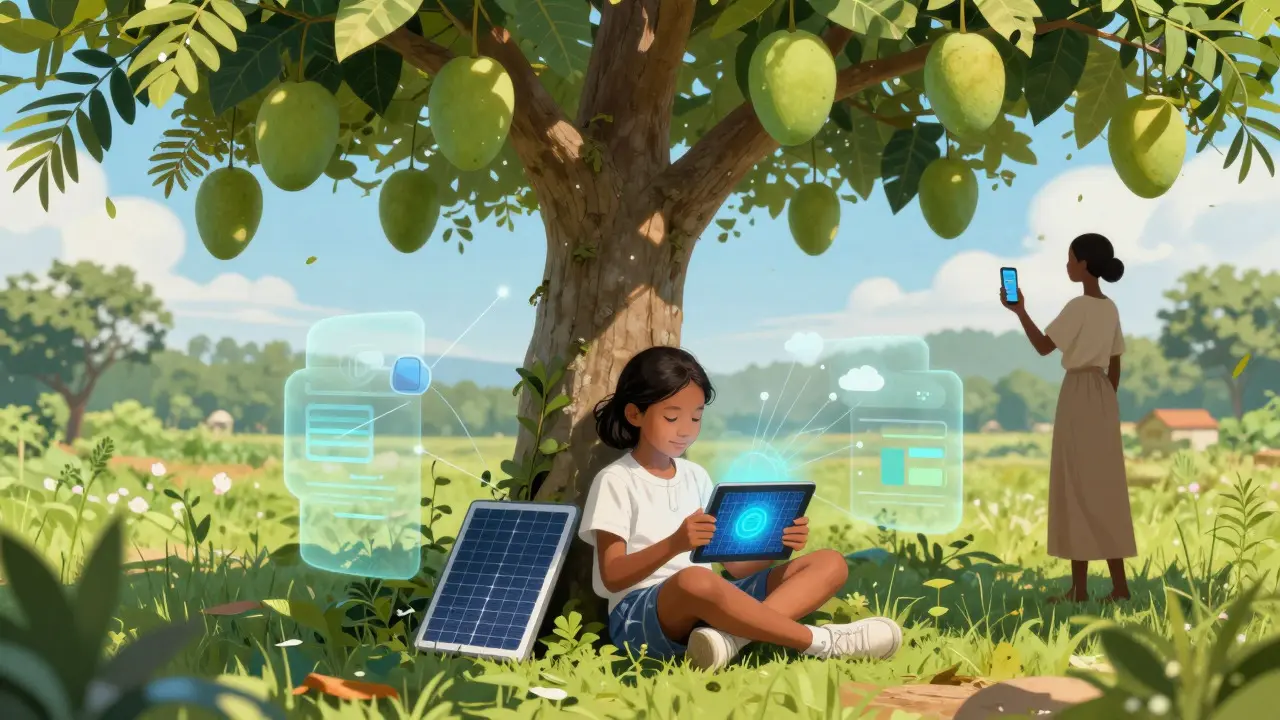
You don't need a high-speed internet connection to learn. Organizations are using offline-first technology. Think about devices like solar-powered tablets that store entire curricula locally. In rural parts of Kenya and India, these devices allow girls to continue learning even when the nearest school is hours away or closed due to seasonal flooding. The key here is simplicity. These tools don't require complex setups; they just work. This accessibility is crucial for reaching the most marginalized communities.
Mobile Money and School Fees
How do you pay for school if you don't have a bank account? Mobile money platforms have revolutionized this. By allowing small, frequent payments via mobile phones, families can manage school fees without needing large lump sums. This reduces the barrier to entry. Furthermore, some NGOs link mobile money transfers directly to attendance. If a girl attends class, a small stipend goes to her mother’s phone. This creates a direct financial incentive for keeping girls in school, turning education into a visible asset rather than a hidden cost.
STEM for Girls: Breaking Stereotypes
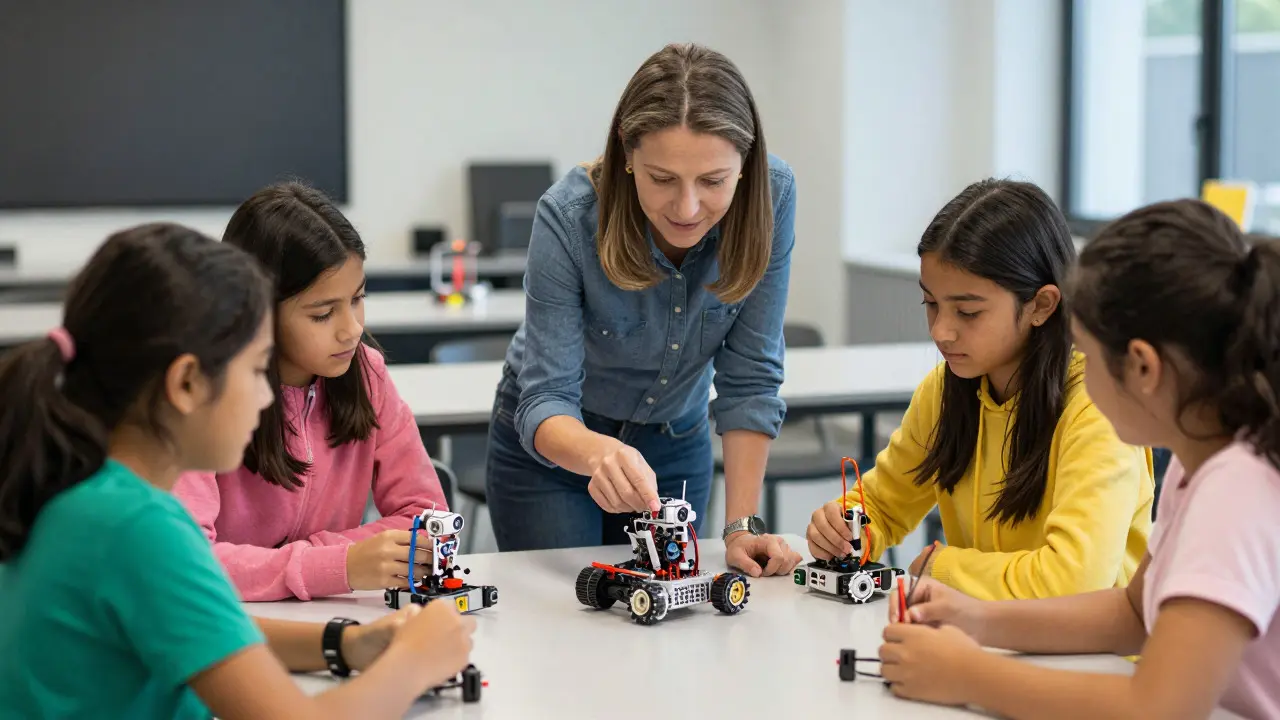
Science, Technology, Engineering, and Mathematics (STEM) fields have historically been male-dominated. But new programs are changing that narrative. Instead of just teaching math, these initiatives focus on applied skills like coding, robotics, and data analysis. Why? Because when girls see themselves as creators rather than just consumers of technology, their confidence soars. Programs in places like Nigeria and Brazil are pairing female mentors with young students, showing them real-world career paths. It’s not just about passing tests; it’s about believing you belong in the room.
Comparing Approaches: What Works Best?
Not all strategies are created equal. Some methods work well in urban centers but fail in remote villages. Let’s compare a few common interventions to see where they shine and where they struggle.
| Intervention Type | Primary Benefit | Key Challenge | Best For |
|---|---|---|---|
| Offline Digital Devices | Access in remote areas | Device maintenance and battery life | Rural, low-connectivity zones |
| Conditional Cash Transfers | Direct financial incentive | Requires robust monitoring systems | Poverty-stricken households |
| Sanitation Infrastructure | Retention during puberty | High initial construction cost | Secondary schools in developing nations |
| Mentorship Programs | Career guidance and confidence | Scalability of volunteer networks | Urban and semi-urban STEM tracks |
Notice how each solution addresses a specific pain point. You can't fix a sanitation issue with a tablet, and you can't fix a financial barrier with better toilets. The most successful programs combine these elements. For example, a project in Malawi provided both solar tablets and built new latrines, resulting in a 40% increase in retention rates among secondary school girls.
The Role of Community and Policy
Tech is cool, but people matter more. Local leaders, teachers, and parents play a huge role. When a community sees educated women contributing to the local economy, attitudes shift. This is why policy matters. Governments that invest in teacher training specifically for mixed-gender classrooms see better outcomes. Also, laws protecting girls from early marriage are critical. In countries where child marriage is legal below 18, education rates plummet. Advocacy groups are pushing for stricter enforcement, and it’s working in several East African nations where legislation has been updated to align with international standards.
What This Means for the Future
We are at an inflection point. The next decade will determine whether we close the gender gap in education or let it widen again. Climate change is already affecting school attendance, with droughts forcing families to pull children out of school to help with water collection. To combat this, we need resilient infrastructure. Solar power, rainwater harvesting, and flexible learning schedules are becoming standard requirements for new school projects. It’s not just about opening doors; it’s about keeping them open in a changing world.
For anyone interested in supporting this cause, look beyond donations. Advocate for policies that support working mothers, support brands that fund STEM scholarships, and share stories of women breaking barriers. Every action counts. The goal isn't just to get girls into classrooms; it's to ensure they leave with the skills to shape their own futures.
Frequently Asked Questions
Why is girls' education important for economic growth?
Educated women tend to have higher incomes, which boosts household spending and savings. Studies show that for every additional year of schooling a woman receives, her earnings increase by roughly 10-20%. This ripple effect strengthens local economies and reduces poverty rates across generations.
How does climate change affect girls' education specifically?
Climate events like floods and droughts damage school infrastructure and force families to rely on child labor for survival. Girls are often the first to be withdrawn from school to help with domestic chores or farming. Additionally, longer distances to safe water sources mean less time available for studying.
Are digital tools effective in areas with no internet?
Yes, provided the content is pre-loaded onto devices. Offline-first apps and solar-powered tablets allow students to access lessons, quizzes, and videos without a live connection. These tools are designed to sync data when connectivity is briefly available, ensuring progress isn't lost.
What is the biggest barrier to girls completing secondary school?
Lack of safe sanitation facilities is widely cited as the top reason girls drop out during adolescence. Without private toilets and clean water, the physical and social challenges of menstruation become overwhelming, leading to absenteeism and eventual withdrawal.
How can individuals support girls' education from afar?
Beyond monetary donations, individuals can advocate for fair trade products that include educational funding, mentor online through virtual platforms, or support NGOs that focus on sustainable infrastructure like water and sanitation. Raising awareness in your local community also helps sustain long-term interest and support.