Gender-Affirming Fashion for Women: Style, Comfort, and Identity
 Nov, 20 2026
Imagine waking up, looking in the mirror, and feeling a spark of recognition. Not just seeing a body, but seeing you. That moment is what gender-affirming fashion is all about. It isn't just about following trends or buying expensive labels. It is about aligning your outer presentation with your inner truth. For many women, especially those navigating LGBTQ+ identities, clothing acts as a second skin that either soothes or irritates the soul.
You might be asking, "Where do I even start?" The fashion industry often feels like a maze of binary boxes-men's and women's sections-that don't always fit everyone perfectly. But here is the good news: you are in control. This guide breaks down how to build a wardrobe that respects your identity while keeping you physically comfortable. We will look at fabrics, fits, and practical tips from real-world experiences in places like Portland, Oregon, where inclusive style is becoming the norm rather than the exception.
Understanding Gender-Affirming Clothing
Gender-affirming clothing refers to garments chosen specifically to help individuals feel more aligned with their gender identity. Unlike standard fashion, which focuses on aesthetics alone, this approach prioritizes psychological well-being alongside physical appearance. Think of it as armor against dysphoria. When a shirt hides a chest area you are uncomfortable with, or pants accentuate hips you want to highlight, that piece of fabric becomes therapeutic.
It is crucial to distinguish this from cross-dressing or drag. While there is overlap, gender-affirming fashion is about daily life. It is about wearing clothes that make you feel like yourself during grocery runs, work meetings, or lazy Sundays. The goal isn't necessarily to "pass" as cisgender if that isn't your aim, but to feel authentic. If you feel wrong in your clothes, your confidence drops. If you feel right, you stand taller. Simple as that.
The Role of Fabric and Fit in Comfort
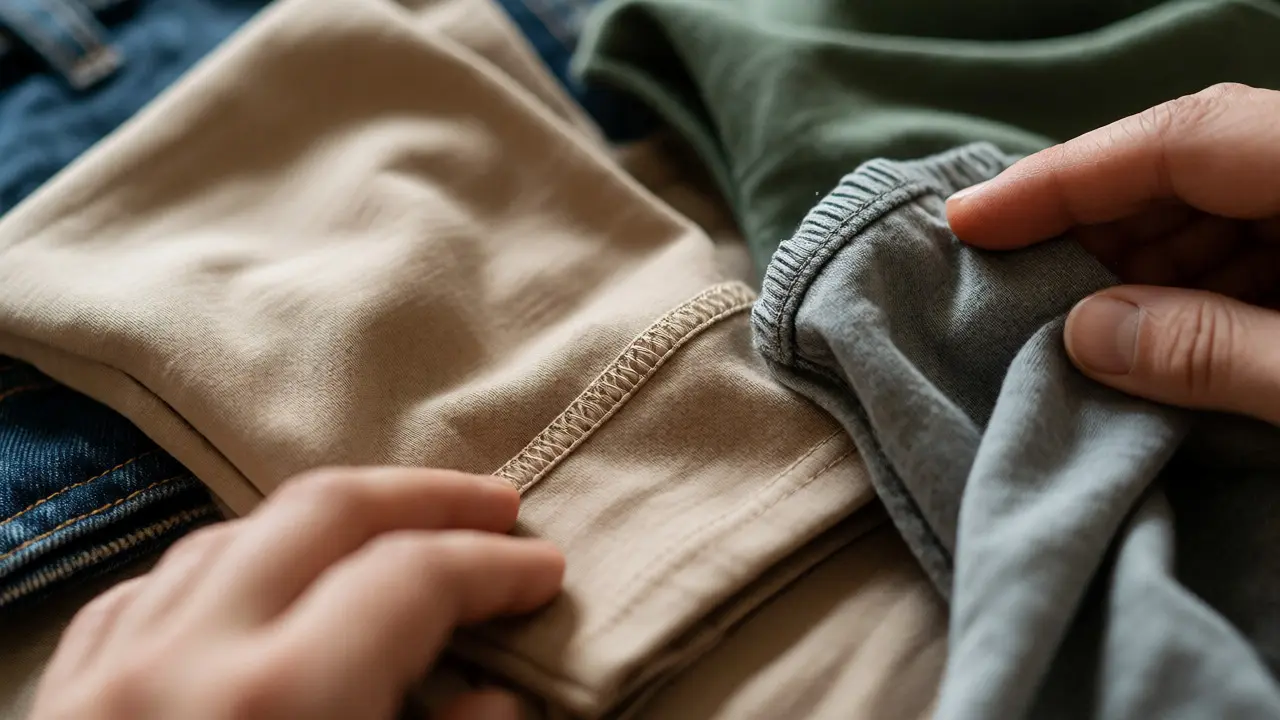
Comfort isn't just a luxury; it is a requirement for consistency. You cannot affirm your gender every day if your clothes itch, pinch, or require constant adjusting. This is where fabric choice plays a massive role. Synthetic blends can trap heat and sweat, leading to discomfort that distracts from your sense of self. Natural fibers like cotton, linen, and bamboo breathe better and feel softer against sensitive skin.
Consider the concept of "sensory safety." Some people find tight waistbands anxiety-inducing because they draw attention to the midsection. Others prefer compression shirts to flatten the chest area. There is no universal rule. You have to experiment. Try different cuts. A high-waisted trouser might smooth out the hip line differently than a low-rise jean. Test them in your living room before committing to a full outfit. Pay attention to seams. Flatlock seams reduce chafing, which is vital if you spend long hours in your clothes.
Navigating Silhouettes and Body Shapes
Fashion rules were written for specific body types, but bodies come in infinite variations. For women seeking affirmation, understanding silhouette can change everything. Do you want to create curves? Use peplum tops or A-line skirts. These styles add volume to the hips and taper the waist, creating an hourglass illusion without surgery. Want to minimize height or broad shoulders? V-necklines draw the eye downward, breaking up the upper body visually.
Layering is another powerful tool. A structured blazer can define shoulders, while a flowy cardigan softens them. Experiment with proportions. Pair a fitted top with wide-leg trousers to balance your frame. Remember, asymmetry can be your friend. An uneven hemline draws attention away from areas you might feel insecure about. The key is to play with shapes until you find the combination that makes you feel balanced.
| Garment Type | Affirmation Goal | Best Fabrics | Comfort Level |
|---|---|---|---|
| Compression Tops | Chest flattening | Nylon/Spandex Blend | Moderate (requires care) |
| High-Waist Pants | Hip definition/Waist cinching | Denim/Twill | High |
| Oversized Shirts | Shoulder minimization/Concealment | Cotton/Linen | Very High |
| Pencil Skirts | Curvature emphasis | Stretch Wool/Polyester | Moderate (movement restricted) |
Shopping Strategies and Brand Inclusivity
Traditional retail spaces can be hostile. Fitting rooms are small, staff assumptions are frequent, and sizing charts are inconsistent. Many brands now offer extended size ranges and gender-neutral lines, but knowing where to shop saves time and emotional energy. Look for companies that explicitly state their commitment to inclusivity. Brands like TomboyX, Unbound, and various local boutiques in progressive cities often stock items designed with diverse bodies in mind.
Online shopping offers privacy and variety, but returns can be a hassle. Check return policies carefully. Some stores charge restocking fees, which adds stress. Measure yourself accurately. Use a soft tape measure to record bust, waist, hip, and inseam lengths. Compare these numbers to each brand’s specific chart, not just the S/M/L label. Sizes vary wildly between manufacturers. Keeping a digital note of your measurements on your phone helps you order confidently.
Building a Capsule Wardrobe for Expression
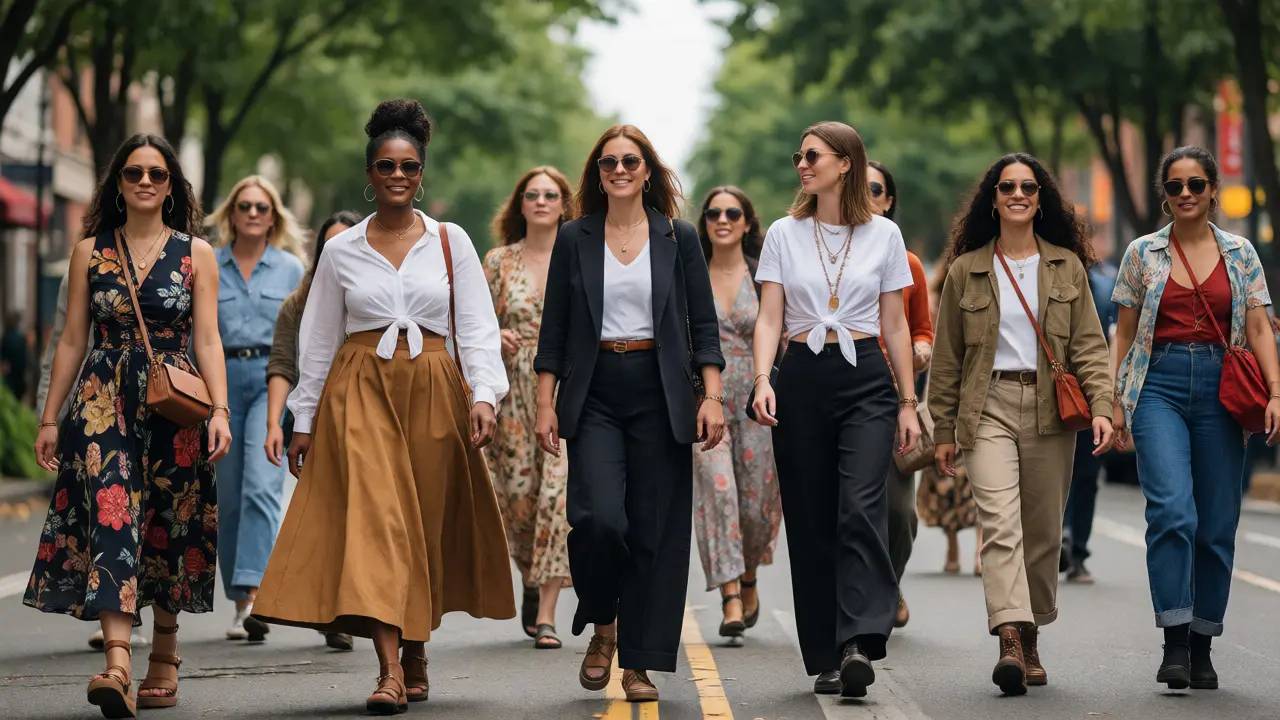
You do not need a closet full of clothes to express yourself. A capsule wardrobe consists of versatile pieces that mix and match easily. Start with basics: neutral-colored tops, well-fitting jeans, and a statement jacket. Then, add accessories. Scarves, jewelry, and bags can shift an outfit from casual to formal without changing the core garments. This approach reduces decision fatigue in the morning, allowing you to focus on your day rather than your outfit.
Think about color psychology too. Bright colors can boost mood and signal openness. Darker tones might offer a sense of protection or sophistication. Choose palettes that resonate with your personality. Maybe you love pastels because they feel gentle. Maybe you prefer bold reds because they feel powerful. Your wardrobe should reflect who you are, not just what is trending.
Overcoming Dysphoria Through Style
Sometimes, dysphoria hits hard. You might hate how your clothes fit one day, even if they looked great yesterday. This is normal. Have a few "safe outfits" ready for these days. These are pieces that always make you feel grounded. Maybe it is a specific hoodie or a pair of soft leggings. Knowing you have these options reduces anxiety. You don't have to fight your reflection every single day. Sometimes, comfort is the most affirming choice you can make.
Also, consider the social aspect. How do others react? Positive reinforcement from friends or partners can validate your choices. Conversely, negative comments can sting. Build a support network that understands why your clothing matters. Share your journey with them. Let them know when a new outfit makes you feel good. Their feedback can help you refine your style over time.
Practical Tips for Daily Wear
- Start Small: Don't overhaul your entire wardrobe overnight. Change one category at a time, like socks or underwear, then move to tops.
- Invest in Undergarments: Good bras, shapewear, or binders form the foundation of your look. Poorly fitting undergarments ruin even the best outer layers.
- Alterations Matter: A tailor can adjust off-the-rack clothes to fit your unique proportions perfectly. This is often cheaper than custom-made clothing.
- Seasonal Transitions: Layering allows you to adapt to weather changes without sacrificing your aesthetic. Keep lightweight layers handy.
- Secondhand Finds: Thrift stores offer unique pieces at lower costs. It’s a low-risk way to experiment with new styles.
Remember, fashion is fluid. Your needs will change as you grow. What works today might not work next year. That is okay. Enjoy the process of discovery. Each purchase is a step toward deeper self-knowledge.
What is the difference between gender-neutral and gender-affirming fashion?
Gender-neutral fashion refers to clothing designed without gender-specific cuts or marketing, often aiming for a unisex appeal. Gender-affirming fashion is personalized; it involves selecting clothes that specifically help an individual feel aligned with their internal gender identity, regardless of whether those clothes are marketed as men's, women's, or neutral.
How do I choose clothes if I am unsure of my style?
Start by identifying clothes you already own that make you feel good. Analyze why they work-is it the fabric, the fit, or the color? Visit thrift stores to try on different styles cheaply. Take photos of outfits you like online and look for common themes. Experimentation is key, so allow yourself to try things that feel slightly outside your comfort zone.
Are there specific brands known for inclusive sizing?
Yes, several brands prioritize inclusivity. Companies like Universal Standard, ELOQUII, and ASOS Curve offer extensive size ranges. Additionally, brands specializing in adaptive and LGBTQ+-friendly apparel, such as TomboyX and Chromat, design with diverse body types in mind. Always check customer reviews for insights on fit accuracy.
How can I handle workplace dress codes while expressing my gender?
Review your company’s dress code policy closely. Many modern workplaces have relaxed guidelines. Focus on professional staples like blazers, tailored trousers, and modest tops that align with your gender expression. Accessories like ties, scarves, or jewelry can subtly signal your identity while maintaining professionalism. If possible, discuss options with HR if the policy is ambiguous.
Does gender-affirming fashion have to be expensive?
No, it does not. Thrift stores, discount retailers, and sales offer affordable options. Prioritize spending on foundational items like undergarments and well-fitting basics. You can achieve a polished look with budget-friendly pieces by focusing on fit and coordination rather than brand names. DIY alterations can also elevate inexpensive clothes.