Finding Community for Body Acceptance: Women’s Safe Spaces
 Aug, 25 2026
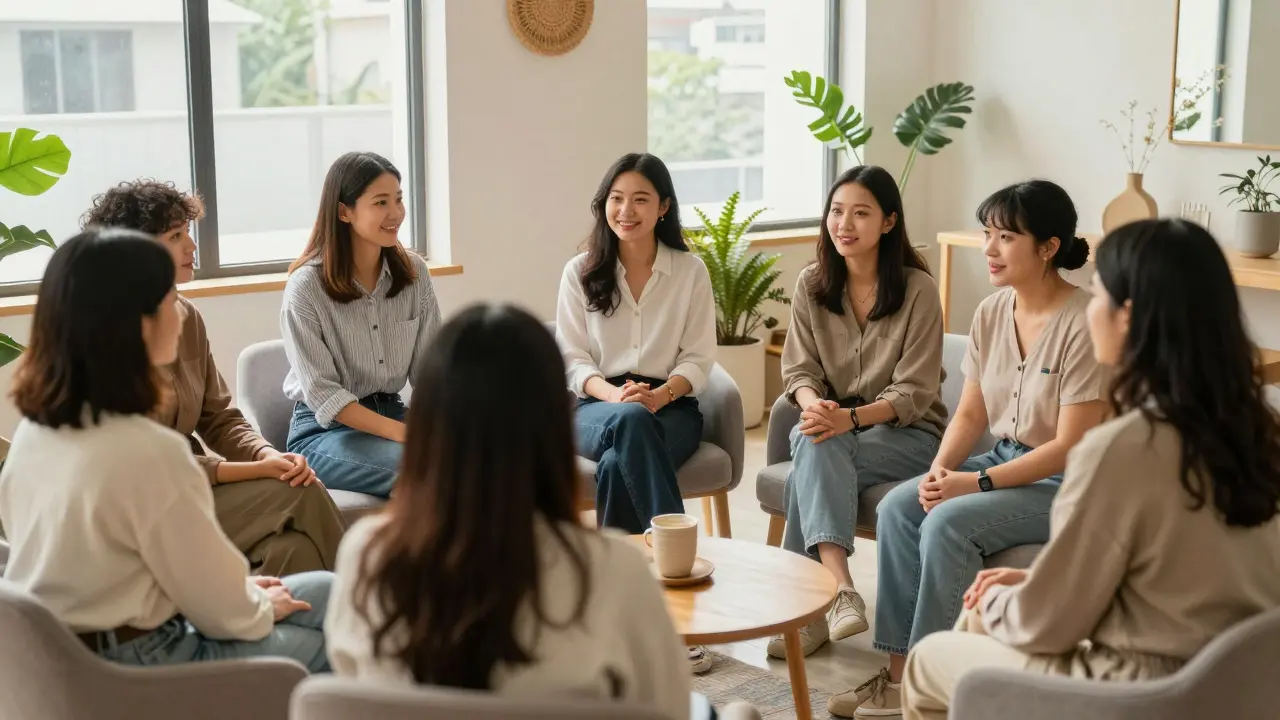
Walking into a room where no one is judging your waistline or asking if you’ve been “eating right” feels like a radical act. For many women, the search for body acceptance isn’t just about looking in the mirror; it’s about finding a tribe that sees you as a whole person, not a collection of flaws to be fixed. In cities like Portland, Oregon, and across the country, new types of communities are emerging that prioritize safety over scrutiny. These aren’t just support groups; they are sanctuaries where vulnerability is the entry ticket.
The traditional path to feeling better about your body often leads to gyms, diet clinics, or social media feeds filled with curated perfection. But what happens when you need a space that doesn’t require you to perform? This guide explores how to find these rare pockets of peace, what makes them work, and how to navigate the subtle social dynamics that keep them safe. Whether you’re dealing with chronic illness, postpartum changes, or simply the exhaustion of modern beauty standards, there is a place for you.
What Defines a True Body Acceptance Safe Space?
A true safe space for body acceptance is defined by its absence of conditional validation. In most social settings, compliments on your appearance come with strings attached-“You look great, did you lose weight?” In a dedicated body acceptance community, the focus shifts from aesthetics to existence. It is a place where your body is treated as a vehicle for living, not an object for display.
These spaces typically operate on three core principles:
- Non-judgmental presence: Members listen without trying to fix or critique.
- Shared experience: Participants understand the specific stressors of societal pressure, creating immediate empathy.
- Autonomy: You decide how much to share, and silence is accepted as a valid form of participation.
It is crucial to distinguish between a general wellness group and a specific body acceptance circle. A yoga class might promote health, but it can still trigger comparison if instructors emphasize posture corrections or idealized forms. A body acceptance group, however, explicitly removes the hierarchy of bodies. Everyone is equal regardless of size, ability, or skin texture. This distinction is vital because the goal isn’t just physical health; it’s psychological relief from the constant surveillance of one’s own image.
Where to Look: Types of Communities
Finding these communities requires knowing where they hide. They rarely advertise themselves with flashy billboards. Instead, they cluster around specific interests, professional networks, and local organizations. Here are the most effective places to start your search.
Local Non-Profits and Health Advocacy Groups
Organizations focused on chronic illness, mental health, or reproductive rights often have adjacent chapters dedicated to body image. For example, groups supporting women with endometriosis or PCOS frequently develop strong body acceptance sub-groups because these conditions directly impact how women perceive their physicality. These organizations provide structured environments with trained facilitators who know how to manage difficult conversations.
Independent Bookstores and Cafés
In cities like Portland, independent bookstores often host monthly reading circles centered on memoirs or essays about the female body. These low-stakes gatherings allow for casual connection before committing to deeper therapy-style groups. The vibe is conversational rather than clinical, making it easier for introverts to join. Look for events titled “Women’s Circle” or “Storytelling Night” at local venues.
Online-to-Offline Hybrid Groups
Many communities now start online via platforms like Discord or private Facebook groups before meeting in person. This hybrid model allows you to vet the culture first. You can observe how members interact in comments sections, check for toxic positivity, and see if the group leaders enforce boundaries. Once you feel comfortable, these groups often organize virtual meetups or local park picnics that serve as low-pressure introductions.
Therapist-Led Support Circles
If you have access to insurance or sliding-scale fees, therapist-led groups offer the highest level of safety. Unlike peer-led groups, these sessions have a professional mediator who ensures that dominant personalities don’t hijack the conversation. Therapists specializing in somatic experiencing or cognitive behavioral therapy (CBT) for body dysmorphia are particularly effective at creating these containers for healing.
Navigating Social Dynamics: How to Stay Safe
Even in well-intentioned spaces, social friction can occur. Knowing how to navigate these dynamics helps you protect your energy while building connections. One common pitfall is “toxic positivity,” where well-meaning friends say things like “Just love yourself!” without acknowledging the pain. If you hear this, it’s okay to gently redirect: “Thanks, I’m working on it. Right now I just need someone to listen.”
Another dynamic to watch for is the “comparison trap.” Even in accepting spaces, people naturally compare their progress. If you find yourself measuring your healing against another woman’s journey, remember that body acceptance is non-linear. Some days you feel invisible; other days you feel powerful. Both are valid parts of the process. Setting personal boundaries, such as limiting time in the group or taking breaks during intense discussions, is a sign of strength, not failure.
| Type | Cost | Safety Level | Best For |
|---|---|---|---|
| Peer-Led Local Groups | Low/Free | Medium | Casual connection, shared hobbies |
| Therapist-Led Circles | High/Insurance | High | Deep trauma, CBT techniques |
| Online Hybrids | Variable | Medium-High | Introverts, remote workers |
| Advocacy Non-Profits | Low | High | Chronic illness, systemic issues |

The Role of Self-Compassion in Group Settings
Joining a group is only half the battle. The other half is bringing your own practice of self-compassion into the room. Dr. Kristin Neff, a leading researcher in self-compassion, defines it as treating yourself with the same kindness you would offer a good friend. When you enter a body acceptance space with this mindset, you become less reactive to external opinions. You stop waiting for permission to take up space.
Practical ways to cultivate this before and during meetings include:
- Mindful observation: Notice your body sensations without labeling them as good or bad.
- Gratitude journaling: Write down three things your body does for you daily, focusing on function over form.
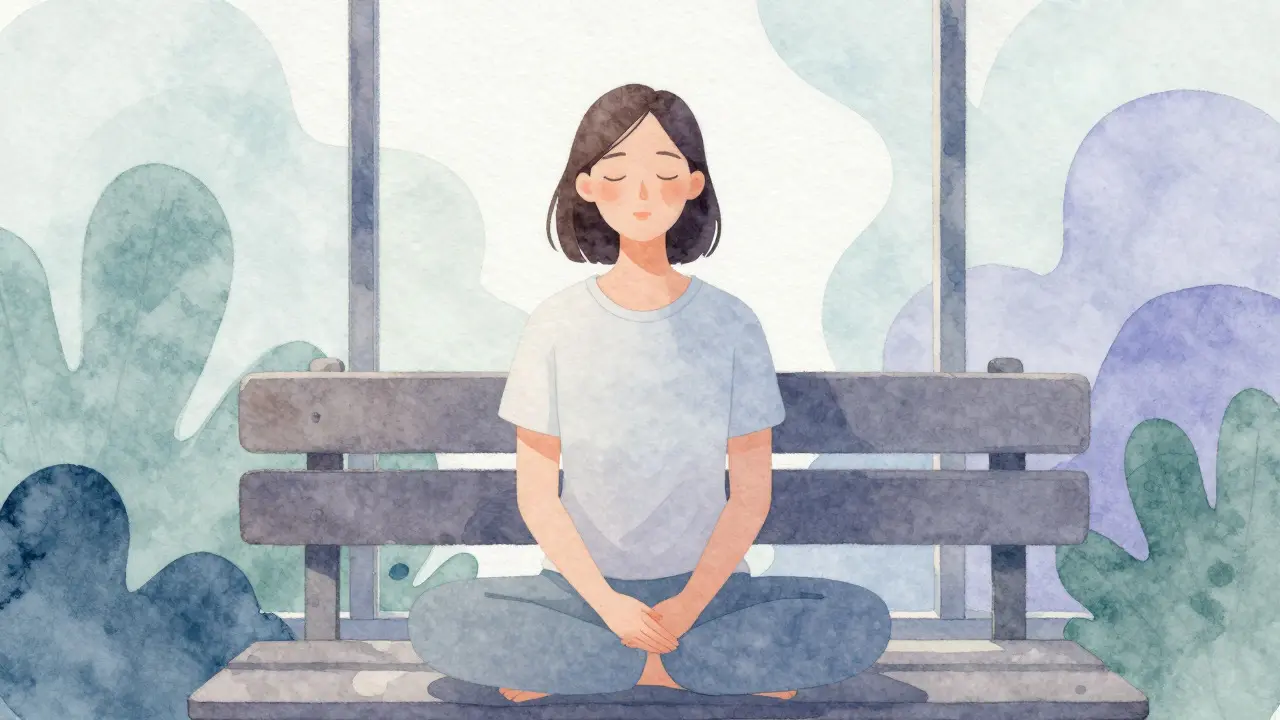
- Breathwork: Use deep breathing to calm the nervous system before entering a potentially triggering environment.
This internal work complements the external support. When you trust your own inner voice, the group becomes a resource for celebration rather than a crutch for validation. Over time, you’ll find that the need for constant reassurance diminishes, replaced by a steady sense of worth that remains even when you’re alone.
Building Your Own Micro-Community
If you can’t find a perfect fit, consider building your own micro-community. Start small. Invite two or three trusted friends to a weekly coffee meetup where the only rule is no talking about diets or exercise routines. Create a shared document where everyone lists one thing they appreciate about their body each week. Keep it light, keep it consistent, and let the culture evolve organically.
You don’t need a large venue or a formal structure. A park bench, a kitchen table, or a video call can be enough. The key is intentionality. By setting clear norms early, you prevent the drift back into conventional body talk. As your group grows, you can invite others who resonate with the vibe, slowly expanding your circle of safety.
How do I know if a group is truly safe for body acceptance?
Look for groups that explicitly ban negative commentary about bodies. Observe how leaders handle interruptions or comparisons. A safe group will have clear ground rules posted and a facilitator who actively enforces them. If you feel the need to constantly explain your perspective, it may not be safe enough yet.
Is body acceptance different from body neutrality?
Yes. Body acceptance involves actively loving and celebrating your body, while body neutrality focuses on appreciating what your body does for you without needing to love it aesthetically. Both are valid paths, and many people move between them depending on their mood and circumstances.
What should I do if I feel judged in a supposedly safe space?
Trust your instincts. Briefly step out to collect yourself. Speak to the facilitator privately to share your experience. If the judgment persists, it is perfectly acceptable to leave. Your safety is more important than staying loyal to a flawed group.
Can men participate in women’s body acceptance spaces?
Some spaces are exclusively for women to ensure a specific type of shared experience, while others are open to all genders. Always check the group description. In mixed groups, men are often asked to be listeners rather than primary speakers to maintain balance.
How long does it take to feel comfortable in a new group?
Most people report feeling a sense of belonging after 4 to 6 meetings. This aligns with general social psychology research on forming initial bonds. Be patient with yourself; it is normal to feel awkward at first.