Fiber for Women: Daily Needs & Best Food Sources
 Aug, 17 2026
Most women are eating less than half of what their bodies actually need. The standard recommendation is 25 grams of dietary fiber per day, yet the average American woman consumes only about 14 grams. This gap isn't just a number on a label; it’s the difference between regular digestion and uncomfortable bloating, stable blood sugar and energy crashes, and long-term heart health versus rising cholesterol risks.
Fiber isn't one single thing. It comes in two main forms that do different jobs in your body. Understanding this distinction helps you pick foods that solve specific problems, whether you’re dealing with constipation or trying to manage weight.
Soluble vs. Insoluble: Know Your Fiber Types
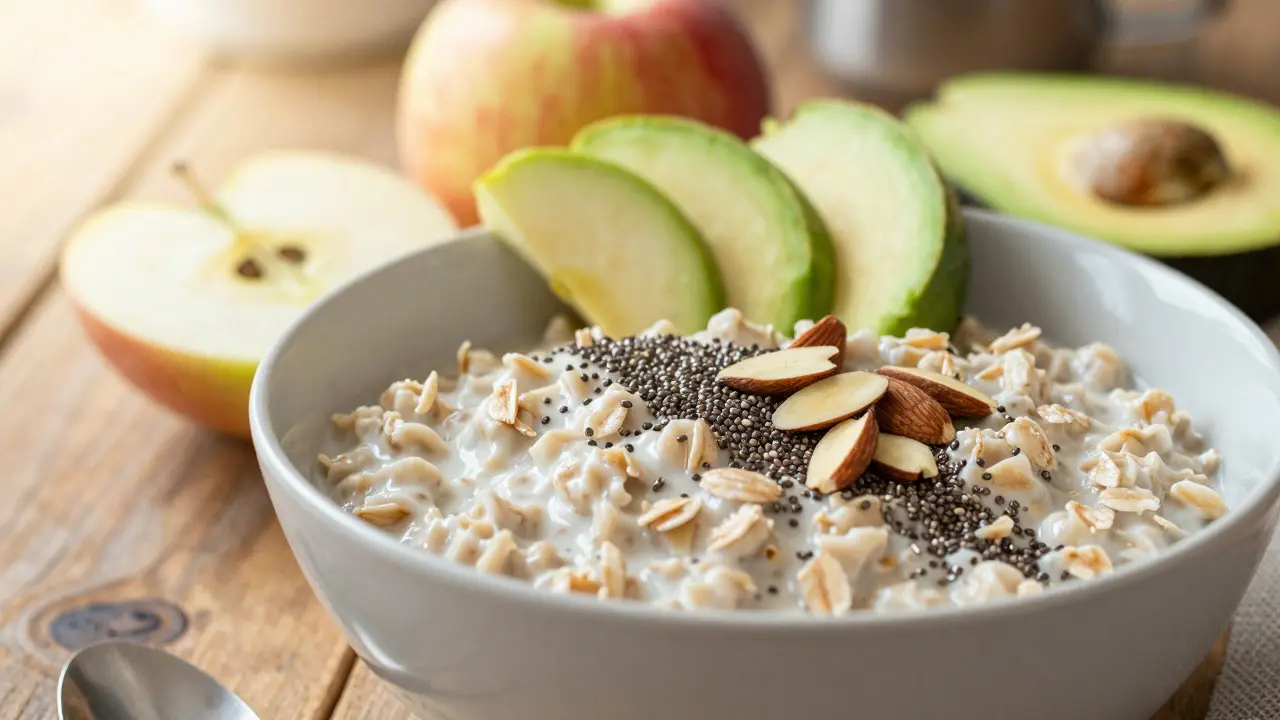
Soluble fiber is a type of fiber that dissolves in water to form a gel-like material. It helps lower LDL cholesterol and manages blood glucose levels. Think of it as a sponge that absorbs excess substances in your digestive tract. Oats, beans, apples, and citrus fruits are packed with this kind.
Insoluble fiber, on the other hand, does not dissolve in water and adds bulk to stool. It keeps food moving through your system and prevents constipation. Whole wheat bran, nuts, and vegetables like broccoli are rich sources. You need both types for optimal gut function, but if you're stuck, insoluble fiber is often the first line of defense for regularity.
Why Women Need Specific Attention to Fiber Intake
While men are recommended to eat 38 grams daily, women need 25 grams up to age 50, dropping to 21 grams after 50. Why the drop? As we age, our metabolisms slow, and our muscle mass typically decreases, requiring fewer calories and nutrients. However, the importance of fiber doesn't decrease-it might even increase due to hormonal shifts during menopause that can affect metabolism and bone density.
Low fiber intake is linked to higher rates of diverticular disease, hemorrhoids, and type 2 diabetes in women. More importantly, recent research highlights the connection between fiber and the gut microbiome, which is the community of beneficial bacteria living in your digestive tract. These bacteria feed on soluble fiber and produce short-chain fatty acids that reduce inflammation throughout the body.
The Best High-Fiber Foods for Women
You don’t need to rely on powders or supplements to hit your target. Whole foods provide fiber along with vitamins, minerals, and antioxidants that supplements lack. Here are some top performers that fit easily into a daily diet:
| Food Item | Serving Size | Fiber (grams) | Type |
|---|---|---|---|
| Chia Seeds | 2 tablespoons | 10g | Soluble & Insoluble |
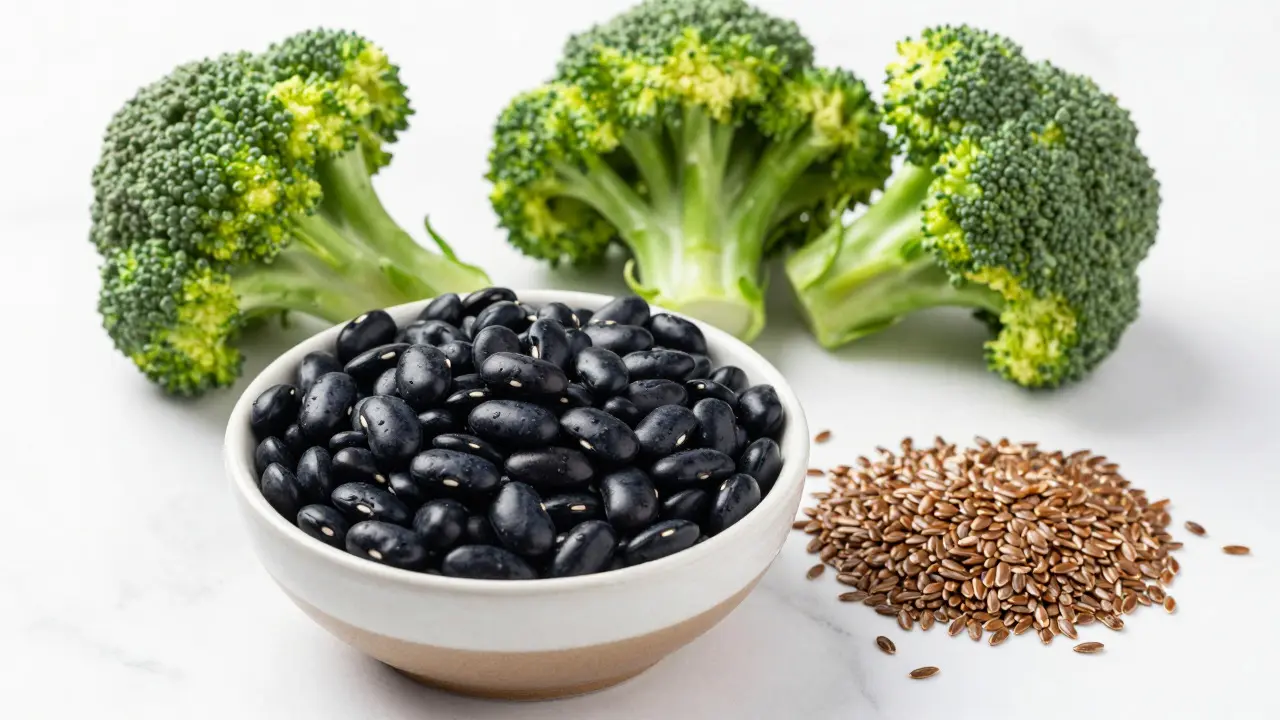
| Black Beans | 1 cup (cooked) | 15g | Soluble & Insoluble |
| Oatmeal (Rolled) | 1/2 cup (dry) | 4g | Soluble |
| Broccoli | 1 cup (raw) | 5g | Insoluble |
| Avocado | 1/2 medium | 7g | Soluble & Insoluble |
| Lentils | 1 cup (cooked) | 15.6g | Soluble & Insoluble |
Notice how legumes like black beans and lentils dominate the list. They are powerhouses because they offer nearly 15 grams per cup. If you’re new to high-fiber diets, start with smaller portions to avoid gas and bloating. Your gut bacteria need time to adapt to the increased workload.
Practical Strategies to Hit 25 Grams Daily
Hitting the target feels impossible when you look at a single meal. But when you spread it out, it becomes manageable. Aim for about 8-10 grams per meal and 5 grams from snacks.
- Swap refined grains for whole grains. Replace white rice with brown rice, quinoa, or farro. One cup of cooked quinoa provides about 5 grams of fiber.
- Add seeds to everything. Sprinkle chia seeds or flaxseeds on yogurt, oatmeal, or salads. Two tablespoons of chia seeds add 10 grams instantly.
- Eat the skin. Apples, pears, and potatoes have most of their fiber in the peel. Don’t peel them unless necessary for texture.
- Choose legumes over meat for lunch. A bowl of lentil soup or a bean salad can cover half your daily requirement in one sitting.
- Snack on nuts and fruit. An apple with almond butter combines insoluble fiber from the fruit with healthy fats and more fiber from the nuts.
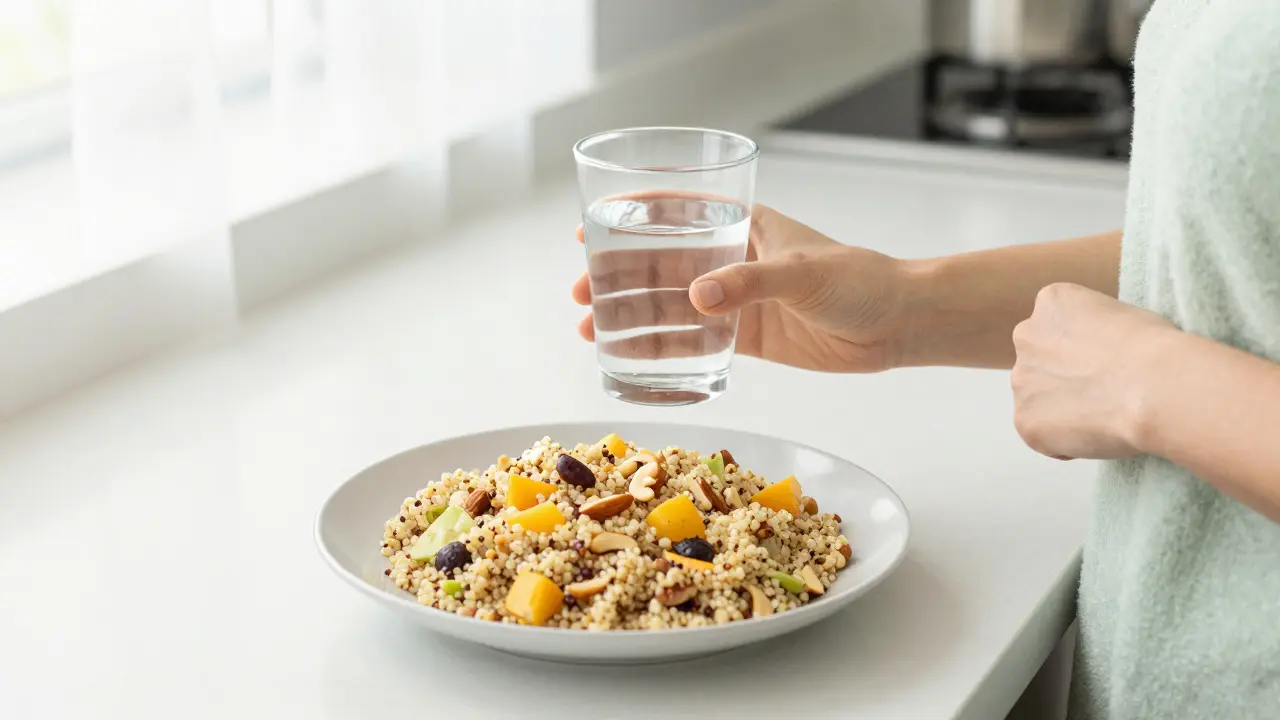
Hydration is critical here. Fiber works by absorbing water. If you eat more fiber but don’t drink enough water, you may experience constipation instead of relief. Aim for at least 8 cups of water a day, increasing if you significantly boost your fiber intake.
Common Mistakes and How to Avoid Them
The biggest mistake people make is increasing fiber too quickly. Going from 15 grams to 30 grams overnight can cause severe cramping and gas. Increase your intake by 5 grams every few days until you reach your goal. This gradual approach allows your gut microbiome to adjust without protest.
Another error is relying solely on processed "high-fiber" bars or cereals. While they help, they often contain added sugars and lack the complex matrix of nutrients found in whole plants. Whole foods should always be the primary source, with fortified products serving as convenient backups rather than staples.
FAQ
How much fiber do women need per day?
Women under 50 need 25 grams of fiber daily. Women over 50 need 21 grams daily. This recommendation comes from the Dietary Guidelines for Americans and is based on average caloric needs.
What happens if I don't eat enough fiber?
Low fiber intake can lead to constipation, irregular bowel movements, higher cholesterol levels, and increased risk of type 2 diabetes. It also deprives your gut bacteria of fuel, potentially leading to inflammation.
Is fiber powder as good as food?
Fiber powders are useful for convenience but lack the vitamins, minerals, and phytochemicals found in whole plant foods. Use them to bridge gaps, not as a replacement for fruits, vegetables, and legumes.
Does fiber help with weight loss?
Yes. Soluble fiber slows digestion and helps you feel fuller for longer, reducing overall calorie intake. It also improves insulin sensitivity, which helps regulate appetite hormones.
How can I increase my fiber intake gradually?
Add 5 grams of fiber to your diet every three to four days. Start by swapping one refined grain for a whole grain or adding a serving of legumes to your weekly meal plan. Drink plenty of water alongside these changes.