Fertility Preservation for Women: The Real Costs, Risks, and Egg Freezing Decisions
 Aug, 17 2026
At 34, Sarah looked at her calendar and realized she had two years left before her fertility dropped off a cliff. She wasn’t ready to be a mother, but she didn’t want to leave the door closed forever. This is where Fertility Preservation comes in. It’s not just about freezing eggs; it’s about buying time when life doesn’t match your biological clock. For many women, this decision feels like a financial gamble against biology. But with rising IVF costs and changing social norms, understanding the mechanics of Oocyte Cryopreservation is no longer optional-it’s essential knowledge for anyone planning their future.
The Biology Behind the Clock
Your fertility isn’t just about whether you ovulate; it’s about the quality of what you ovulate. By age 35, the percentage of chromosomally normal eggs drops significantly. This is why doctors often recommend considering egg freezing by your early-to-mid 30s if you aren’t ready for parenthood. The process involves stimulating your ovaries with hormones to produce multiple mature eggs, which are then retrieved through a minor surgical procedure. These eggs are flash-frozen using vitrification, a method that prevents ice crystal formation, preserving cellular integrity far better than older slow-freezing techniques.
It’s crucial to understand that freezing eggs is not the same as guaranteeing a baby later. You are preserving potential. If you freeze 10 eggs at age 32, you might have a higher success rate per embryo transferred than if you waited until 38. However, there is no guaranteed number of eggs needed to result in a live birth, though most clinics suggest aiming for at least 15-20 eggs to maximize chances.
Financial Reality: What Does It Actually Cost?
Let’s talk money, because this is usually the biggest barrier. In the United States, the cost of one cycle of egg retrieval ranges from $12,000 to $15,000. This includes monitoring appointments, medication (which can add another $3,000 to $5,000), and the retrieval procedure itself. Then there’s storage. Annual fees typically run between $500 and $1,500 per year. If you plan to use those eggs later, you’re looking at another $12,000 to $15,000 for thawing, fertilization via ICSI, and embryo transfer, plus additional storage fees during the interim.
| Procedure Step | Estimated Cost Range (USD) | Notes |
|---|---|---|
| Ovarian Stimulation & Monitoring | $3,000 - $5,000 | Includes medications and blood tests |
| Egg Retrieval Procedure | $6,000 - $8,000 | Surgical fee and anesthesia |
| Annual Storage Fees | $500 - $1,500 | Billed yearly; varies by clinic |
| Future Thawing & Fertilization | $12,000 - $15,000 | Includes ICSI and embryo culture |
Insurance rarely covers elective egg freezing. However, some employers in major tech hubs or large corporations are starting to include this in their benefits packages. Check your HR portal. If you don’t have coverage, look into payment plans offered by clinics or grants from organizations like the National Infertility Association.
Who Should Consider Freezing Eggs?
You don’t need a medical diagnosis to freeze your eggs. While cancer patients undergoing chemotherapy are the classic group requiring immediate preservation, "social indication" freezing is now common. Consider these scenarios:
- Career-Priority Individuals: Women who know they will be busy in their late 30s and want to avoid the pressure of conceiving immediately after graduation or promotion.
- Single Women Without a Partner: Waiting for the right person shouldn’t mean waiting until your AMH (Anti-Müllerian Hormone) levels drop too low to retrieve viable eggs.
- Women with Medical Conditions: Those with endometriosis, premature ovarian insufficiency, or family history of early menopause may benefit from earlier intervention.
A key metric here is your AMH level. It indicates your ovarian reserve. If your AMH is below 1.0 ng/mL, you have less time to act. A baseline ultrasound and blood test can give you this data within a week of deciding to explore options.
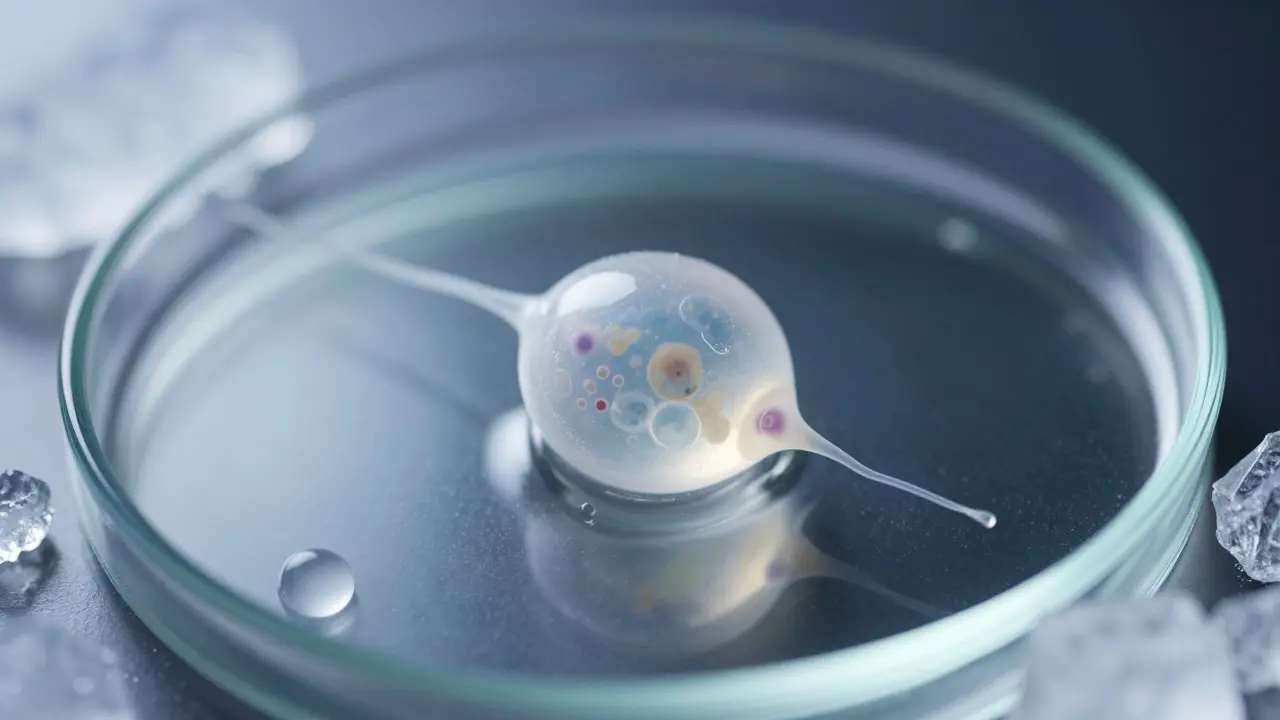
The Process: What to Expect
The journey starts with a consultation. Your doctor will review your medical history and perform an ultrasound to count your antral follicles. If you proceed, you’ll begin injectable hormones for 10 to 14 days. During this phase, you’ll visit the clinic every few days for blood work and ultrasounds to monitor growth. Once the eggs are mature, you’ll receive a trigger shot to finalize maturation. About 36 hours later, the retrieval happens under sedation. It takes about 20 minutes. Most people go home the same day, feeling bloated or crampy for a few days.
Complications are rare but possible. Ovarian Hyperstimulation Syndrome (OHSS) occurs in about 5% of cases, causing abdominal swelling and fluid retention. Modern protocols have reduced this risk significantly, but it’s still a conversation to have with your specialist.
Success Rates and Limitations
Here is the hard truth: freezing eggs buys time, not certainty. Success rates depend heavily on your age at the time of freezing, not when you use them. A woman who freezes 15 eggs at 30 has a much higher chance of a live birth per cycle than someone who freezes 15 eggs at 38. Vitrification has improved survival rates to over 90%, meaning most frozen eggs survive the thawing process. However, only about 50-70% of thawed eggs will fertilize, and fewer will become viable embryos.
If you are over 38, discuss alternatives with your doctor. Sometimes, freezing embryos (if you have a partner) offers slightly better outcomes because you can see how the eggs respond to fertilization before committing to long-term storage. But for single women without a known partner, egg freezing remains the standard path.

Practical Tips for Making the Decision
- Get Baseline Testing Now: Don’t wait. An AMH test and antral follicle count give you a snapshot of your current reserve. This data helps you decide if you need to act urgently or if you have a buffer.
- Interview Clinics: Ask about their specific success rates for your age group. Ask how many eggs they expect you to retrieve based on your reserve. Transparency matters.
- Plan for the Downtime: You’ll need about a week off work for the stimulation and retrieval phases. Coordinate with your employer early.
- Consider the Emotional Load: Daily injections and frequent clinic visits can be stressful. Have a support system in place.
- Review Legal Aspects: Understand who owns the eggs if you break up with a partner or change clinics. Ensure your consent forms are clear.
Common Misconceptions
Many women think egg freezing is a "backup plan" that works perfectly. It’s more like an insurance policy. You hope you never need to file a claim, but you’re glad it’s there. Another misconception is that you can freeze unlimited eggs. Your body has a finite reserve, and excessive stimulation doesn’t always yield more eggs-it can sometimes reduce quality. Listen to your doctor’s protocol rather than demanding maximum dosages.
Finally, don’t let the stigma stop you. Fertility preservation is a medical procedure, not a vanity project. It’s a proactive step toward autonomy. Whether you end up using those eggs, finding a partner naturally, or choosing child-free life, having made an informed choice gives you peace of mind.
What is the best age to freeze eggs?
Ideally, between 25 and 35. Egg quality begins to decline noticeably after 35, so earlier freezing generally yields better results. However, even freezing at 37-38 can provide options, though success rates are lower.
How many eggs do I need to freeze?
There is no magic number, but most experts suggest retrieving at least 15-20 eggs to maximize the chance of a live birth. This number depends on your age and ovarian reserve. A doctor can estimate your likely yield based on your AMH and ultrasound results.
Does egg freezing affect my current fertility?
No. The procedure uses eggs that would have been released and lost during that menstrual cycle anyway. It does not deplete your overall ovarian reserve any faster than natural aging.
Can I use frozen eggs without a partner?
Yes. You can use donor sperm to fertilize your frozen eggs later. Many single women choose this route. You will need to complete legal paperwork to establish sole parental rights.
Is egg freezing covered by insurance?
Coverage varies widely. Some employer plans cover it, especially in tech-heavy industries. Others require a medical diagnosis like cancer. Always check with your provider and ask about out-of-network discounts.