Fertility Planning for Women: Timing, Testing, and Options Guide
 Aug, 17 2026
Trying to conceive isn't just about having sex on the right day; it's a strategic process that blends biology, data, and personal readiness. Many women feel overwhelmed by conflicting advice online, but the core of fertility planning remains consistent: understand your cycle, verify your biological baseline, and choose the right intervention level if needed. Whether you are naturally fertile or facing challenges, having a clear roadmap reduces anxiety and increases your chances of success.
This guide breaks down the three pillars of successful conception: precise timing, accurate testing, and understanding your medical options. We will move beyond vague generalizations and look at specific metrics, tools, and clinical realities that help you make informed decisions without wasting time or money.
Understanding Your Cycle: The Foundation of Timing
You cannot plan what you do not measure. The first step in any fertility strategy is establishing a reliable record of your menstrual cycle. While apps like Flo or Clue are popular, they rely on user input and averages, which can be misleading if your cycle varies month to month. For accurate planning, you need objective markers of ovulation.
Ovulation typically occurs 14 days before the start of your next period, not 14 days after the last one. This distinction matters because luteal phase length is relatively stable, while follicular phase length can fluctuate due to stress, illness, or hormonal shifts. To pinpoint this window, consider these methods:
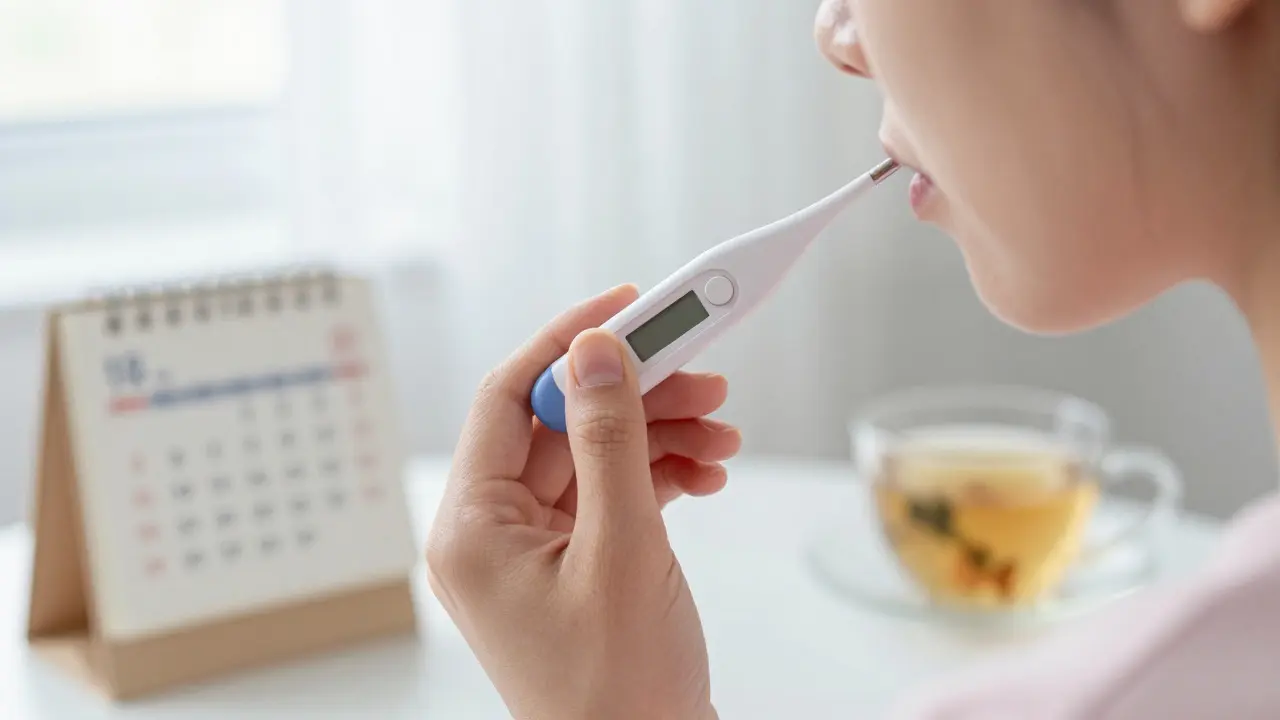
- Basal Body Temperature (BBT): Tracking your morning temperature before getting out of bed. A sustained rise of 0.5-1°F indicates ovulation has already occurred. This confirms ovulation but doesn't predict it in advance.
- Luteinizing Hormone (LH) Kits: Over-the-counter urine tests detect the LH surge that triggers egg release within 24-36 hours. These are highly effective for predicting the fertile window.
- Cervical Mucus Monitoring: Observing changes in discharge. Fertile mucus resembles raw egg whites-clear, stretchy, and slippery. This method requires practice but offers real-time feedback.
The most robust approach combines two methods. Using an LH kit to identify the surge and BBT to confirm it provides a double-check system. If you use only one method, you risk missing the narrow 12-24 hour window when the egg is viable.
Essential Fertility Testing: What to Check First
Before diving into expensive treatments, you need a baseline assessment. Not every test is necessary for everyone, but certain markers give you critical insight into your ovarian reserve and hormonal balance. Here is what to discuss with your healthcare provider:
| Test Name | What It Measures | Timing | Key Insight |
|---|---|---|---|
| AMH (Anti-Mullerian Hormone) | Ovarian reserve (egg count) | Any day of cycle | Low AMH suggests fewer eggs remaining, not necessarily poor quality. |
| FSH (Follicle-Stimulating Hormone) | Ovarian function | Day 2-3 of cycle | Elevated FSH may indicate diminished ovarian reserve. |
| Progesterone | Confirmation of ovulation | 7 days post-ovulation | Levels above 3 ng/mL generally confirm ovulation occurred. |
| TSH (Thyroid Stimulating Hormone) | Thyroid function | Any day | Optimal range for conception is often cited as <2.5 mIU/L. |
It is crucial to interpret these results in context. An AMH level of 1.0 ng/mL might sound low, but if you are under 30, you likely still have plenty of viable eggs. Conversely, a normal AMH does not guarantee easy conception, as egg quality declines with age regardless of quantity. Always pair lab results with a physical exam and discussion of your partner’s sperm analysis, as male factors account for roughly 40-50% of infertility cases.
Navigating Medical Options: From Natural to Assisted
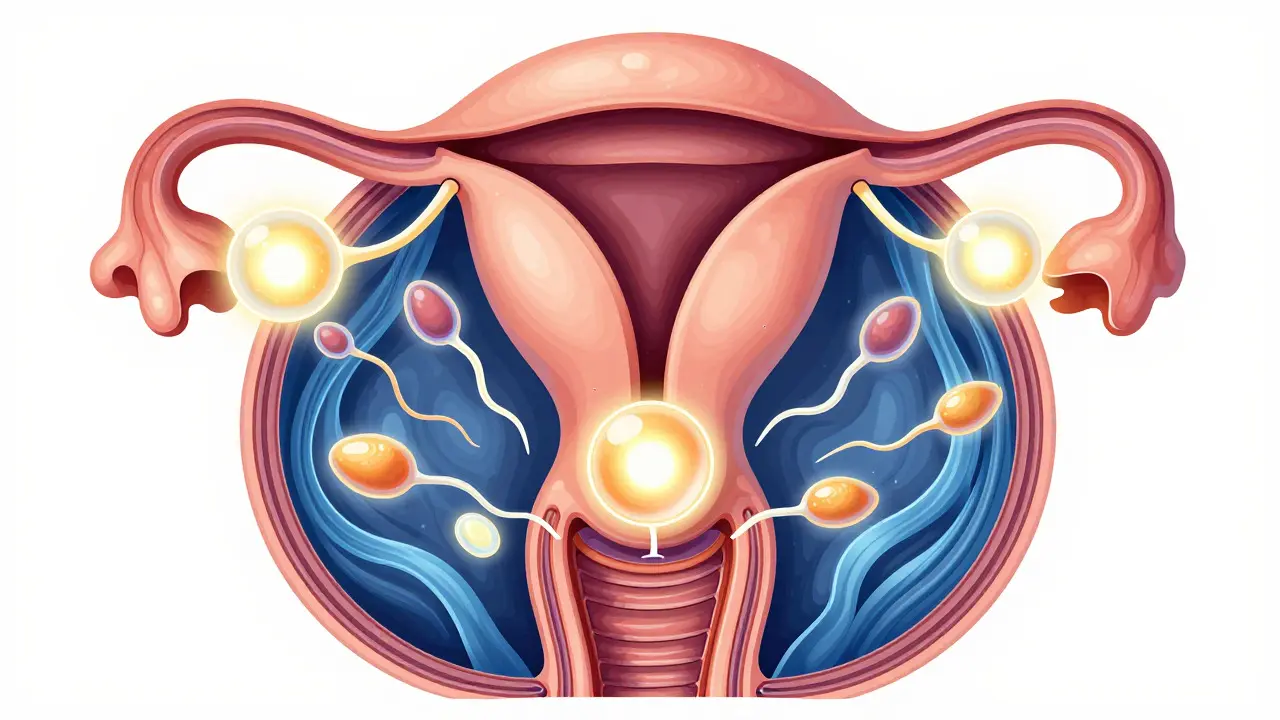
If natural conception hasn’t happened after 6 months of well-timed attempts (or 12 months if you are over 35), it is time to escalate your approach. The landscape of fertility treatment is vast, but most paths fall into three categories based on invasiveness and cost.
1. Ovulation Induction This is often the first medical step. Doctors prescribe oral medications like letrozole or clomiphene citrate to stimulate the ovaries to produce more eggs. This works best for women with irregular cycles or mild PCOS. Success rates vary, but many couples conceive within 3-6 cycles. The downside? Multiple pregnancies are more common, and side effects like hot flashes or mood swings can occur.
2. Intrauterine Insemination (IUI) Also known as artificial insemination, IUI involves placing washed sperm directly into the uterus around the time of ovulation. This bypasses cervical barriers and improves sperm placement. It is less invasive than IVF and costs significantly less, often ranging from $1,000 to $3,000 per cycle depending on location. However, success rates drop sharply after age 38, making it less effective for older patients.
3. In Vitro Fertilization (IVF) IVF is the gold standard for complex infertility issues. Eggs are retrieved from the ovaries, fertilized in a lab, and the resulting embryo is transferred back. While it is the most expensive option, starting at $12,000-$15,000 per cycle before medication, it offers the highest control and diagnostic information. You can screen embryos for chromosomal abnormalities (PGT-A), which is particularly valuable for women over 40 or those with recurrent miscarriages.
Choosing between these options depends on your diagnosis, budget, and age. A 32-year-old with unexplained infertility might try IUI first, while a 41-year-old with diminished ovarian reserve would likely jump straight to IVF to maximize time efficiency.
Lifestyle Factors That Actually Matter
While medical interventions get the headlines, daily habits play a significant role in fertility outcomes. You don’t need to overhaul your entire life, but focusing on a few high-impact areas can improve egg quality and overall health.
- Nutrition: Prioritize whole foods rich in antioxidants. Berries, leafy greens, and nuts support hormonal balance. Excessive caffeine (over 400mg/day) and trans fats should be minimized.
- Weight Management: Both underweight and overweight statuses can disrupt ovulation. Maintaining a BMI between 18.5 and 24.9 is associated with higher conception rates.
- Stress Management: Chronic stress elevates cortisol, which can interfere with reproductive hormones. Techniques like mindfulness, yoga, or simply ensuring adequate sleep (7-9 hours) are not just wellness trends-they are physiological necessities for conception.
- Toxin Exposure: Endocrine-disrupting chemicals found in some plastics, pesticides, and personal care products can impact hormone levels. Switching to glass containers and choosing fragrance-free products is a simple, low-cost adjustment.
Remember, lifestyle changes take time to show results in your body. Consistency over several months is key, as egg development takes approximately 90 days to complete its final maturation stage.

Building a Support System
Fertility journeys are emotionally taxing. The wait, the medical procedures, and the uncertainty can strain relationships and mental health. Building a support system is not optional-it’s essential.
Consider joining local or online support groups where you can share experiences with others who understand the unique stressors of trying to conceive. Therapy focused on reproductive loss or anxiety can also provide coping strategies. Communication with your partner is vital; ensure you are both aligned on goals, budgets, and emotional boundaries. Sometimes, hiring a fertility counselor can help navigate these conversations objectively.
Finally, keep a journal. Recording your symptoms, emotions, and medical appointments helps you track patterns and provides concrete data for your doctor. It also serves as a historical record of your journey, which can be comforting during difficult times.
FAQs About Fertility Planning
How long should we try naturally before seeing a doctor?
If you are under 35, doctors typically recommend seeking evaluation after 12 months of unprotected intercourse. If you are 35 or older, shorten this window to 6 months due to the rapid decline in fertility potential. If you have known conditions like endometriosis or irregular periods, see a specialist immediately.
Does stress really prevent pregnancy?
Chronic stress can alter hormone production, potentially delaying ovulation or affecting implantation. However, occasional stress is normal. The goal is not to eliminate all stress but to manage chronic levels through rest, exercise, and mental health support.
Is IVF painful?
The egg retrieval procedure is performed under sedation, so you won't feel pain during it. Some cramping or bloating may occur afterward. The transfer itself is quick and usually painless, similar to a Pap smear. Most discomfort comes from the injection regimen required to stimulate the ovaries.
Can menopause affect fertility planning?
Perimenopause, the transition phase before menopause, can cause irregular cycles and lower egg quality. If you are approaching menopause, time is critical. Discuss egg freezing or immediate IVF with a specialist, as natural conception becomes increasingly unlikely once periods stop completely.
Are fertility supplements worth taking?
A basic prenatal vitamin containing folic acid is essential for preventing neural tube defects. Supplements like CoQ10 or DHEA may support egg quality in specific cases, but evidence is mixed. Always consult your doctor before starting new supplements to avoid interactions with other medications.