Farmers Market Guide for Women: Shop Seasonal and Save
 Oct, 12 2026
You walk into the farmers market with $50 in your pocket and a vague idea of making dinner. You leave with three bags of heavy vegetables, two jars of expensive honey, and zero meals planned. Sound familiar? Most of us have been there. We treat the market like a treasure hunt rather than a grocery run, grabbing things because they look pretty or smell good, not because they fit our lives.
Here is the truth: farmers markets are actually one of the cheapest places to buy high-quality food if you know how to navigate them. They aren't just for wealthy folks who want artisanal kale chips. For women juggling budgets, health goals, and busy schedules, these markets offer a direct line to fresh nutrition without the markup of big-box stores. But you need a strategy.
The Mid-Week Shift: Why Timing Matters More Than Location
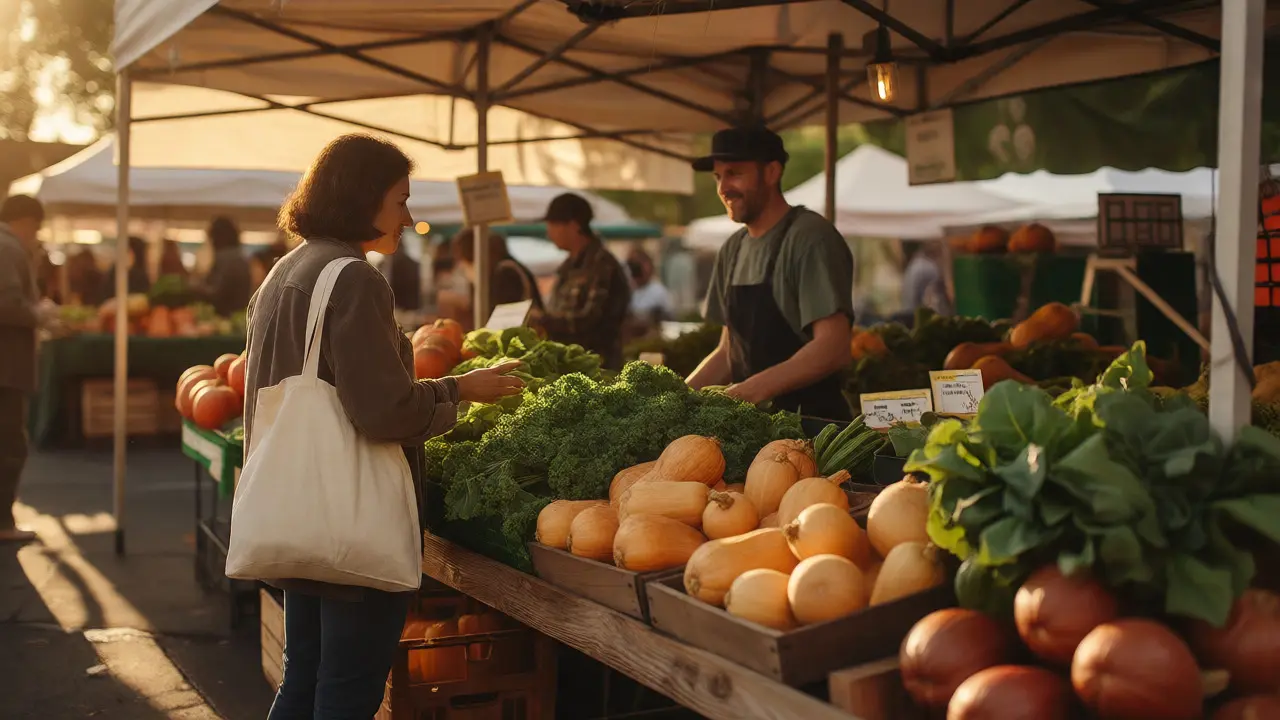
Stop going on Saturday morning at 10 AM if you want to save money. That is peak tourist hour. Prices are fixed, crowds are thick, and vendors are holding out for full-price sales. If you can swing it, go late Sunday afternoon or even mid-week if your local market has a secondary day. Vendors often discount perishables like berries, leafy greens, and fresh herbs right before packing up to avoid hauling them back home.
I’ve seen tomatoes drop from $4/lb to $1/lb in the last thirty minutes of a Sunday shift. It’s not charity; it’s logistics. When you time your visit correctly, you stretch that $50 bill significantly further. This simple shift turns a luxury outing into a practical financial win.
Negotiation Isn't Just for Cars
Many women feel awkward asking for discounts at local stalls. We worry about being rude or cheap. But remember: you are talking directly to the person who grew the food. There is no corporate overhead here. If you are buying five pounds of apples instead of two, ask if there is a bulk price. A simple "If I take this whole flat, what’s the best price you can do?" works wonders.
Vendors prefer moving volume over holding inventory overnight. They respect customers who plan ahead. Don’t be afraid to bundle items across different stalls too. Buy your carrots from the root vegetable guy and your onions from the same stall? Ask for a combined total. It creates a sense of partnership rather than transaction.
Building Your Weekly Template
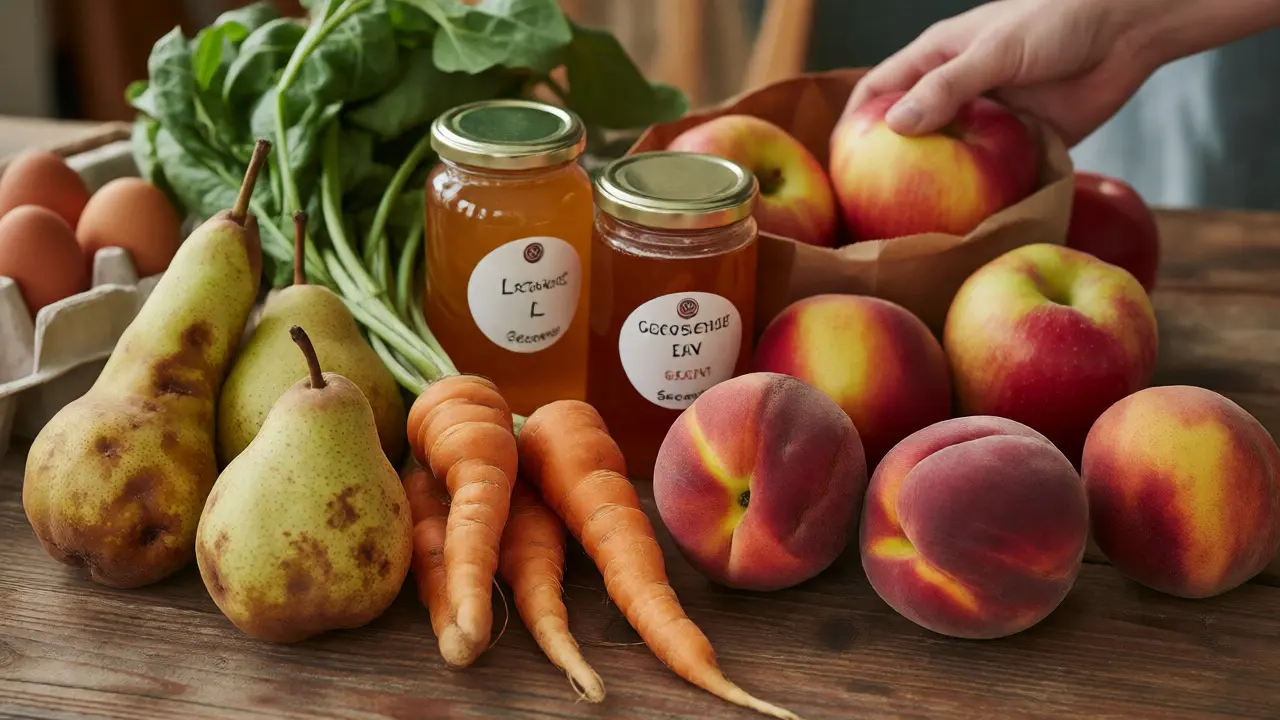
Impulse buying kills budgets. Instead of wandering aimlessly, build a loose weekly template based on what’s actually in season right now. In October 2026, in Portland, Oregon, we are deep in the harvest of squashes, pears, late-season tomatoes, and hearty greens like kale and chard. Knowing this prevents you from paying premium prices for out-of-season strawberries shipped from California.
- The Anchor: Pick one protein (eggs, cheese, or meat) and one major vegetable batch (squash or potatoes).
- The Flavor Boosters: Grab fresh herbs, garlic, or citrus to elevate simple dishes.
- The Snack: One fruit item that requires no prep, like apples or pears.
This structure keeps you focused. You aren't looking for "dinner ideas." You are looking for specific components that fit your kitchen reality.
| Produce Item | Supermarket Price (Avg) | Farmers Market Price (Bulk/Late) | Savings Strategy |
|---|---|---|---|
| Butternut Squash | $2.99/lb | $1.50/lb | Buy whole, roast in batches |
| Kale | $3.99/bunch | $2.00/bunch | Strip leaves, freeze for smoothies |
| Eggs (Local) | $5.00/dozen | $4.00/dozen | Subscribe to CSA share |
| Pears | $1.89/lb | $1.00/lb | Buy seconds (cosmetic blemishes) |
Embrace the "Ugly" Produce
Supermarkets train us to reject anything with a spot or an odd shape. Farmers don’t care if your pear looks like a potato as long as it tastes sweet. Many stalls sell "seconds" or "canning grade" fruits and veggies at half the price. These are perfectly nutritious items that just don’t meet aesthetic standards for display.
For soups, stews, roasts, and smoothies, appearance is irrelevant. Buying ugly produce reduces food waste and saves you cash. Next time you see a bin labeled "Seconds," dive in. You might find the sweetest peaches of the year hiding under a bruise.
Storage Is Part of Shopping
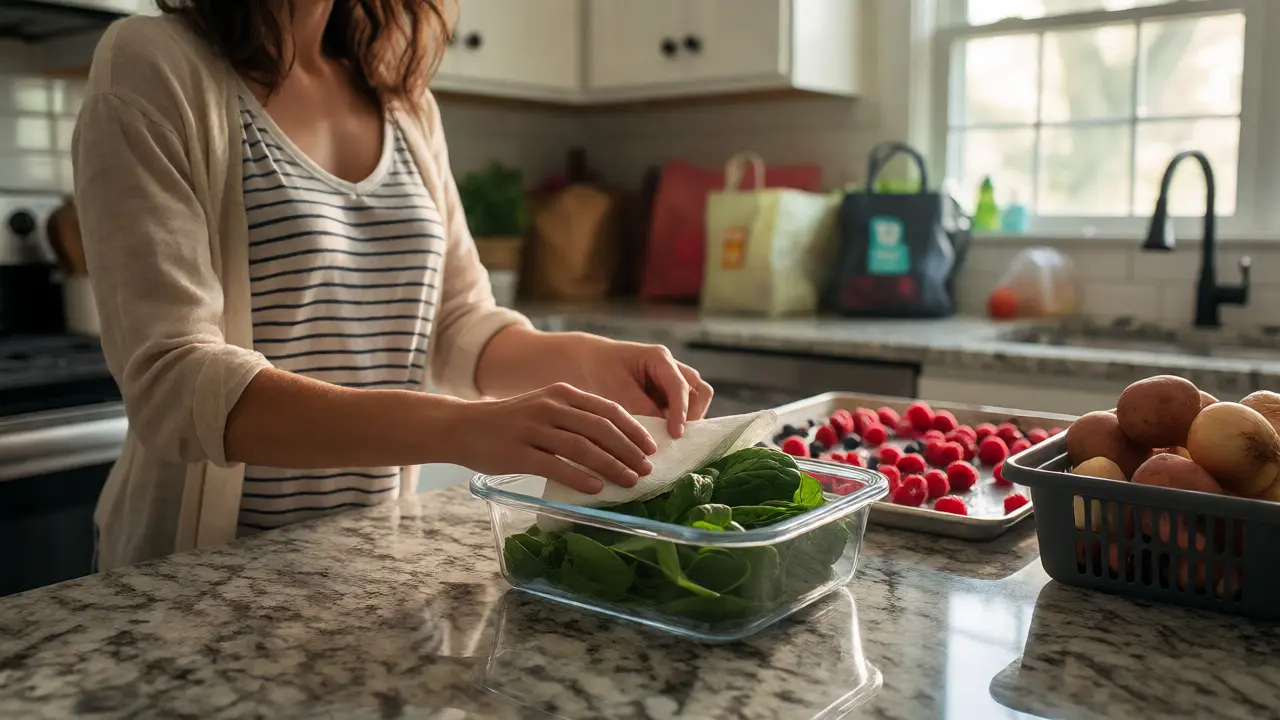
Buying cheap doesn’t help if you throw it away. Farmers market produce lacks the wax coatings and preservatives found in supermarket goods. It spoils faster. To make your savings stick, you need proper storage habits immediately after checkout.
Keep delicate greens dry. Wrap lettuce and spinach in paper towels inside a sealed container. Store root vegetables in cool, dark places, not the fridge, unless it’s extremely hot. Freeze excess berries immediately on a baking sheet before bagging them so they don’t clump. Treating fresh food with respect extends its life by days, sometimes weeks, maximizing every dollar spent.
Community Connections Pay Off
Regulars get perks. When you become a familiar face, vendors start saving the best picks for you or offering off-menu deals. They might tell you which variety of tomato is sweeter this week or warn you that the peppers are mild, not hot. This insider knowledge helps you cook better and waste less.
Plus, chatting with growers builds community resilience. You learn their stories, understand the labor behind your food, and often discover new recipes they use themselves. It transforms shopping from a chore into a social ritual that supports local agriculture.
Is farmers market shopping really cheaper than supermarkets?
It depends on timing and selection. Peak-season staples bought in bulk or during vendor clearance hours are often cheaper. Specialty items like heirloom tomatoes may cost more. Focus on swapping processed foods for whole ingredients to see net savings.
How much cash should I bring to my first market trip?
Start with $20-$30. This limits risk while you learn prices and quality. Bring small bills ($1s and $5s) because many vendors dislike breaking large notes, and it makes negotiation easier. Many markets now accept cards, but cash offers leverage.
What is the best time to visit for discounts?
The final hour of the market day is ideal. Vendors are eager to lighten their load before packing up. Early mornings are great for selection, but late afternoons are better for value.
Do I need to wash produce differently when buying from farms?
Yes. Farm-fresh produce hasn't been washed with commercial sanitizers. Rinse thoroughly under cold running water. For leafy greens, soak briefly in cold water with a splash of vinegar, then spin dry. This removes field dust and natural bacteria effectively.
Can I negotiate prices on all items?
Not always. Fixed-price items like eggs or baked goods rarely change. However, bulk purchases of produce, especially near closing time, are highly negotiable. Always ask politely; a smile goes a long way.