Essential Sauces Every Woman Should Master: From Pesto to Pan Sauce
 May, 20 2026
There is a specific kind of magic that happens when you turn plain roasted vegetables or a simple piece of grilled chicken into something restaurant-quality. The secret isn't usually an exotic spice blend or a technique learned at culinary school. It is the sauce. Specifically, it is knowing which sauce to make and how to make it quickly.
We often overlook sauces, which are liquid or semi-liquid preparations used to enhance the flavor, moisture, and appearance of food. We think they are just condiments on the side. But in reality, they are the backbone of home cooking. For women juggling work, family, and personal time, mastering a few essential sauces transforms dinner from a chore into a joy. You stop ordering takeout because you realize you can make a dish taste incredible in under fifteen minutes using ingredients you already have.
The Foundation: Understanding Mother Sauces
Before we jump into recipes, let's look at why some sauces feel harder than others. In professional kitchens, chefs rely on "mother sauces" as their base. These were codified by Marie-Antoine Carême and later refined by Auguste Escoffier. While you don't need to memorize French history to cook well, understanding these categories helps you improvise.
The five classic mother sauces are Béchamel (milk and butter), Velouté (stock and butter), Espagnole (brown stock and tomato), Hollandaise (egg yolk and butter), and Tomato sauce. Most other sauces are derivatives. A Mornay sauce is just Béchamel with cheese added. A Pan sauce is essentially a derivative of a reduction. Knowing this means if you run out of cream, you know you can thicken milk with flour to create a similar texture. It removes the fear of "getting it wrong."
Pesto: More Than Just Basil
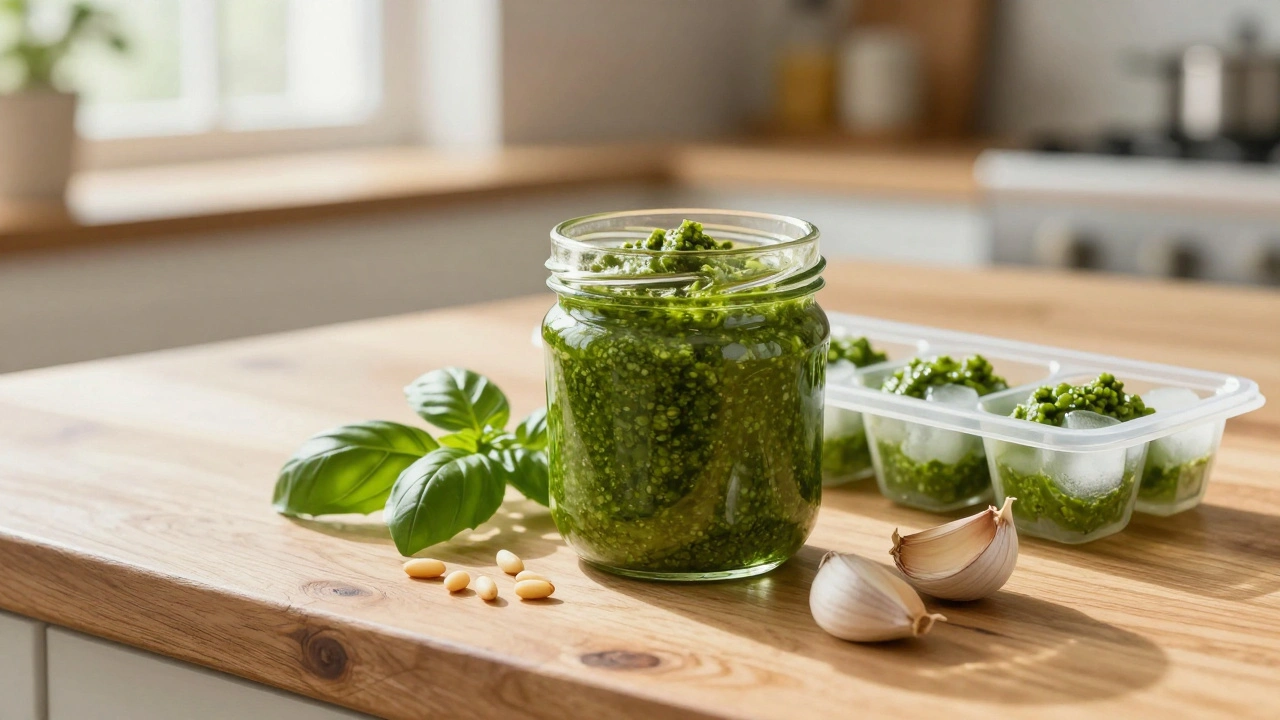
When people hear "pesto," they picture green basil leaves. But Pesto alla Genovese is a traditional Italian sauce originating from Genoa, made with fresh basil, pine nuts, garlic, Parmigiano-Reggiano cheese, olive oil, and salt. It is not cooked; it is emulsified. This makes it incredibly versatile and perfect for busy weeknights.
The beauty of pesto lies in its flexibility. If you don't have pine nuts, use walnuts or almonds. They add a different crunch but still provide the necessary fat content to bind the sauce. If you are low on basil, try spinach or even kale for a deeper, earthier flavor profile. I often make a large batch on Sunday, pour it into an ice cube tray, and freeze it. When Monday rolls around and I am tired after work, I drop two cubes into hot pasta water. The heat melts the oil and cheese instantly, creating a glossy coating for the noodles without any extra effort.
- Key Ingredient: High-quality extra virgin olive oil. Cheap oil tastes bitter and ruins the delicate basil flavor.
- Technique Tip: Pulse, don't puree. You want texture, not soup. Leave some chunks of nut and basil visible.
- Storage: Add a thin layer of olive oil on top before refrigerating to prevent oxidation (turning black).
Pan Sauce: The Five-Minute Miracle
If there is one sauce every woman should master, it is the pan sauce. Also known as a deglazing sauce, it turns the browned bits left in your skillet into a rich, savory gravy. It requires no prep time because you start making it while your protein is resting. That is the key-never wash the pan immediately after cooking.
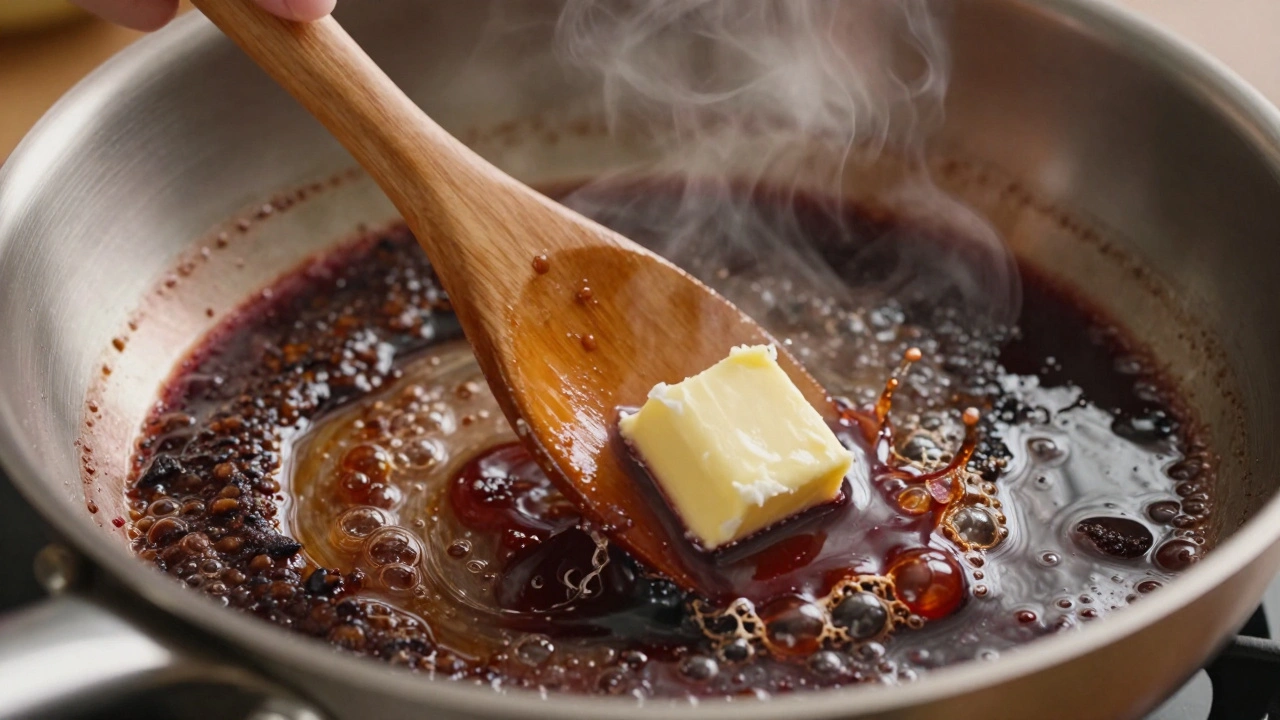
A Pan Sauce is a quick sauce made by deglazing a hot skillet with liquid, scraping up caramelized food particles, and reducing the mixture with butter or cream. Here is how it works logically. When you sear chicken thighs or steak, proteins and sugars stick to the metal and burn slightly. This is called fond. Fond is pure concentrated flavor. If you throw that away, you are throwing away flavor.
To make it, remove the meat from the pan. Let it rest on a plate. Pour in a splash of red wine, white wine, or even chicken broth. Use a wooden spoon to scrape the bottom vigorously. Those dark bits will dissolve into the liquid. Let it boil for a minute to reduce the alcohol and concentrate the taste. Finally, whisk in a cold tablespoon of butter off the heat. The butter emulsifies with the liquid, making it silky and thick. It takes less time than preheating the oven.
Hollandaise: Fearless Emulsions
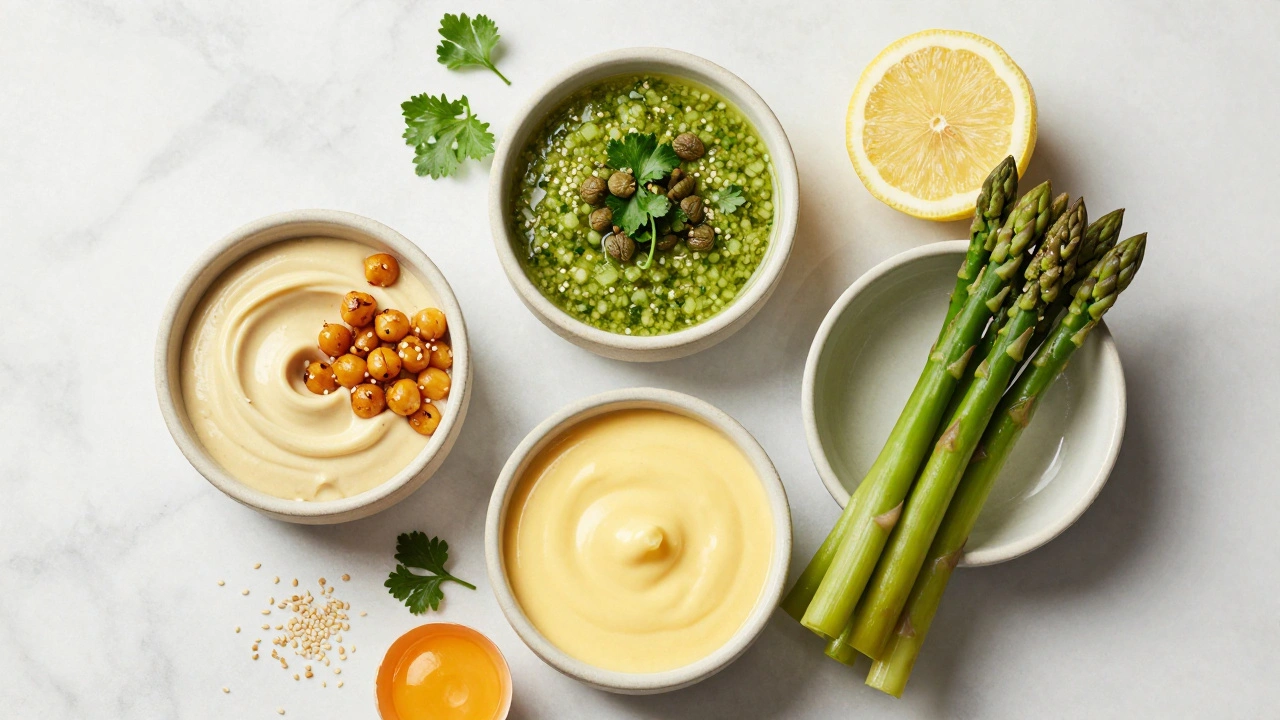
Hollandaise gets a bad reputation for being difficult. People say it breaks easily. It does, but only if you treat it like a science experiment rather than a kitchen task. Hollandaise Sauce is an emulsion of egg yolks and clarified butter, stabilized with acid, traditionally served with Eggs Benedict or asparagus. It is basically warm mayonnaise.
The trick is temperature control. Egg yolks scramble at high heat. You need gentle, indirect heat. A double boiler works perfectly. Place a heat-proof bowl over a pot of simmering water. Whisk the yolks with lemon juice until they lighten in color. Then, drizzle in melted butter very slowly. Do not dump it all in at once. Your arm will get tired, but the slow incorporation builds the structure. Once it thickens, season with salt and cayenne pepper. If it gets too thick, add a teaspoon of warm water. If it starts to curdle, add a teaspoon of cold water and whisk furiously. It usually saves itself.
This sauce elevates boring vegetables. Roasted broccoli with Hollandaise tastes like something from a fancy brunch spot. It adds richness to lean proteins like fish or chicken breast without feeling heavy.
Tahini Sauce: The Plant-Based Powerhouse
In recent years, plant-based diets have moved from niche to mainstream. Tahini sauce has become a staple because it is creamy, nutty, and packed with nutrients. Tahini is a paste made from ground sesame seeds, widely used in Middle Eastern cuisine as a base for hummus and sauces. Unlike dairy creams, tahini does not spoil quickly and provides healthy fats.
Making a great tahini sauce is about balance. Straight tahini can be bitter and dry. You need three things to fix it: acid, water, and garlic. Start with half a cup of tahini. Add two tablespoons of lemon juice. Mix them together. At first, the mixture will seize up and look clumpy. This is normal. Keep adding warm water, one tablespoon at a time, while whisking. It will suddenly loosen and become smooth and pale. Add minced garlic and a pinch of cumin. Drizzle this over roasted cauliflower, chickpeas, or grain bowls. It replaces the need for ranch dressing entirely.
Salsa Verde: Brightness for Rich Foods
When you eat heavy foods like roast beef or pork chops, you need acidity to cut through the fat. Salsa verde is that answer. Salsa Verde is an Italian green sauce made primarily of parsley, capers, anchovies, garlic, and olive oil, used to brighten rich dishes. It sounds intense, but the flavors mellow out when combined.
You can buy this in a jar, but it tastes metallic and overly salty. Fresh salsa verde takes ten minutes. Blend flat-leaf parsley, capers, shallots, and maybe an anchovy fillet if you want depth. If you hate anchovies, skip them; the capers provide enough brine. Pulse in olive oil until it forms a coarse paste. Serve this alongside roasted potatoes or grilled fish. The sharp herbal notes wake up your palate between bites of fatty meat.
| Sauce Name | Primary Base | Best Paired With | Prep Time | Shelf Life |
|---|---|---|---|---|
| Pesto | Olive Oil & Herbs | Pasta, Chicken, Bread | 5 Minutes | 1 Week Fridge / 3 Months Freezer |
| Pan Sauce | Wine/Broth & Butter | Steak, Pork Chops, Fish | 5 Minutes (while meat rests) | Use Immediately |
| Hollandaise | Egg Yolk & Butter | Eggs, Asparagus, Salmon | 10 Minutes | Same Day Only |
| Tahini | Sesame Paste | Vegetables, Grains, Falafel | 5 Minutes | 1 Week Fridge |
| Salsa Verde | Parsley & Acid | Roast Beef, Pasta, Fish | 10 Minutes | 2 Weeks Fridge |
Common Mistakes to Avoid
Even experienced cooks make mistakes with sauces. One common error is seasoning at the end. Salt affects how liquids behave. If you salt a pan sauce early, it draws out moisture and helps reduce faster. If you forget to salt pesto, it tastes bland no matter how much basil you add. Taste your sauce before you serve it. Adjust the acid level with lemon juice or vinegar if it feels too heavy. Adjust the sweetness with a pinch of sugar if the tomatoes are too tart.
Another mistake is using low-quality ingredients for simple sauces. Pesto has only five main ingredients. If the olive oil tastes waxy, the pesto will taste waxy. If the cheese is old and crumbly, the sauce won't emulsify. Invest in good basics. Buy whole nuts and toast them yourself for fresher flavor. Toasting releases oils that make the sauce richer.
Building Your Sauce Library
You do not need to make all five sauces every week. Start with one. Maybe you love chicken. Learn the pan sauce. Make it until you can do it without looking at a recipe. Then move to pesto because it keeps well. Once you have those two down, you cover most dinner scenarios. Meat gets the pan sauce. Vegetarian nights get the pesto or tahini.
Cooking becomes less stressful when you have a toolkit. Instead of wondering what to make, you look at what protein you have and ask, "Which sauce fits?" This mindset shift changes how you shop and how you cook. You stop buying pre-made jars that cost $4 each and contain preservatives. You start making sauces that cost pennies per serving and taste infinitely better.
Can I freeze homemade pesto?
Yes, pesto freezes very well. To preserve the bright green color, add a thin layer of olive oil on top before freezing. Ice cube trays are convenient for portion control. Thaw in the refrigerator overnight before using.
Why did my Hollandaise sauce break?
Hollandaise breaks when the emulsion separates due to heat shock or adding butter too quickly. To fix it, place a clean bowl over warm water, add one teaspoon of hot water, and gradually whisk the broken sauce into the new bowl. The heat and agitation will re-emulsify it.
What can I use instead of wine for a pan sauce?
If you do not drink alcohol, use chicken broth, vegetable broth, or apple cider vinegar mixed with water. The goal is to deglaze the pan, so any acidic or flavorful liquid works. Balsamic vinegar also adds a nice sweetness.
How long does tahini sauce last in the fridge?
Tahini sauce lasts up to one week in an airtight container in the refrigerator. It may separate slightly upon standing; just stir it well before using again. Adding fresh lemon juice before serving restores brightness.
Is Salsa Verde spicy?
Traditional Italian Salsa Verde is not spicy; it is herbaceous and tangy. However, you can add red pepper flakes or jalapeños if you prefer heat. The primary flavor comes from parsley, capers, and garlic.
Can I make pan sauce with non-stick pans?
It is difficult. Non-stick surfaces prevent the fond (browned bits) from sticking, which is the source of the sauce's flavor. Use stainless steel or cast iron skillets for the best results. If you must use non-stick, rely more on herbs and butter since you cannot scrape up the fond.