Eating Out While Healthy: Women’s Menu Strategies That Work
 Sep, 19 2026
You’re at a restaurant with friends. The menu is huge, the smells are intoxicating, and your goal was to eat clean this week. Suddenly, that plan feels impossible. Sound familiar? Most of us think healthy eating means cooking every meal from scratch. But life happens. Dinners out, business lunches, weekend brunches-they’re part of being an adult. The trick isn’t avoiding restaurants; it’s knowing how to navigate them without derailing your health goals.
Here’s the reality: restaurant food is often engineered for taste, not nutrition. Chefs use butter, salt, and sugar liberally to make dishes crave-able. For women specifically, metabolic needs differ slightly from men’s, especially regarding iron, calcium, and hormonal balance. You don’t need a degree in dietetics to order smartly. You just need a few reliable strategies that work whether you’re at a bistro or a fast-casual spot.
The Pre-Meal Mindset Shift
Before you even look at the menu, check your hunger levels. Did you skip lunch because you were busy? Are you stressed? Eating out while starving is a recipe for ordering the most calorie-dense item on the page. A simple rule of thumb: if your stomach is growling, have a small snack beforehand. An apple, a handful of almonds, or a protein shake can take the edge off. This prevents the "hangry" impulse buy-ordering fries because everything else looks boring.
Also, decide what you want before you arrive. Menus are designed to overwhelm you with choices. If you walk in already committed to a grilled salmon salad with dressing on the side, you’re less likely to get swayed by the picture of the loaded burger. This pre-commitment saves mental energy and keeps you aligned with your nutritional targets.
Navigating the Menu Like a Pro
Menus aren’t just lists of food; they’re psychological maps. Notice where the eye goes first. Usually, it’s the top right corner or the center of the page. These spots often hold high-margin, high-calorie items. Scan the entire menu instead. Look for keywords that signal healthier preparation methods.
- Grilled, baked, steamed, poached: These words indicate no added fats during cooking.
- Crispy, breaded, creamy, scalloped: These usually mean fried or loaded with sauces.
- Sautéed: Be careful here. It often implies lots of butter or oil unless specified otherwise.
When you see "served with," read closely. Is it served with mashed potatoes (butter-heavy) or roasted vegetables? Can you swap one for the other? Most kitchens will accommodate simple swaps without charging extra. Don’t be shy about asking. Servers expect these requests. They’re not judging you; they’re facilitating your meal.
Portion Control Without Feeling Deprived
Restaurant portions have ballooned over the last two decades. A standard serving size has nearly doubled since the 1980s. What used to be two meals is now one plate. If you finish everything on your plate, you might be consuming double your intended calories.
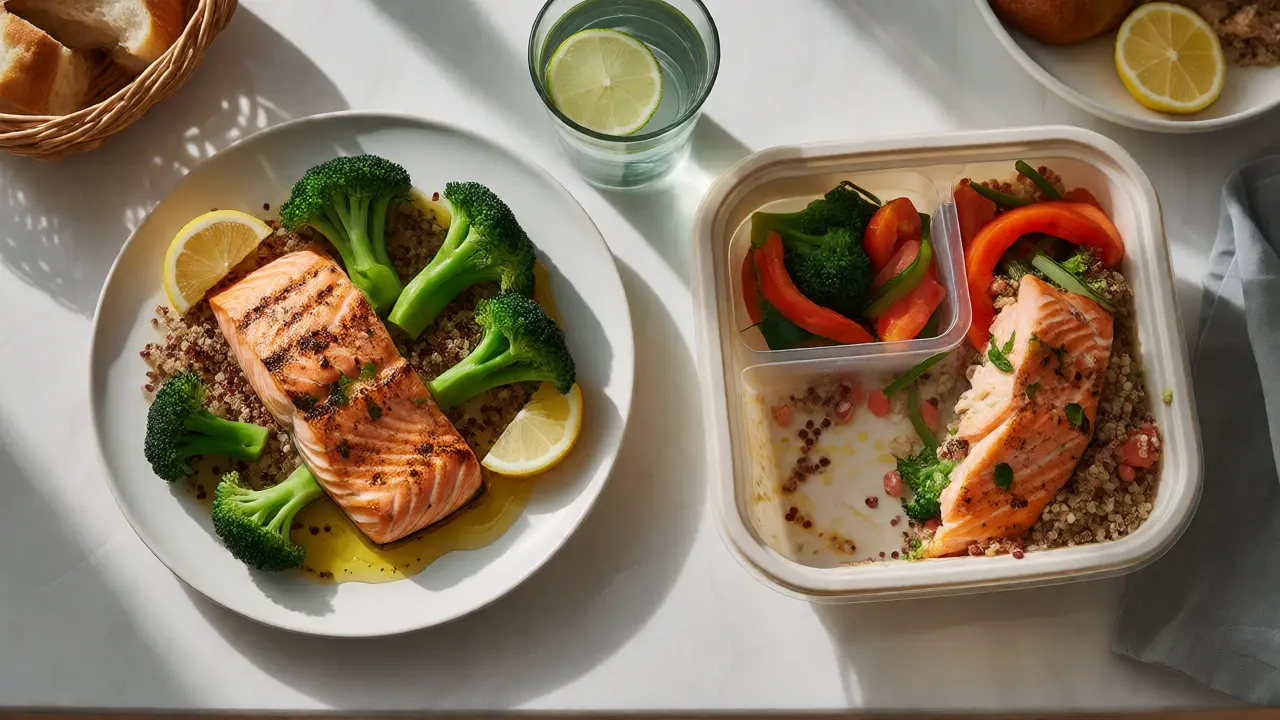
Try the "half-and-half" strategy. As soon as your food arrives, ask for a to-go box. Pack up half the meal immediately. Eat the rest slowly. This does two things: it controls portion size, and it gives you a ready-made lunch for the next day. No more sad desk salads. You get restaurant-quality leftovers, which saves money and time.
Another tactic: share an entrée. Many main courses are large enough for two. Splitting a dish lets you try something special without overindulging. Pair it with a side salad or soup to fill up on fiber and volume rather than dense calories.
Strategic Swaps and Customizations
You have power at the table. Use it. Here are some easy swaps that cut calories but keep satisfaction high:
| Instead of... | Ask for... | Why It Works |
|---|---|---|
| Fries or Chips | Side Salad or Fruit Cup | Adds fiber and vitamins; reduces saturated fat and sodium. |
| Creamy Dressing | Olive Oil and Vinegar | Healthier fats; easier to control amount. |
| Bread Basket | No Bread or Single Roll | Prevents mindless snacking before the meal starts. |
| Rice or Pasta Side | Steamed Broccoli or Green Beans | Lowers carb load; increases nutrient density. |
| Specialty Cocktail | Soda Water with Lime or Wine | Avoids hidden sugars and empty calories. |
Don’t forget about beverages. Liquid calories add up fast. A fancy cocktail can have 300-500 calories, mostly from sugar and alcohol. Stick to water, unsweetened tea, or black coffee. If you want a treat, choose a glass of dry wine or a light beer. Moderation is key.
Focus on Nutrient Density for Women’s Health
Women have specific nutritional needs that change throughout life. Iron, calcium, and vitamin D are critical. When eating out, prioritize foods rich in these nutrients. Lean red meat, spinach, lentils, and fortified cereals are good sources of iron. Dairy products, leafy greens, and sardines provide calcium.
Consider adding a "superfood" side. Order a side of kale, quinoa, or sweet potato. These options pack more vitamins per calorie than refined carbs like white rice or pasta. Your body gets more bang for its buck. Plus, fiber helps regulate blood sugar, preventing the post-meal crash that leaves you reaching for dessert an hour later.
Hormonal health also benefits from omega-3 fatty acids. Choose fish like salmon, mackerel, or sardines when available. Grilled fish is one of the best bets at any restaurant. It’s lean, satisfying, and supports heart and brain health.

Handling Dessert and Social Pressure
Dessert doesn’t have to be off-limits. It’s about frequency and portion. If you really want chocolate cake, order a slice and share it. Or split it with a friend. Savor each bite slowly. Rushing through dessert leads to regret. Slow eating allows satiety signals to reach your brain, so you feel satisfied with less.
Social pressure is real. Friends might push you to order the appetizer platter or the second round of drinks. Remember, you’re there for connection, not competition. Politely decline if you’re full. Say, "I’m stuffed, but thanks!" No explanation needed. True friends respect boundaries. If someone comments on your choice, smile and move on. Your health journey is personal, not public debate material.
Practical Tips for Different Dining Scenarios
Not all restaurants are created equal. Here’s how to handle common situations:
- Italian: Go for tomato-based sauces over cream ones. Order grilled chicken or seafood instead of fried calamari. Skip the garlic bread or share it.
- Mexican: Choose soft tacos over hard shells (fewer preservatives). Load up on beans, salsa, guacamole, and veggies. Skip the sour cream and cheese overload. Burrito bowls without rice are lighter.
- Asian: Stir-fries with plenty of veggies are great. Ask for sauce on the side. Brown rice beats white. Avoid tempura and sweet-and-sour dishes due to high sugar and frying.
- American/Burgers: Order a single patty, no bun, wrapped in lettuce. Add avocado and tomato. Swap fries for a side salad. Or share the burger and get a side of coleslaw (vinegar-based).
Breakfast places can be tricky. Pancakes and waffles are essentially desserts for breakfast. Opt for omelets with veggies, turkey bacon, or whole-grain toast. Smoothies sound healthy but often contain 40+ grams of sugar. Ask for smaller sizes or smoothies made with water or almond milk instead of juice.
Making It Sustainable
Healthy eating out isn’t about perfection. It’s about consistency. One indulgent meal won’t ruin your progress. One perfect meal won’t transform your health. Aim for balance across the week. If you had a heavy dinner Friday, make Monday’s meals lighter. Listen to your body. Some days you’ll crave a salad; other days, you’ll need comfort food. Both are valid.
Keep a food journal if you struggle with awareness. Note how you feel after different restaurant meals. Did the heavy pasta leave you sluggish? Did the grilled fish keep you energized? Patterns emerge quickly. Use that data to guide future orders. Over time, you’ll develop intuition. You’ll know which places serve generous portions, which chefs hide too much salt, and which menus align with your values.
Eating out should be enjoyable, not stressful. With these strategies, you can dine out confidently, nourish your body, and still savor the social experience. It’s not about restriction; it’s about making informed choices that support your well-being long-term.
Is it okay to eat out every day?
Yes, if you make mindful choices. Daily eating out requires stricter attention to ingredients and portions. Prioritize grilled proteins, vegetables, and whole grains. Avoid fried foods and sugary drinks consistently. Planning ahead helps maintain balance despite frequent dining.
How do I avoid hidden calories in sauces?
Always ask for sauces and dressings on the side. This lets you control the amount. Dip your fork into the sauce before taking a bite of food. This way, you get flavor without consuming excessive calories from creamy or sugary condiments.
What are the best low-carb options at restaurants?
Look for grilled meats, fish, and poultry paired with non-starchy vegetables like broccoli, spinach, zucchini, or asparagus. Salads with olive oil vinaigrette are excellent. Avoid breading, pasta, rice, and potatoes. Lettuce wraps can replace tortillas or buns.
Should I skip meals before eating out?
No. Skipping meals often leads to overeating. Have a light, protein-rich snack an hour before your reservation. This stabilizes blood sugar and reduces hunger-driven impulses, helping you make clearer, healthier menu choices.
How can I ensure I get enough iron when eating out?
Choose lean red meats, organ meats, shellfish, or plant-based sources like lentils and spinach. Pair iron-rich foods with vitamin C sources (like bell peppers, citrus, or tomatoes) to enhance absorption. Avoid drinking tea or coffee with meals, as tannins can inhibit iron uptake.