Dressing for Confidence: Practical Women's Style Tips for Every Body Type
 Aug, 17 2026
Walking into a room and feeling like you belong in your own skin isn't about hitting a specific weight or following a fleeting trend. It’s about finding clothes that respect your body’s natural shape while expressing who you are right now. For too long, women's style has been dictated by rigid size charts and seasonal mandates that leave many of us feeling invisible. But true confidence comes from wearing pieces that fit well, feel comfortable, and align with your personal aesthetic, regardless of what the tag says. This approach shifts the focus from hiding parts of yourself to celebrating them, creating a wardrobe that works for you, not against you.
Understanding Your Unique Silhouette
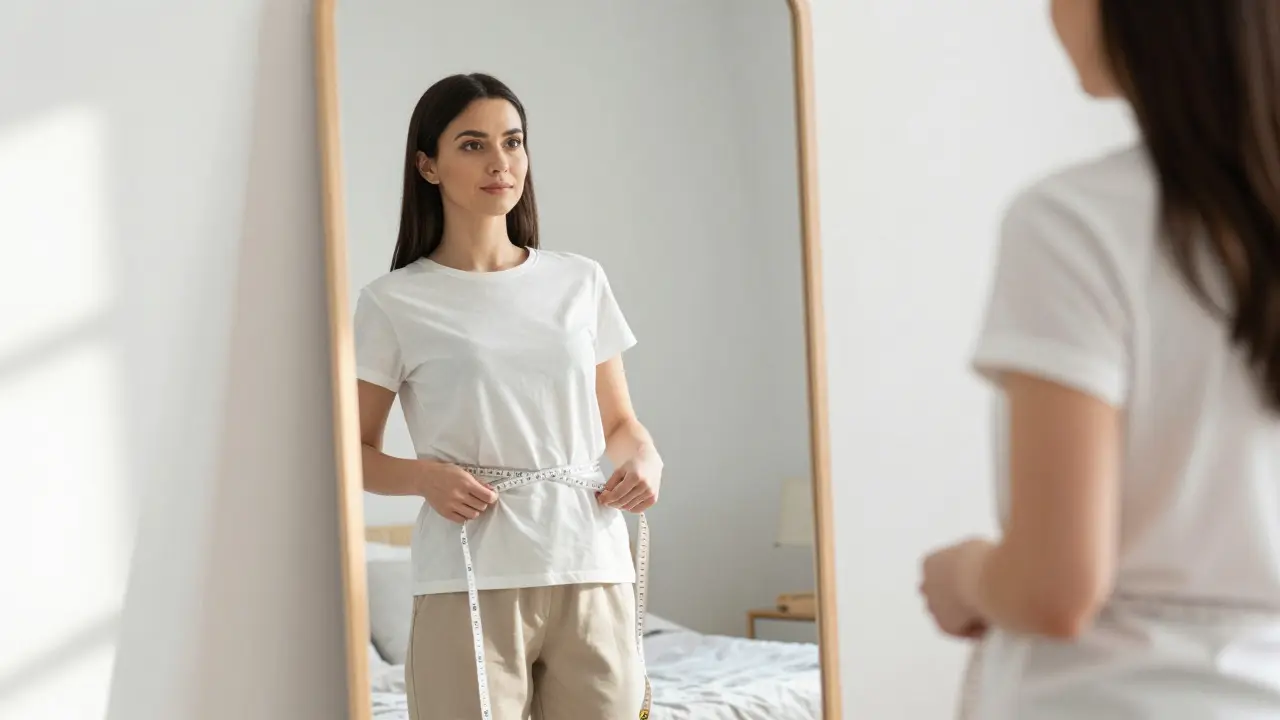
Before you buy another piece of clothing, take a moment to look at your body without judgment. Everyone’s proportions change over time due to age, stress, health, or simply life events. Instead of forcing yourself into a "pear" or "hourglass" label that might have fit five years ago, observe how fabric drapes on your current frame. Do you prefer structure around the waist? Do you love flowy fabrics that move with you? Understanding these preferences is the first step toward building a cohesive look.
- Identify your comfort zones: Which areas do you want to highlight? Which do you prefer to keep covered or relaxed?
- Check your posture: Standing straight helps you see how clothes actually sit on your shoulders and hips.
- Note your movement patterns: If you sit all day, high-waisted pants might dig in; if you’re active, stretchy fabrics might be essential.
This self-assessment isn’t about changing your body; it’s about respecting its reality so your clothes serve you better.
The Power of Fit Over Size
Size labels are arbitrary. A size 10 in one brand can be a size 8 in another. The only metric that matters is how the garment interacts with your specific measurements. When shopping, ignore the number on the tag and focus on three key fit points: the shoulder seam, the waistline, and the length.
| Area | What to Look For | Common Mistake |
|---|---|---|
| Shoulders | Seam sits exactly where your arm meets your torso | Buying oversized tops that swallow your frame |
| Waist | Fabric lies flat without pulling or gaping | Wearing clothes two sizes too big to "hide" curves |
| Hem Length | Pants break slightly at the shoe; dresses fall where intended | Ignoring inseam length when buying online |
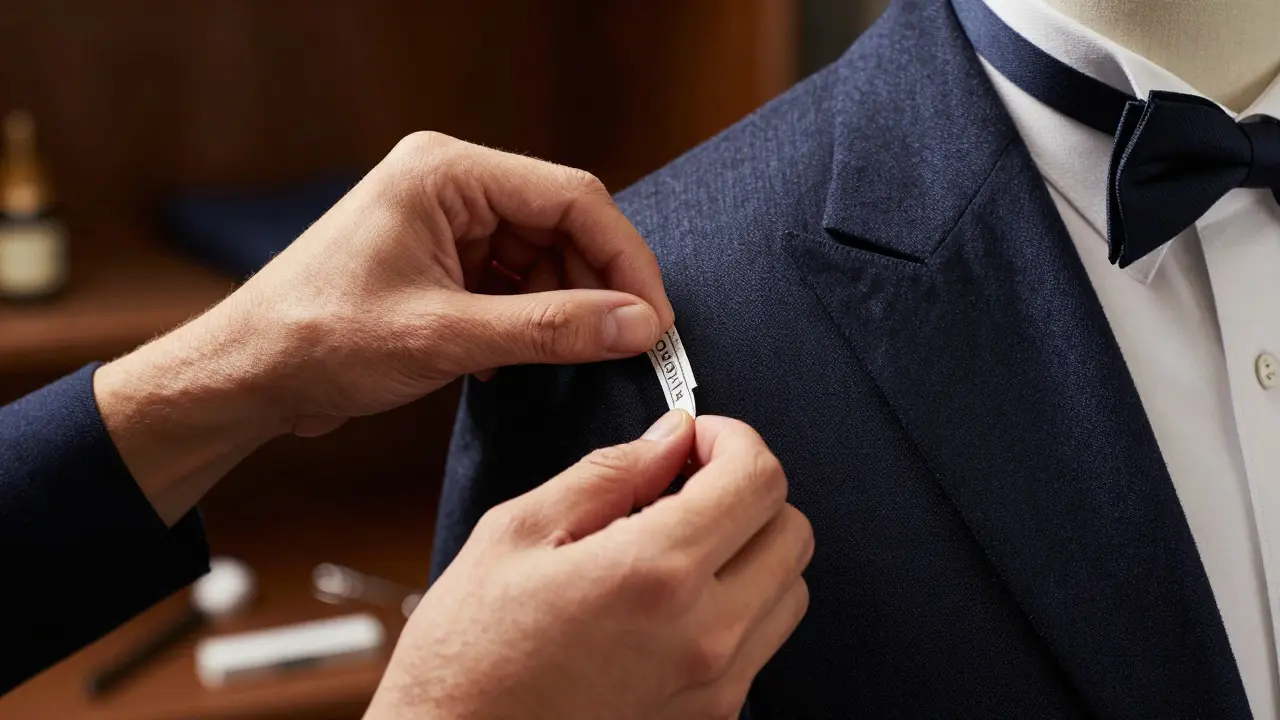
If a jacket pulls across the back when you raise your arms, it’s too tight. If a dress leaves a gap at the small of your back, it’s too loose. Tailoring is your secret weapon here. Spending $30 to hem a pair of trousers or take in a waistband transforms a mediocre store-bought item into a custom-fitting piece that makes you feel polished and intentional.
Building a Versatile Capsule Wardrobe
You don’t need a closet full of outfits to feel stylish. You need a small collection of high-quality basics that mix and match effortlessly. A capsule wardrobe consists of neutral tones and classic silhouettes that work together in multiple combinations. Think of this as your foundation layer. Once you have solid basics, you can add statement pieces that reflect your personality without overwhelming your daily routine.
- Select your neutrals: Choose two or three base colors (like black, navy, beige, or white) that complement your skin tone.
- Invest in quality fabrics: Natural fibers like cotton, linen, and wool breathe better and drape more elegantly than synthetic blends.
- Add texture: Incorporate knits, denim, or structured blazers to add visual interest without relying on loud patterns.
This strategy reduces decision fatigue. When every item in your closet works with every other item, getting dressed becomes a quick, low-stress process rather than a daily battle.
Accessorizing for Personal Expression
Clothes set the stage, but accessories tell your story. Jewelry, scarves, bags, and shoes allow you to tweak an outfit’s vibe without changing the entire ensemble. A simple black t-shirt and jeans can become a professional look with a leather belt and loafers, or a casual weekend outfit with sneakers and a colorful scarf. The key is balance. If your top is busy, keep your jewelry minimal. If your outfit is monochromatic, let your accessories pop.
Don’t be afraid to experiment with scale. Larger earrings or bold necklaces can draw attention to your face and create a focal point, which is a powerful tool for shifting focus away from areas you might feel self-conscious about. Conversely, delicate chains and thin belts can add subtle definition without adding bulk.
Navigating Online Shopping with Confidence
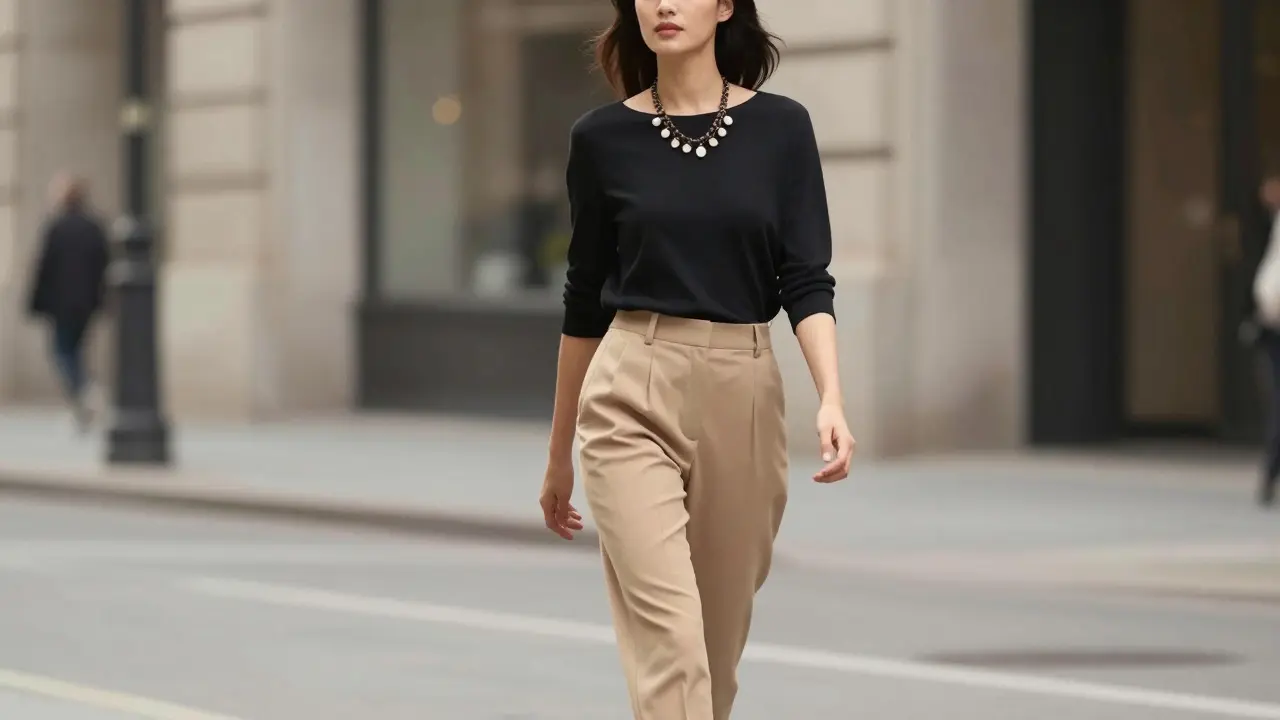
Online shopping offers endless options, but it also brings the risk of ill-fitting returns. To minimize frustration, measure yourself accurately before browsing. Use a soft measuring tape to record your bust, waist, hips, and inseam. Compare these numbers to the specific brand’s size chart, not a generic standard. Many brands provide detailed fit notes, such as "runs small" or "stretchy fabric," which are invaluable clues.
Look for customer reviews with photos. Seeing how a garment fits on bodies similar to yours provides realistic expectations. If possible, choose retailers with free return policies. This safety net allows you to try different styles at home in the privacy of your own space, removing the pressure of fitting rooms and sales associates’ opinions.
Maintaining Confidence Beyond the Mirror
Style is external, but confidence is internal. No amount of expensive clothing will fix a negative self-image. Practice positive self-talk when looking in the mirror. Notice what you like about your appearance today, even if it’s just your smile or your hair. Wear clothes that make you feel strong, not just those that look good to others. When you prioritize comfort and authenticity, your posture changes. You stand taller, walk with purpose, and radiate a calm assurance that no outfit can manufacture alone.
Remember, fashion is a tool for expression, not a test of worth. Whether you prefer vintage finds, modern minimalist designs, or bold prints, the best outfit is the one that makes you feel like the most authentic version of yourself.
Do I need to follow a specific dress code for my body type?
No. While certain cuts may flatter specific proportions, there are no strict rules. The goal is to find what feels comfortable and looks good to you. If you love wide-leg pants, wear them. If you prefer fitted skirts, embrace them. Your preference matters more than traditional guidelines.
How much should I spend on tailoring?
Basic alterations like hemming pants or taking in a waist usually cost between $15 and $40. More complex adjustments, like resizing a blazer, can range from $50 to $100. Investing in tailoring for staple pieces is often cheaper than buying new, poorly fitting clothes repeatedly.
What fabrics are best for comfort and drape?
Natural fibers like cotton, linen, silk, and wool generally offer better breathability and drape than synthetics. However, high-quality blends can also work well if they contain some stretch for ease of movement. Avoid stiff fabrics if you prefer a relaxed silhouette.
How do I deal with negative comments about my clothes?
Remember that fashion is subjective. What one person dislikes, another loves. Focus on how the clothes make you feel. If someone criticizes your outfit, remind yourself that their opinion doesn’t define your worth. Surround yourself with supportive people who appreciate your unique style.
Is it okay to wear the same outfit multiple times?
Absolutely. Repeating outfits is a sign of a confident personal style. Many designers and celebrities repeat looks regularly. As long as the clothes are clean and in good condition, wearing favorites frequently ensures you always look put-together and authentic.