Domestic Violence Stats and Resources for Women: A Practical Guide
 Aug, 17 2026
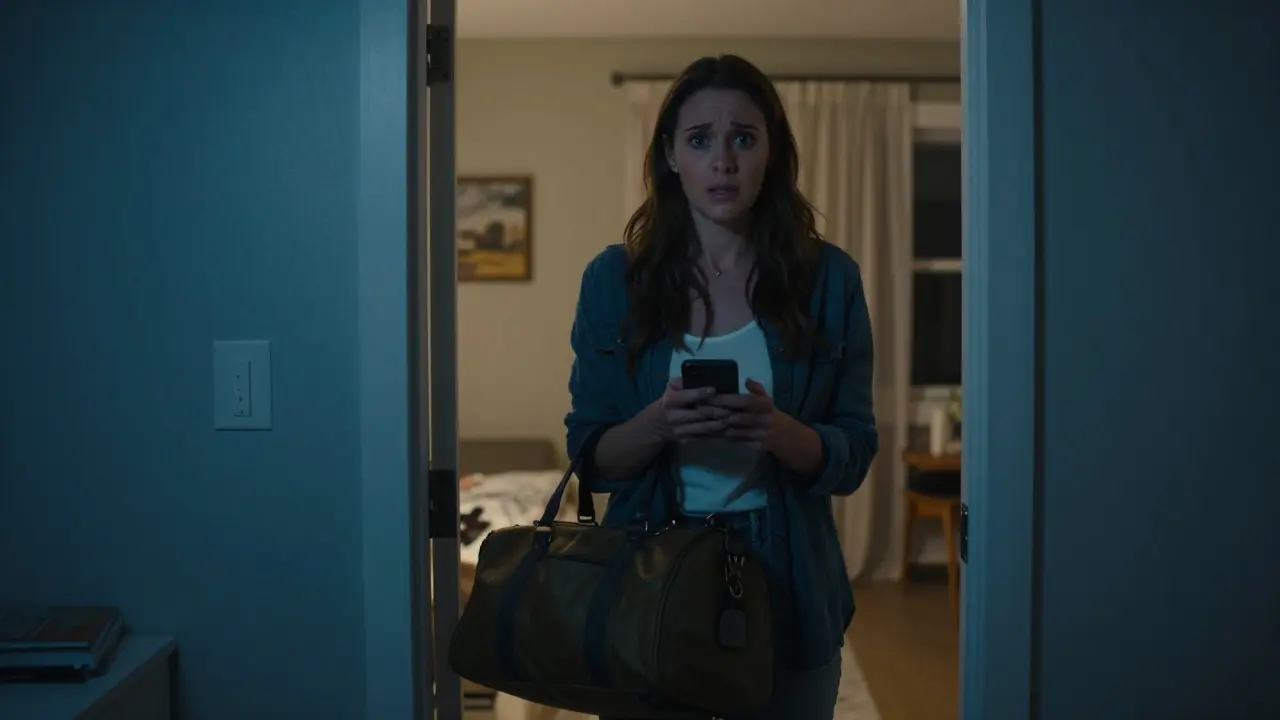
Walking out the door with just your phone and a bag of clothes is not a movie scene; it’s a reality for many women facing domestic violence a pattern of abusive behavior in an intimate relationship used to gain or maintain power and control. The numbers are staggering, but knowing where to turn can change everything. This guide breaks down the latest data on domestic violence stats and maps out concrete resources for women who need immediate help, long-term support, or just someone to listen.
The Scale of the Problem: What the Data Shows
To understand the urgency, we have to look at the facts. According to the National Coalition Against Domestic Violence (NCADV), roughly one in three women experiences physical violence by a partner during her lifetime. That statistic isn't just a number; it represents millions of lives affected across the United States. In 2024 alone, nearly 10 million adults aged 18 or older experienced some form of intimate partner violence within the past year.
The impact goes beyond physical bruises. Emotional and psychological abuse often precedes physical harm, making it harder for victims to recognize they are in a dangerous situation. Research from the Centers for Disease Control and Prevention (CDC) indicates that survivors of domestic violence are more likely to experience depression, anxiety, and post-traumatic stress disorder (PTSD) compared to those who have not been abused. Understanding these intimate partner violence statistics data points regarding frequency, severity, and demographics of abuse between partners helps normalize the experience and reduces the shame often felt by survivors.
- Physical Abuse: 30% of female homicide victims were killed by an intimate partner.
- Economic Abuse: 70% of victims report financial control as a primary barrier to leaving.
- Isolation: 50% of cases involve the abuser cutting off contact with friends and family.
Immediate Action: Where to Turn Right Now
If you are in immediate danger, time is critical. The first step is always to call emergency services if life is at risk. However, for non-emergency situations or when you need guidance on how to leave safely, the National Domestic Violence Hotline a free, confidential service providing 24/7 support via phone, text, and chat is the gold standard resource. Available 24 hours a day, seven days a week, this hotline connects callers with local advocates who know the specific laws and shelters in their area.
You don’t need to have a perfect plan to call. Advocates are trained to handle any stage of crisis, from "I think something is wrong" to "I need a place to stay tonight." Here are the key ways to reach them:
- Phone: Call 1-800-799-SAFE (7233).
- Text: Text "START" to 88788.
- Online Chat: Access live chat through the hotline’s official website.
These channels offer confidentiality, which is crucial because many abusers monitor phones and emails. Using a trusted friend’s device or a public library computer can sometimes be safer than using your own.
Building a Safety Plan: Steps Before You Leave
Leaving an abusive relationship is statistically the most dangerous time for a victim. A safety plan a personalized strategy to help keep you safe while staying in, leaving, or after leaving an abusive relationship is not about running away blindly; it’s about preparing. Most local domestic violence organizations provide free, one-on-one assistance to create this plan. Key components include:
- Important Documents: Keep copies of IDs, birth certificates, social security cards, and bank statements in a secure location, like a trusted neighbor’s house or a digital cloud drive.
- Emergency Bag: Pack a bag with essentials (clothes, medications, cash, keys) and hide it somewhere accessible but discreet.
- Code Words: Establish a signal with a trusted friend or family member that lets them know you need to call police without alerting your partner.
- Exit Route: Identify multiple ways out of your home in case the front door is blocked.
Financial independence is another major hurdle. Many women stay because they rely on their partner for income. Non-profit legal aid clinics often provide free consultation on restraining orders and custody rights, helping to remove legal barriers before they become insurmountable.
Long-Term Support: Healing and Rebuilding
After the initial crisis passes, the work of healing begins. Trauma-informed care is essential here. Traditional therapy can sometimes re-trigger trauma if the therapist isn't specialized. Look for counselors who specialize in trauma-focused cognitive behavioral therapy a type of psychotherapy designed to treat PTSD and other trauma-related symptoms (TF-CBT). This approach helps process memories and reduce avoidance behaviors.
Support groups also play a vital role. Connecting with others who have walked a similar path reduces isolation. Many community centers and hospitals host weekly meetings, both in-person and virtual. Additionally, job training programs specifically designed for survivors can help rebuild economic stability. Organizations like the National Network to End Domestic Violence (NNEDV) maintain directories of such programs across all 50 states.
Overcoming Barriers: Why It’s Hard to Leave
It is easy for outsiders to ask, "Why haven't you left yet?" But the reasons are complex. Economic dependence, fear of retaliation, concern for children, and cultural stigma all play roles. Recognizing these barriers is part of the healing process. You are not weak for staying; you are surviving.
Technology can also be a double-edged sword. While smartphones allow access to hotlines, they can also be tools for surveillance. Abusers may use GPS tracking, spyware, or shared accounts to monitor movements. If you suspect your phone is being watched, consider using a private browser mode on a borrowed device to research resources. Deleting search history immediately after looking up "domestic violence near me" is a common safety tactic.

How Friends and Family Can Help
Support systems matter. If you know a woman dealing with domestic violence, avoid judgment. Instead of giving advice, offer presence. Simple phrases like "You are not alone" or "Here is my number, no pressure to call" can make a difference. Helping with practical tasks-like driving her to a shelter or babysitting her kids so she can meet with a lawyer-provides tangible relief. Being a steady, non-reactive source of information is often more valuable than trying to fix the problem yourself.
Frequently Asked Questions
Is domestic violence only physical?
No. Domestic violence includes physical, sexual, emotional, psychological, and economic abuse. Controlling finances, isolating someone from friends, or constant criticism are all forms of abuse that can be just as damaging as physical hits.
Do I need to go to court to get a restraining order?
Yes, typically you must file a petition with the local court. However, many domestic violence agencies offer free legal assistance to help you fill out the paperwork and prepare for the hearing. Some jurisdictions allow for temporary emergency orders to be issued quickly.
Are domestic violence shelters anonymous?
Most reputable shelters prioritize confidentiality. They often do not require real names for intake, use aliases, and limit communication with outside parties. However, absolute anonymity is hard to guarantee in a small community, so discussing specific risks with a shelter advocate is wise before entering.
What if my partner doesn't speak English?
The National Domestic Violence Hotline offers interpreter services in over 100 languages. Local shelters also frequently employ multilingual staff or contract with translation services. You do not need to be fluent in English to seek help.
How long does it take to heal from domestic violence?
Healing is a personal journey with no fixed timeline. Some people feel significant improvement within months of leaving and starting therapy, while others may struggle with triggers for years. Consistent support, therapy, and self-care accelerate the process, but patience with yourself is key.