Digital Nomad Life for Women: Is It Right for You?
 Oct, 24 2026
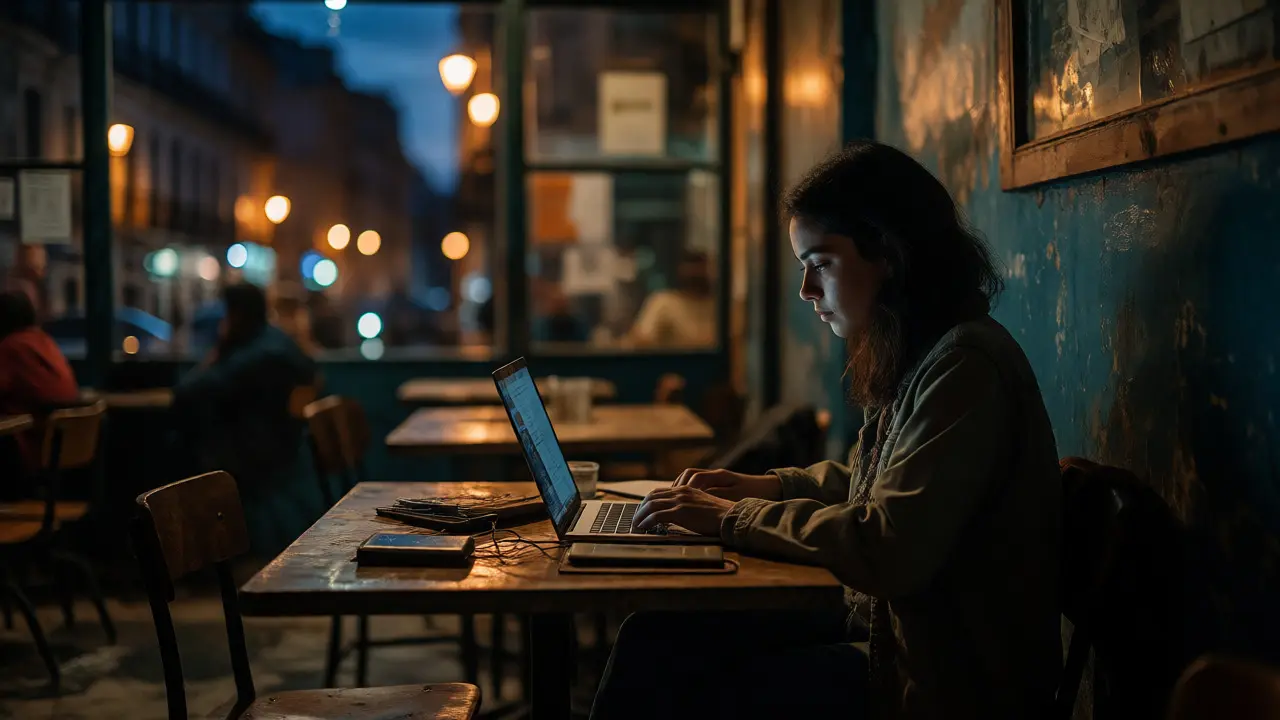
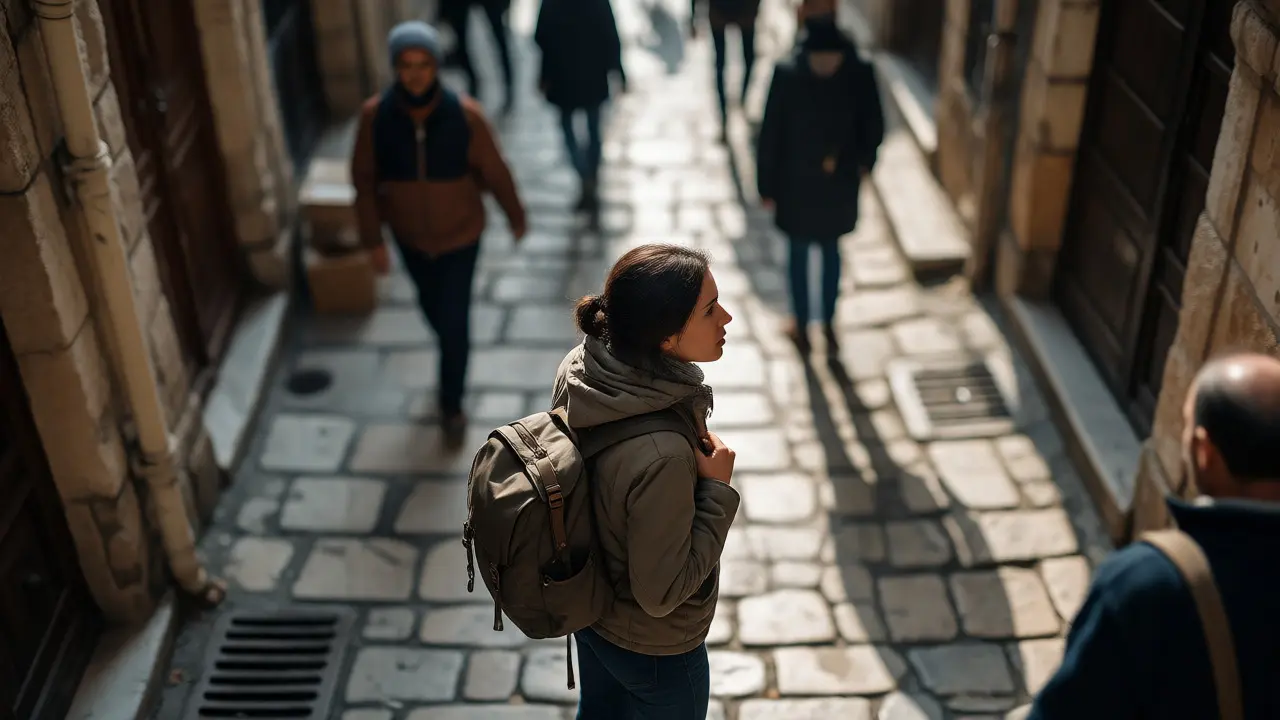
You’ve probably seen the Instagram reels. A woman in Bali sipping a coconut while typing on a laptop, or another exploring Lisbon’s cobblestone streets with her backpack slung over one shoulder. It looks like freedom. But here’s the thing about digital nomad life: it’s not just a vacation that never ends. For women specifically, it comes with a unique set of challenges and rewards that most generic travel guides gloss over.
If you’re wondering whether packing your bags and working from anywhere is actually right for you, you need to look past the aesthetic. We’re talking about safety, community building when you have no roots, and the specific dynamics of being a solo female traveler in foreign cultures. This isn’t about escaping your job; it’s about redesigning how you live. Let’s break down what it really takes.
The Reality Behind the Instagram Filter
Most articles about remote work focus on tax residency and Wi-Fi speeds. Those matter, sure. But for women, the primary concern is often safety and social isolation. When you’re alone in a new city every few months, making friends isn’t optional-it’s survival. You don’t have coworkers grabbing coffee with you. You don’t have neighbors waving hello. You have to build your tribe from scratch, repeatedly.
This constant reset can be exhausting. One week you’re comfortable in Medellín, knowing which cafes are safe at night and where to find good food. The next, you’re landing in Chiang Mai, starting over. The emotional labor of constantly introducing yourself, finding your footing, and assessing potential threats falls squarely on your shoulders. It requires a level of resilience that office jobs rarely test.
Safety First: Navigating Solo Female Travel
Let’s address the elephant in the room: safety. As a woman traveling alone, you assess risk differently than many male counterparts. It’s not paranoia; it’s preparation. Research by the World Tourism Organization suggests that safety concerns are among the top factors influencing female travel decisions. You aren’t just looking for a cheap Airbnb; you’re looking for well-lit streets, reputable neighborhoods, and local norms regarding dress and behavior.
Cultural context changes everything. In some countries, wearing shorts might get you stares; in others, it’s standard. You learn to read body language quickly. You trust your gut more than any map app. If a situation feels off, you leave. Period. There’s no polite obligation to stay if you feel unsafe. This heightened awareness is a skill you develop fast. It makes you sharper, but it also means you can’t always relax. That vigilance has a mental cost.
| Factor | General Traveler | Digital Nomad Woman |
|---|---|---|
| Accommodation Choice | Price and location | Security features, reviews from other women, neighborhood lighting |
| Social Interaction | Casual meetups | Vetting potential hosts/friends, meeting in public first |
| Healthcare Access | Emergency care | Gynecological care access, reproductive health resources abroad |
Building Community Without Roots
Loneliness hits hard when you’re thousands of miles from family. But here’s the secret weapon for female nomads: intentional community. Platforms like Nomad List and Girls Gone Travel exist because women crave connection. You need people who understand the weirdness of living out of a carry-on bag.
Don’t rely on random encounters. Join coworking spaces that host events. Attend meetups specifically for women in tech or creative fields. These groups often provide a safer, more vetted environment than general expat bars. I’ve found that sharing meals with strangers leads to deeper connections than just sharing a table at a cafe. Vulnerability accelerates friendship. Admitting you’re lonely or confused about visa rules opens doors faster than pretending you have it all together.
Financial Independence and Career Sustainability
You can’t nomad if you’re broke. And unlike traditional travel, you can’t just dip into savings forever. Your income must be reliable. Whether you’re a freelancer, running an e-commerce store, or employed remotely, your cash flow needs to be steady. Fluctuating income adds stress that travel doesn’t alleviate.
Also, consider the hidden costs. Health insurance that covers international treatment isn’t cheap. Visa fees add up. Co-working memberships in major hubs like Barcelona or Berlin can run $150-$300 a month. Budgeting isn’t just about saving money; it’s about buying peace of mind. Knowing you have a six-month emergency fund means you can say “no” to bad clients or unsafe situations without panic.

Is It Right for You? A Self-Checklist
Before you book that flight, ask yourself these hard questions. Be honest. There’s no wrong answer, only the right fit for your current life stage.
- Do you enjoy solitude? You will spend hours alone. If you need constant external validation or company to function, this will drain you.
- Are you adaptable? Things go wrong. Flights cancel. Internet dies. Hosts cancel last minute. Can you pivot without spiraling?
- What about relationships? Are you single? Dating as a nomad is its own beast. Have a partner? How do they handle long-distance or moving with you? Misaligned expectations kill nomad dreams faster than bad Wi-Fi.
- How do you handle healthcare? Managing period cycles, birth control, or minor illnesses while navigating foreign pharmacy systems takes planning. Do you have access to telemedicine?
If you checked yes to adaptability and solitude, you’re likely suited for the lifestyle. If you craved stability and close-knit local communities, you might prefer a base camp approach-staying in one place for three to six months rather than hopping cities weekly.
Practical Steps to Start Slowly
You don’t need to sell your house tomorrow. Try a trial run. Take a two-week trip to a nearby country with a similar time zone. Work from there. Test your routine. See if you can actually get deep work done in a different environment. Notice how you feel after ten days. Do you miss home? Or do you feel energized?
Start with destinations known for being female-friendly and nomad-ready. Cities like Lisbon, Porto, Bangkok, and Medellín have established networks. They offer lower costs of living compared to New York or London, allowing you to stretch your budget while testing the waters. Use tools like Numbeo to compare cost of living before you commit.
Remember, the goal isn’t to escape your life. It’s to design a life that works for you. If the digital nomad path offers freedom, flexibility, and growth, it’s worth the effort. But it demands intentionality. You have to plan for safety, community, and finances actively. It’s not passive leisure; it’s active living.
Is it safe for women to travel alone as digital nomads?
Yes, generally, but it requires more caution than group travel. Success depends on choosing the right destination, staying aware of local customs, and using reputable accommodation platforms. Many women report feeling empowered by the independence, provided they prioritize safety protocols like sharing locations with trusted contacts and avoiding isolated areas at night.
How do female digital nomads make friends?
The most effective method is joining specialized communities such as coworking spaces, local meetup groups for women, or online forums like Nomad List. Being proactive is key; attending organized events or workshops provides structured opportunities to meet like-minded individuals who share similar professional interests and lifestyle choices.
What are the biggest financial challenges for women going digital nomad?
Key challenges include maintaining consistent income streams, managing fluctuating currency exchange rates, and covering unexpected costs like emergency medical care or visa extensions. Additionally, paying for comprehensive international health insurance and co-working memberships can significantly impact monthly budgets, requiring careful financial planning and an emergency fund.
How does dating work for single female digital nomads?
Dating can be transient and complex due to frequent moves. Many nomads use apps like Tinder or Bumble but often seek connections within the expat or nomad community for shared understanding. Open communication about timelines and intentions is crucial to manage expectations, as relationships may end abruptly when one person leaves the city.
What should women pack specifically for a digital nomad lifestyle?
Beyond standard tech gear, women should pack versatile clothing suitable for various climates and cultural norms, personal safety items like doorstops or alarms, and sufficient supplies of personal hygiene products that may be harder to find abroad. A portable power bank, noise-canceling headphones, and a lightweight daypack are also essential for daily mobility.