Dermatologist Q&A for Women: Answers to Common Skin Questions
 May, 16 2026
Have you ever stared at your reflection, wondering why your skin looks different today than it did yesterday? You aren't alone. For many women, the journey through decades of skincare is filled with confusion, conflicting advice, and products that promise miracles but deliver nothing. We often treat our skin like a separate entity, slathering on creams without understanding what’s happening beneath the surface.
As Jake Allen, a resident of Portland, Oregon where the weather swings from dry sun to relentless rain, I’ve seen how environment impacts skin health firsthand. But more importantly, I’ve listened to the questions women ask their dermatologists most frequently. This isn't about selling you the next miracle serum. It’s about cutting through the noise and giving you straight answers based on clinical reality.
The Acne Myth: Why It Doesn’t Just Go Away After Teenage Years
We were all told that acne is a teenage problem. You survive high school, and your skin clears up. That’s a lie. Adult acne is incredibly common, affecting nearly half of women in their 30s and even some in their 50s. So, why does it happen?
Hormonal fluctuations are the primary culprit. Unlike teenage acne, which is often driven by excess oil production across the whole face, adult female acne tends to cluster along the jawline, chin, and lower cheeks. This pattern suggests a link to androgens, male hormones present in all bodies that stimulate oil glands.
If you’re dealing with breakouts that appear right before your period, or if stress seems to trigger flare-ups, your skin is reacting to internal shifts. Here’s what actually works:
- Salicylic Acid: This beta-hydroxy acid penetrates deep into pores to dissolve oil and dead skin cells. Look for concentrations between 0.5% and 2%.
- Retinoids: Prescription tretinoin or over-the-counter retinol speeds up cell turnover, preventing clogged pores.
- Gentle Cleansing: Stop scrubbing. Harsh physical exfoliants irritate inflamed skin, making redness worse. Use a mild, non-foaming cleanser instead.
Avoid heavy, comedogenic moisturizers. If your product feels greasy an hour after application, it’s likely too rich for your acne-prone zones. Switch to gel-based hydrators containing hyaluronic acid.
Sun Damage: The Silent Aggressor
You might think you only need sunscreen when you’re beach-bound. Big mistake. UVA rays penetrate glass and clouds, reaching your skin every single day, even in winter. These rays are responsible for up to 90% of visible aging signs, including wrinkles and dark spots.
Many women skip sunscreen because they hate the white cast or feel it makes their makeup slide off. Modern formulations have improved drastically. Look for mineral sunscreens with zinc oxide or titanium dioxide that offer broad-spectrum protection (SPF 30 or higher). If you wear makeup daily, consider a tinted SPF moisturizer-it doubles as base and shield.
Reapplication is key. If you’re indoors near windows, reapply every two hours. If you’re outside, do so every hour. Sweat and sebum break down the protective layer faster than you’d expect.
Hormonal Changes and Skin Sensitivity
Your skin changes dramatically during pregnancy, menopause, and perimenopause. During pregnancy, increased blood volume and hormonal surges can cause melasma-dark patches on the face known as the "mask of pregnancy." In menopause, declining estrogen levels lead to thinner skin, reduced collagen, and dryness.
Estrogen plays a crucial role in maintaining skin thickness and hydration. When levels drop, your skin loses its ability to retain moisture effectively. This doesn’t mean you’re doomed to look older; it means your routine needs adjustment.
For menopausal skin, focus on barrier repair. Ingredients like ceramides, niacinamide, and fatty acids help rebuild the skin’s natural defense system. Avoid harsh retinoids initially; introduce them slowly under medical supervision. Hydration becomes paramount-drink water, use humidifiers, and apply thick occlusive creams at night.
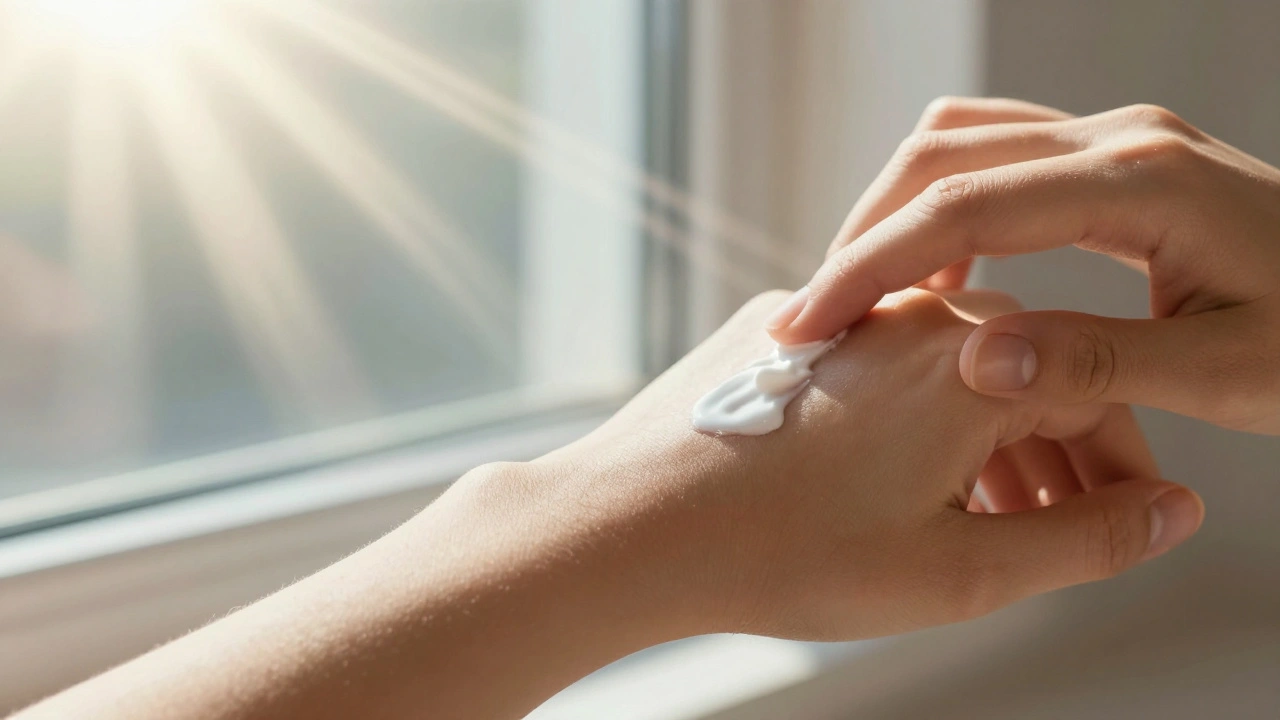
The Truth About Anti-Aging Products
The anti-aging industry is worth billions, yet most products don’t work as advertised. Why? Because true anti-aging requires consistency, not quick fixes. Let’s debunk some myths:
- Creams Can’t Reverse Deep Wrinkles: Topical products improve texture and fine lines but won’t erase deep folds. For those, procedures like Botox or fillers are needed.
- Collagen Supplements Are Questionable: Eating collagen doesn’t directly translate to skin collagen. Your body breaks it down into amino acids. Focus on protein-rich diets instead.
- Night Creams Aren’t Magic: They’re just heavier moisturizers. What matters is the active ingredients inside, not the time of day you apply them.
The gold standard for topical anti-aging remains retinoids. They boost collagen production, fade pigmentation, and smooth texture. Start low and go slow. Begin with twice-weekly applications, gradually increasing frequency as your skin tolerates it.
Hyperpigmentation and Dark Spots
Dark spots frustrate many women. Whether from old acne scars, sun exposure, or hormonal changes, hyperpigmentation can make skin look uneven. The good news? It’s treatable.
Vitamin C serums brighten skin by inhibiting melanin production. Use L-ascorbic acid at 10-20% concentration for best results. Pair it with vitamin E for enhanced stability. Another powerful ingredient is alpha-arbutin, a gentle alternative to hydroquinone that fades spots without irritation.
Chemical peels performed by professionals can accelerate fading. Glycolic acid peels remove top layers of damaged skin, revealing fresher tissue underneath. However, post-peel care is critical-strict sun avoidance prevents rebound pigmentation.

When to See a Dermatologist
Not every skin issue needs professional intervention. But certain signs demand attention:
- Persistent cystic acne that doesn’t respond to OTC treatments
- Rapidly changing moths (asymmetry, border irregularity, color variation)
- Unexplained rashes or eczema flares
- Sudden onset of severe sensitivity
A board-certified dermatologist can diagnose underlying conditions like rosacea, psoriasis, or contact dermatitis. Early detection saves time, money, and potential complications.
| Concern | Primary Cause | Recommended Treatment |
|---|---|---|
| Adult Acne | Hormonal Fluctuations | Salicylic Acid, Retinoids |
| Wrinkles | UV Exposure, Aging | Retinoids, Sunscreen |
| Dark Spots | Melanin Overproduction | Vitamin C, Alpha-Arbutin |
| Dryness | Barrier Disruption | Ceramides, Humectants |
Frequently Asked Questions
Can drinking more water really clear my skin?
Hydration supports overall health, but it won’t cure acne or wrinkles on its own. Dehydrated skin looks dull and accentuates fine lines, so drink enough water to feel refreshed. However, topical moisturizers play a bigger role in maintaining skin hydration than internal fluids alone.
Is it safe to use retinol every day?
Yes, if introduced gradually. Start with two nights a week, then increase frequency as tolerated. Always follow with a moisturizer to reduce irritation. If redness persists, scale back usage. Consistency beats intensity when building tolerance.
Why do I get breakouts after using new products?
This could be purging or irritation. Purging happens with actives like retinoids and acids-they speed up cell turnover, bringing hidden congestion to the surface. Irritation causes redness, itching, and burning. If symptoms worsen beyond two weeks, discontinue use and consult a dermatologist.
Do expensive skincare products work better?
Price doesn’t guarantee efficacy. Many affordable brands contain identical active ingredients as luxury labels. Focus on formulation quality, ingredient lists, and proven actives rather than brand prestige. Marketing budgets inflate costs, not performance.
How often should I exfoliate my skin?
It depends on your skin type. Oily or resilient skin may handle chemical exfoliation 2-3 times weekly. Sensitive or dry skin should limit exfoliation to once a week or less. Physical scrubs should be avoided entirely if you have active acne or rosacea. Listen to your skin-if it stings or turns red, you’re overdoing it.
What’s the best way to prevent dark circles?
Dark circles stem from genetics, fatigue, or thinning skin. While no cream eliminates them completely, caffeine-infused eye gels constrict blood vessels, reducing puffiness temporarily. Adequate sleep, allergy management, and sun protection also help minimize appearance. Structural issues require filler treatments from specialists.
Should I wash my face before bed?
Absolutely. Sleeping with makeup, dirt, and pollutants traps bacteria and clogs pores, leading to breakouts and premature aging. Double cleansing-first with an oil-based remover, then a gentle water-based cleanser-ensures thorough removal without stripping natural oils.
Can stress really affect my skin?
Yes. Stress elevates cortisol levels, which triggers inflammation and increases oil production. Chronic stress weakens the skin barrier, exacerbating conditions like eczema and psoriasis. Managing stress through exercise, meditation, and adequate rest indirectly benefits your complexion.