Dermatologist Q&A for Women: Answers to Common Skin Questions
 May, 16 2026
Do you ever feel like your skincare routine is just a guessing game? You buy the expensive serum, apply it religiously, and still wake up with breakouts or dry patches. It’s frustrating, especially when social media tells you that one specific ingredient will solve everything overnight. The truth is, skin biology isn’t one-size-fits-all. What works for your friend might irritate your face.
I’ve spent years talking to board-certified dermatologists about the most common concerns women bring into their offices. From persistent acne in your thirties to early signs of aging, these experts see the same patterns over and over. They don’t rely on trends; they rely on science. Let’s cut through the noise and look at what actually happens under your skin surface.
Why Does Acne Strike in Adulthood?
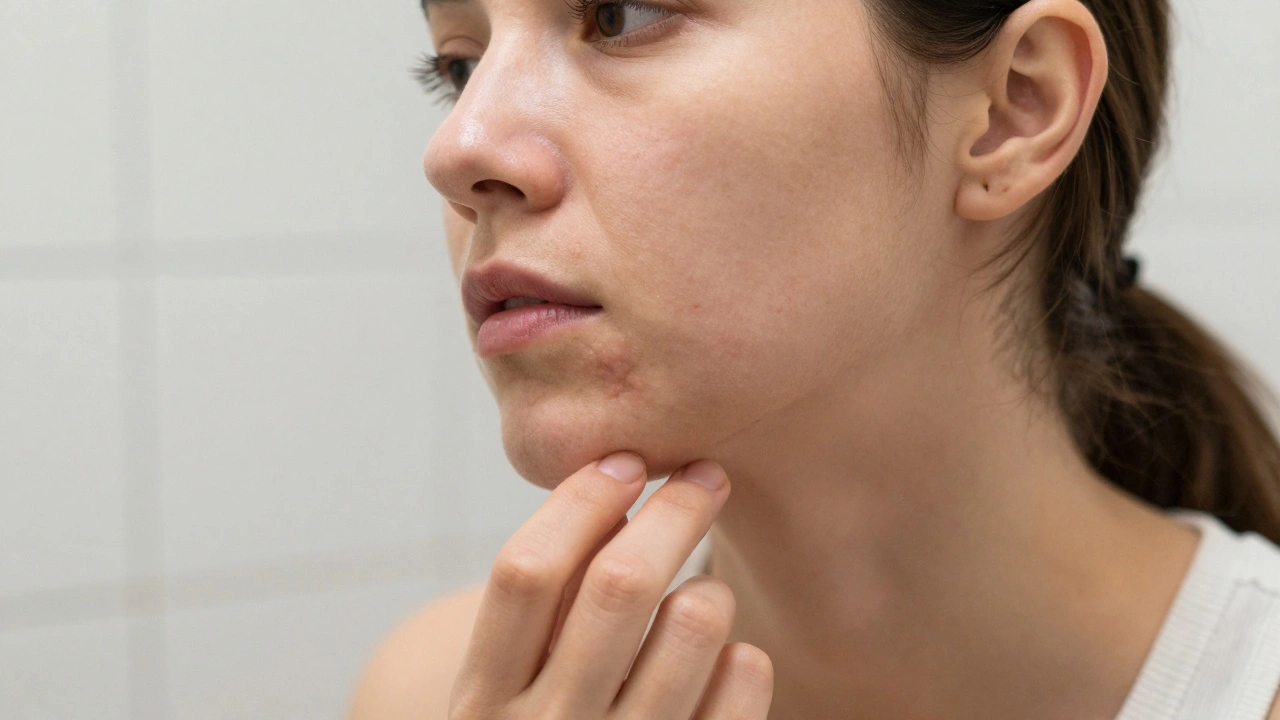
We’re taught that acne is a teenage problem. But if you’re a woman in her twenties, thirties, or even forties, you know that’s not true. Adult female acne is incredibly common, affecting nearly half of all women by age forty-five. Unlike teenage acne, which often covers the forehead and cheeks, adult acne tends to cluster around the jawline, chin, and lower neck.
This pattern usually points to hormones. Fluctuations in androgens, particularly testosterone, can stimulate oil glands to produce excess sebum. This happens during menstrual cycles, pregnancy, perimenopause, or even due to stress. When pores get clogged with this thick oil and dead skin cells, bacteria thrive, leading to inflammation.
- Hormonal triggers: Look for cystic bumps along the jawline that appear a week before your period.
- Stress connection: Cortisol spikes can increase oil production independently of reproductive hormones.
- Dietary links: High-glycemic foods and dairy may exacerbate inflammation in some individuals.
If over-the-counter products aren’t helping, a dermatologist might prescribe topical retinoids or oral medications like spironolactone. These target the hormonal root cause rather than just drying out the surface. Don’t ignore deep, painful nodules; they are more likely to leave scars than surface pimples.
The Truth About Anti-Aging Ingredients
Aging is inevitable, but premature aging is largely preventable. The biggest enemy of youthful skin isn’t time-it’s ultraviolet radiation. Cumulative sun exposure breaks down collagen and elastin, the proteins that keep skin firm and bouncy. This process, called photoaging, accounts for up to ninety percent of visible facial aging.
So, what should be in your cabinet? Retinoids are the gold standard. Derived from vitamin A, they speed up cell turnover, boost collagen production, and fade dark spots. Start with a low concentration, like 0.025% tretinoin or an over-the-counter retinol, and apply it twice a week at night. Your skin needs time to adjust, or you’ll end up with redness and peeling.
Vitamin C is another powerhouse. As an antioxidant, it neutralizes free radicals generated by UV rays and pollution. Look for L-ascorbic acid at concentrations between ten and twenty percent. Pair it with sunscreen during the day for maximum protection. Remember, no cream can reverse damage as effectively as preventing new damage daily.
Managing Sensitive and Reactive Skin
Sensitive skin isn’t just a feeling; it’s a compromised barrier. The outermost layer of your skin, the stratum corneum, acts like a brick wall. When this barrier is damaged, moisture escapes, and irritants sneak in. This leads to stinging, burning, redness, and tightness after applying products that others tolerate fine.
To repair this barrier, focus on simplicity. Avoid harsh exfoliants like physical scrubs or high-concentration acids until your skin calms down. Instead, use gentle cleansers that don’t strip natural oils. Look for ingredients like ceramides, hyaluronic acid, and niacinamide. These help rebuild the lipid matrix and retain hydration.
Patch testing is crucial. Apply a small amount of any new product behind your ear or on your inner arm for forty-eight hours. If there’s no reaction, try it on a small section of your face. If you have conditions like rosacea or eczema, consult a dermatologist before starting active treatments. Their skin requires specialized care plans that balance efficacy with gentleness.
Hyperpigmentation and Uneven Tone
Dark spots, melasma, and post-inflammatory hyperpigmentation (PIH) are common complaints among women with darker skin tones, though they affect everyone. Melasma often appears as symmetrical brown patches on the cheeks, forehead, and upper lip, triggered by sun exposure and hormonal changes like birth control use or pregnancy.
Treating pigmentation requires patience and consistency. Sunscreen is non-negotiable. Even minor UV exposure can darken existing spots and trigger new ones. Use a broad-spectrum SPF thirty or higher every single day, regardless of weather. Reapply every two hours if you’re outdoors.
Topical lightening agents include hydroquinone, kojic acid, azelaic acid, and tranexamic acid. Hydroquinone is potent but should only be used under medical supervision for short periods to avoid side effects like ochronosis. For maintenance, vitamin C and niacinamide work well to inhibit melanin transfer without irritating the skin. Always introduce one new brightening agent at a time to monitor tolerance.
The Role of Diet and Lifestyle in Skin Health
Your skin reflects your internal health. While diet alone won’t cure acne or erase wrinkles, poor nutrition can worsen existing conditions. Chronic inflammation from processed foods, sugar, and trans fats accelerates aging and impairs healing. Conversely, a diet rich in antioxidants supports skin repair.
Focus on omega-3 fatty acids found in salmon, walnuts, and flaxseeds. These reduce inflammation and help maintain the skin’s oily barrier. Hydration matters too, but drinking water doesn’t replace topical moisturizers. Water hydrates internally, while creams lock in moisture externally. Aim for eight glasses a day, but don’t expect it to plump dry cheeks instantly.
Sleep and stress management are equally vital. During deep sleep, your body produces growth hormone, which repairs tissues. Lack of sleep increases cortisol, breaking down collagen. Chronic stress also weakens the immune system, making skin more susceptible to infections and slower to heal. Prioritize seven to nine hours of quality rest and find healthy outlets for stress relief.
| Concern | Primary Cause | Key Ingredient/Treatment | Frequency |
|---|---|---|---|
| Adult Acne | Hormonal fluctuations | Retinoids, Spironolactone | Nightly |
| Fine Lines | Collagen loss, UV damage | Retinol, Peptides | Nightly |
| Dryness | Compromised barrier | Ceramides, Hyaluronic Acid | Twice Daily |
| Dark Spots | Melanin overproduction | Vitamin C, Niacinamide | Morning |
| Redness | Inflammation, Sensitivity | Niacinamide, Centella Asiatica | As Needed |
When to See a Professional
Self-care has limits. You should book an appointment with a board-certified dermatologist if you notice sudden changes in moles, persistent lesions that don’t heal, severe cystic acne, or rapid onset of widespread rashes. Early detection of skin cancer, such as melanoma, significantly improves treatment outcomes.
Professionals offer treatments unavailable at home. Chemical peels, laser therapy, microneedling, and prescription-strength topicals require expertise to perform safely. They can tailor protocols to your specific skin type and concerns, minimizing risks like scarring or hyperpigmentation. Don’t hesitate to seek professional guidance when over-the-counter options fail to deliver results.
Can I use retinol and vitamin C together?
Yes, but caution is needed. Vitamin C works best in the morning to protect against daytime environmental damage, while retinol is typically used at night to repair skin. Using them simultaneously can cause irritation for sensitive skin types. Start by using vitamin C in the AM and retinol in the PM. If your skin tolerates both well, you can experiment with layering them, but always follow with a moisturizer and sunscreen.
How long does it take to see results from skincare products?
Patience is key. Skin cell turnover takes about twenty-eight days. Most products require four to twelve weeks of consistent use to show visible improvements. Brightening agents may take longer, sometimes up to three months. If you don’t see changes after three months, reassess whether the product suits your skin type or consider consulting a dermatologist.
Is natural skincare better than chemical skincare?
Not necessarily. "Natural" doesn’t mean safe or effective. Many plant extracts can cause allergic reactions or photosensitivity. Conversely, synthetic ingredients like hyaluronic acid and peptides are highly stable and proven to deliver results. Focus on evidence-based ingredients rather than marketing labels. Check for potential irritants regardless of origin.
Should I stop using skincare during pregnancy?
You should avoid certain ingredients. Oral and topical retinoids, high-dose salicylic acid, and hydroquinone are generally discouraged during pregnancy due to potential risks. Safe alternatives include vitamin C, niacinamide, azelaic acid, and gentle physical exfoliants. Always consult your obstetrician or dermatologist before starting new treatments while pregnant or breastfeeding.
What is the best way to treat dark circles?
Treatment depends on the cause. Pigmented dark circles respond well to vitamin C and caffeine. Structural shadows caused by hollow eyes benefit from fillers or fat grafting performed by professionals. Thin skin showing blood vessels may improve with thicker creams containing peptides. Sleep elevation and cold compresses can temporarily reduce puffiness-related darkness.
How do I choose the right sunscreen?
Look for broad-spectrum protection covering UVA and UVB rays. Choose SPF thirty or higher. Mineral sunscreens with zinc oxide or titanium dioxide sit on the skin’s surface and reflect UV rays, suitable for sensitive skin. Chemical sunscreens absorb UV radiation and convert it to heat. Ensure the formula is water-resistant if swimming or sweating heavily. Apply generously fifteen minutes before sun exposure.