Declutter Sprint for Women: How to Clear Your Space in 30 Minutes
 Apr, 21 2026
The secret here isn't about perfection. It is about momentum. When we look at a messy room, our brains often trigger a freeze response because the task feels too large. By shrinking the window to exactly 30 minutes, you trick your brain into treating the cleanup like a game rather than a chore. This approach moves you from a state of analysis paralysis into active execution.
Quick Wins: The 30-Minute Game Plan
To make a sprint work, you can't wander around aimlessly. You need a system. Start by setting a physical timer-not your phone, where notifications might distract you, but a kitchen timer or a dedicated app. The ticking clock creates a sense of urgency that keeps you from spending twenty minutes reminiscing over an old photo album.
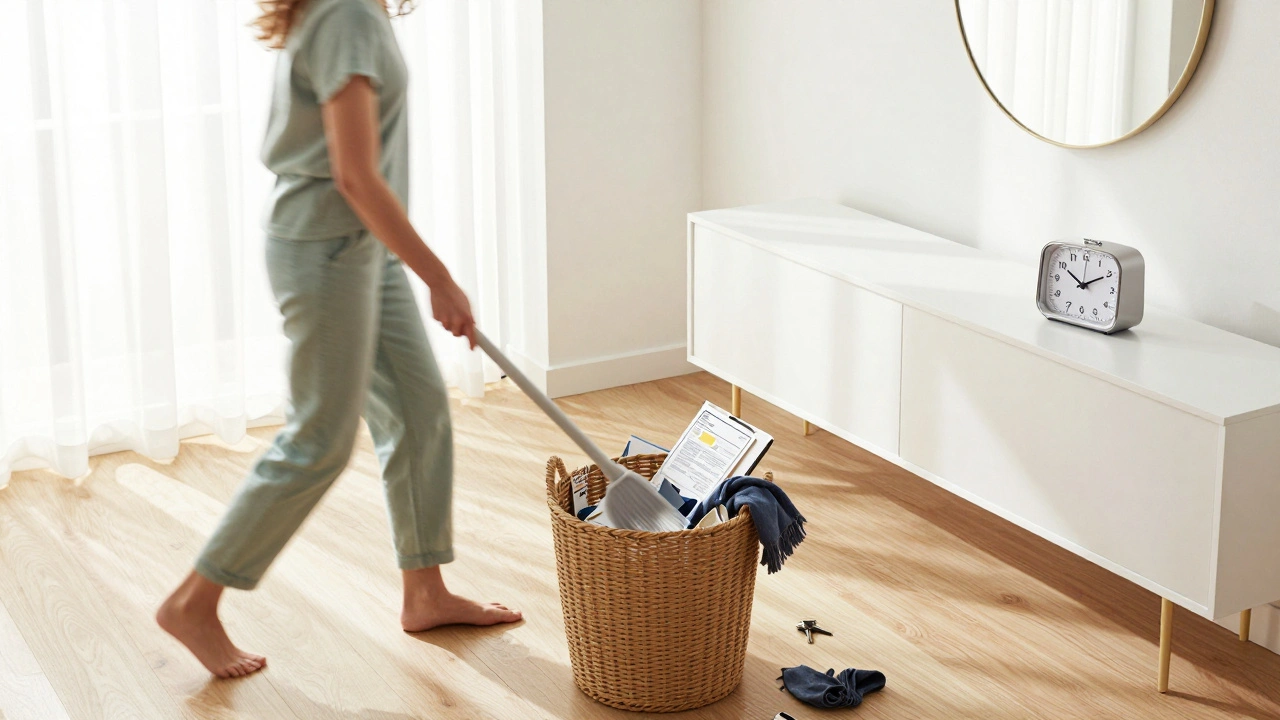
Divide your 30 minutes into three distinct phases. The first ten minutes are for "surface clearing." This is where you grab a laundry basket and sweep every item that doesn't belong in the room into it. Don't put them away yet; just get them off the counters and tables. The next ten minutes are for "decision making," where you tackle one specific hotspot, like a junk drawer or a vanity. The final ten minutes are for "resetting," where you put the items from your basket back in their proper homes.
| Phase | Time | Primary Goal | Key Action |
|---|---|---|---|
| Surface Sweep | 10 Mins | Visual Clarity | Clear all flat surfaces into a bin |
| Target Zone | 10 Mins | Deep Clearing | Discard trash/donate old items |
| The Reset | 10 Mins | Order Restoration | Return items to their permanent home |
Identifying Your High-Stress Hotspots
Not all clutter is created equal. Some messes are just "lazy clutter" (things that aren't put away), while others are "functional clutter" (things you use every day but have no home for). To get the most out of your sprint, you need to target Hotspots areas of the home where items naturally accumulate due to a lack of designated storage. For most women, these are the kitchen island, the entryway table, or the "chair" in the bedroom that holds half-worn clothes.
Focusing on these areas provides the highest emotional return on investment. When the kitchen island is clear, you feel like you can actually cook. When the entryway is tidy, the transition from work-mode to home-mode feels smoother. If you try to declutter an entire garage in 30 minutes, you'll fail. But if you declutter the top of the dresser, you'll feel a win. That win fuels the desire to do it again tomorrow.
The Psychology of Letting Go
One of the biggest hurdles in any decluttering process is the emotional attachment to objects. We often keep things not because we use them, but because of who we were when we bought them or who we hope to be. This is where Mindful Decluttering the practice of intentionally evaluating the utility and emotional value of an object before deciding to keep or discard it comes into play. Instead of asking "Could I use this someday?" (the answer is always yes), ask "Does this serve the person I am today?"
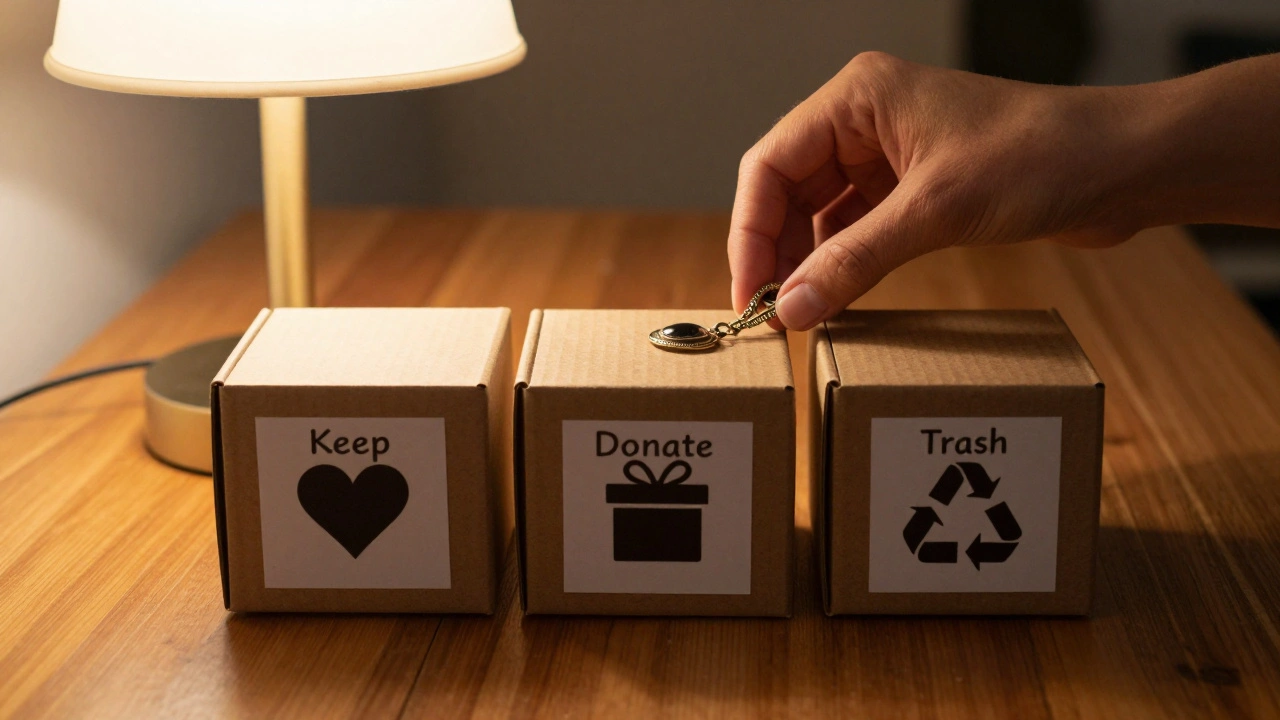
Try the "Three-Box Method" during your Target Zone phase. Label one box "Keep," one "Donate," and one "Trash." If you hesitate for more than five seconds about an item, put it in a "Maybe" pile. If you haven't looked at that "Maybe" pile in 30 days, the entire pile goes to donation. This removes the decision fatigue that usually kills the momentum of a sprint.
Sustainable Systems to Prevent Relapse
A sprint is a great way to fix a problem, but Home Organization the strategic arrangement of a living space to optimize flow, accessibility, and maintenance is what keeps the problem from returning. The goal is to reduce the "friction" of tidying. If it takes five steps to put away a pair of scissors, they will likely end up on the counter. If they live in a drawer right next to where you use them, they'll stay there.
Apply the "One-In, One-Out" rule. For every new piece of clothing, home decor, or kitchen gadget that enters your home, one old item must leave. This prevents the slow creep of clutter that eventually necessitates a sprint. Also, consider the "Two-Minute Rule": if a task takes less than two minutes-like hanging up a coat or putting a dish in the dishwasher-do it immediately. This keeps the baseline of your home clean, making your 30-minute sprints feel like a polish rather than a rescue mission.
Customizing Your Sprint by Room
Depending on where you are in your home, your approach should shift. A kitchen sprint is about sanitation and accessibility, while a bedroom sprint is about serenity and soft textures. Let's look at how to tailor the 30-minute window for different spaces.
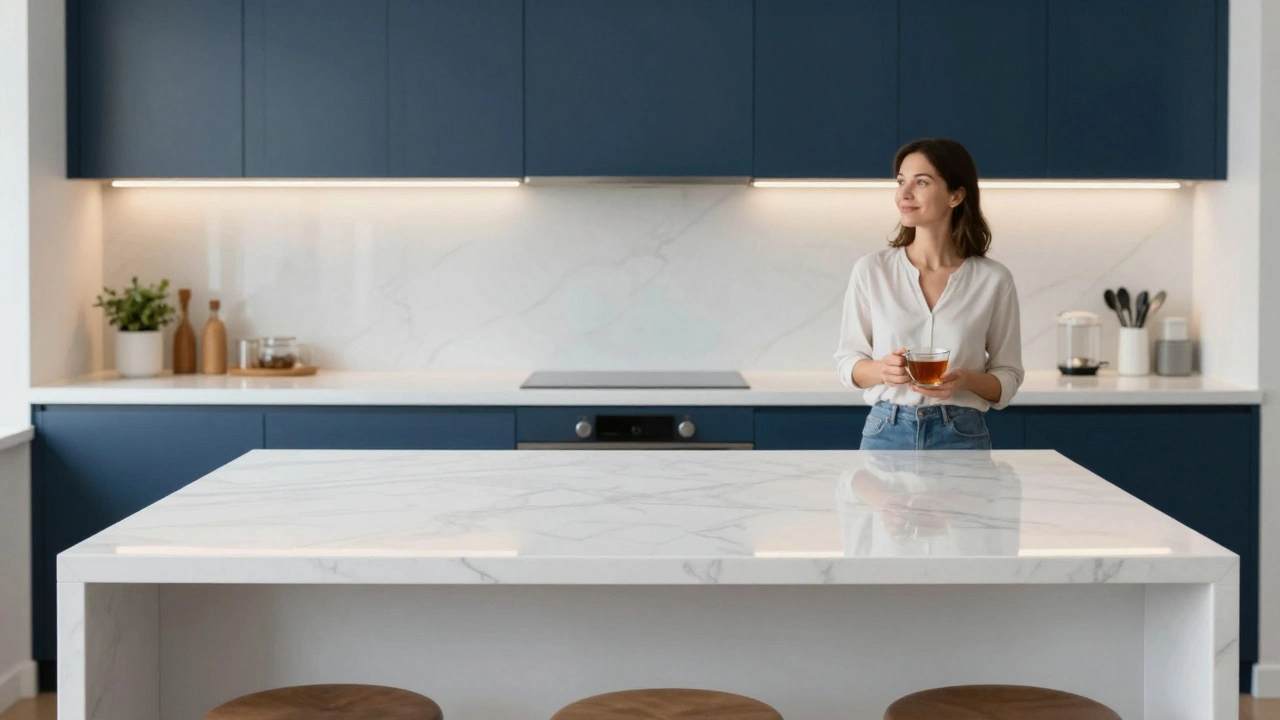
- The Kitchen: Focus on the counters. Clear the crumbs, put the spices back in the cabinet, and empty the drying rack. A clear counter reduces mental noise during meal prep.
- The Living Room: Focus on "soft" clutter. Fold the blankets, fluff the pillows, and clear the coffee table. This changes the energy of the room from "lived-in chaos" to "intentional relaxation."
- The Bedroom: Tackle the bedside table and the flooring. Remove old water glasses and put away shoes. Your brain needs a visual signal that the day is over to trigger a better sleep cycle.
- The Bathroom: Clear the vanity. Toss expired skincare and put the makeup back in its organizer. A clean bathroom mimics a spa experience, reducing morning stress.

Common Pitfalls to Avoid
The most common mistake people make during a sprint is "deep cleaning." Scrubbing the baseboards or reorganizing the inside of a closet is not decluttering. If you find yourself scrubbing a grout line with a toothbrush, stop. You've drifted from a sprint into a marathon. Remember, the goal is visual and spatial clarity, not sterile perfection.
Another trap is the "sorting spiral." This happens when you find an item that belongs in another room, and while putting it away, you notice something else that needs fixing, and suddenly you're in the garage wondering why you're holding a stapler. Stay in the zone. Use your laundry basket to gather things for other rooms, but do not leave your target area until the timer for that phase has ended.
What if I can't finish a zone in 10 minutes?
That is perfectly okay. The goal of a sprint is to create a habit of action, not to finish a project. If the timer goes off and you're halfway through a drawer, stop anyway. This prevents burnout and makes you look forward to the next sprint to finish the job. Consistency beats intensity every time.
How often should I do a declutter sprint?
For most women balancing work, kids, and personal time, a daily 30-minute sprint in the evening is ideal. It resets the home for the next morning. If that's too much, try a "Power Hour" once a week-two back-to-back sprints with a 5-minute break in between.
Do I need to buy storage bins first?
Absolutely not. In fact, buying bins before decluttering is a mistake. You cannot organize clutter; you can only organize a curated selection of items. Always discard and donate first. Once you know exactly what you're keeping, you'll know exactly what size and type of storage you actually need.
How do I get my family to help with the sprint?
Turn it into a competition. Give everyone a specific zone and a timer. Play a high-energy playlist (about 120-140 BPM) to keep the pace up. When the timer hits zero, the "winner" is whoever cleared the most surface area or filled the largest donation bag. This makes a chore feel like a team effort.
What do I do with the donation bags immediately?
Put them in the car immediately. If you leave donation bags in the hallway or the garage, there is a high probability you will "re-discover" something and put it back in the house. Once it's in the trunk, it's gone from your mental space and your physical space.
Next Steps for a Calmer Home
Once you've completed your first sprint, don't try to tackle the whole house tomorrow. Pick one "Hotspot" per day for a week. By the end of seven days, you'll have transformed the most stressful parts of your home without spending more than 30 minutes a day on the task.
If you find that your clutter is caused by a lack of furniture or poor layout, it might be time to look into basic Interior Design the art and science of enhancing the interior of a building to achieve a healthier and more aesthetically pleasing environment principles. Sometimes, the problem isn't that you have too much stuff, but that your stuff doesn't have a logical place to exist based on how you actually move through your room.