Decision Fatigue in Women: Simple Self-Care Strategies to Reclaim Your Energy
 Jan, 25 2026
Every morning, women wake up to a mountain of choices. What to wear. What to make for breakfast. Who to call. What tasks to prioritize. Which kid’s soccer game to attend. Whether to say yes to that extra work project. Whether to say no to that friend who just needs to talk. Each decision, big or small, drains something inside - not just time, but mental energy. This isn’t just being busy. This is decision fatigue, and it’s hitting women harder than most people realize.
Why Women Bear the Weight of Constant Choices
Decision fatigue isn’t gender-neutral. Studies from the University of California and Harvard’s Kennedy School show women make, on average, 30,000 more decisions per day than men. Why? Because society still expects women to be the primary managers of home, family, emotions, and social logistics. You’re not just choosing what to eat - you’re choosing how to soothe a crying child, how to respond to a partner’s silent mood, how to stretch the grocery budget, how to look professional at work while still being "warm" at home.
That’s not leadership. That’s overload.
And here’s the cruel twist: the more decisions you make, the worse your choices become. A 2023 study in the Journal of Behavioral Decision Making found that women who reported high daily decision loads were 47% more likely to make impulsive purchases, skip meals, or cancel self-care routines - not because they didn’t care, but because their brains were running on empty.
What Decision Fatigue Actually Feels Like
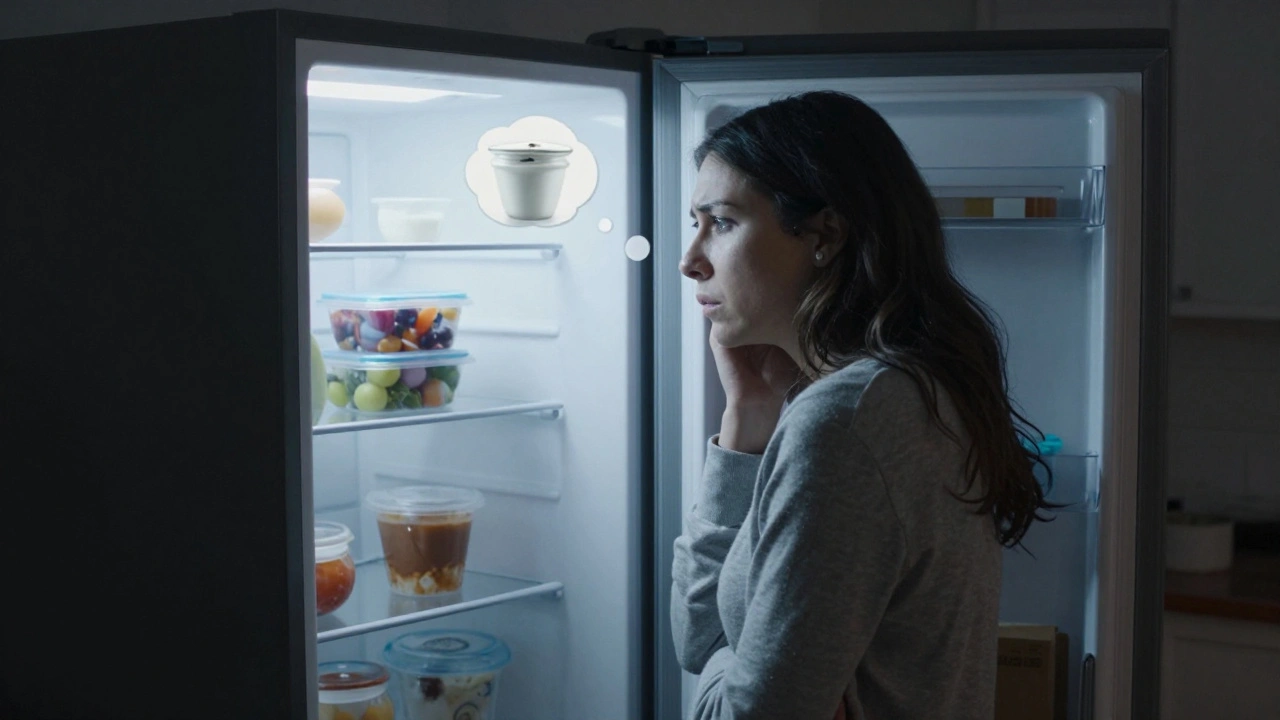
It’s not just tiredness. It’s a fog. You stand in front of the fridge at 10 p.m. and can’t decide between yogurt or leftovers. You cancel your weekly walk because "I just can’t think about what shoes to wear." You snap at your partner over something small - not because you’re angry, but because your brain has no bandwidth left to filter reactions.
It shows up as:
- Putting off simple tasks because they feel "too big"
- Repeating the same choices over and over (same outfit, same takeout, same Netflix show)
- Feeling guilty for saying no - even when you’re drained
- Needing silence just to sit still without planning the next thing
- Forgetting appointments, even important ones
This isn’t laziness. This is your nervous system screaming for a break.
Three Self-Care Strategies That Actually Work
You can’t eliminate all decisions. But you can design your life to reduce the noise. Here are three practical, no-fluff strategies that women have used to reclaim their mental space.
1. Build a "Routine Shield"
Your routine isn’t about being perfect - it’s about being predictable. When you automate the small stuff, you save energy for the big stuff.
Try this:
- Wear the same 3-4 outfits on rotation (jeans + black top + sweater = work week)
- Prep 2-3 go-to meals on Sunday (chickpea curry, sheet pan chicken, lentil soup)
- Set a fixed time to check emails - once a day, after lunch
These aren’t restrictions. They’re shields. Every time you skip the "what should I wear?" loop, you’re saving 3-5 minutes of mental energy. Multiply that by 10 decisions a day - that’s 30-50 minutes of brain space you just got back.
2. The 2-Minute Rule for Small Decisions
Not every choice needs thought. If it takes less than two minutes to decide, just do it - no deliberation.
Examples:
- Do you need to reply to that text? If yes, reply now. If no, delete it.
- Is your laundry done? Put it away - don’t wait for "the right time."
- Is your coffee cup dirty? Wash it now.
This isn’t about being tidy. It’s about stopping the mental drag of unfinished micro-tasks. A cluttered kitchen isn’t the problem - the constant low-grade guilt over it is.
3. Create a "No Decision Zone"
Every woman needs at least one hour a day where no decisions are allowed.
That means:
- No phone
- No planning
- No thinking about what’s next
Just sit. Walk. Stare out the window. Breathe. Listen to music. Or nap.
One woman I spoke to - a single mom working two jobs - started doing this at 7 p.m. every night. She’d sit in her car for 20 minutes after dropping her kids off. No music. No podcast. Just silence. "It’s the only time I feel like me," she said. Within three weeks, she stopped snapping at her kids. She started sleeping better. She didn’t feel so heavy.

What Doesn’t Work (And Why)
You’ve probably tried some of these:
- "Just meditate more" - Meditation doesn’t fix a brain that’s been overloaded for years. It’s a band-aid.
- "Buy a planner" - Planners add more decisions. What color? What layout? What time slot? Now you’re deciding how to decide.
- "Take a vacation" - A weekend getaway won’t fix the daily grind. If you come home to the same overload, you’re back where you started.
Real change doesn’t come from adding more tools. It comes from removing unnecessary choices.
How to Start Today - No Overhauls Needed
You don’t need to quit your job or move to a cabin in the woods. Start small.
- Identify one daily decision that drains you. (e.g., "What to cook for dinner.")
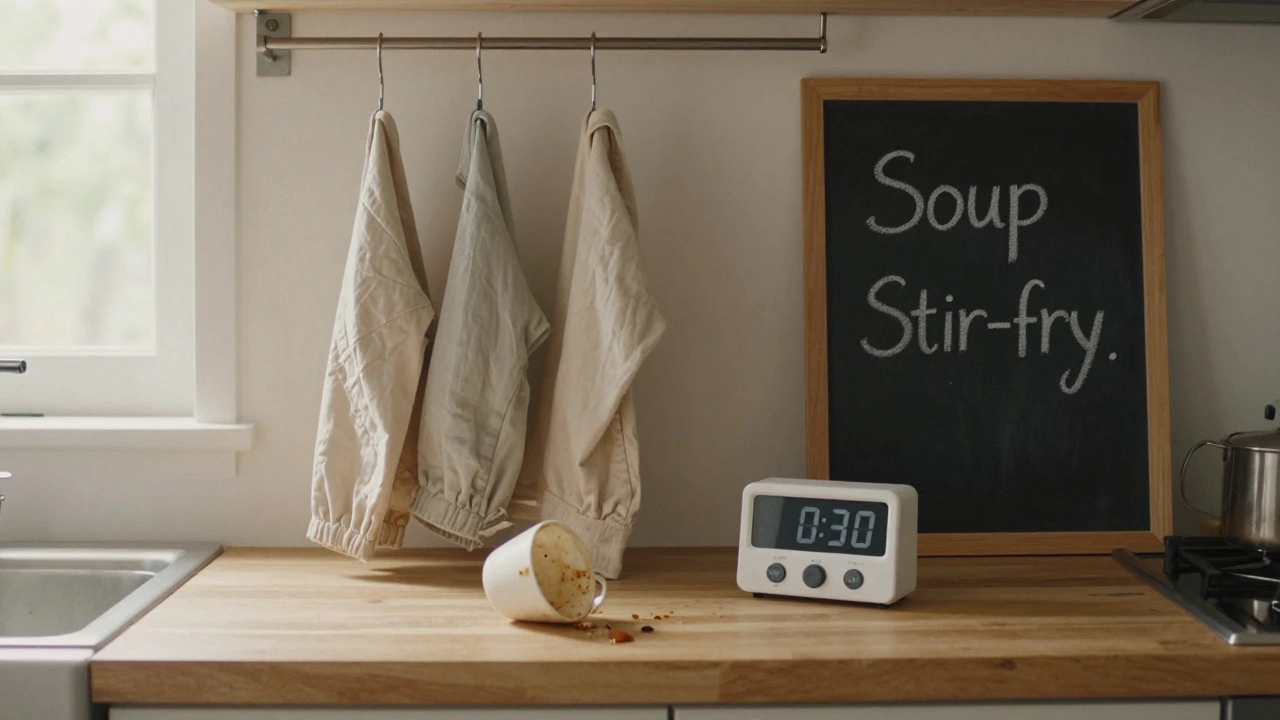
- Reduce it to two options. (e.g., "Soup or stir-fry. That’s it.")
- Set a 30-second timer. When it goes off, pick one - no second-guessing.
Do this for one week. Then add another. You’re not trying to be perfect. You’re trying to be quiet.
Why This Matters More Than You Think
Decision fatigue doesn’t just make you tired. It makes you smaller. It shrinks your sense of possibility. You stop dreaming because you’re too busy managing the details. You stop saying yes to yourself - because you’ve used up all your yeses on everyone else.
But here’s the truth: self-care isn’t bubble baths. It’s saying no to the noise. It’s protecting your attention like it’s gold - because it is.
Every time you simplify a decision, you’re not just saving time. You’re reclaiming your right to be human - not a manager, not a fixer, not a doer of everything. Just a woman who deserves to rest.
Is decision fatigue only a problem for working mothers?
No. While working mothers often face the highest load, decision fatigue affects all women - whether they’re students, retirees, single, partnered, or child-free. The common thread is the societal expectation to manage emotional labor, social obligations, household logistics, and personal appearance - often without support. A woman managing a household alone, a woman caring for aging parents, or even a woman navigating workplace dynamics where she’s the only one speaking up - all experience the same mental toll.
Can decision fatigue lead to physical health problems?
Yes. Chronic decision fatigue is linked to higher cortisol levels, disrupted sleep, weakened immune response, and increased risk of burnout. A 2024 study in the Journal of Women’s Health found that women reporting high decision loads were 2.3 times more likely to develop chronic headaches and 1.8 times more likely to report gastrointestinal issues. The body doesn’t distinguish between emotional and physical stress - it just responds.
How do I know if I’m experiencing decision fatigue or just being lazy?
Laziness feels like apathy - you don’t care enough to act. Decision fatigue feels like exhaustion - you want to act, but your brain won’t let you. If you feel guilty for not doing things, or if you’re physically tired even after sleeping, it’s likely fatigue. If you’ve been avoiding tasks for weeks and don’t feel bad about it, it might be something else. The key sign of decision fatigue: you’re overwhelmed by small choices that used to feel easy.
Should I stop making decisions altogether?
No. The goal isn’t to stop deciding - it’s to reduce the number of low-stakes decisions you make every day. You still need to choose what to eat, what to wear, and how to respond to your kids. But you can design systems so those choices are automatic. Think of it like setting your thermostat: you don’t have to think about the temperature every hour. You set it once, and it works. Apply that same logic to your daily routines.
Can my partner help me with decision fatigue?
Absolutely - if they’re willing to step in. But you can’t wait for them to notice. Be direct: "I’m overwhelmed by daily choices. Can we split the meal planning?" or "I need you to handle the kids’ outfits on Tuesdays." Most partners want to help - they just don’t know what’s weighing on you. Naming the problem out loud is the first step to sharing the load.
Final Thought: Your Energy Is Not Infinite
You don’t have to do everything. You don’t have to be everything. You don’t have to say yes to every request, every invitation, every expectation.
Self-care isn’t selfish. It’s survival.
Start by cutting one decision today. Just one. Then another tomorrow. Slowly, quietly - you’ll start to feel like yourself again.