Cycle Syncing: How to Align Nutrition, Fitness, and Work with Your Menstrual Cycle
 Nov, 22 2026
Imagine waking up on Monday morning feeling like you could run a marathon, then hitting a wall by Wednesday where even answering emails feels like wading through mud. For many women, this isn't just stress or poor sleep-it’s biology. Cycle syncing is the practice of adjusting your diet, exercise, and daily schedule to match the four distinct phases of your menstrual cycle. It’s not about restricting yourself; it’s about working with your hormones instead of fighting them.
You might be wondering if this is just another wellness trend or if there’s real science behind shifting your habits every few weeks. The truth lies in the fluctuating levels of estrogen and progesterone. These hormones don’t just affect your mood; they dictate how your body uses fuel, how it responds to physical stress, and how sharp your brain is at any given moment. When you align your lifestyle with these natural rhythms, you often find more energy, better focus, and less burnout.
The Four Phases of the Menstrual Cycle
To sync your life, you first need to know where you are in your cycle. Most cycles last between 21 and 35 days, but the pattern of hormone release remains consistent. Think of your month as having two main halves: the follicular phase (rising energy) and the luteal phase (winding down).
Menstruation (Days 1-5) is when your period starts. Estrogen and progesterone drop to their lowest levels. This is a time for rest and reflection. Follicular Phase (Days 6-14) follows, where estrogen begins to rise. You’ll likely feel more energetic and creative. Ovulation (Day 14ish) is the peak of estrogen. You’re at your most social and confident. Finally, the Luteal Phase (Days 15-28) sees progesterone rise, which can cause bloating, fatigue, and cravings before the cycle resets.
| Phase | Dominant Hormones | Energy Level | Mental State |
|---|---|---|---|
| Menstruation | Low Estrogen & Progesterone | Low to Moderate | Introspective, Sensitive |
| Follicular | Rising Estrogen | Increasing High | Creative, Energetic |
| Ovulation | Peak Estrogen, LH Surge | Peak High | Confident, Social |
| Luteal | Rising Progesterone | Declining | Anxious, Detail-Oriented |
Nutrition That Matches Your Biology
Your metabolic rate actually changes throughout the month. During the luteal phase, your body burns roughly 100-200 more calories per day because maintaining the uterine lining requires energy. If you ignore this, you might feel starved or binge eat, thinking you lack willpower. In reality, your body is asking for fuel.
During menstruation, iron levels drop due to blood loss. Focus on nutrient-dense foods rich in iron and vitamin C to help absorption. Think spinach salads with lemon dressing, lentil soups, or lean red meat. Hydration is critical here, too, as water retention can make you feel puffy despite being dehydrated at a cellular level.
In the follicular phase, your insulin sensitivity improves. This means your body handles carbohydrates efficiently. You can enjoy complex carbs like sweet potatoes, quinoa, and oats without worrying about energy crashes. This is also a great time to try intermittent fasting if that suits your lifestyle, as your body is primed for it.
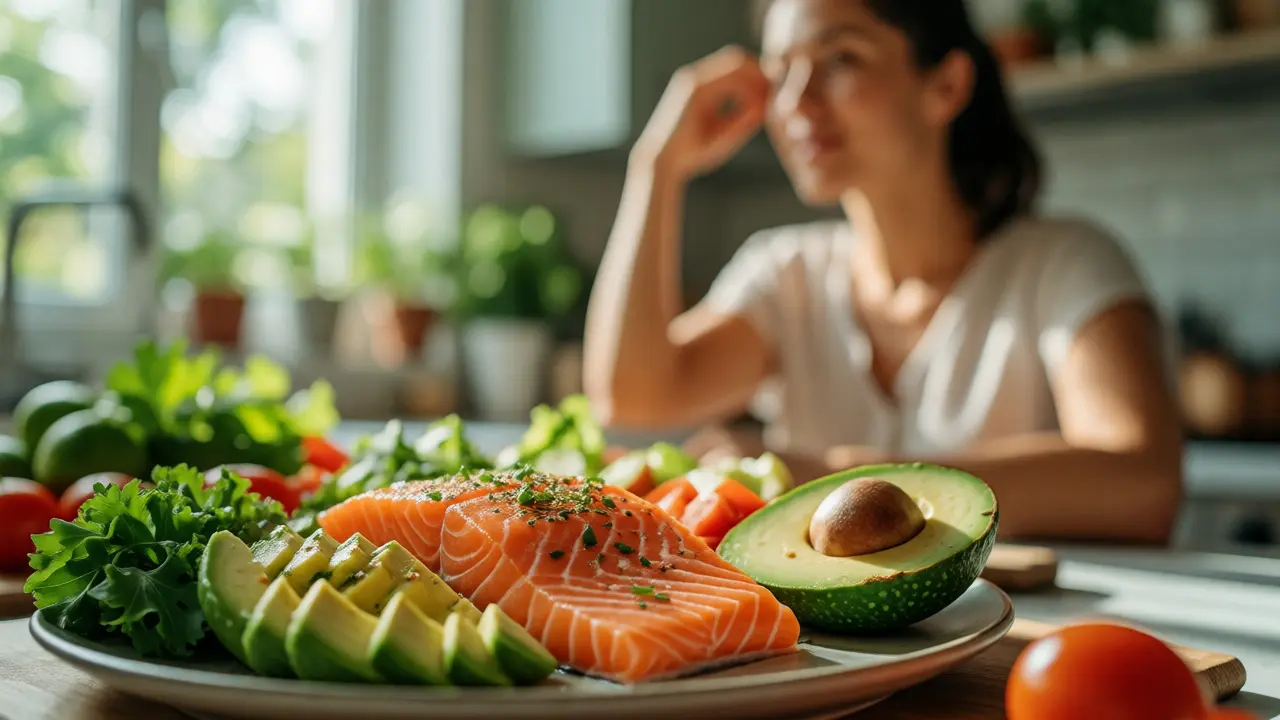
As you move into ovulation, keep meals balanced with healthy fats and proteins to support hormone production. Avocados, nuts, and fatty fish like salmon are excellent choices. Once you hit the luteal phase, cravings for sugar and salt often spike. Instead of fighting them, choose dark chocolate and salty roasted chickpeas. Increase magnesium-rich foods like pumpkin seeds and leafy greens to combat PMS symptoms and stabilize mood.
Fitness Adjustments for Each Phase
Pushing through high-intensity interval training (HIIT) during your period might leave you exhausted rather than energized. Conversely, skipping workouts during the luteal phase might miss out on muscle-building opportunities. Here is how to adjust your routine.
During menstruation, gentle movement is key. Yoga, walking, or light stretching helps alleviate cramps by increasing blood flow to the pelvic area. If you feel strong, low-impact strength training is fine, but listen to your body. Rest days are productive days during this phase.
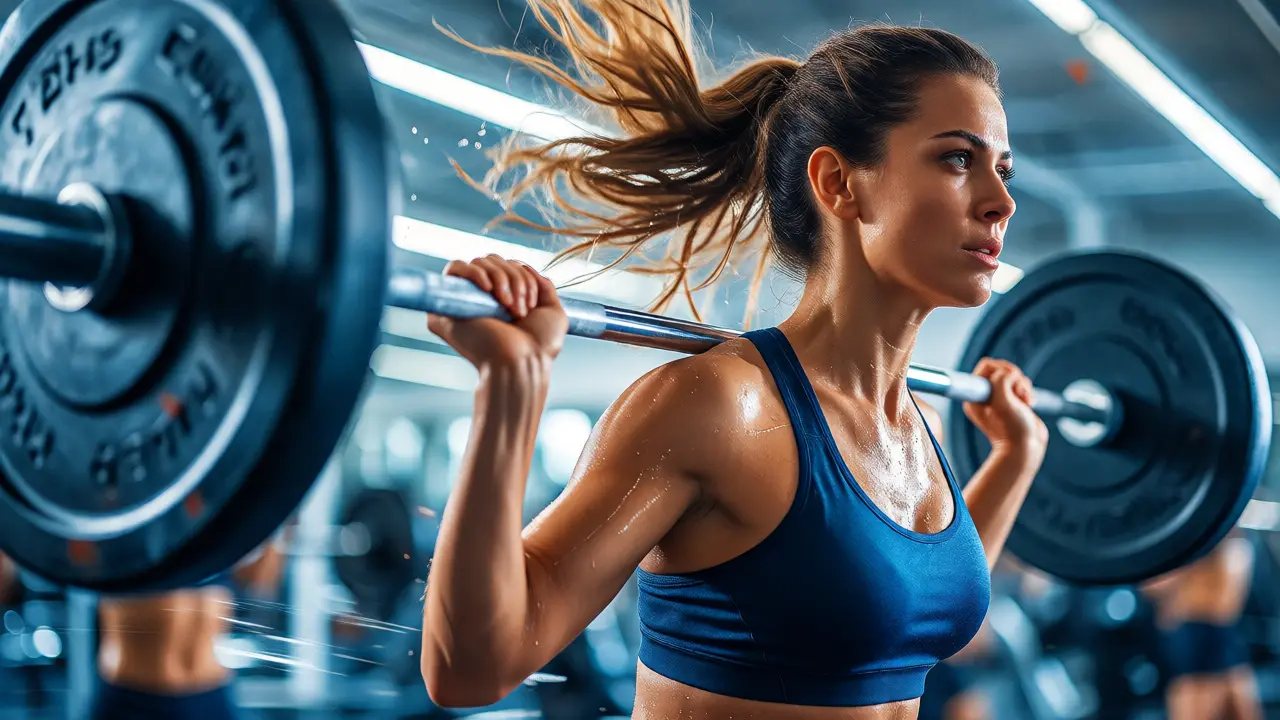
The follicular phase is perfect for starting new workout routines or increasing intensity. As estrogen rises, your recovery speed improves. This is the ideal window for heavy lifting, running, or HIIT classes. Your muscles repair faster, and you may notice strength gains happening more easily.
Ovulation brings peak power output. Many women report feeling strongest around this time. Use this window for personal records in the gym or intense cardio sessions. However, be mindful of joint laxity caused by high estrogen; ensure proper form to prevent injury.
In the luteal phase, progesterone raises your core body temperature slightly, making workouts feel harder. Shift toward steady-state cardio, pilates, or moderate weight training. Avoid overtraining, as cortisol (the stress hormone) tends to be higher now. If you push too hard, you might experience increased inflammation or longer recovery times.
Work Planning and Productivity Hacks
Did you know your cognitive abilities shift with your hormones? Estrogen boosts dopamine, which enhances verbal fluency and multitasking. Progesterone has a calming effect but can slow down processing speed. You can leverage these changes to optimize your workday.
Schedule brainstorming sessions, creative projects, and collaborative meetings during the follicular phase and ovulation. Your brain is wired for connection and innovation right now. Presentations and public speaking go smoother when estrogen is high because confidence levels naturally peak.
Reserve deep-focus tasks, data analysis, and administrative work for the early luteal phase. While creativity might dip, attention to detail often sharpens. This is a good time to clean up email backlogs, organize files, or finalize reports. You’re less distracted by social dynamics and more focused on execution.
Towards the end of the luteal phase, pre-menstrual syndrome (PMS) can bring irritability and brain fog. Protect your energy. Schedule lighter workloads, take more breaks, and avoid major decision-making if possible. Use this time for planning next month’s goals rather than executing them. Setting boundaries now prevents burnout later.
Common Pitfalls and How to Avoid Them
One big mistake is treating every cycle exactly the same. Stress, travel, illness, or poor sleep can delay ovulation, shifting your entire timeline. Don’t rely solely on calendar apps. Track physical symptoms like cervical mucus, basal body temperature, or mood changes to pinpoint your actual phase.
Another trap is perfectionism. You won’t always nail your nutrition or workouts. Some days, you’ll want cake during your period, and that’s okay. Cycle syncing is about awareness, not rigid control. If you miss a week of tracking, just jump back in where you are.
Also, remember that birth control alters these natural fluctuations. If you’re on hormonal contraceptives, you don’t have a true menstrual cycle, so the benefits of syncing might be muted or different. Consult with your healthcare provider to understand how your specific medication affects your energy and metabolism.
Getting Started with Cycle Syncing
Ready to try it? Start simple. Pick one area-like food or workouts-to adjust first. Don’t overhaul your whole life overnight. Keep a journal for three months to identify patterns. Note when you feel most energetic, hungry, or anxious.
Use technology to help. Apps like Clue or Flo allow you to log symptoms and predict phases. Set reminders for self-care activities aligned with each phase. For example, set a reminder for a yoga session on Day 2 and a meal-prep day on Day 7.
Communicate with your partner or team. Letting those close to you know that you have predictable energy dips can foster understanding. It’s not an excuse for laziness; it’s a strategy for sustainable performance.
Does cycle syncing work for everyone?
Most women see benefits, especially those with regular cycles. Those with irregular periods, PCOS, or who use hormonal birth control may experience different results. It’s worth trying to see how your unique body responds.
How do I know my exact cycle length?
Track from the first day of bleeding to the day before your next period starts. Average lengths vary from 21 to 35 days. Consistency matters more than the specific number for identifying patterns.
Can I still do HIIT during my period?
Yes, if you feel up to it. Some women prefer high intensity even during menstruation. Listen to your body; if you feel drained, switch to lower impact exercises. There is no rule against HIIT, only guidelines based on energy levels.
What supplements help with cycle syncing?
Magnesium is helpful for PMS and cramps. Iron supports energy during menstruation. Omega-3 fatty acids reduce inflammation throughout the cycle. Always consult a doctor before starting new supplements.
Is cycle syncing scientific?
The underlying biology of hormonal fluctuations is well-established science. The application of this knowledge to lifestyle optimization is emerging research, with growing anecdotal evidence supporting improved well-being and performance.