Crisis Resources for Women: What to Use and When
 Mar, 17 2026
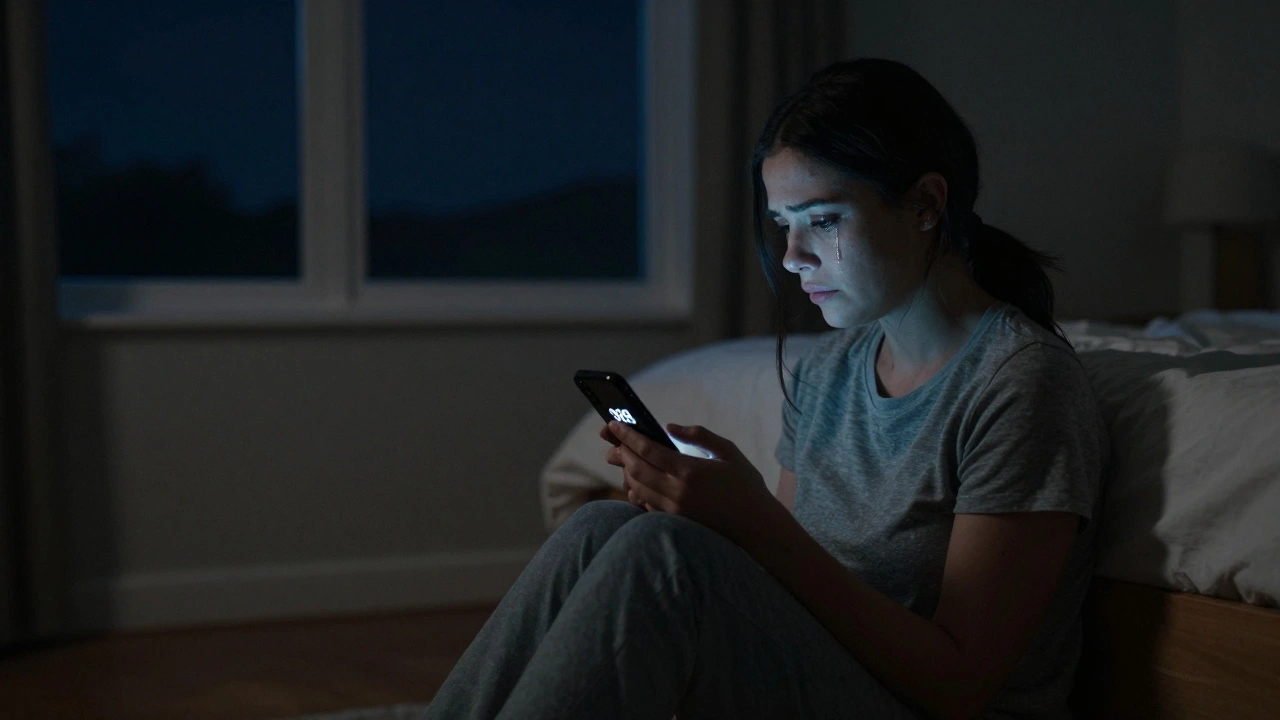
When a woman is in crisis-whether it’s a panic attack, an abusive situation, or just feeling completely alone-she doesn’t need a long explanation. She needs help, fast. And not just any help. The right kind. The kind that’s there when the lights are off, the phone is shaking in her hand, and she doesn’t know who to call. That’s why knowing exactly which crisis resources exist, and when to use them, isn’t optional. It’s life-saving.
Immediate Emotional Crisis: Call or Text These Lines
If you’re in emotional pain right now-overwhelmed, terrified, or thinking about hurting yourself-don’t wait. The 988 Suicide & Crisis Lifeline is free, confidential, and available 24/7. Just dial 988. You’ll be connected to a trained counselor who knows how to listen without judgment. No screening. No paperwork. Just someone who cares. This line works for anyone, anywhere in the U.S., and they have Spanish-speaking and Deaf/HoH (via video relay) options built in.
Texting is often easier than calling. The Crisis Text Line (text HOME to 741741) connects you with a volunteer crisis counselor within minutes. It’s not therapy, but it’s a lifeline when you’re too shaken to speak. Studies show that 85% of users feel significantly calmer after a conversation. In 2025 alone, over 2 million texts came from women under 25.
Domestic Violence and Abuse: Hidden Crises Need Specific Help
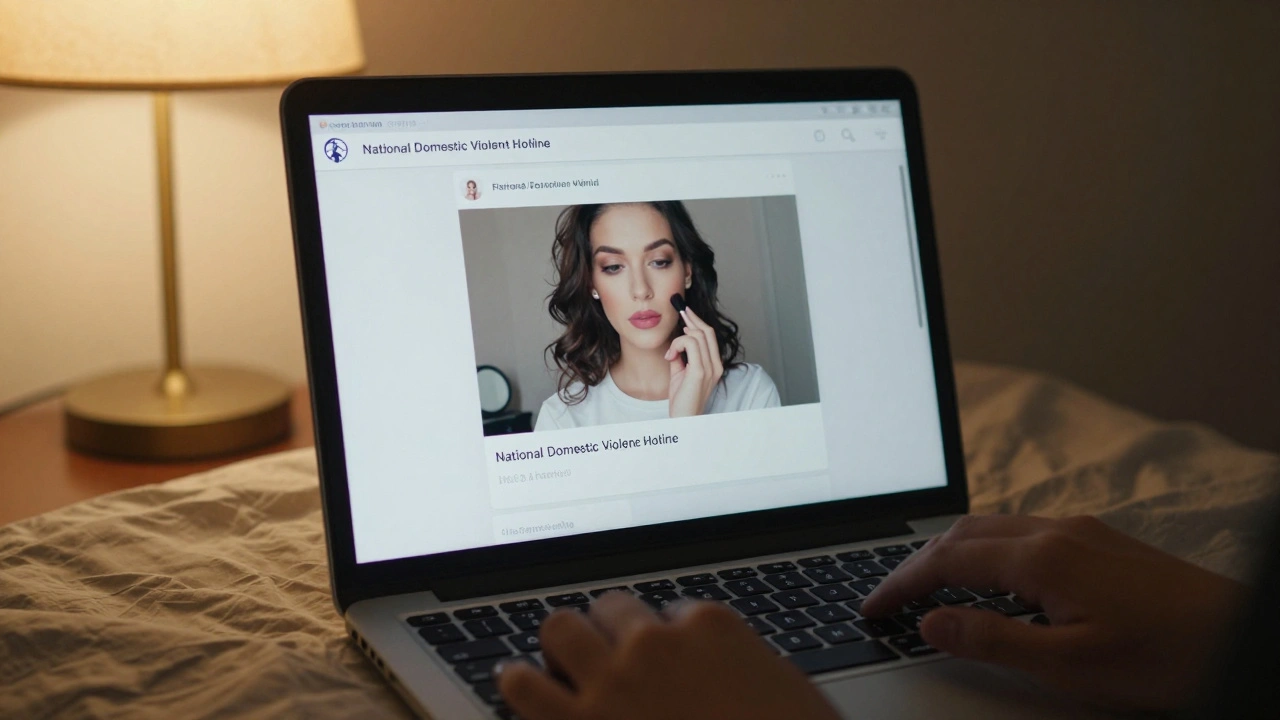
Domestic violence doesn’t always leave bruises. Sometimes it’s silence, control, or financial trapping. If you’re in an abusive relationship, calling 911 might feel too risky. That’s where the National Domestic Violence Hotline (1-800-799-SAFE or 723-3233) comes in. They don’t just offer advice-they help you create a safety plan. That means figuring out where to go, what to take, how to leave without alerting your abuser. Their counselors are trained in trauma-informed care and have direct links to shelters across the country. You can chat online anonymously at thehotline.org, or use their live chat feature if you’re in a public space and can’t speak.
Pro tip: If you’re using a shared device, clear your browser history after visiting. The Hotline also offers a secret page that looks like a makeup tutorial to hide your activity. It’s real. It’s been used by thousands.
Sexual Assault: You Are Not Alone
After an assault, the body and mind go into shock. You might feel numb, guilty, or terrified to speak. The National Sexual Assault Hotline (1-800-656-HOPE) is staffed by trained rape crisis counselors who understand what you’re going through. They don’t ask why you didn’t leave sooner. They don’t judge your choices. They answer your questions: “Should I go to the hospital?” “What if I don’t remember everything?” “Can I still report this later?”
The hotline works with over 1,000 local rape crisis centers. If you’re ready to report, they can walk you through the process. If you’re not, they’ll help you find a therapist who specializes in trauma. And yes-they offer free forensic exams even if you’re unsure about reporting. You don’t have to decide right now. Just call.
Postpartum Mental Health: When the Baby Doesn’t Fix It
Many women believe they should feel happy after having a baby. When they don’t, they feel broken. Postpartum depression affects 1 in 7 new mothers. It’s not laziness. It’s not bad parenting. It’s a biological crisis. The Postpartum Support International (PSI) Helpline (1-800-944-4773) connects you with moms who’ve been there. Counselors here know the difference between baby blues and clinical depression. They can help you find a therapist who accepts your insurance, locate a support group nearby, or even connect you with a peer mentor who’s a new mom herself.
PSI also has a texting option: text “Help” to 50411. You’ll get a reply within 20 minutes. No judgment. No waiting. Just someone who gets it.
For Women of Color, LGBTQ+, and Rural Communities: Tailored Support Exists
Not all crisis lines are built the same. A Black woman in rural Alabama needs different resources than a queer teen in Seattle. That’s why specialized lines matter.
- Trans Lifeline (1-877-565-8860): Run by trans people, for trans people. Available 24/7. No gatekeeping. Just support.
- Asian Mental Health Collective (online chat at amhc.org): Offers free, culturally competent therapy referrals in over 12 languages.
- Native American LifeLine (1-877-556-3337): A hotline created by Indigenous healers, blending traditional practices with mental health care.
- LGBTQ+ National Help Center (1-888-843-4564): For queer women, nonbinary folks, and trans women who face rejection from family or faith communities.
These aren’t “niche” services. They’re essential. And they’re working. A 2024 study found that women of color who used culturally specific crisis lines were 40% more likely to follow up with long-term care than those who used generic hotlines.
When to Use Online Tools vs. In-Person Support
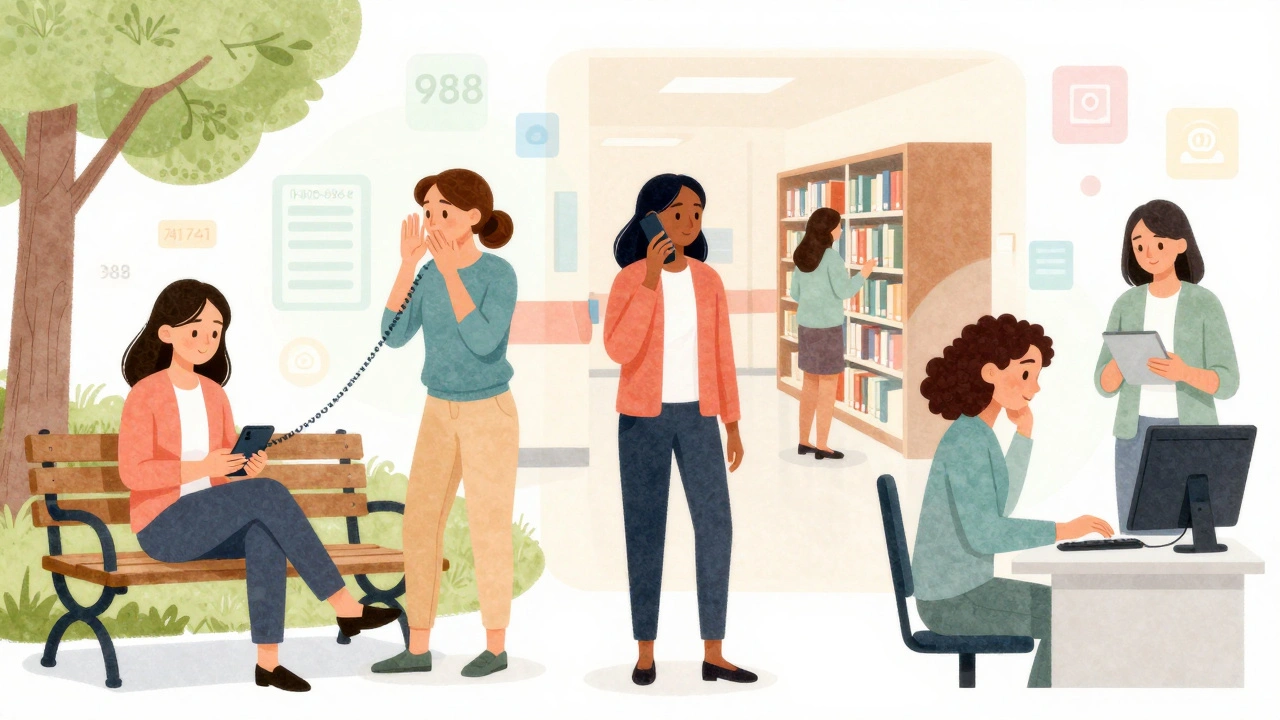
Not every crisis needs a phone call. Sometimes, you need to pause, breathe, and gather yourself before reaching out.
Use online tools if:
- You’re not ready to speak aloud
- You need to research options quietly
- You’re in a public place and can’t talk
Try Psychology Today’s Therapist Finder to search for trauma-informed therapists near you. Filter by insurance, gender, language, and specialty. Or use 7 Cups for free, anonymous chat with trained listeners. It’s not a replacement for therapy, but it’s a bridge.
Use in-person support if:
- You’re in immediate danger
- You need medical care
- You’ve been isolated for weeks and need human connection
Emergency rooms are required to screen for domestic violence and suicide risk. You don’t need to say “I’m in crisis.” Just say, “I need help.” They’ll know what to do. And if you’re worried about cost-many hospitals have social workers who can help you get free services.
What to Keep Handy: A Real-World Checklist
Don’t wait until you’re in crisis to look this up. Save it now. On your phone. In your wallet. On the fridge.
- 988 (Suicide & Crisis Lifeline) - Call or text
- 741741 (Crisis Text Line) - Text HOME
- 1-800-799-SAFE (Domestic Violence Hotline) - Call or chat online
- 1-800-656-HOPE (Sexual Assault Hotline) - Call or chat
- 1-800-944-4773 (Postpartum Support) - Call or text HELP to 50411
- 1-877-565-8860 (Trans Lifeline) - Call
- amhc.org - Asian mental health support
- 7cups.com - Free anonymous chat
Keep a small notebook with these numbers. Write them in code if you’re afraid someone will find them. Use “Auntie’s number” for the Domestic Violence Hotline. Or save them as “Mom’s emergency contact.” Whatever works.
What Doesn’t Work (And Why)
Don’t rely on friends alone. They care, but they’re not trained. Don’t wait for your therapist to “get back to you.” If you’re in crisis, they’re not on call 24/7. Don’t think, “I’ll call tomorrow.” Tomorrow might be too late.
And don’t believe the myth that you have to be “bad enough” to deserve help. You don’t need to be suicidal. You don’t need to be beaten. You don’t need to be homeless. If you feel like you’re drowning-call. That’s enough.
What if I’m not sure if I’m in crisis?
You don’t have to be sure. Crisis lines are designed for uncertainty. If you’re feeling overwhelmed, scared, or like you can’t go on-even if you can’t explain why-that’s enough. Counselors are trained to help you figure it out. You’re not wasting their time. You’re using a tool meant for you.
Are these services really free?
Yes. All the lines listed are completely free. No insurance needed. No payment required. No credit card. No personal info unless you choose to share it. Even the online chat services don’t track your identity. They’re funded by grants and donations so they can stay open to everyone.
Can I call for someone else?
Absolutely. If you’re worried about a friend, sister, or coworker, call for them. You don’t need their permission. Counselors can guide you on how to approach the situation safely. They’ll even help you draft a text message if you’re scared to say the wrong thing.
What if I’m scared I’ll be judged?
Crisis counselors hear every story. They’ve heard from women who’ve been trafficked, abandoned, silenced, and shamed. They don’t judge. They listen. And they’ve been trained to respond with compassion, not shock. Your story matters-not because it’s “bad enough,” but because it’s yours.
How do I find a therapist after the crisis passes?
After a crisis, you might need ongoing support. Start with the same hotlines-they often have referral lists. Use Psychology Today’s therapist finder, filter for trauma, gender, and insurance. Many therapists now offer sliding scale fees. And if you’re on Medicaid, you’re entitled to mental health care. Ask your primary care doctor. They’re required to help you find one.
Crises don’t come with warning signs. But help does. And it’s waiting. Right now. No matter where you are, no matter what you’ve been through-you’re not alone. Call. Text. Reach out. It’s not weakness. It’s survival.