Creativity as Self-Care for Women: How to Find and Feed Your Creative Outlet
 Oct, 3 2026
You know that feeling when you’re exhausted, not because you did too much physical work, but because your brain has been running a marathon of decisions all day? For many women, especially those juggling careers, caregiving, and household management, this mental fatigue is the norm. We often treat self-care as something we buy-a bubble bath, a facial, or a weekend getaway. But what if the most effective rest isn’t about escaping your life, but engaging with it differently?
Enter creative self-care. It’s not about becoming the next Frida Kahlo or writing the Great American Novel. It’s about using creative acts as a tool for emotional regulation, stress reduction, and identity reclamation. When you engage in creative expression, you shift from a state of constant output (doing things for others) to a state of flow (doing things for yourself). This article breaks down why creativity works as a therapeutic practice for women and how you can find an outlet that actually fits into your chaotic schedule.
Why Creativity Is Not Just a Hobby
Let’s clear up a misconception right away: creativity is not reserved for "artists." If you’ve ever rearranged furniture, cooked a new recipe, or organized a closet, you’ve been creative. The reason neuroscience backs this up is fascinating. Engaging in creative tasks activates the parasympathetic nervous system, which helps lower cortisol levels. A study published in the Journal of Positive Psychology found that just 30 minutes of creative activity significantly improved positive emotions and decreased negative affect, regardless of skill level.
For women, who are statistically more likely to experience anxiety and depression than men, this biological shift is crucial. Creative activities provide a form of "active meditation." Unlike passive relaxation like watching TV, where the mind can still ruminate on worries, creating requires focus. You have to pay attention to the stitch, the brushstroke, or the chord change. This focus forces your brain out of the default mode network-the area responsible for mind-wandering and self-referential thoughts-and into the task-positive network. In plain English: you stop overthinking because you’re too busy making.
The Gendered Gap in Creative Time
If creativity is so good for us, why do so few women prioritize it? The answer lies in the "mental load" and societal expectations. Sociologist Arlie Hochschild coined the term "second shift" to describe the unpaid domestic labor women perform after their paid workday ends. By the time dinner is made, kids are bathed, and emails are answered, there’s no energy left for painting or playing guitar.
We also battle the "perfectionism trap." Women are often socialized to be competent and productive. If a creative act doesn’t produce a tangible result-like a quilt for a gift or a cake for a party-it feels like a waste of time. We struggle to justify spending money on supplies or hours on practice when the output has no monetary value. To use creativity as self-care, you must first give yourself permission to make "ugly" art. The goal is the process, not the product. If your watercolor looks like a muddy puddle, but you felt calm while mixing the colors, the self-care worked.
Finding Your Outlet: A Diagnostic Approach
Not every creative activity suits every person. Trying to force yourself to knit if you hate sitting still will only add stress. You need to match the creative medium to your current psychological needs. Here is a quick way to diagnose what kind of outlet you might need right now:
- Do you feel scattered and anxious? Try structured creativity. Coloring books, cross-stitching, or following a strict pottery tutorial provide boundaries that contain chaotic feelings.
- Do you feel numb or disconnected? Try expressive arts. Free-writing, abstract painting, or improvisational dance allow you to access emotions without needing words.
- Do you feel stuck or frustrated? Try problem-solving creativity. Woodworking, coding simple websites, or cooking complex meals engage the analytical brain, giving you a sense of agency and competence.
- Do you feel lonely? Try communal creativity. Join a choir, a book club, or a community garden. The social connection amplifies the therapeutic benefit.
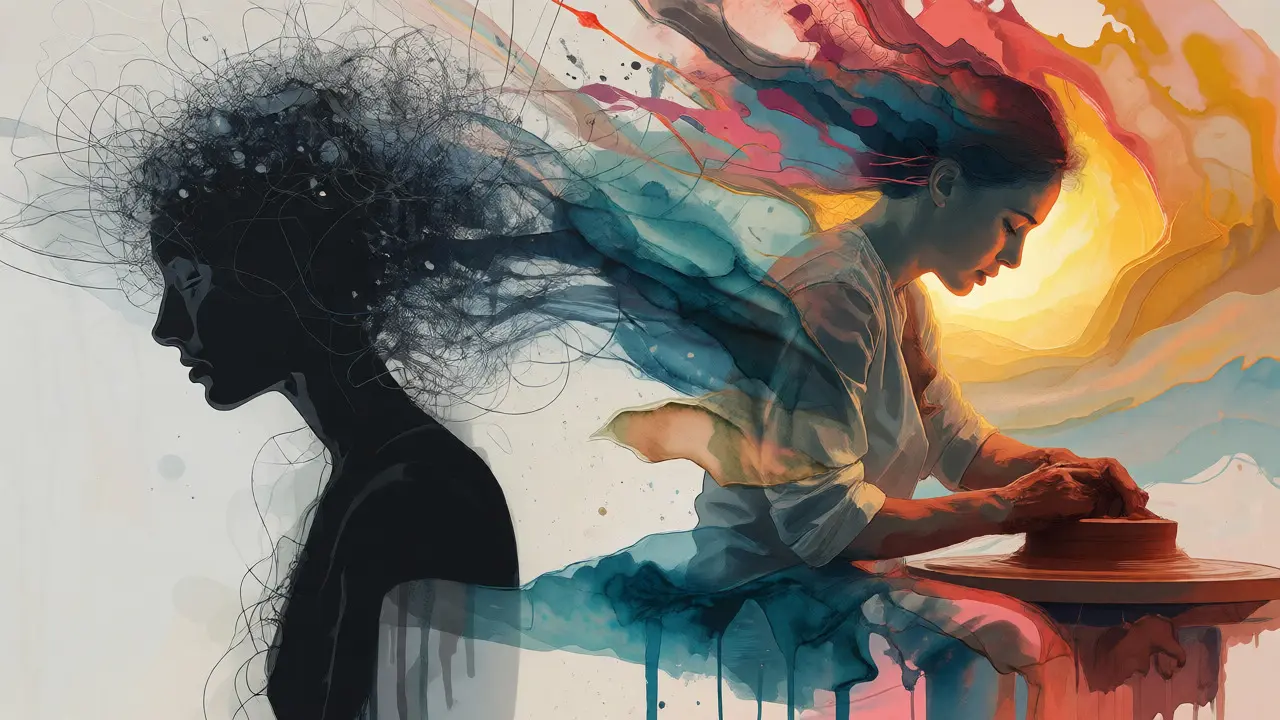
Consider Sarah, a project manager I spoke with recently. She was burnt out and tried yoga, but found it boring. She started taking a monthly ceramics class. At first, she hated getting clay under her nails. But three months later, she reported that the tactile sensation of shaping wet earth helped ground her during high-stress weeks at work. She wasn’t trying to become a potter; she was using clay to regulate her nervous system.
Practical Steps to Start Today
You don’t need a studio or expensive equipment. The barrier to entry should be low enough that you can start within ten minutes. Here is a framework for integrating creative self-care into a busy life:
- The 15-Minute Rule: Commit to only fifteen minutes. Tell yourself you can stop after that. Often, starting is the hardest part. Once you begin, you might go longer, but you don’t have to.
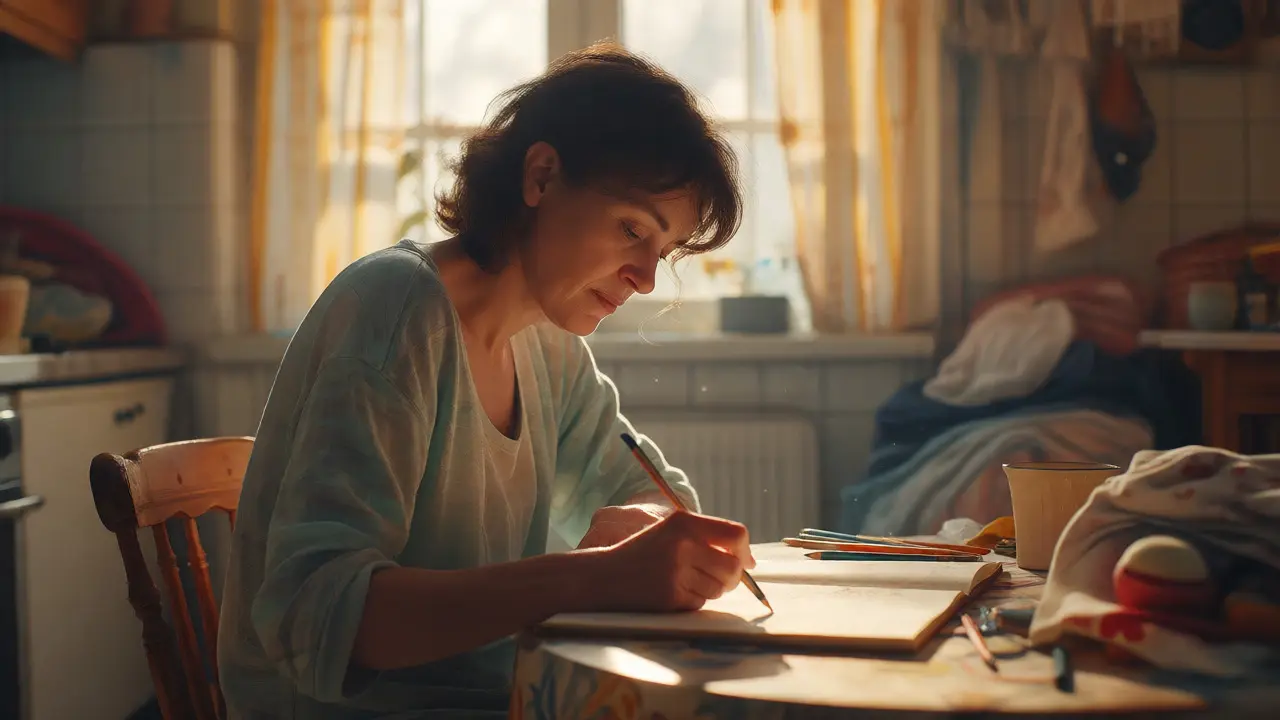
- Create a "Sacred Spot": You don’t need a whole room. A corner of the kitchen table with a sketchbook and pencils, or a specific chair with a book, signals to your brain that this is time for you. Keep the supplies visible so you don’t have to search for them.
- Lower the Stakes: Buy cheap materials. Use dollar-store acrylics instead of professional oils. Write in a notebook you don’t care about. If the materials are precious, you’ll be afraid to mess them up.
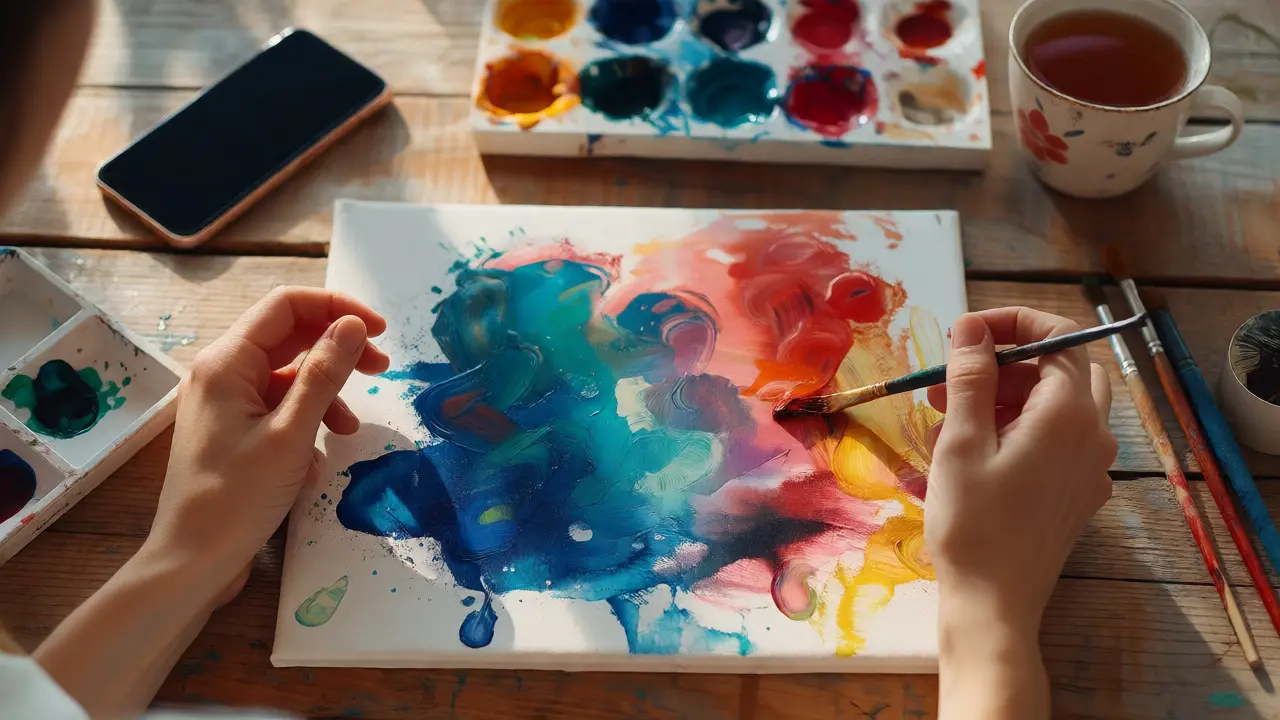
- Digital Detox: Turn off your phone. Creative flow is fragile. One notification can break the spell. Put the device in another room.
What if you say you’re "not creative"? That’s usually code for "I’m afraid of being judged." Remember, children draw before they can read. They don’t worry about perspective or shading. They just express. Reconnecting with that childlike curiosity is the key. Try a "brain dump" exercise: set a timer for five minutes and write down every thought that comes to mind, no matter how trivial. Don’t edit. Don’t judge. Just let the words spill out. This unblocks the mental pipes.
Overcoming Common Barriers
Even with the best intentions, obstacles pop up. Guilt is the biggest one. You might feel selfish for taking time for yourself when the laundry is piling up. Reframe this: a rested, emotionally regulated woman is better equipped to handle the laundry than a resentful, depleted one. Creativity refills your cup so you have something to pour into others.
Another barrier is inconsistency. Life happens. You might skip a week or a month. That’s fine. Treat creativity like brushing your teeth-if you miss a day, you don’t throw away the toothbrush. You just pick it up again. Flexibility is part of the practice. Maybe some days you have energy for a big canvas painting, and other days you only have energy to doodle in the margins of a meeting agenda. Both count.
Sustaining the Practice
To make this stick, track the impact. Keep a simple log. Next to the date, note what you did and rate your mood before and after on a scale of 1-10. Over time, you’ll see patterns. You might discover that watercolor lowers your anxiety more than journaling, or that gardening boosts your energy more than reading. This data removes the guesswork and helps you choose the right tool for the job.
Finally, share sparingly. In the age of Instagram, there’s pressure to document everything. But posting your art for likes turns self-care into performance. Try keeping your creative work private for a while. Let it be yours alone. The vulnerability of creating something imperfect for no audience is deeply liberating.
| Emotional State | Recommended Activity | Key Benefit |
|---|---|---|
| High Anxiety | Zentangle, Knitting, Coloring | Repetitive motion soothes the nervous system |
| Mental Fog | Puzzles, Sudoku, Coding | Sharpens focus and cognitive clarity |
| Grief/Sadness | Journaling, Clay Work, Music | Allows non-verbal processing of heavy emotions |
| Boredom/Stagnation | Cooking New Recipes, Hiking Photography | Introduces novelty and sensory engagement |
Frequently Asked Questions
Do I need to be talented to benefit from creative self-care?
No. Research consistently shows that the therapeutic benefits come from the act of creation, not the quality of the final product. Whether your drawing looks professional or childish, the neurological release of dopamine and the reduction of cortisol occur similarly. Skill improves with practice, but the self-care benefit is immediate.
How much time do I need to spend on creative activities?
Studies suggest that even short bursts, such as 15 to 30 minutes, can yield significant improvements in mood and stress levels. Consistency matters more than duration. Doing something small daily is often more beneficial than one long session once a month, as it keeps the neural pathways active and provides regular breaks from stress.
What if I feel guilty about spending money on art supplies?
Try reframing the cost as healthcare. Compare the price of a $20 set of colored pencils to a therapy co-pay or a bottle of wine. Many creative outlets require minimal investment. Drawing with a pencil on paper costs pennies. Start with free resources like library books or online tutorials before buying specialized equipment.
Can creativity help with burnout specifically?
Yes, particularly if the burnout stems from emotional exhaustion. Creative activities allow for "psychological detachment" from work demands. However, avoid turning hobbies into side hustles. If you start monetizing your knitting, it may reintroduce performance pressure, which can counteract the restorative effects of self-care.
Is digital creativity as effective as analog?
Both have merits. Digital tools like Procreate or Canva offer convenience and undo options, reducing fear of mistakes. Analog methods like painting or sculpting offer stronger tactile feedback, which can be more grounding for those feeling dissociated or overly screen-dependent. Choose based on whether you need visual precision or sensory grounding.