Create a Welcoming Entryway: Women’s Home Styling Tips
 Jan, 10 2026
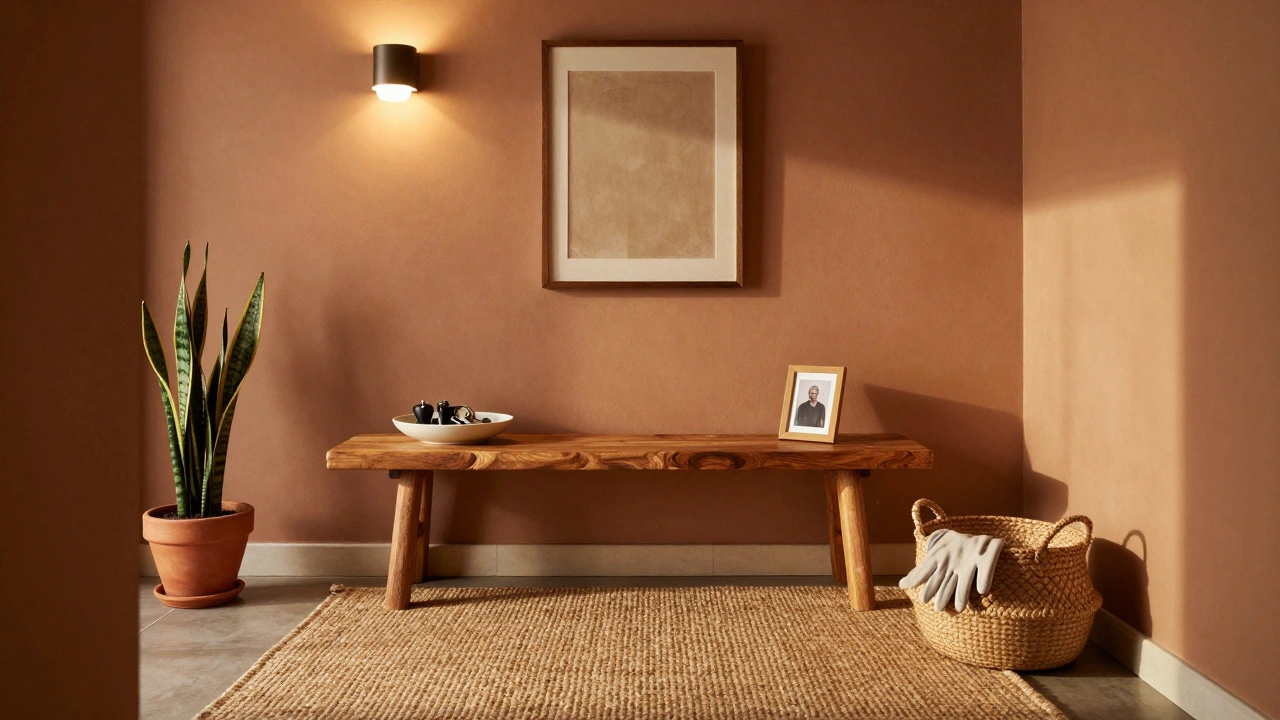
Think about the last time you walked into someone’s home. What was the first thing you noticed? Was it the smell of fresh coffee? The soft light from a table lamp? Or maybe the way the coat rack held jackets just right, and the mat looked like it had been fluffed that morning? That first impression isn’t luck. It’s design. And for many women, the entryway isn’t just a hallway-it’s the heartbeat of the home. It’s where you drop your keys, pause before rushing out, or take a breath after a long day. A welcoming entryway doesn’t need a big budget. It just needs intention.
Start with the Floor
The floor is the foundation of your entryway. A worn-out mat or a slippery tile can ruin the whole vibe. Start by choosing a rug that’s thick enough to catch dirt but still easy to clean. Look for natural fibers like jute or cotton-they breathe, they last, and they soften the space. Avoid synthetic rugs that look shiny and cheap. A rug with a subtle pattern or earthy tone works better than a bold graphic. Size matters too. Your rug should fit under at least the front two legs of your bench or chair. If it’s too small, it looks like an afterthought. If it’s too big, it crowds the space.
Next, think about texture. A woven mat with a little height gives your feet something to feel when you step in. It’s not just practical-it’s comforting. Studies show that tactile surfaces reduce stress. That’s why so many women report feeling calmer after stepping onto a well-chosen mat. Don’t forget to clean it weekly. A dirty mat sends the wrong message before you even say hello.
Lighting That Feels Like a Hug
Dark entryways feel cold. Even in the middle of summer, a dim hallway can make you feel like you’re walking into a cave. You don’t need a chandelier. A simple wall sconce or a small pendant light with warm white bulbs (2700K to 3000K) changes everything. Warm light mimics candlelight-it’s inviting, not clinical. Avoid cool white LEDs. They’re efficient, but they make your keys look gray and your coat look dull.
Place your light at eye level when you’re standing just inside the door. That way, it catches your face as you walk in. If you have a mirror above a console table, position the light so it doesn’t cast shadows on your face. A sconce on either side of the mirror? Even better. It creates balance. And if you’re not ready to install anything? Try a battery-operated LED strip under a shelf. It’s subtle, it’s modern, and it costs less than a coffee order.
Storage That Doesn’t Look Like Storage
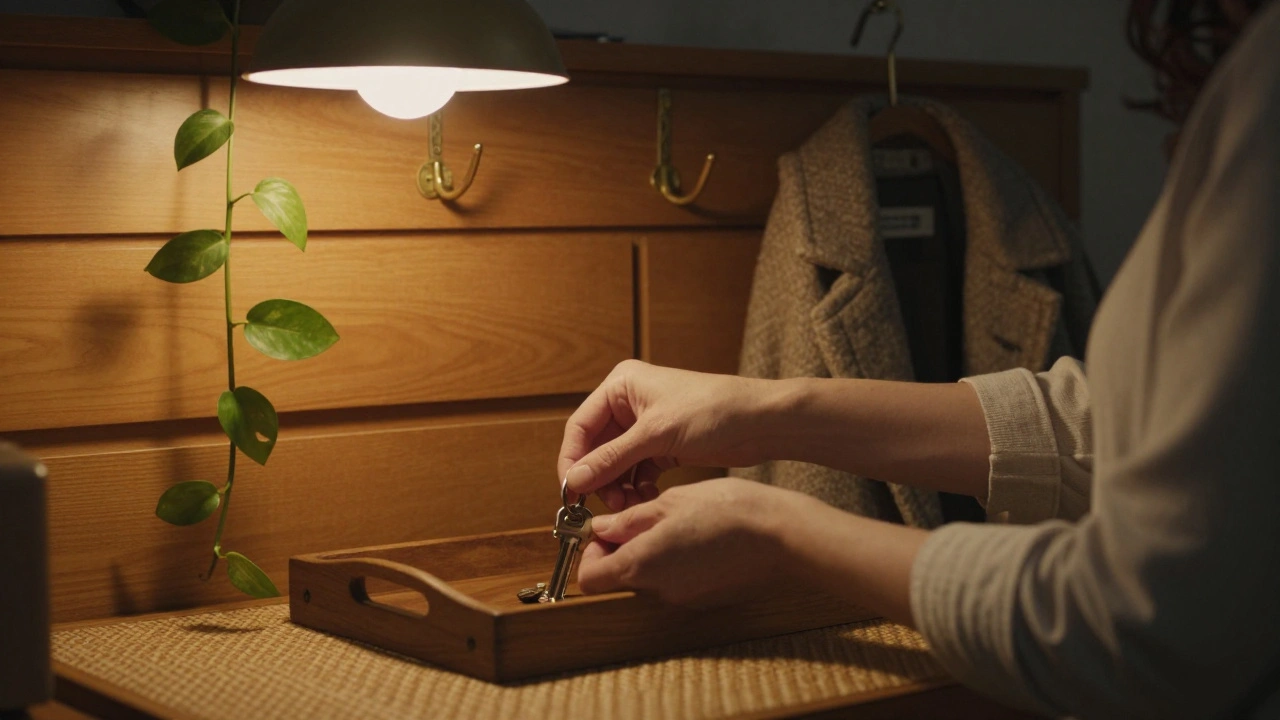
Clutter kills warmth. A pile of shoes, a stack of mail, and a stray backpack don’t scream welcome-they scream chaos. But storage doesn’t have to mean ugly bins or bulky cabinets. Women who nail this part use hidden or semi-hidden solutions. Think: a bench with lift-up storage underneath. Or a narrow console with closed drawers. Or a woven basket tucked beside the door for hats and gloves.
Here’s what works: one place for shoes, one for bags, one for mail, and one for keys. Label them quietly. A small wooden tray for keys. A ceramic dish for sunglasses. A hook for the dog leash. The key is consistency. If everything has a home, you’ll find it. And when you find it fast, you leave faster. No more frantic searches before work.
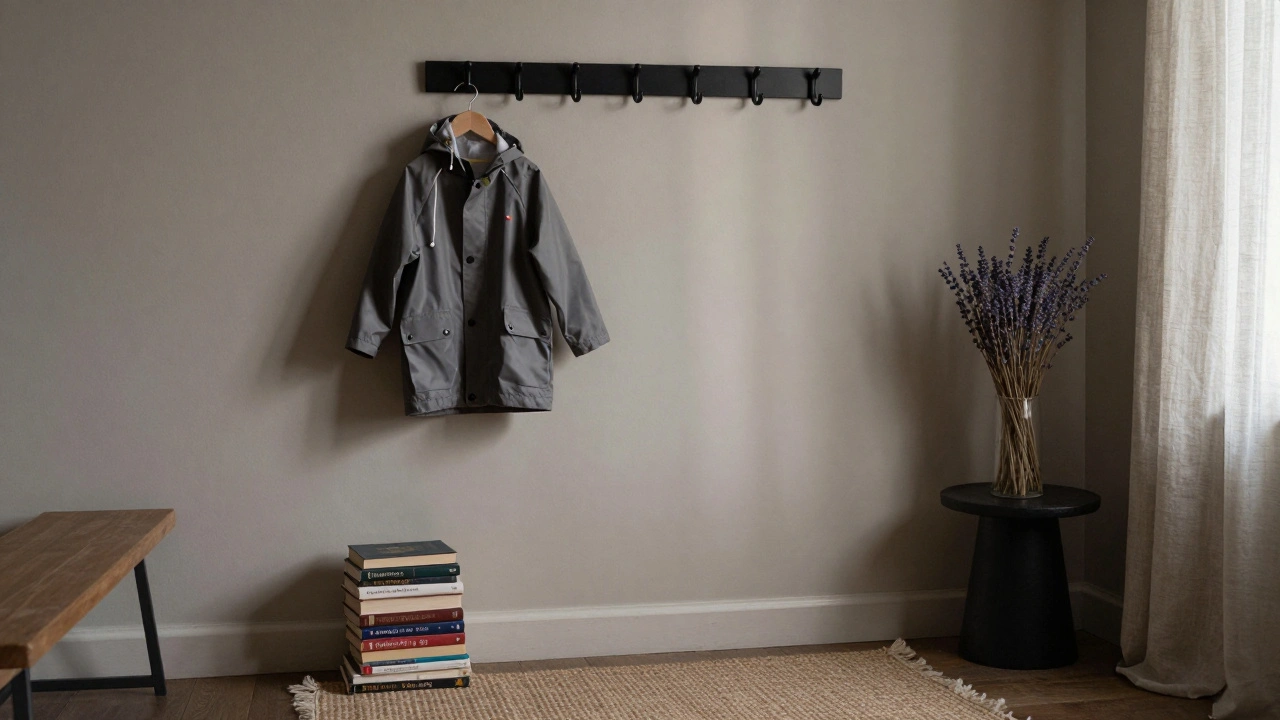
And please-no more hanging coats on the doorknob. It looks like a disaster zone. Use hooks. Three to five hooks, spaced evenly. Make sure they’re sturdy. A hook that bends under a winter coat defeats the purpose. Look for brass, matte black, or unfinished wood. They age beautifully.
Personal Touches That Tell Your Story
This is where many women shine. A single framed photo. A small vase with dried lavender. A stack of two books you love. These aren’t decorations. They’re quiet declarations of who you are. You don’t need to fill every surface. One or two meaningful items do more than five generic ones.
Try this: pick one object that makes you smile when you see it. Maybe it’s a seashell from your first trip with your partner. Or a handmade ceramic bowl from your sister. Place it where you’ll see it every day. Not on the highest shelf. Not tucked behind something. Right where your eyes land as you walk in. That’s the magic. It doesn’t cost anything. But it costs you nothing to feel seen.
Plants help too. Not the giant fiddle-leaf fig. Something small. A snake plant in a terracotta pot. Or a trailing pothos hanging from a hook. They clean the air, soften hard lines, and they’re alive. And alive spaces feel more welcoming than perfect ones.
Color and Texture That Ground You
Entryways often get painted the same beige as the rest of the house. But that’s a missed opportunity. A slightly deeper tone on the walls-like a warm gray, a soft sage, or a muted terracotta-makes the space feel like a hug. It’s not about being bold. It’s about being calm.
Pair that with texture. A linen curtain over a small window. A wool throw draped over the back of your bench. A ceramic lamp with a handmade glaze. These layers don’t need to match. They just need to feel connected. Think of it like a well-loved sweater: soft, familiar, a little worn-in, but still cozy.
Avoid shiny finishes. Glossy paint, chrome hardware, glass tables-they reflect too much. They make the space feel impersonal. Matte finishes absorb light. They feel quieter. And quiet spaces feel safer.
Keep It Fresh, Not Perfect
The most welcoming entryways aren’t magazine-ready. They’re lived-in. A pair of muddy boots left by the door isn’t a flaw-it’s a sign someone came home. A child’s raincoat hanging beside yours? That’s love. A stack of library books on the bench? That’s curiosity. You don’t need to hide the mess. You need to manage it.
Set up a routine: every Sunday night, clear the console. Wipe down the mirror. Fluff the rug. Move the mail to the desk. It takes ten minutes. But those ten minutes make the whole week feel lighter. You’re not trying to create a showroom. You’re creating a sanctuary.
And if you forget one day? That’s okay. The goal isn’t perfection. It’s presence. When you walk in and feel a little calmer, a little more grounded-that’s the win.