Chakras 101 for Women: A Practical Guide to Energy and Practice
 Aug, 17 2026
Do you ever feel like your body is moving on autopilot while your mind races a mile ahead? For many women, the disconnect between physical sensation and emotional state creates a persistent low-level hum of anxiety or fatigue. Understanding chakras offers a structured way to bridge that gap. It’s not about mystical magic; it’s about recognizing how specific energy centers in your body correlate with physical symptoms, emotional patterns, and mental clarity. By integrating simple practices into your daily routine, you can turn abstract concepts into tangible relief.
What Are Chakras and Why Do They Matter for Women?
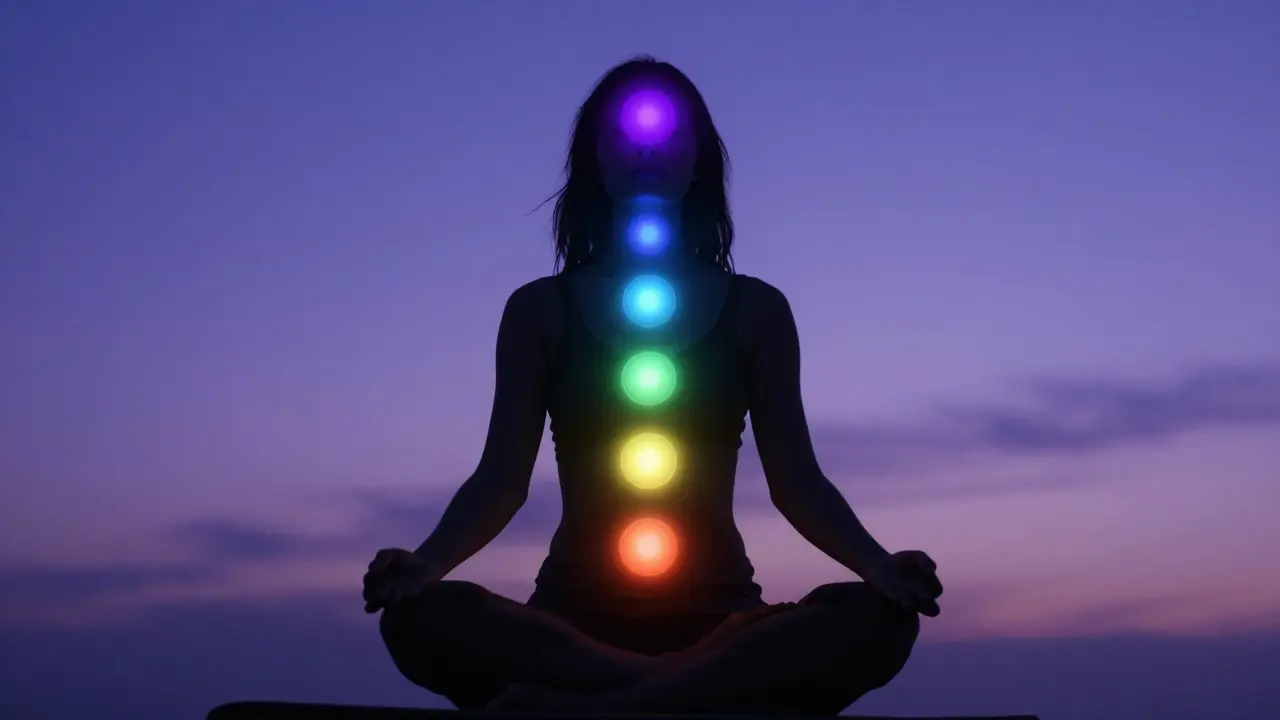
Chakras are energy centers in the human body that correspond to specific physical, emotional, and spiritual functions. The term comes from Sanskrit, meaning "wheel" or "disk." In traditional yoga and Ayurvedic medicine, there are seven primary chakras aligned along the spine, starting from the base (Root) to the crown of the head (Crown). Each one governs different aspects of well-being. For women, this framework is particularly useful because hormonal fluctuations often impact these areas differently than in men. Estrogen and progesterone cycles can directly influence feelings of stability, creativity, and connection, which map closely to the lower and middle chakras.
Think of chakras as a diagnostic tool. If you’re feeling anxious and unable to sleep, it might point to an imbalance in the Throat or Third Eye chakra. If you feel disconnected from your community or lack confidence, the Solar Plexus or Sacral chakra might be underactive. This isn't guesswork; it's a system of observation. By learning to identify where the "blockage" feels, you can apply targeted practices rather than generic relaxation techniques.
The Seven Centers: A Practical Breakdown
Each chakra has a specific location, color, and function. Here is how they translate to real-life experiences for women:
- Root Chakra (Muladhara): Located at the base of the spine. Associated with safety, survival, and grounding. When balanced, you feel secure in your home and finances. When blocked, you may experience fear, insecurity, or lower back pain.
- Sacral Chakra (Svadhisthana): Located below the navel. Linked to creativity, sexuality, and emotions. Imbalances here can lead to mood swings, digestive issues, or a lack of passion in life.
- Solar Plexus Chakra (Manipura): Located in the upper abdomen. This is your center of personal power and will. Weakness here often manifests as self-doubt, poor digestion, or difficulty making decisions.
- Heart Chakra (Anahata): Located in the center of the chest. Governs love, compassion, and connection. Blockages can cause heart palpitations, loneliness, or holding onto grudges.
- Throat Chakra (Vishuddha): Located at the throat. Responsible for communication and truth. Issues here might show up as sore throats, thyroid problems, or feeling unheard.
- Third Eye Chakra (Ajna): Located between the eyebrows. Connected to intuition and insight. Imbalance can lead to headaches, confusion, or a lack of focus.
- Crown Chakra (Sahasrara): Located at the top of the head. Represents spiritual connection and higher consciousness. Disconnection here can feel like a lack of purpose or existential dread.
| Chakra | Common Imbalance Signs | Simple Daily Practice |
|---|---|---|
| Root | Anxiety, lower back pain, feeling unsafe | Barefoot walking, eating root vegetables |
| Sacral | Mood swings, bloating, creative block | Dancing, swimming, journaling emotions |
| Solar Plexus | Indigestion, low confidence, procrastination | Core strengthening exercises, affirmations |
| Heart | Loneliness, chest tightness, resentment | Volunteering, hugging, listening to music |
| Throat | Sore throat, speaking out of turn, silence | Singing, public speaking practice, hydration |
| Third Eye | Headaches, indecision, stress | Meditation, visualization, rest |
| Crown | Lack of purpose, insomnia, disconnection | Sunlight exposure, gratitude journaling |

Integrating Practice: From Theory to Action
Knowing the theory is only half the battle. The real value comes from consistent, small actions. You don’t need to spend hours in lotus position to see results. In fact, short, frequent practices work better for busy schedules. Start with five minutes a day. Consistency beats intensity every time.
For the Root and Sacral chakras, physical movement is key. Try a ten-minute walk outside without headphones. Feel the ground beneath your feet. Notice the temperature of the air. This grounds you in the present moment. For the Solar Plexus, engage your core. Even simple ab crunches or standing tall with your shoulders back can activate this center. Confidence is physical before it is mental.
When addressing the Heart and Throat chakras, focus on connection. Call a friend you haven’t spoken to in a while. Speak your thoughts aloud, even if it’s just to yourself in the mirror. Writing down what you want to say but haven’t said yet can release tension in the throat area. For the Third Eye and Crown, quiet the mind. Sit in silence for three minutes. Don’t try to empty your mind; just observe the thoughts passing by like clouds. This builds the capacity for intuition and calm.
Common Pitfalls and How to Avoid Them
Many beginners make the mistake of trying to "fix" all seven chakras at once. This leads to overwhelm and quick abandonment of the practice. Instead, pick one chakra that resonates with your current struggle. If you’re feeling scattered, focus on the Root. If you’re stuck creatively, focus on the Sacral. Master one center before moving to the next.
Another common error is judging the experience. Meditation isn’t about achieving a blank mind. It’s about awareness. If you get distracted, that’s fine. Just notice it and return. There is no wrong way to do this. Also, avoid relying solely on crystals or supplements. While they can support the practice, they are tools, not solutions. Your own attention and intention are the primary drivers of change.
Building a Sustainable Routine
To make this stick, attach your chakra practice to an existing habit. This is called habit stacking. For example, after you pour your morning coffee, take three deep breaths focusing on your Root chakra. Before you start your car, visualize a golden light in your Solar Plexus. These micro-moments accumulate over weeks, creating a new baseline of calm and clarity.
Keep a simple journal. Note how you feel physically and emotionally each day. Over time, you’ll see patterns. Maybe when you skip your grounding walk, your anxiety spikes by afternoon. Maybe when you sing in the shower, your voice feels clearer and more confident. This data helps you tailor your practice to your unique needs. Remember, the goal isn’t perfection. It’s presence.
Do I need to believe in chakras for them to work?
No. You can view chakras simply as a metaphor for body-mind connections. Whether you see them as literal energy centers or symbolic maps of physiological states, the practices associated with them-breathing, movement, mindfulness-are scientifically proven to reduce stress and improve well-being. Belief enhances the effect but is not a prerequisite.
How long does it take to feel a difference?
Most people notice subtle shifts in mood or physical tension within two to three weeks of consistent daily practice. Deeper changes, such as improved emotional regulation or increased creativity, typically emerge after one to two months. Patience is key, as neural pathways and energy flow adapt gradually.
Can chakra imbalances cause physical illness?
While chronic stress linked to chakra imbalances can contribute to conditions like high blood pressure, digestive issues, and chronic pain, chakras themselves are not medical diagnoses. Always consult a healthcare provider for persistent physical symptoms. Use chakra practices as a complementary tool for managing stress and enhancing overall health.
What is the best time of day to practice?
Morning is ideal for activating the Root, Sacral, and Solar Plexus chakras, setting a tone of stability and power for the day. Evening is better for calming the Heart, Throat, and Third Eye chakras, aiding in reflection and sleep. However, consistency matters more than timing. Choose the time you are most likely to stick with.
Are crystals necessary for chakra healing?
Crystals are optional aids. Some people find holding a stone helps them focus during meditation. Others prefer using colors, sounds, or mantras instead. The effectiveness comes from the intention and attention you bring to the practice, not the object itself. If crystals help you feel connected, use them. If they feel like clutter, leave them out.