Celebrating Body Diversity: What It Means for Women Today
 Oct, 14 2026
You’ve probably heard the term body diversity thrown around on social media or in marketing campaigns. But what does it actually mean when we talk about it for women? It’s not just about liking your reflection in the mirror. It’s a shift in how we view health, beauty, and our place in society. For decades, women were sold a single image of what a "good" body looked like. That model is breaking down, and honestly, it’s about time.
If you’re feeling confused by the changing landscape of body standards, you aren’t alone. The conversation has moved from simple acceptance to active celebration. This article breaks down what celebrating body diversity really entails for women today, why it matters for your mental and physical health, and how you can navigate this cultural shift without losing your mind.
The Shift From Body Positivity to Body Neutrality
To understand where we are, we need to look at where we started. Body Positivity emerged in the late 1960s as a civil rights movement against fat phobia. It was radical because it demanded that all bodies deserve respect, regardless of size. Fast forward to 2026, and the conversation has evolved. Many women now find the pressure to constantly "love" their bodies exhausting. Enter Body Neutrality, a concept that suggests you don’t have to love your body every day; you just have to respect it as the vessel that lets you live your life.
This isn’t a downgrade. It’s a realistic adjustment. Think about it: do you expect yourself to be in love with your car every single morning? Probably not. You appreciate that it gets you to work. Applying that same neutrality to your body removes the emotional rollercoaster of trying to feel beautiful 24/7. It allows you to focus on function over form. Can your legs walk you through a hike? Can your arms hug your kids? Those are wins, regardless of what the scale says.
Why Representation Matters More Than Ever
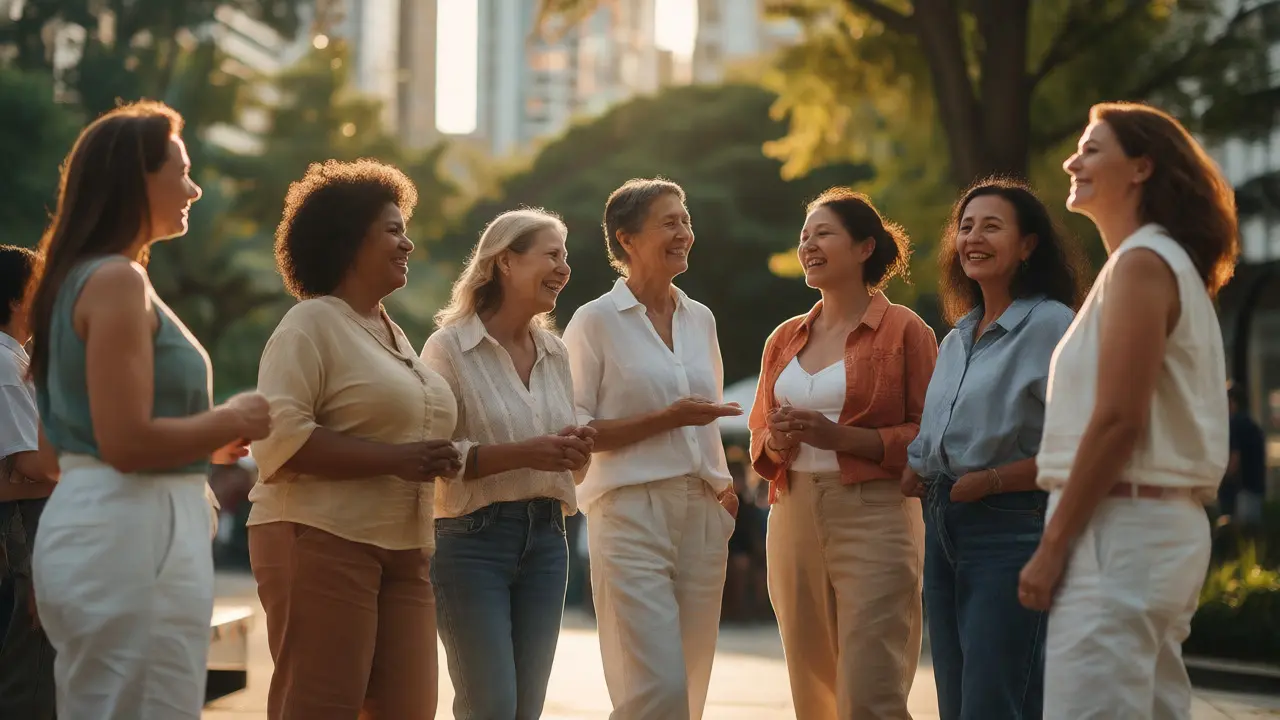
We are visual creatures. When women see only one type of body represented in media, it creates a distorted reality. Representation in advertising, film, and fashion directly impacts self-esteem. A study published in the Journal of Social and Clinical Psychology found that exposure to idealized images leads to lower mood and higher dissatisfaction among women. Conversely, seeing diverse bodies-different sizes, abilities, ages, and skin tones-normalizes the human experience.
Brands are finally catching up. Look at major retailers offering extended sizing not as an afterthought, but as a core part of their inventory. This isn’t just charity; it’s smart business. Women are tired of being told they don’t fit into the standard mold. When a brand celebrates Inclusive Fashion, it sends a message: you belong here. This validation helps dismantle the shame many women carry about their natural shapes.
| Approach | Core Focus | Emotional Load | Best For |
|---|---|---|---|
| Traditional Diet Culture | Achieving a specific aesthetic | High (Shame/Guilt) | Short-term weight loss goals |
| Body Positivity | Loving your appearance unconditionally | Moderate (Pressure to feel good) | Combating stigma and building confidence |
| Body Neutrality | Respecting body function | Low (Acceptance) | Sustainable long-term well-being |
The Health Misconception: Size vs. Health
One of the biggest hurdles in celebrating body diversity is the persistent myth that thin equals healthy and larger equals unhealthy. Science tells a different story. Health At Every Size (HAES) is a framework that promotes health behaviors for people of all sizes. It argues that weight is not a reliable indicator of health. Factors like sleep quality, stress levels, nutrition, and physical activity matter far more than BMI.
When doctors judge patients solely by their weight, they often miss critical health issues. A woman might be dismissed with "just lose weight" when she actually has a thyroid issue or a vitamin deficiency. Celebrating diversity means advocating for medical care that looks at the whole person, not just the number on the scale. It empowers women to seek preventive care without fear of bias.
Navigating Social Media Without Losing Your Mind
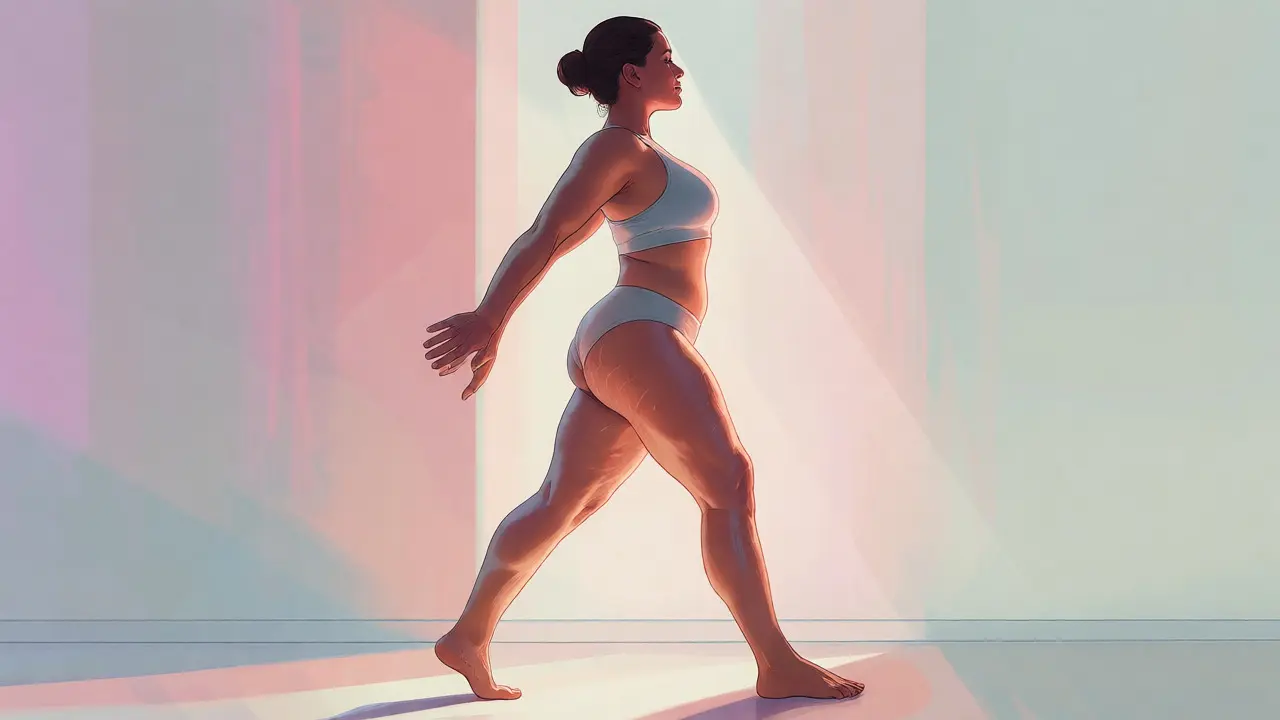
Your phone is likely the biggest source of body comparison. Algorithms feed us curated perfection. To protect your peace, you need to curate your feed aggressively. Unfollow accounts that make you feel inadequate. Follow creators who show real skin textures, stretch marks, and cellulite. Digital Hygiene is a crucial skill for modern women. If an influencer posts a photo that makes you want to skip lunch, mute them. It’s that simple.
Consider joining communities that focus on hobbies rather than appearances. Whether it’s a hiking group, a book club, or a coding bootcamp, connecting with other women based on shared interests shifts the focus away from bodies and toward capabilities. You start seeing women as complex individuals, not just visual objects.
Actionable Steps for Daily Practice
How do you actually practice this in daily life? It starts with small changes in language and behavior. Here are some practical ways to integrate body diversity into your routine:
- Change the Compliments: Stop commenting on women’s weight loss or gain. Instead, compliment their energy, style, or achievements. Say "You look happy" instead of "You look thinner."
- Dress for the Body You Have Now: Don’t wait to wear that dress until you hit a certain size. Wear clothes that fit your current body comfortably. Discomfort triggers negative self-talk.
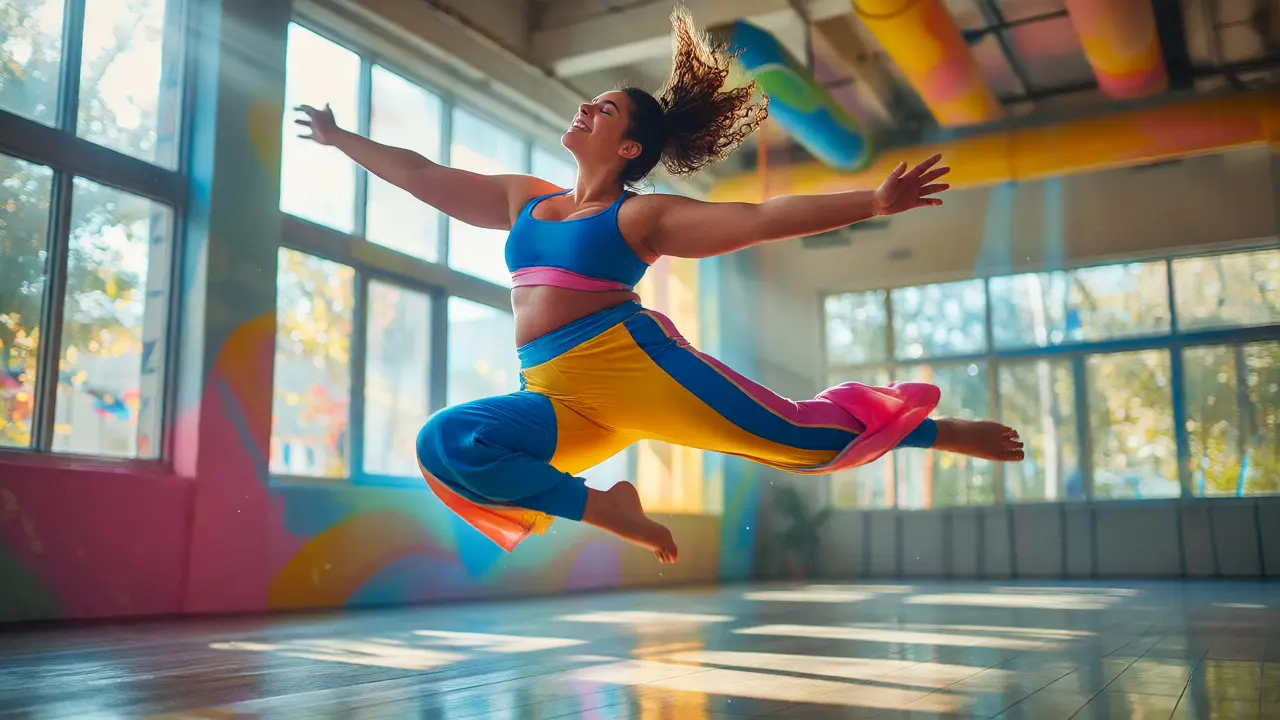
- Mindful Movement: Exercise because it feels good, not as punishment for eating. Choose activities you enjoy, whether that’s dancing, swimming, or walking.
- Check Your Bias: Notice if you make assumptions about someone’s discipline or health based on their size. Challenge those thoughts immediately.
The Economic Impact of Inclusivity
It’s worth noting that celebrating body diversity isn’t just a moral stance; it’s an economic power move. The plus-size market is a multi-billion dollar industry that has been historically underserved. When women demand better options, companies respond. This shift drives innovation in fabric technology, tailoring, and design. As consumers, we vote with our wallets. Supporting brands that genuinely celebrate diversity encourages others to follow suit, creating a ripple effect across industries.
Frequently Asked Questions
Is body positivity the same as ignoring health?
No. Body positivity advocates for respect and dignity regardless of size, which includes access to non-biased healthcare. It rejects the idea that health is determined solely by weight, encouraging holistic wellness practices instead of restrictive dieting.
What is the difference between body positivity and body neutrality?
Body positivity focuses on loving and appreciating your body’s appearance. Body neutrality focuses on respecting your body’s functions and accepting its existence without necessarily having strong positive or negative feelings about its look. Neutrality is often seen as less emotionally demanding.
How can I support body diversity in my workplace?
You can advocate for inclusive dress codes that accommodate various body types and religious requirements. Avoid making comments about colleagues’ weight or appearance. Encourage team-building activities that are accessible to people of all fitness levels and abilities.
Does celebrating body diversity mean I shouldn't exercise?
Absolutely not. Exercise is beneficial for mental and physical health. The key is motivation. Move because it improves your mood, strength, and longevity, not because you are trying to shrink your body to meet an external standard.
How do I handle unsolicited comments about my body?
You have permission to set boundaries. A simple "I prefer not to discuss my body" works wonders. Remember that other people’s discomfort with your body is their issue, not yours. You don’t owe anyone an explanation for your shape or size.
Next Steps for Embracing Your Unique Self
Celebrating body diversity is a journey, not a destination. There will be days when old insecurities creep back in. That’s normal. The goal isn’t perfection; it’s progress. Start by auditing your environment-your wardrobe, your social media feed, and your inner dialogue. Make small adjustments that align with respect and neutrality.
If you find yourself struggling with deep-seated body image issues, consider speaking with a therapist who specializes in HAES-aligned care. They can help you untangle societal pressures from your personal values. Ultimately, when women stop competing over who has the "better" body, we free up immense energy to pursue what truly matters: connection, creativity, and joy.