Book-to-Screen Adaptations: When Women Should Watch
 Oct, 26 2026
There is a specific kind of heartbreak that comes from watching a beloved book get butchered on screen. You spent weeks living inside the protagonist’s head, understanding her fears and triumphs in granular detail, only to see a director strip away the nuance for a quick plot summary. But here is the twist: not all adaptations fail women. In fact, some are better watched after you’ve read the source material, while others hit harder if you go in blind. The timing matters because how we process narrative changes depending on whether we are looking for fidelity or surprise.
This isn’t just about entertainment; it’s about emotional ROI. As women, we often consume media through a lens of representation and relatability. We want to see our interior lives reflected. So, when should you pick up the remote versus the paperback? Let’s break down the psychology of adaptation viewing specifically for those who value depth, character arcs, and the messy reality of being a woman in a story.
The Case for Reading First: Preserving Interiority
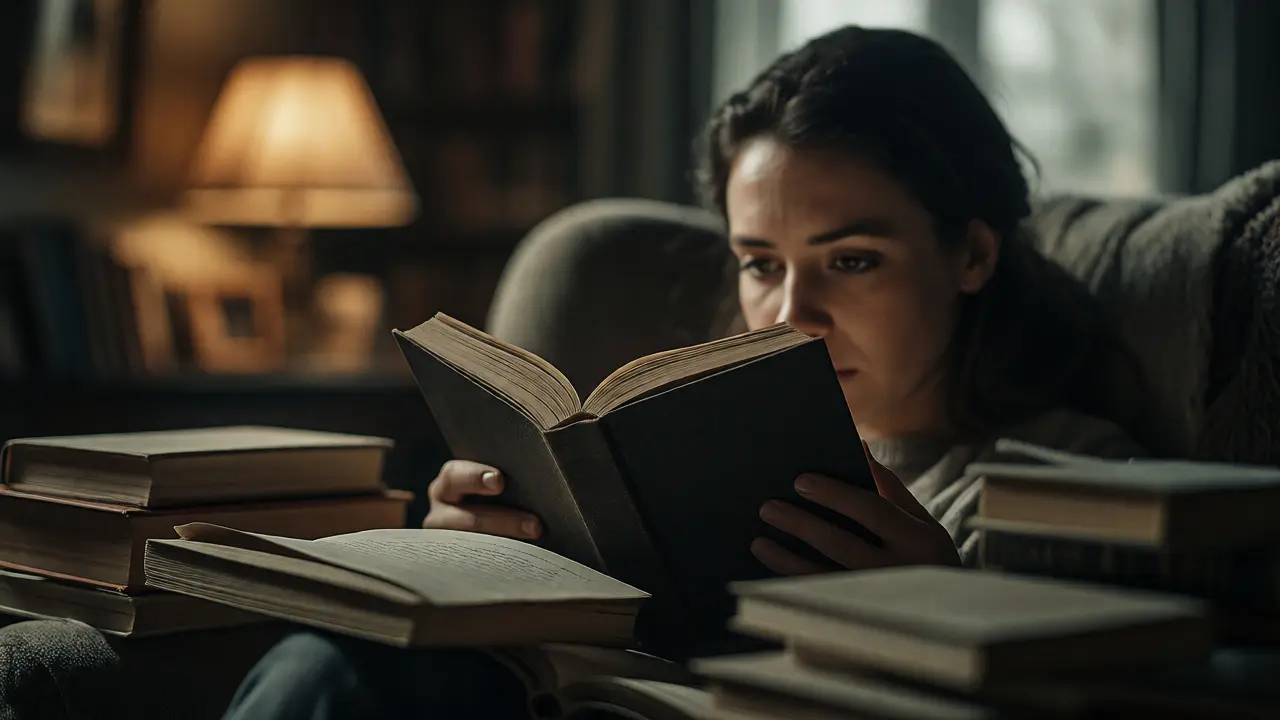
Literary Fiction is defined by its access to internal monologue. Unlike film, which relies on external action and dialogue, books let you hear thoughts. This is crucial for stories centered on Female Protagonists, where the conflict is often psychological rather than physical. If you watch first, you lose the intimacy of knowing why a character makes a choice before she acts on it.
Consider Normal People. The Hulu series is visually stunning, but the magic lies in Sally Rooney’s prose. Watching Connell and Marianne without having read their unspoken anxieties reduces them to attractive people making bad decisions. Reading first allows you to feel the suffocating class dynamics and miscommunications. You understand the silence because you heard the noise in their heads. For dramas relying on subtle emotional shifts, reading first protects the integrity of the female experience depicted.
- Psychological Depth: Books provide context for behavior that film cannot capture in two hours.
- Emotional Investment: You bond with the character’s voice, not just her face.
- Fidelity Check: You can spot what was cut and decide if it mattered to you personally.
The Case for Watching First: Visualizing Agency
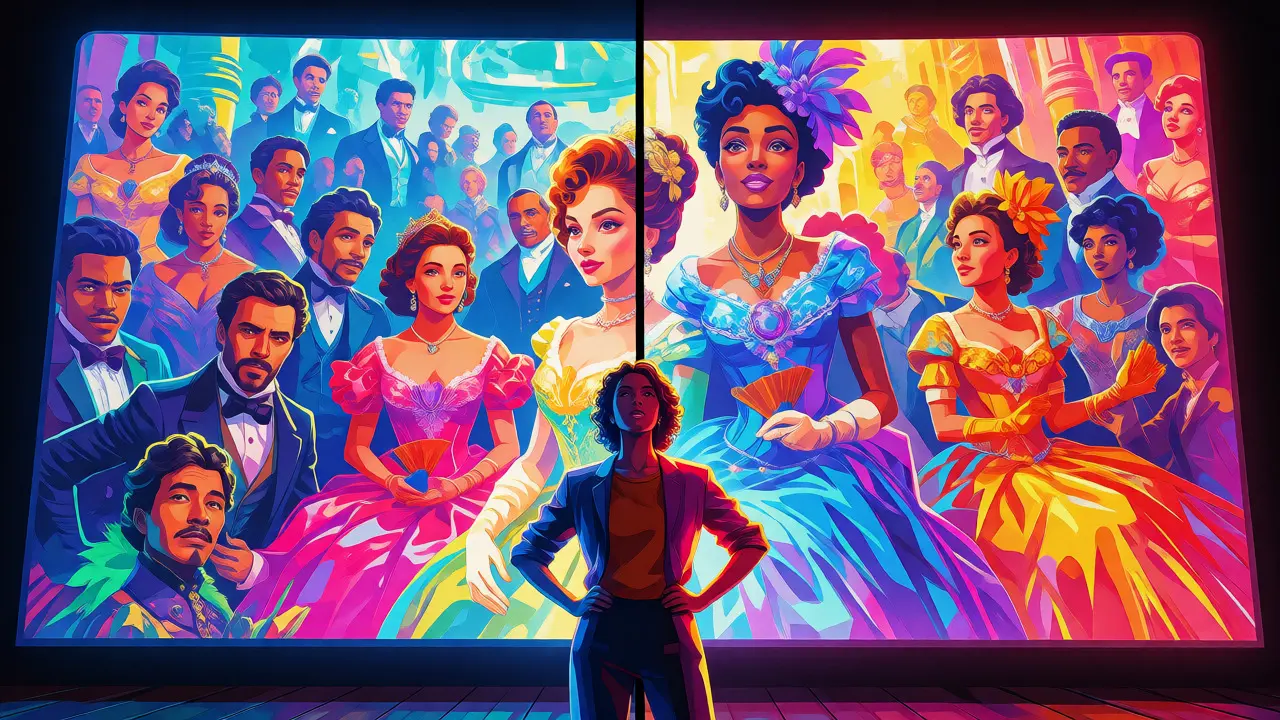
Sometimes, seeing is believing. For genres like fantasy or sci-fi, or stories with complex world-building, visualizing the setting first can anchor the reader. More importantly, for many women, seeing a diverse cast or a strong female lead portrayed physically can be more empowering than imagining one. This is the "representation gap." If you imagine a heroine as thin and white, but the film casts a plus-size Black actress, the visual shift can challenge your own biases and expand your definition of beauty and strength.
Bridgerton is a prime example. Many viewers watched the Netflix series before reading Julia Quinn’s novels. Why? Because the visual spectacle and the modern casting choices created an immediate hook. The show prioritizes agency and consent in ways that felt fresh compared to traditional period pieces. Watching first sets a tone of empowerment that might make the original text feel dated or restrictive. It allows the viewer to project their desired identity onto the screen before getting bogged down in historical accuracy.
Additionally, watching first saves time. Not every book deserves ten hours of reading. A three-hour movie lets you test-drive the narrative. If the film’s version of a female arc resonates, you might seek out the book for more depth. If it feels shallow, you move on. This is efficient consumption for busy lives.
The Hybrid Approach: The Weekend Binge
Why choose? For major cultural events, the best strategy is often simultaneous consumption. Read the first half, watch the first half. Then switch. This method, popular among BookTok communities, creates a dynamic feedback loop. You notice immediately what the director changed. Did they cut a subplot about motherhood? Did they sexualize a scene that was originally about power?
This approach works best for thrillers or mysteries. If you read ahead, you know the twist. If you watch ahead, you spoil the suspense. By alternating, you maintain tension while satisfying curiosity. It turns passive consumption into active critique. You become a detective of adaptation, spotting the seams where the script tried to stitch together disparate parts of the novel.
Genre Matters: Where Timing Changes Everything
Not all genres treat female characters equally. Your viewing order should depend on what the story promises. Here is a breakdown of when to prioritize which medium.
| Genre | Recommended Order | Reasoning |
|---|---|---|
| Historical Romance | Read First | Preserves the nuanced social constraints and internal desires of women in restricted eras. |
| Young Adult Fantasy | Watch First | Visual world-building helps visualize complex magic systems and political structures. |
| Literary Drama | Read First | Internal monologues drive the plot; film often misses the subtext. |
| Memoir/Biopic | Watch First | Seeing the real person (or actor) grounds the story in reality before reading the curated text. |
| Thriller/Mystery | Hybrid | Alternating keeps suspense high while allowing analysis of pacing changes. |
Take The Handmaid’s Tale. Atwood’s novel is sparse, cold, and deeply internal. The TV series is visceral, loud, and violent. Reading first prepares you for the psychological toll of oppression. Watching first shocks you with the brutality. Both are valid, but reading first ensures you don’t dismiss Offred as a victim; you understand her resistance.

Pitfalls to Avoid: The Male Gaze Filter
One major reason women hesitate to watch adaptations is the fear of the male gaze. Directors often linger on bodies rather than minds. If you know the author is a woman writing about women, but the director is known for objectification, reading first inoculates you. You already know the character’s worth. When the camera pans slowly across her body, you recognize it as a directorial choice, not a character flaw. You can critique the lens rather than internalizing it.
Conversely, if the adaptation is directed by a woman, such as Greta Gerwig’s Little Women, watching first can be delightful. The visual language aligns with the thematic intent. You see the sisterhood celebrated, not just observed. In these cases, the visual medium enhances the feminist themes rather than diluting them.
How to Decide: A Quick Checklist
Still stuck? Use this simple decision tree before you start your next binge-read-watch cycle.
- Is the core conflict internal? If yes, read first. If external (war, chase, mystery), watch first.
- Does the book rely on unreliable narration? Read first. Film struggles to convey subjective truth effectively.
- Is the setting unfamiliar (sci-fi/fantasy)? Watch first to build a mental map.
- Are you sensitive to body image triggers? Read first to control the imagery in your mind.
- Do you need social currency? Watch first. Everyone will be talking about the visuals; you can join the conversation faster.
Remember, there is no wrong way to enjoy a story. But understanding why you prefer one order over another gives you more control over your cultural diet. You aren’t just consuming content; you’re curating your empathy engine.
Why do book-to-screen adaptations often disappoint female readers?
Adaptations frequently cut internal monologues and subplots that explore female relationships, focusing instead on plot-driven action or romance. This strips away the complexity of the female experience, reducing multidimensional characters to stereotypes or plot devices.
Is it better to watch or read first for feminist literature?
Generally, reading first is recommended for feminist literature. The text usually contains critical commentary on gender roles and systemic issues that films may simplify or omit due to runtime constraints. Reading ensures you grasp the theoretical underpinnings of the narrative.
Can watching an adaptation change my interpretation of the book?
Yes, significantly. Visuals create concrete associations. If you watch first, you may struggle to imagine characters differently later. However, this can also enrich the reading experience by providing a visual reference point for abstract descriptions, especially in genre fiction.
What are the best recent book-to-screen adaptations for women?
Recent standouts include Normal People for emotional depth, Bridgerton for fun and representation, and The Queen's Gambit for portraying female ambition in a male-dominated field. Each offers a different balance of fidelity and creative license.
How does streaming affect adaptation quality?
Streaming services allow for longer formats, enabling deeper exploration of character development and slower plots. This benefits literary adaptations, particularly those focused on women's lives, which often lack traditional 'action' hooks but possess rich emotional textures.