Behind the Scenes of Women’s Favorite Shows: Untold Stories
 Aug, 16 2026
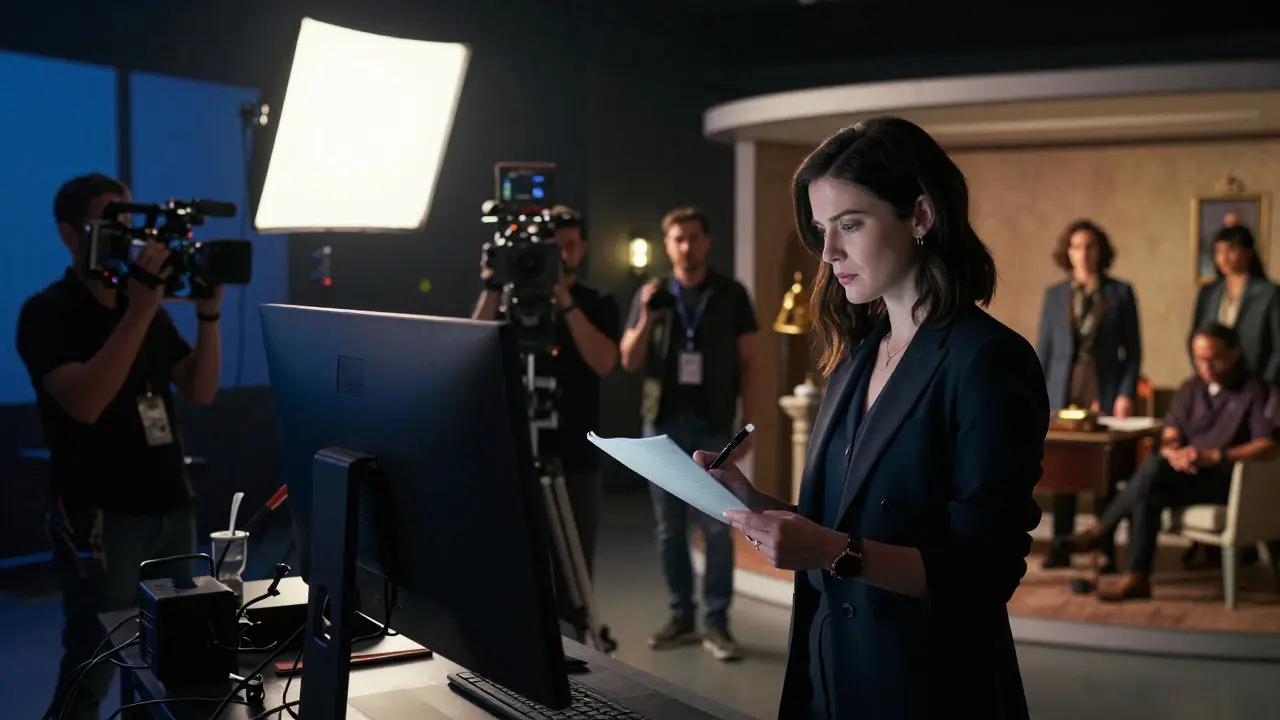
Ever wonder why your favorite female-led drama feels so authentic? It’s rarely just luck. Behind the polished cameras and scripted dialogue lies a complex web of creative decisions, budget constraints, and cultural shifts that shape what ends up on your screen. For decades, television treated women as side characters or plot devices. Today, shows like Succession are a HBO series known for its sharp writing and ensemble cast, often cited as a benchmark for modern prestige TV. Yet, even in these high-profile productions, the stories behind the camera reveal how much work goes into making female protagonists feel real rather than idealized.
The Shift in Creative Control
The biggest change isn’t in the acting; it’s in who holds the pen. Historically, male writers dominated rooms where female stories were told. Now, we see more female showrunners and head writers steering the ship. Take The Handmaid’s Tale, which is a dystopian thriller based on Margaret Atwood’s novel, produced by Hulu and MGM Television. The adaptation required careful navigation of source material while keeping the tone relevant to contemporary audiences. This shift means fewer stereotypes and more nuanced character arcs. When women write about women, the details hit differently. You notice the specific way a character handles stress or the subtle power dynamics in a boardroom scene. These aren’t just plot points; they’re reflections of lived experiences that resonate with viewers because they feel seen.
Budgets and the Reality of Production
Let’s talk money, because it dictates everything from set design to casting choices. A standard hour-long drama can cost anywhere from $5 million to $10 million per episode. That sounds like a lot, but when you break it down, every dollar matters. If a show wants to feature a large ensemble cast, the salary cap tightens significantly. This is why some beloved side characters get cut or merged. Producers have to make tough calls to keep the main storyline moving without blowing the budget. For example, location shooting is expensive. Flying crews and equipment to different cities adds thousands of dollars per day. That’s why many shows film in Los Angeles or New York, even if the story takes place elsewhere. Understanding this helps explain why certain visual elements might look slightly recycled or why background actors sometimes appear in multiple roles across different seasons.

Casting Beyond the Type
Casting used to be about fitting a mold. If a role was written as "the boss," you needed someone who looked authoritative. Today, directors look for chemistry and range. Consider the casting process for Schitt’s Creek, which is a Canadian sitcom created by Dan Levy and Eugene Levy, known for its heartwarming family dynamics. While not exclusively a female-focused show, the dynamic between Moira Rose and her daughter Judith showed how casting partners with genuine comedic timing elevates the material. The decision to keep the original Canadian accents instead of dubbing them into American English was a bold choice. It preserved authenticity and added a layer of charm that resonated globally. This kind of decision-making happens in the early stages of production, often before scripts are finalized. It shows that creative risks can pay off big time when executed with confidence.
The Role of Audience Feedback
In the streaming era, audience data plays a massive role in shaping a show’s trajectory. Networks and platforms track viewing habits down to the minute. If viewers drop off during a particular subplot, producers take note. This isn’t always a bad thing. It allows shows to pivot quickly if a storyline isn’t landing. However, it can also lead to safe choices. Sometimes, a risky narrative twist gets pulled because the data suggests it might confuse casual viewers. Balancing artistic vision with market demand is a constant struggle. Shows that manage to maintain their unique voice while adapting to viewer preferences tend to have longer runs. It’s a delicate dance that requires both intuition and analytics.
| Factor | Female-Led Drama | Traditional Sitcom |
|---|---|---|
| Avg. Cost per Episode | $8M - $12M | $3M - $6M |
| Primary Focus | Character depth & emotional realism | Punchlines & episodic plots |
| Casting Priority | Chemistry & range | Type & star power |
| Script Development | Serialized arcs | Self-contained episodes |
Challenges in Representation
Even with better budgets and creative control, representation remains tricky. It’s not enough to have a woman in the lead role; she needs agency. Many shows still fall into the trap of making female characters reactive rather than proactive. They wait for something to happen to them instead of driving the plot forward. Breaking this cycle requires strong writing and consistent commitment from the production team. It also involves hiring diverse staff members who can offer fresh perspectives. When the room reflects the world outside, the stories become richer. Viewers can tell when a character feels two-dimensional. Authenticity comes from understanding the full spectrum of human experience, not just a narrow slice of it.
What Comes Next
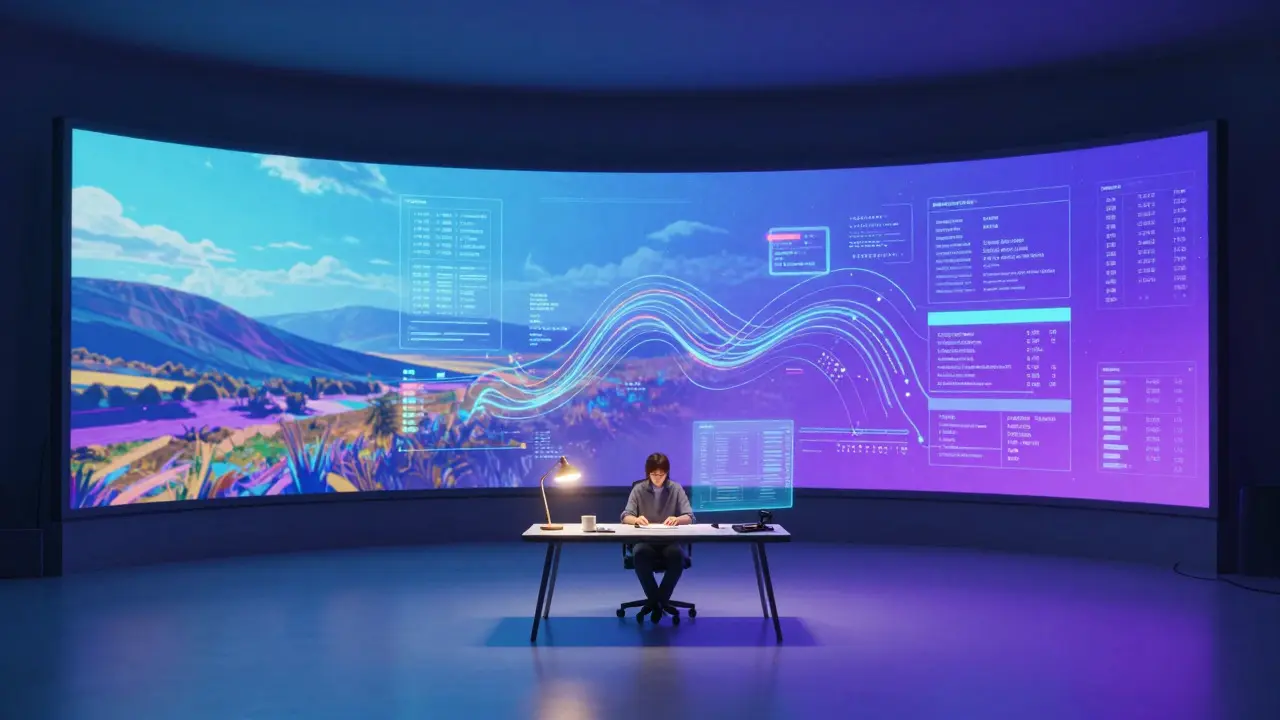
The future of television looks promising for female-centric stories. As technology evolves, production costs may decrease, allowing for more experimental formats. Virtual sets and AI-assisted editing could open up new possibilities for storytelling. But the core element remains the same: good writing. No amount of special effects can save a weak script. The untold stories behind these shows remind us that great television is built on hard work, strategic decisions, and a deep respect for the audience. So next time you watch your favorite show, appreciate the layers of effort that went into creating those moments. It’s not just entertainment; it’s a carefully crafted reflection of our times.
Why do some female-led shows get cancelled despite good reviews?
Cancellation usually comes down to numbers. Even if critics love a show, if viewership drops below a certain threshold, networks pull the plug. High production costs mean that every subscriber counts. Shows need to retain a steady audience base to justify renewal expenses.
How does the budget affect the quality of a TV show?
Budget impacts everything from lighting to location variety. A lower budget might force a show to film in limited locations, which can reduce visual diversity. However, a higher budget doesn’t guarantee quality; it just provides more tools. Strong writing remains the most critical factor regardless of financial resources.
Who has more influence over a show's direction: the network or the creator?
It depends on the contract. In traditional broadcast TV, networks hold significant power. In streaming, creators often have more freedom if they deliver consistent results. However, both parties collaborate closely, especially regarding pacing and character development to ensure the show meets audience expectations.
Are female-led shows more expensive to produce than male-led ones?
Not necessarily. Costs depend on scale, cast size, and location. However, female-led dramas often require more detailed set designs and costume work to reflect character evolution, which can add to expenses. Male-led action shows might spend more on stunts and special effects.
How do audience ratings impact script changes?
Producers monitor rating trends weekly. If a particular subplot causes a spike in cancellations, they might adjust the next episode’s focus. This feedback loop allows shows to stay relevant and engaging. It’s a practical approach to maintaining viewer interest without sacrificing the core narrative entirely.