Bathroom Design for Relaxation: How to Create Spa Vibes at Home
 Aug, 17 2026
Walking into a bathroom that feels like a five-star resort is the closest thing to magic in modern home design. You don't need a mansion or a renovation budget of fifty thousand dollars to achieve this. In fact, most people spend too much on fixtures and not enough on atmosphere. The secret to true relaxation isn't about marble countertops; it's about how the space makes your nervous system feel when you step inside.
If you have ever walked into a hotel bathroom and felt an immediate drop in your shoulders, you know the difference between a functional room and a restorative one. That feeling comes from specific sensory cues: light, texture, scent, and silence. We can replicate these cues in our own homes with simple, intentional choices. Let’s look at how to transform a standard powder room or master bath into a personal sanctuary without breaking the bank or living in construction dust for months.
The Power of Sensory Layering
Most bathrooms fail at relaxation because they are designed for utility only. They have a sink, a toilet, and a shower. But relaxation requires engagement of all five senses. When you design for spa vibes, you are layering sensory experiences that tell your brain it is safe to let go.
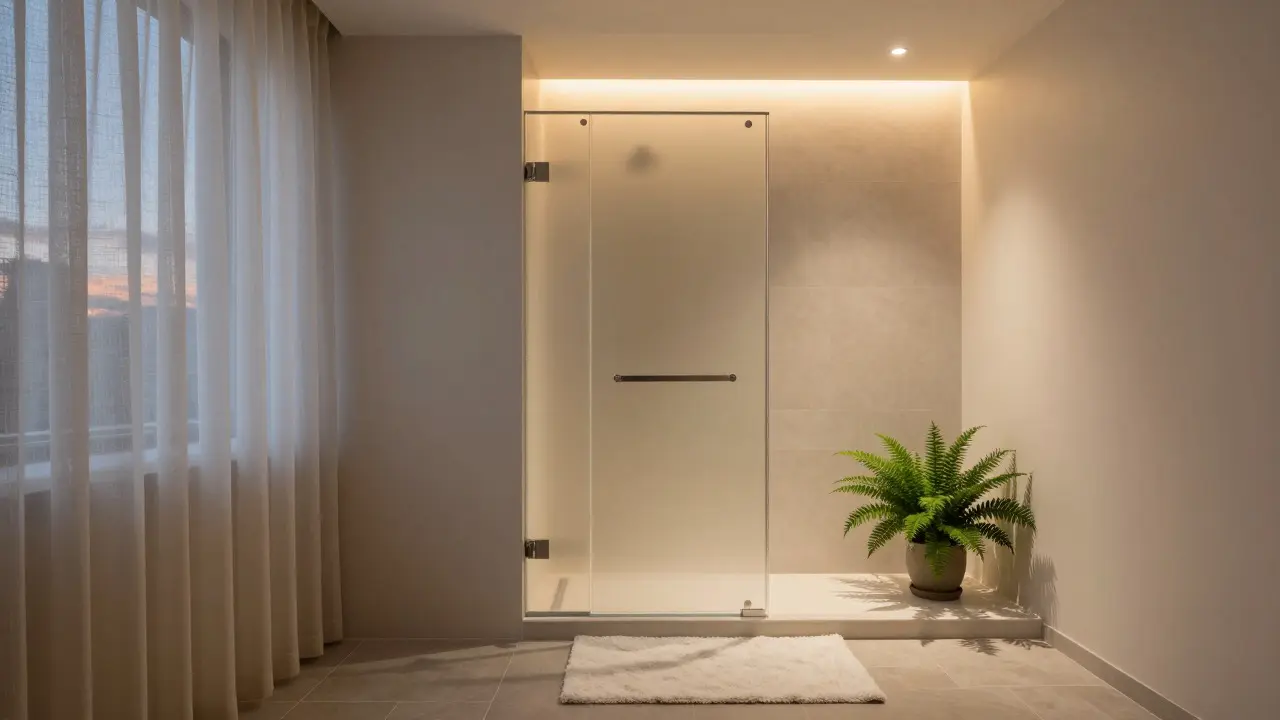
- Sight: Avoid harsh white light. It creates a clinical vibe. Instead, use warm-toned lighting (2700K-3000K) and dimmers. If you have windows, sheer linen curtains add softness.
- Touch: Cold tile floors are the enemy of comfort. A plush bath mat or heated floor tiles change everything. Think about the weight of your towels-high-thread-count cotton feels luxurious compared to thin polyester blends.
- Smell: This is the fastest route to the limbic system. Use essential oil diffusers or unscented candles. Eucalyptus and lavender are classic choices, but cedarwood offers a grounding, masculine alternative if you prefer something less floral.
- Hearing: Running water is naturally soothing. If you have a rainfall showerhead, keep the pressure consistent. If not, consider a small tabletop fountain or simply playing ambient nature sounds while you bathe.
- Proprioception: This is your body's sense of position. A deep soaking tub allows you to fully submerge, which signals safety to the body. If you lack a tub, a high-back chair where you can sit comfortably with your feet up helps release tension in the hips.
Lighting: The Most Overlooked Element
Lighting is the single biggest factor in setting the mood. Most homes have a bright vanity light that doubles as the main room light. This is perfect for shaving or applying makeup, but terrible for unwinding. To fix this, you need layered lighting.
- Ambient Light: This is the general fill light. Use recessed downlights with dimmers. Set them to 40% brightness for evening routines.
- Task Lighting: Keep your vanity lights focused strictly on the mirror. These should be brighter but localized so they don't flood the whole room.
- Accent Lighting: Add LED strips under floating vanities or behind mirrors. This creates a halo effect that eliminates shadows and adds depth.
Pro tip: Install a smart bulb system. Being able to adjust color temperature from your phone means you can shift from a cool morning tone to a warm, candle-like glow in seconds. It’s a small tech upgrade that has a massive impact on daily routine quality.
Texture and Material Choices
Smooth surfaces reflect sound and feel cold. To create warmth, you need texture. Wood is the best friend of a spa-inspired bathroom. Even if you live in a humid climate, there are ways to incorporate wood safely.
| Material | Vibe Created | Maintenance Level | Best For |
|---|---|---|---|
| Natural Stone (Travertine) | Organic, earthy, rugged | Medium (requires sealing) | Floors, accent walls |
| Wood (Teak/Walnut) | Warm, natural, calming | High (needs oiling) | Vanities, shelves, trays |
| Linen/Cotton Fabrics | Soft, breathable, cozy | Low (washable) | Towels, robes, mats |
| Glass (Frosted) | Clean, airy, modern | Low (wipe clean) | Shower enclosures, partitions |
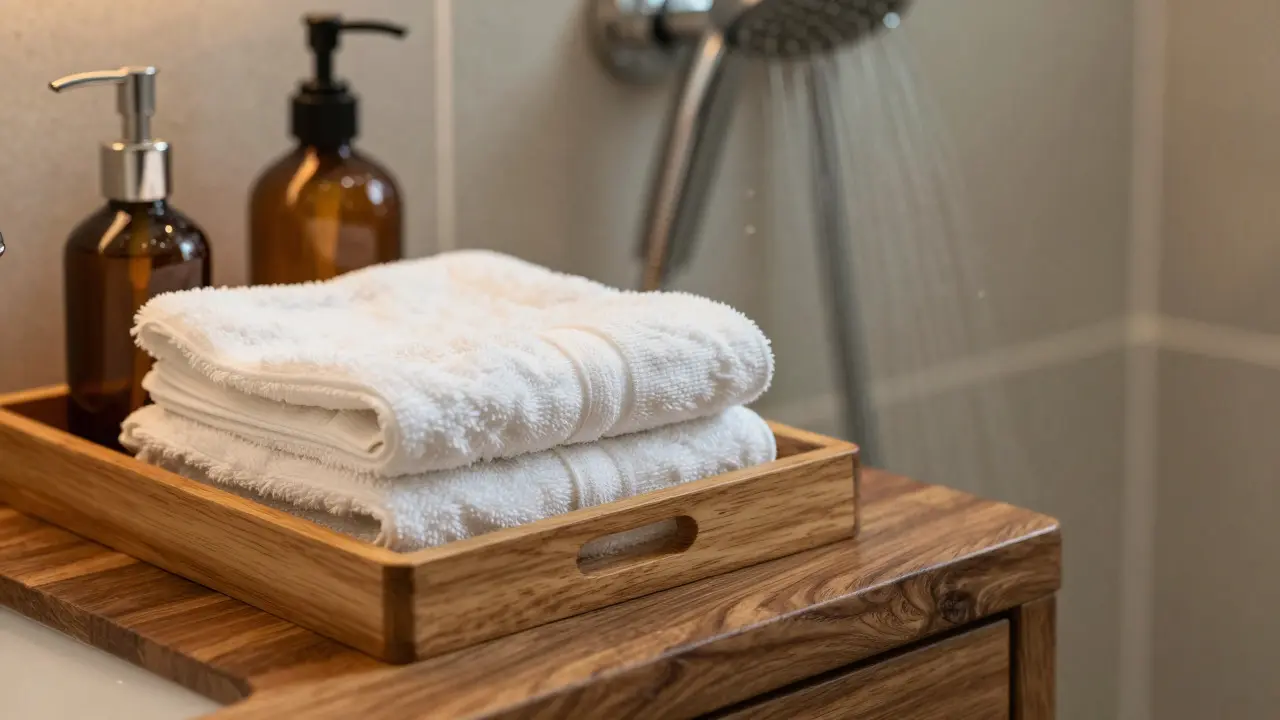
You don't need to cover every surface in wood. A wooden tray for holding soap and lotion, a teak bench in the shower, or a walnut vanity top can ground the space. Pair these organic materials with neutral tones like off-white, beige, or soft gray. Avoid stark black and white contrasts if your goal is pure relaxation; they can feel a bit stark and demanding.
Decluttering for Mental Space
Visual clutter creates mental clutter. If your counter is covered in hair dryers, toothpaste, random bottles, and expired products, your brain registers it as chaos. A spa is empty. It has nothing unnecessary. Try to mimic this minimalism.
Use hidden storage. Recessed niches in the shower wall are ideal for shampoos and conditioners. If you don't have niches, use baskets or bins to hide bulkier items. Keep only three things on the counter: a soap dispenser, a towel, and maybe a plant. The more you hide, the more peaceful the room feels. This isn't just aesthetic; it reduces decision fatigue. When you walk in, you shouldn't have to process what is where. You should just be able to breathe.
The Water Experience
Water is the core element of any spa experience. How you interact with it matters. A standard spray head is functional, but a rainfall showerhead changes the dynamic entirely. The wider coverage mimics natural rain, which is inherently calming. If you are planning a renovation, prioritize the showerhead over expensive tile work. It is a high-impact, low-cost upgrade.
For those with a bathtub, consider adding a handheld sprayer for flexibility. Also, pay attention to water temperature consistency. Thermostatic valves ensure the water stays at the exact temperature you set, preventing that jarring shock of hot or cold water that snaps you out of relaxation mode. If you are renting or on a tight budget, a good-quality shower curtain liner can help reduce noise and improve the visual softness of the shower area.
Greenery and Biophilia
Plants bring life to sterile spaces. However, not all plants survive in bathrooms. Humidity is high, but light levels vary. Choose plants that thrive in low-light, high-humidity environments.
- Pothos: Nearly indestructible and loves humidity.
- Boston Ferns: Thrive in moisture and add lush greenery.
- Snake Plants: Tolerate lower light and purify air.
Place a potted fern on the windowsill or hang a pothos in a corner. The visual connection to nature, known as biophilia, has been shown to lower cortisol levels. Even a single small plant can make a concrete-feeling room feel alive and welcoming.
Sound and Silence
We often forget that bathrooms are echoey. Hard surfaces reflect sound, making flushing toilets or running taps seem louder than they are. To dampen this, use soft furnishings. A thick rug, heavy curtains, and even acoustic panels disguised as art can help absorb sound. If you want to actively enhance the auditory experience, invest in a small Bluetooth speaker that is waterproof. Playing gentle instrumental music or nature sounds during your morning coffee or evening soak can turn a routine chore into a ritual.
Practical Checklist for Your Bathroom Makeover
Ready to start? Here is a quick action plan based on budget and effort level.
- Low Effort / Low Cost: Swap out light bulbs for warm LEDs, buy a large fluffy bath mat, clear the counters, and add a scented candle.
- Medium Effort / Medium Cost: Install a dimmer switch, replace the showerhead with a rainfall model, add a wooden tray, and introduce one hardy houseplant.
- High Effort / High Cost: Renumber the layout for better flow, install heated floors, build custom cabinetry with hidden storage, and add a freestanding tub.
Start with the low-effort items. Often, the psychological shift happens before the physical renovation is complete. Once you see the space changing, you’ll feel motivated to tackle the bigger projects.
Frequently Asked Questions
What colors are best for a relaxing bathroom?
Neutral and earthy tones work best. Think off-whites, beiges, soft grays, sage greens, and muted blues. These colors are calming to the eye and do not stimulate the brain excessively. Avoid bright reds or high-contrast patterns if your primary goal is relaxation.
Is it worth replacing my showerhead for a spa feel?
Yes. It is one of the highest ROI upgrades you can make. A rainfall showerhead costs between $50 and $150 and instantly improves the bathing experience by providing broader, gentler water coverage. It mimics natural rain, which is psychologically soothing.
How do I prevent mold in a spa-style bathroom with lots of plants and towels?
Ventilation is key. Run your exhaust fan for 20 minutes after every shower. Ensure towels are hung to dry completely rather than balled up in a basket. Place plants away from direct water splashes. Regular cleaning with vinegar solutions keeps surfaces fresh without harsh chemicals.
Can I create spa vibes in a small half-bath?
Absolutely. Focus on lighting and scent. Use a warm LED strip under the mirror, keep the counter completely clear, and use a reed diffuser instead of a bulky candle. Small spaces can feel very intimate and cozy if you avoid visual clutter.
What is the best flooring material for a relaxing bathroom?
Porcelain tile is durable and easy to clean, but it feels cold. To add warmth, pair it with a large, plush rug that covers most of the floor area. Alternatively, engineered wood or cork flooring provides natural warmth underfoot, though they require careful sealing against moisture.