Batch Cooking for Families: A Woman’s Time-Saving Plan
 Nov, 21 2026
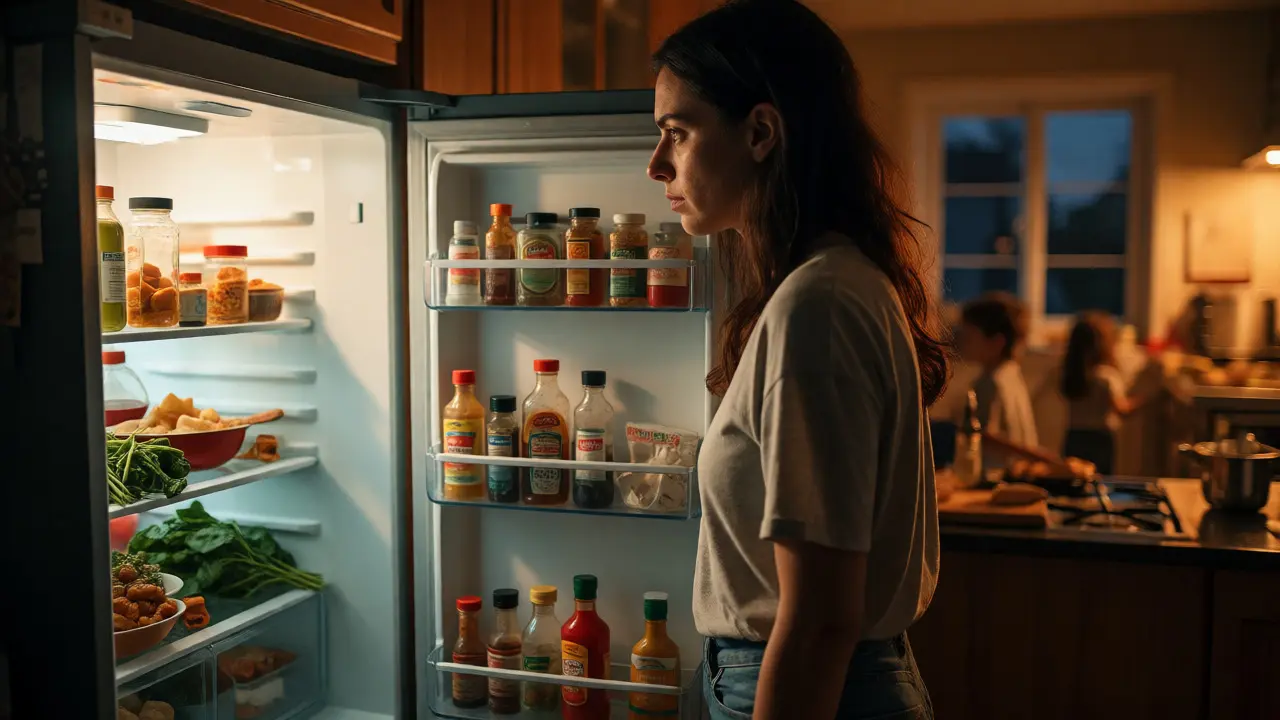
You’re standing in your kitchen at 6:30 PM. The kids are screaming because they’re hungry. Your partner is asking what’s for dinner. You open the fridge and stare into the abyss of half-used condiments and wilted spinach. Sound familiar? Most of us have been there, wondering how everyone else seems to have it together while we’re just trying to survive Tuesday night.
Here’s the truth: Batch cooking isn’t about becoming a professional chef or spending every Sunday chopping onions until you cry. It’s about working smarter, not harder. It’s the difference between scrambling for takeout money three times a week and actually having a plan that works when life gets chaotic. If you’re tired of the daily "what’s for dinner" panic, this guide is your roadmap out of the kitchen chaos.
The Core Philosophy: Why Batch Cooking Works
Let’s be real-cooking every single day from scratch is exhausting. It drains your mental energy before you’ve even started eating. Batch cooking flips the script by separating the decision-making process from the actual cooking. When you cook once and eat multiple times, you eliminate the daily friction of choosing, shopping, and prepping.
This approach saves more than just time; it saves your sanity. By preparing components like grains, proteins, and roasted veggies in bulk, you create a modular system. On Wednesday, you might mix chicken with rice and broccoli. On Thursday, that same chicken goes into tacos with tortillas and salsa. Same effort, different meals. This reduces food waste significantly because you’re using up ingredients intentionally rather than letting them rot in the crisper drawer.
Step One: Master the Menu Plan
You don’t need a rigid diet plan, but you do need a loose structure. Start by looking at your calendar for the next seven days. Which nights are busy? Do you have soccer practice on Tuesday? Maybe keep those meals simple, like sheet-pan dinners or slow-cooker soups that can finish themselves while you’re away.
A solid weekly menu usually includes:
- Two "cook-once-eat-twice" meals: Think chili, lasagna, or curry that tastes better the next day.
- One quick assembly meal: Tacos, grain bowls, or salads where you just assemble pre-prepped ingredients.
- One freezer backup: Soup or stew made in double batches, with half frozen for a future emergency.
- One "eat-out" or leftover night: Give yourself permission to skip cooking entirely.
Write this down. Seriously. Putting it on paper (or a whiteboard) stops the mental load of remembering what needs to happen next. It also helps you shop efficiently, so you aren’t buying random snacks that turn into junk food later.
Step Two: Smart Shopping Strategies
Shopping for batch cooking looks different from your usual grocery run. You’re not buying small quantities of ten different things; you’re buying larger quantities of five core items. This shifts your budget toward staples that offer high nutritional value and versatility.
Focus on these categories:
- Proteins: Buy whole chickens, large packs of ground turkey, or dried beans instead of expensive pre-marinated meats.
- Grains: Rice, quinoa, oats, and pasta last a long time and form the base of many meals.
- Vegetables: Choose hardy options like carrots, sweet potatoes, cabbage, and broccoli that store well after roasting.
- Flavor Boosters: Garlic, ginger, soy sauce, olive oil, and spices. These are cheap but make plain food taste amazing.
Pro tip: Check unit prices. Buying a 5-pound bag of rice is often cheaper per serving than buying individual microwave pouches. Plus, you control the salt content, which matters if you’re watching sodium intake.
Step Three: The Prep Day Workflow
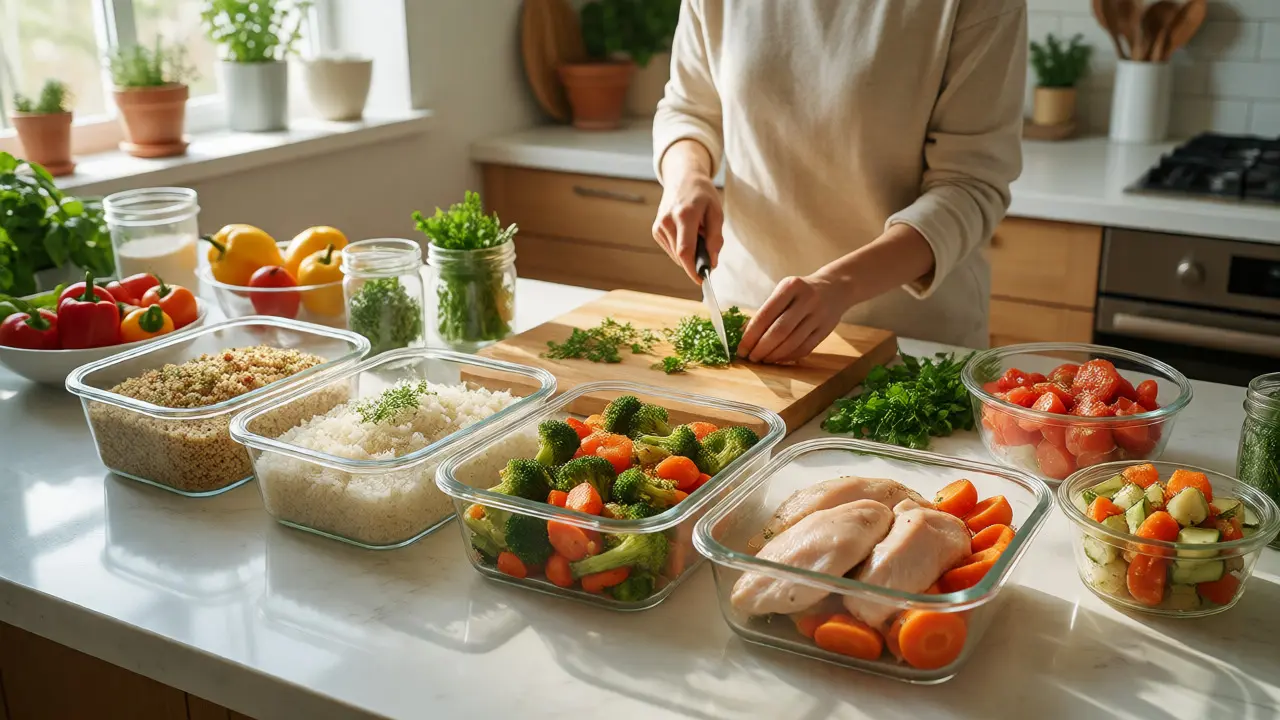
Set aside two to three hours on Sunday afternoon. Put on a podcast or your favorite playlist. This shouldn’t feel like punishment; treat it as self-care. Here’s a realistic workflow that doesn’t require advanced culinary skills:
- Start the longest tasks first: Put water on for grains and start any oven-roasted vegetables. While those cook, move to step two.
- Prep raw produce: Wash and chop lettuce, peppers, and cucumbers for salads or snacking. Store them in containers lined with paper towels to keep them crisp.
- Cook proteins: Roast chicken breasts, bake salmon fillets, or simmer a pot of lentils. Season simply with salt, pepper, and herbs so they work in multiple dishes.
- Make sauces: Whip up a big jar of pesto, a lemon-tahini dressing, or a tomato-based sauce. Good sauce turns bland ingredients into something craveable.
While everything cools, clean your kitchen. Don’t leave a mess for Monday morning. Wipe counters, load the dishwasher, and put away non-perishables. Starting the week with a clean slate makes the rest of the week easier.
Storage Rules That Prevent Spoilage
Nothing kills motivation faster than finding slimy spinach or moldy leftovers. Proper storage extends the life of your batch-cooked food. Invest in glass containers with locking lids-they don’t stain, they’re microwave-safe, and you can see exactly what’s inside without opening them.
| Food Type | Fridge Life | Freezer Life | Best Container |
|---|---|---|---|
| Cooked Grains (Rice, Quinoa) | 4-5 Days | 1-2 Months | Airtight Glass |
| Roasted Vegetables | 3-4 Days | 2-3 Months | Shallow Containers |
| Cooked Proteins (Chicken, Beef) | 3-4 Days | 2-3 Months | Vacuum Seal or Glass |
| Soups and Stews | 4-5 Days | 3-6 Months | Mason Jars (leave headspace) |
| Fresh Cut Veggies | 3-5 Days | N/A | Glass with Paper Towel |
Label everything with dates. Future-you will thank present-you for knowing whether that container in the back of the fridge is safe to eat or needs to go. Use masking tape and a marker-it’s low-tech but effective.
Reheating Without Losing Flavor
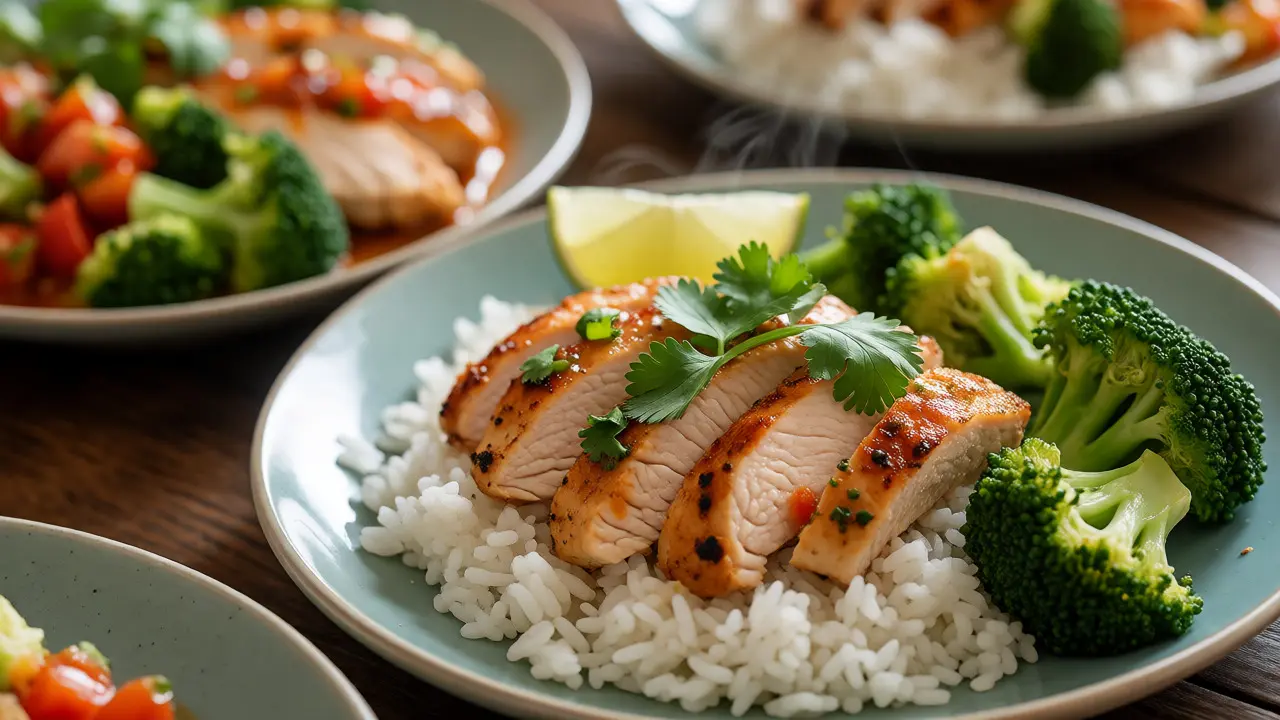
We’ve all had rubbery chicken or soggy veggies. Reheating properly preserves texture and taste. For most batch-cooked meals, the microwave works fine if you add moisture. Sprinkle a teaspoon of water over rice or veggies before heating to create steam. Cover loosely to prevent splatters.
For proteins, avoid overheating. Microwave in short bursts, checking every 30 seconds. If you have time, reheat stovetop-style in a skillet with a little oil. This restores crispness to roasted potatoes or sautéed greens. Soups and stews are easiest-just pour into a pot and warm gently. Never refreeze thawed cooked meat unless you’ve cooked it again in a new dish.
Adapting for Picky Eaters
If you have kids who reject anything green, batch cooking still works. Instead of mixing everything together, keep components separate. Serve plain rice, plain chicken, and steamed broccoli on one plate. Let them build their own meal. This gives them autonomy and reduces power struggles.
You can also hide nutrients in sauces. Blend cauliflower into mac-and-cheese sauce or puree carrots into spaghetti sauce. Since you’re making these in bulk during prep day, you won’t notice the extra effort during the week. Over time, exposure helps. Kids often accept foods they initially rejected if served repeatedly in neutral ways.
Troubleshooting Common Pitfalls
Even with the best intentions, things go wrong. Here are common issues and fixes:
- Boredom: If you eat the same thing too many times, you’ll quit. Rotate flavors weekly. This week: Mexican-inspired. Next week: Italian-inspired. Keep the base ingredients similar but change the spices and toppings.
- Over-prepping: Don’t try to cook eight complex recipes. Stick to three main dishes plus sides. Complexity leads to burnout.
- Lack of variety: Add fresh elements daily. A squeeze of lime, a handful of fresh cilantro, or a dollop of yogurt can transform a reheated meal into something that feels new.
Remember, perfection isn’t the goal. Consistency is. Even doing half of what you planned is better than nothing. If you miss Sunday prep, do a mini-batch on Wednesday evening. Make a double portion of dinner and save half for tomorrow. Small wins add up.
How much does batch cooking really save?
On average, families save 3-5 hours per week by avoiding daily cooking decisions and cleanup. Financially, home-cooked meals cost roughly $2-$4 per person compared to $10-$15 for takeout. Over a month, that’s significant savings that can go toward other family priorities.
Do I need special equipment?
No fancy gadgets required. You need sharp knives, large pots, baking sheets, and good storage containers. An Instant Pot or slow cooker helps but isn’t mandatory. Start with what you have and upgrade only if needed.
What if my family hates leftovers?
Change the format. Turn leftover chili into taco filling. Transform roasted chicken into chicken salad sandwiches. Use different seasonings or toppings each day so the meal feels distinct. Presentation matters almost as much as taste.
Is batch cooking healthy?
Yes, typically healthier than processed convenience foods. You control ingredients, reducing sugar, sodium, and preservatives. Focus on whole foods like vegetables, lean proteins, and whole grains for maximum benefit.
Can I batch cook breakfasts too?
Absolutely. Overnight oats, egg muffins, or chia puddings can be made ahead. Preparing breakfast removes one major morning stress point, helping everyone start the day calmer.