Adventure Travel for Non-Athletic Women: Accessible Thrills & Easy Itineraries
 Aug, 16 2026
Most people assume that adventure travel is a category of tourism focused on physical challenge, remote locations, and active participation in sports or exploration. If you picture climbing a snowy peak or rafting through white water rapids, you might think this style of trip isn't for you. But here is the truth: you do not need to be an athlete to feel the rush of discovery. You just need the right gear, the right pace, and the right mindset.
This guide breaks down how to plan trips that offer genuine excitement without requiring marathon-level fitness. We are talking about experiences where the thrill comes from the view, the culture, or the novelty, not from burning out your knees. Whether you prefer a gentle boat ride into a jungle or a sunset hike with a guide, there is a place for you in the world of accessible thrills.
Key Takeaways
- Accessible adventure travel focuses on low-impact activities like scenic hikes, wildlife watching, and cultural immersion rather than extreme sports.
- You can find high-adrenaline experiences in places like Costa Rica, New Zealand, and Iceland without needing elite athletic conditioning.
- Pack smart by prioritizing comfort and support over lightweight technical gear; good shoes matter more than fancy jackets.
- Always check the "difficulty rating" of trails and tours, aiming for "Easy" or "Moderate" labels to ensure a manageable experience.
Redefining Adventure: It’s Not About the Sweat
Let’s clear up a common misconception. Adventure doesn’t have to mean suffering. In fact, some of the most memorable trips I’ve taken involved zero running and minimal heavy lifting. The core of adventure is stepping outside your comfort zone. For a non-athletic traveler, that means trying something new, not necessarily doing something hard.
Think about it this way: if you’ve never been in a hot air balloon, floating above the landscape at sunrise is an adventure. If you’ve never snorkeled with sea turtles, seeing them glide past your face is an adventure. These moments create the same dopamine hit as summiting a mountain, but they are far easier on the body. The goal is to curate a trip that balances rest with exploration. You want to wake up feeling refreshed enough to enjoy the day, not exhausted from the previous night’s trek.
Top Destinations for Low-Impact High-Reward Trips
Choosing the right location makes all the difference. Some regions are built for endurance athletes, while others cater to those who want to soak in nature without breaking a sweat. Here are three standout destinations that work perfectly for non-athletic women looking for accessible thrills.
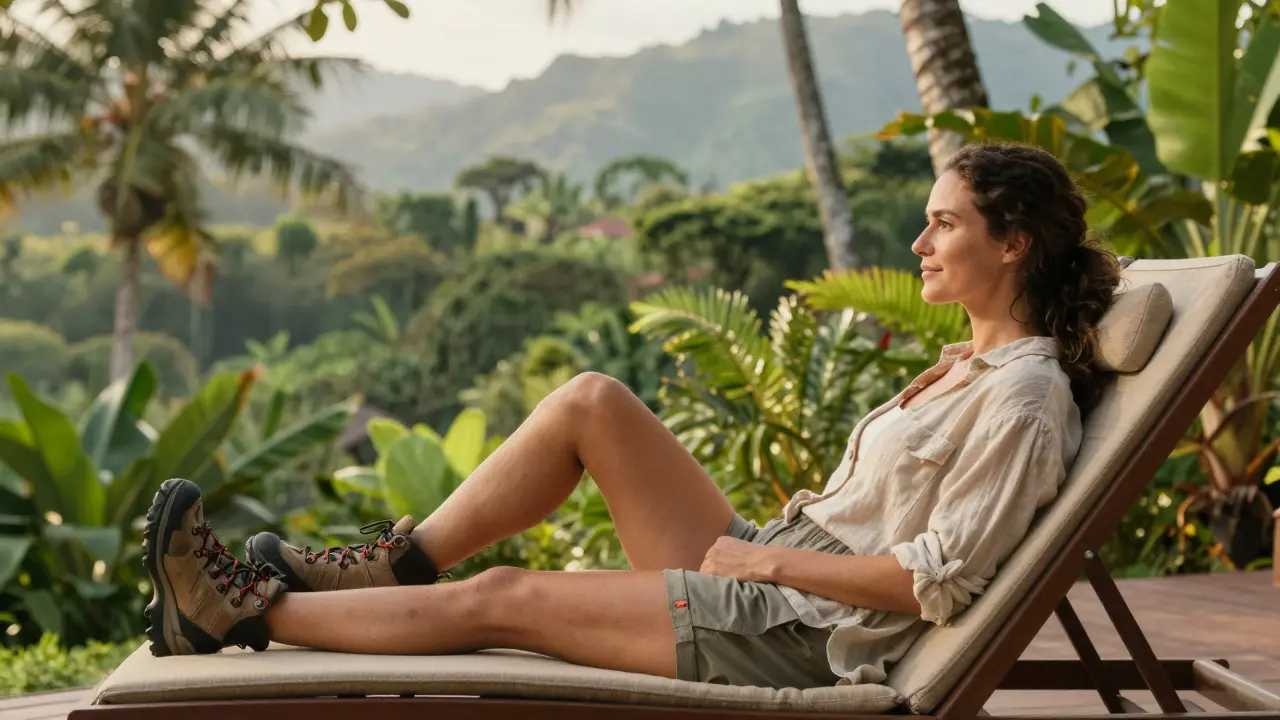
- Costa Rica: This country is a goldmine for eco-tourism. You can zip-line through cloud forests on guided tours where the mechanics handle the safety gear. You can spot sloths and monkeys from boardwalks that require no climbing. The terrain is lush, but the infrastructure is designed for accessibility. Many hotels offer shuttle services directly to trailheads, so you don’t even need to drive yourself.
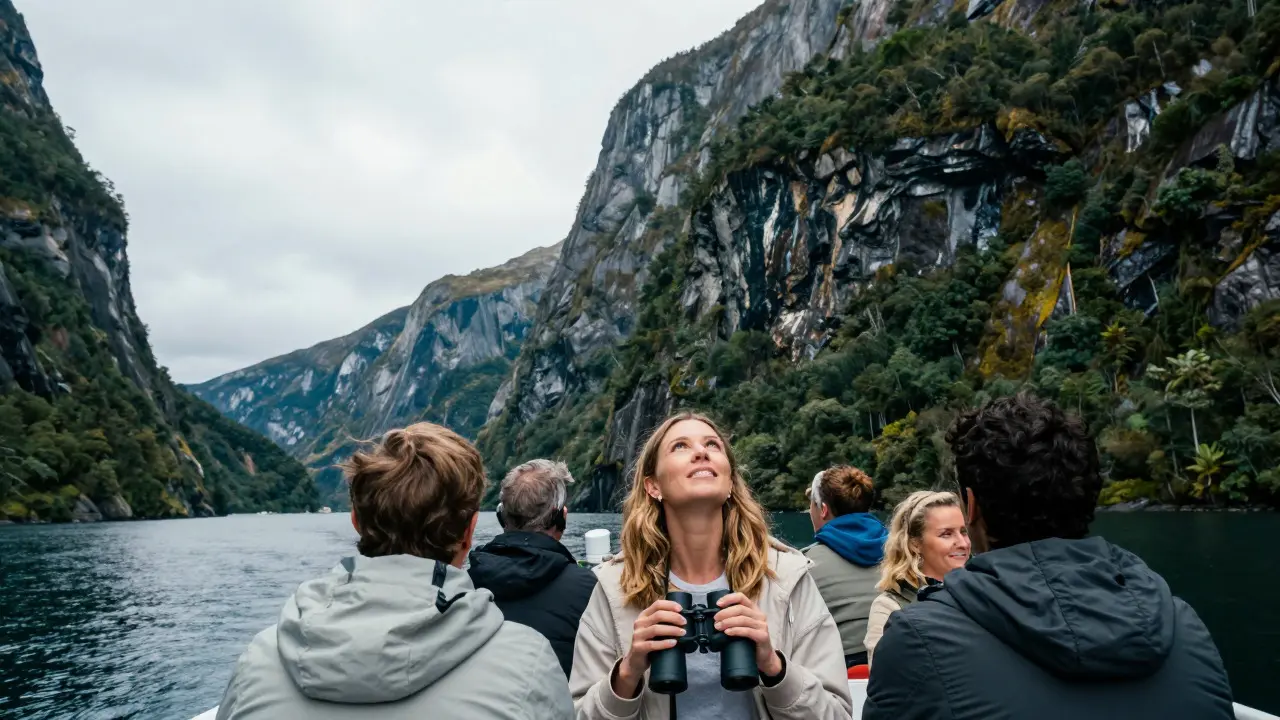
- New Zealand: While famous for bungee jumping, New Zealand offers plenty of gentle options. Consider a jet boat ride through the Fiordland National Park. The speed provides the thrill, but you are sitting comfortably in a seat. Alternatively, take a guided walk along the Milford Track’s shorter sections or simply cruise the fjords by boat. The scenery is dramatic, but the effort level is low.
- Iceland: Known for its rugged landscapes, Iceland is surprisingly accessible. You can visit geothermal lagoons, walk around black sand beaches, and explore ice caves (with helmets and guides) without needing to hike for miles. The roads are paved, and many tours include transport. Just dress in layers, and you’ll be fine.
The Gear Strategy: Comfort Over Coolness
One mistake many first-time adventurers make is buying expensive, ultra-lightweight gear that looks cool but feels uncomfortable. Forget that. Your priority is stability and comfort. If your feet hurt, the adventure ends. If your back aches, the views lose their appeal.
Here is what you actually need:
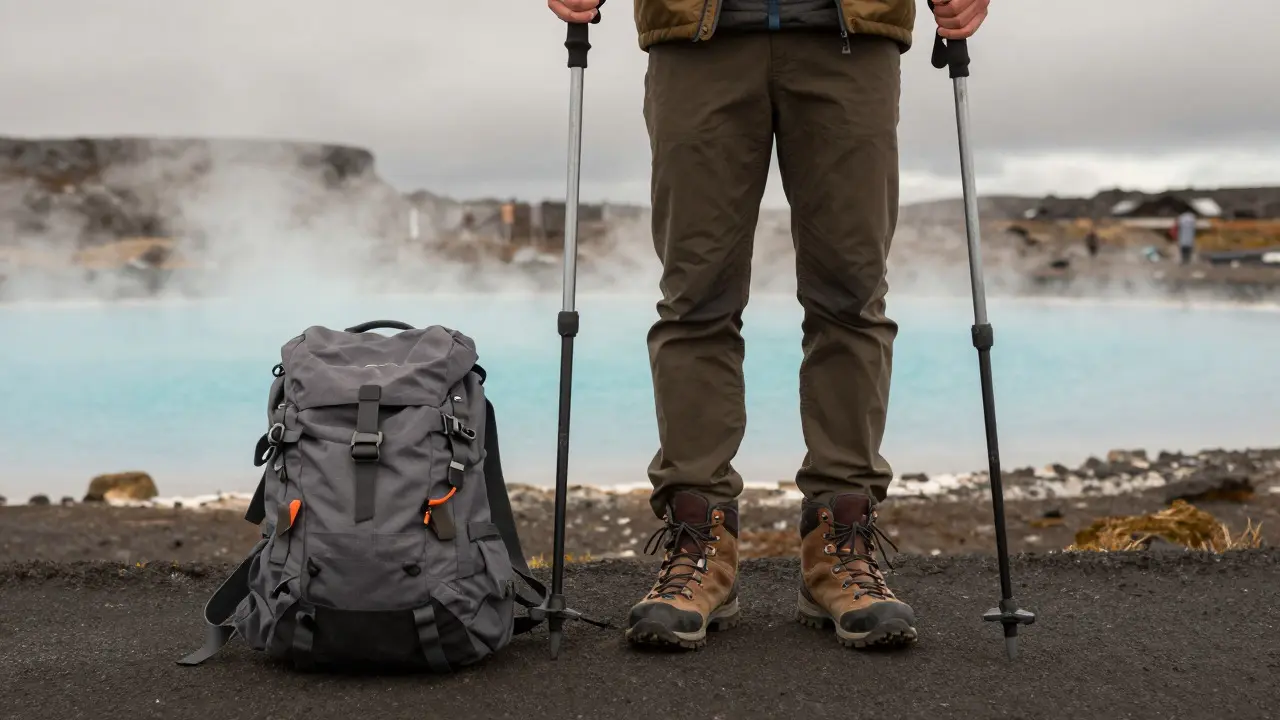
- Supportive Footwear: Invest in a pair of sturdy, broken-in hiking boots or trail runners. They don’t need to be waterproof if you’re avoiding wet seasons, but they must have good arch support. Avoid wearing brand-new shoes on day one.
- Layered Clothing: Weather changes fast outdoors. A base layer, a fleece mid-layer, and a windproof outer shell are essential. This setup works for both chilly mornings and warm afternoons.
- A Small Backpack: You don’t need a 40-liter pack. A 15-20 liter daypack is sufficient for water, snacks, a camera, and a light jacket. Keep it light to save your shoulders.
- Trekking Poles: These are game-changers for non-athletes. They reduce strain on your knees and hips, especially when walking downhill. They also provide balance on uneven terrain.
Planning Your Pace: How to Structure the Days
The biggest factor in whether an adventure trip feels overwhelming is pacing. Don’t try to see everything in one day. Instead, structure your itinerary around one main activity per day, with ample time for rest.
For example, if you are in Costa Rica, spend the morning at a wildlife reserve. Walk the boardwalks at your own pace. Stop to look at flowers. Talk to other travelers. Then, return to your hotel for lunch and a nap. In the afternoon, maybe you go to a local market or a beach. This rhythm prevents burnout. It allows you to absorb the environment rather than rushing through it.
Also, consider hiring local guides. They know the shortcuts, the best viewing spots, and the safe paths. They can adjust the pace based on your energy levels. A good guide will notice if you’re struggling and slow down or suggest a break. This personal attention is invaluable for ensuring a positive experience.
Safety Tips for Solo or Small Group Travelers
Traveling alone or in a small group requires a bit more planning, but it is absolutely doable. Safety is about preparation, not fear.
- Share Your Itinerary: Send a detailed schedule to a friend or family member back home. Include your accommodation details and contact numbers for local tour operators.
- Stay Connected: Ensure your phone has international roaming or buy a local SIM card with data. Having access to maps and emergency numbers is crucial.
- Trust Your Instincts: If a trail looks too steep or a situation feels off, trust your gut. There is no prize for pushing through discomfort. Turn back if needed.
- Carry Basic First Aid: A small kit with band-aids, blister pads, antiseptic wipes, and any personal medications is a must. Blisters are the enemy of happy feet.
Comparison: Activity Types for Different Fitness Levels
To help you choose the right activities, here is a breakdown of common adventure options categorized by physical demand. Use this table to match your current comfort level with the right experience.
| Activity | Physical Demand | Best For | Key Benefit |
|---|---|---|---|
| Scenic Boat Tours | Low | All fitness levels | Dramatic views with zero exertion |
| Guided Boardwalk Hikes | Low-Moderate | Beginners | Close wildlife encounters on flat paths |
| Ziplining (Assisted) | Moderate | Adrenaline seekers | High thrill with professional safety |
| Hot Air Ballooning | Low | Couples/Solo | Panoramic aerial perspective |
| Short Trail Hikes | Moderate | Active beginners | Connection with nature and exercise |
Common Pitfalls to Avoid
Even with the best intentions, things can go wrong if you aren’t prepared. Here are a few traps to watch out for.
First, underestimating weather. Mountain weather can change in minutes. What starts sunny can turn rainy and cold within an hour. Always carry a rain jacket, even if the forecast says clear skies. Second, overpacking. Every extra pound in your bag adds fatigue. Pack only what you need for the specific activities planned. Third, skipping meals. Dehydration and low blood sugar lead to dizziness and bad decisions. Eat regularly, even if you’re busy taking photos.
Frequently Asked Questions
Do I need special insurance for accessible adventure travel?
Yes, standard health insurance often does not cover medical evacuation or treatment abroad. Look for travel insurance that includes coverage for adventure activities, even low-impact ones like hiking or ziplining. Check the policy details to ensure your specific activities are listed.
What should I do if my knees start hurting during a hike?
Stop immediately. Sit down, hydrate, and assess the pain. If it’s mild, use trekking poles for support and slow your pace. If it’s sharp or persistent, turn back. Pushing through knee pain can lead to serious injury. Remember, the view is still there next time.
Are solo trips safe for non-athletic women?
Absolutely. Millions of women travel solo every year. Stick to well-traveled routes, stay in reputable accommodations, and keep your phone charged. Joining group tours for specific activities can also add a layer of social safety and shared responsibility.
How much should I budget for these types of trips?
Budgets vary widely by destination. In Central America, you can manage on $80-$120 per day including mid-range lodging and food. In Europe or New Zealand, expect $150-$250 per day. Factor in costs for guided tours, which range from $50 to $200 depending on the activity.
Can I combine relaxation with adventure in one trip?
Yes, this is the ideal approach. Book a resort or hotel with amenities like a pool or spa. Schedule one major adventure activity per day, leaving the rest of the day free for lounging, reading, or exploring the town at a leisurely pace. This balance ensures you get both the thrill and the rest.