Adult Sex Education for Women: Filling the Gaps We Missed
 Mar, 20 2026
Most women grow up with more questions than answers about their own bodies. We learned the basics in school - the names of organs, how babies are made - but nothing about pleasure, consent, or what normal feels like. By the time we’re adults, many of us are still guessing. We wonder if our desire is too low, if our body’s reactions are weird, or if we’re broken because we don’t orgasm like the movies show. This isn’t ignorance. It’s a system failure. Sex education for women has been half-baked, shame-heavy, and stripped of real-life relevance. And now, as adults, we’re left trying to fill those gaps on our own.
What We Were Taught - And What We Weren’t
School-based sex ed in the U.S. focuses mostly on pregnancy prevention and STI risks. Rarely does it cover clitoral anatomy, the fact that most women need direct clitoral stimulation to orgasm, or that arousal isn’t always a physical response - sometimes it’s mental, emotional, or even a choice. We were told to say no to sex, but not how to say yes - confidently, clearly, and without guilt.
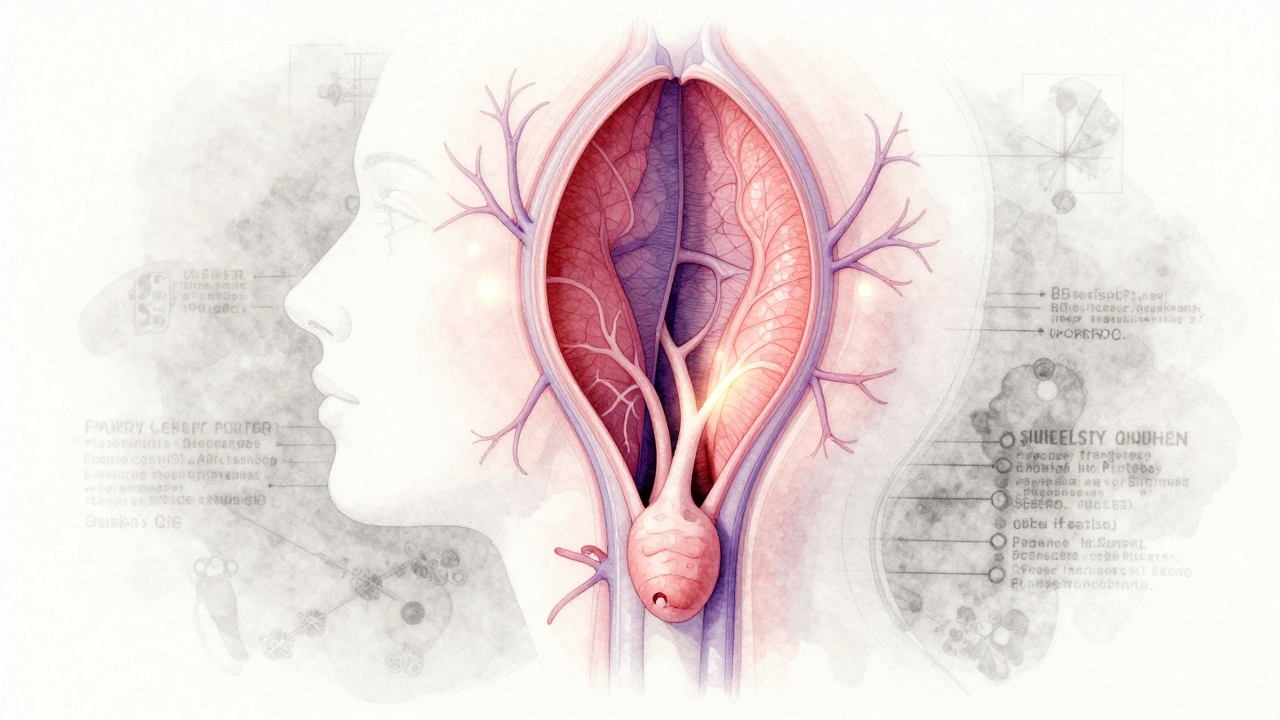
Think about it: How many of us knew that the clitoris isn’t just a tiny button? It’s a 10-centimeter network of tissue that extends internally. That’s bigger than the penis. But most diagrams in textbooks only show the tip. Why? Because we were taught to see sex as a male-centered act - something that happens to women, not something women experience.
Then there’s the silence around desire. We were told to be passive. To wait. To let men lead. And if we spoke up? We were labeled “too sexual” or “needy.” Meanwhile, men’s education focused on performance, control, and dominance. No one ever told us that pleasure is a right - not a reward.
Why Adult Sex Education Isn’t a Luxury - It’s a Necessity
By your 30s, 40s, or 50s, you might notice things have changed. Your libido shifts. Your body responds differently. Maybe you’re in a long-term relationship and sex has become routine. Or maybe you’re single and dating again, and you realize you don’t know how to ask for what you want. This isn’t about aging - it’s about lack of tools.
A 2024 study from the University of Oregon’s Center for Sexual Health found that 68% of women over 30 reported feeling unprepared for sexual experiences in adulthood. The top three gaps? Understanding arousal patterns, communicating needs, and recognizing non-consensual pressure. These aren’t fringe concerns. They’re widespread.
Adult sex education isn’t about porn or kinks. It’s about reclaiming your body. It’s learning that your pleasure matters. That your boundaries aren’t negotiable. That your orgasm isn’t optional - it’s part of your health.
Three Core Gaps Every Woman Needs to Fill
- Body literacy: You don’t need to memorize anatomy charts, but you should know what your body feels like when it’s aroused - not just when it’s responding to someone else. Try touching yourself without pressure. Notice what feels good. What doesn’t. No one taught you this because they assumed you’d figure it out. But you shouldn’t have to.
- Communication skills: Saying “I like it when you touch me here” isn’t awkward - it’s necessary. Practice it. Start with a mirror. Say it out loud. Then say it to a partner. If you’re scared of sounding silly, remember: most people are just as unsure as you are. Communication isn’t about being perfect. It’s about being honest.
- Consent as a conversation: Consent isn’t a one-time yes. It’s an ongoing check-in. “Are you still into this?” “Does this feel okay?” “Want to slow down?” These aren’t spoilers - they’re the foundation of real intimacy. Real connection doesn’t happen in silence. It happens in dialogue.
How to Start Learning - Without Shame
You don’t need a degree. You don’t need to join a workshop. You just need to begin.
- Read Come As You Are by Emily Nagoski. It’s not a self-help book. It’s science. It explains why stress kills desire, why arousal isn’t linear, and why your body isn’t broken - it’s just responding to real life.
- Watch videos from certified sex educators like Dr. Jess O’Reilly or Sex With Emily. No nudity. No fluff. Just clear, factual, kind explanations.
- Try a solo exploration night. No goal. No pressure. Just 15 minutes with your body. Use lube if you want. Explore your vulva. Your clitoris. Your inner thighs. What sensations surprise you? Write them down. No judgment.
- Ask your doctor a real question. Not “Is this normal?” - but “What does healthy female arousal look like?” Most OB-GYNs are trained to treat problems, not teach pleasure. But you’d be surprised how many are willing to talk if you ask.
What Real Intimacy Looks Like - Beyond the Myths
Intimacy isn’t about how often you have sex. It’s about how present you are during it. It’s about feeling safe enough to say, “I’m not in the mood today,” and having your partner say, “Okay, I get it.” It’s about knowing that your pleasure doesn’t have to be performance. It can be quiet. Slow. Messy. Unsexy. And still deeply satisfying.
One woman I spoke with in Portland - let’s call her Lena - started exploring her body after her divorce at 42. She’d spent 18 years in a marriage where sex was scheduled, silent, and always ended the same way. She didn’t know what she liked. She didn’t know if she was supposed to like anything. After six months of reading, journaling, and solo exploration, she said: “I finally realized I wasn’t broken. I was just never taught how to feel.”
That’s the shift. It’s not about fixing yourself. It’s about finally giving yourself permission to learn.
Where to Find Trusted Resources
Not every source online is reliable. Stick to these:
- The American Sexual Health Association (ASHA) - science-backed, no fluff, no ads.
- Scarleteen - originally for teens, but the adult section is one of the clearest guides to consent and communication out there.
- Planned Parenthood - their “Sexual Health” section has detailed, non-judgmental info on arousal, orgasm, and sexual rights.
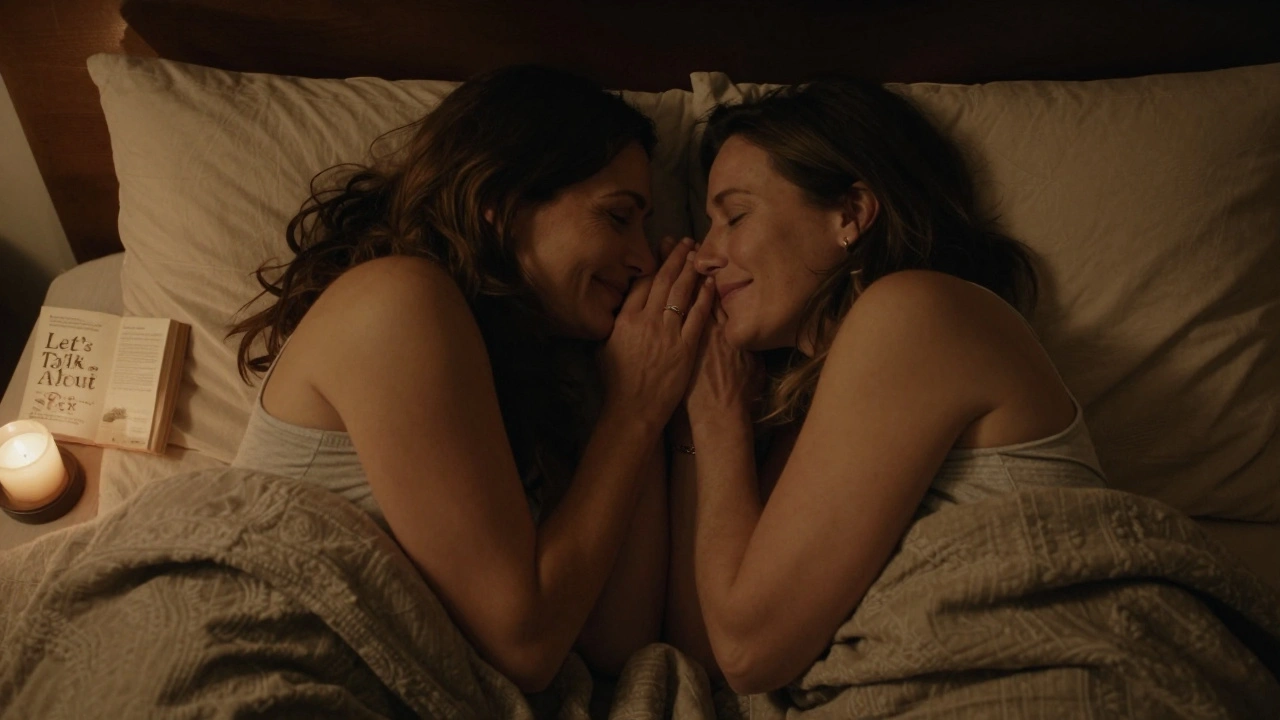
- Books: The Guide to Getting It On by Paul Joannides, Let’s Talk About Sex by Dr. Laura Berman.
Avoid anything that uses terms like “fix your libido” or “make him obsessed.” That’s not education - that’s manipulation.
You’re Not Late - You’re Just Starting
It’s never too late to learn. You don’t need to be 20. You don’t need to be single. You don’t need to be in a relationship. You just need to be willing to ask yourself: What do I want?
Sexual literacy isn’t about having more sex. It’s about having better experiences. It’s about knowing your worth doesn’t depend on someone else’s satisfaction. It’s about realizing that your pleasure is valid - even if no one ever taught you that.
Start small. Talk to yourself. Touch yourself. Ask questions. Say no when you mean it. Say yes when you mean it. And remember: you’re not behind. You’re exactly where you need to be - finally ready to learn what you were never taught.
Is it normal to not know what I like sexually as an adult?
Yes. It’s incredibly common. Most women weren’t taught how to explore their own pleasure. Society taught us to prioritize others’ needs over our own. If you’re only now beginning to understand what feels good, you’re not behind - you’re just starting a journey that should’ve been part of your education from the start.
Can I improve my sex life without a partner?
Absolutely. In fact, many women find their strongest sexual confidence through solo exploration. Knowing what you like, how you respond, and what you need makes it easier to communicate with a partner later. Your body is your first teacher. Use it.
What if my partner isn’t interested in learning with me?
You don’t need them to learn with you - you just need them to respect your journey. If they’re unwilling to listen, talk about boundaries. If they dismiss your needs, that’s not about sex - that’s about power. You deserve a partner who sees your pleasure as important, not optional.
Is there a right way to orgasm?
No. Orgasms look different for everyone. Some come from clitoral stimulation. Others from G-spot pressure, mental fantasy, or even just being held. There’s no checklist. No timer. No performance standard. If you feel release, warmth, or release - that’s your orgasm. Your body, your rules.
How do I know if I’ve experienced trauma around sex?
Signs include feeling numb during sex, avoiding touch, feeling shame after intimacy, or feeling like you have to perform. If this sounds familiar, you’re not alone. Trauma doesn’t have to be violent - it can be silence, pressure, or being ignored. Therapy with a certified sex therapist can help you reconnect with your body safely.