15 High-Protein Snack Ideas for Women on the Go in 2026
 Aug, 17 2026
It is 3:45 PM. You are stuck in traffic or walking between meetings, and your energy is crashing. Your stomach growls, but you don't have time to cook a full meal. This is where high-protein snacks save the day. For many women, hitting daily protein goals feels like a part-time job. Between work, family, and fitness, finding food that is quick, tasty, and nutritious can be tough. But it doesn’t have to be.
You don’t need complex recipes or expensive supplements. You just need smart, portable options that fit into your busy life. The goal here is simple: keep your blood sugar stable, stay full longer, and support muscle recovery without slowing down. Let’s look at practical, real-world ideas that actually work when you are moving fast.
Why Protein Matters More Than You Think
Protein isn’t just for bodybuilders. It is the building block of your muscles, skin, and hormones. When you skip protein, you often feel hungrier an hour later. This leads to reaching for sugary treats that spike and crash your energy. A good protein snack stabilizes this cycle. It keeps you focused and prevents that mid-afternoon slump.
For women specifically, maintaining lean muscle mass becomes even more critical as we age. Muscle helps with metabolism and bone health. Aim for about 20 to 30 grams of protein per snack if possible. This amount has been shown to maximize muscle protein synthesis. If you aren't sure how much protein is in your food, check the label. Most packaged foods list this clearly now.
Grab-and-Go Options That Fit in a Bag
The best snack is the one you will actually eat. If it requires a microwave or a knife, it probably won’t happen. Here are some top-tier options that require zero prep time. These items travel well and don’t get messy.
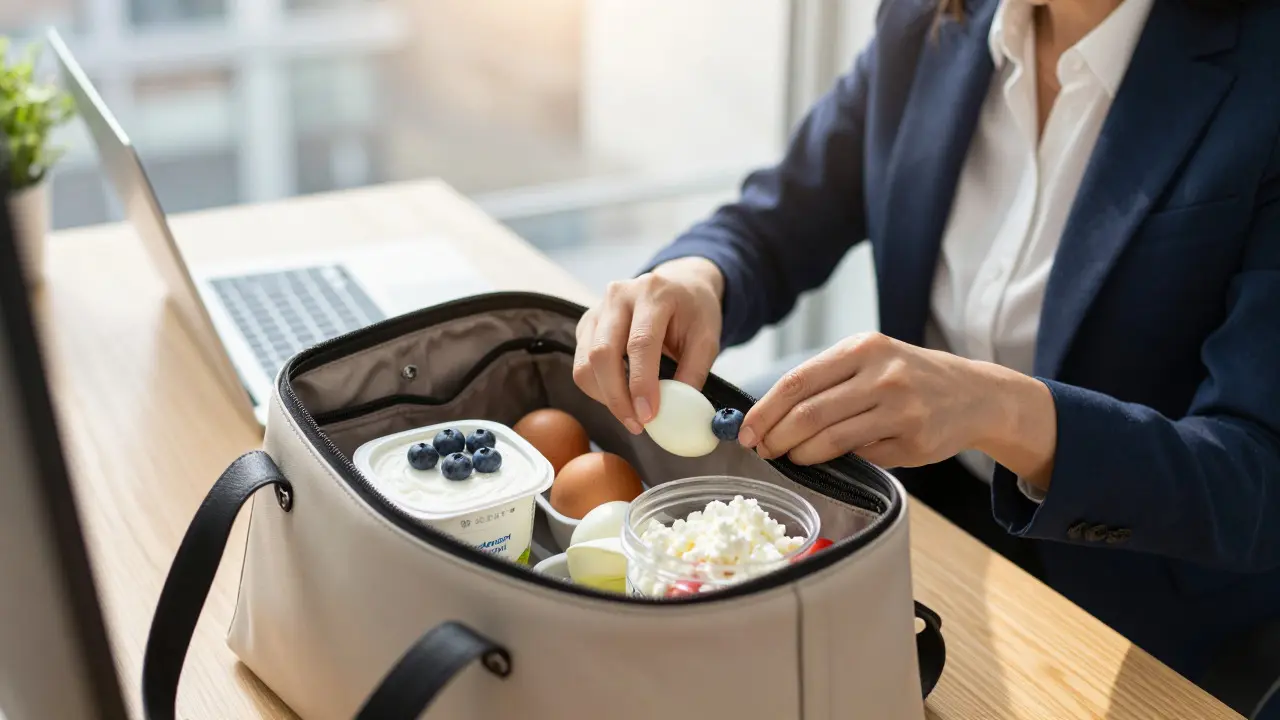
- Greek Yogurt Cups is a high-protein dairy product typically containing 15-20g of protein per serving. Look for plain varieties to avoid added sugars. Add a handful of berries from a small container for flavor and antioxidants.
- Hard-Boiled Eggs is a complete protein source with 6g of protein and essential fats. You can buy pre-peeled eggs in bulk. They last several days in the fridge and taste great with a pinch of salt and pepper.
- Cottage Cheese is a low-fat dairy product rich in casein protein, which digests slowly. It pairs well with pineapple or cherry tomatoes. It is filling because of its slow-digesting nature.
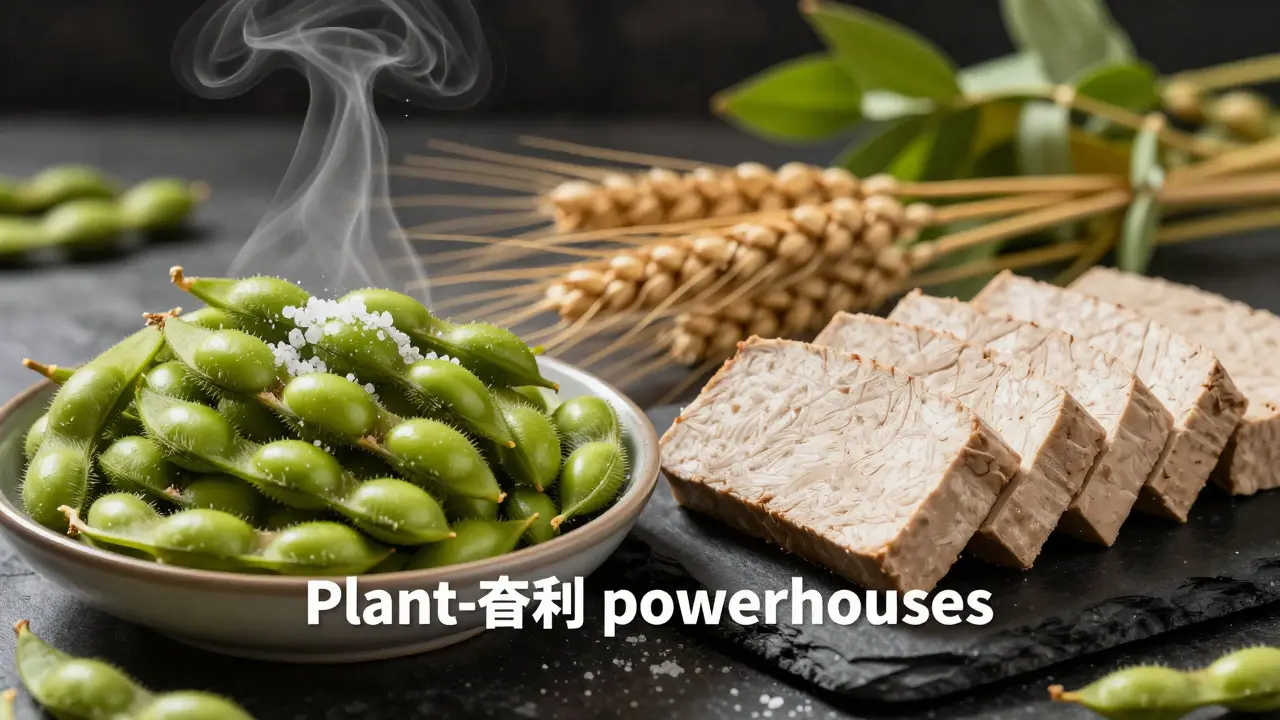
- Edamame is young soybeans that provide plant-based protein and fiber. Frozen bags are cheap and easy. Microwave them for two minutes and sprinkle with sea salt. One cup gives you about 17 grams of protein.
Prepared Snacks for the Week Ahead
If you have ten minutes on Sunday, you can prepare snacks that last all week. This saves you from making bad choices during the week. Batch cooking takes effort upfront but pays off daily.
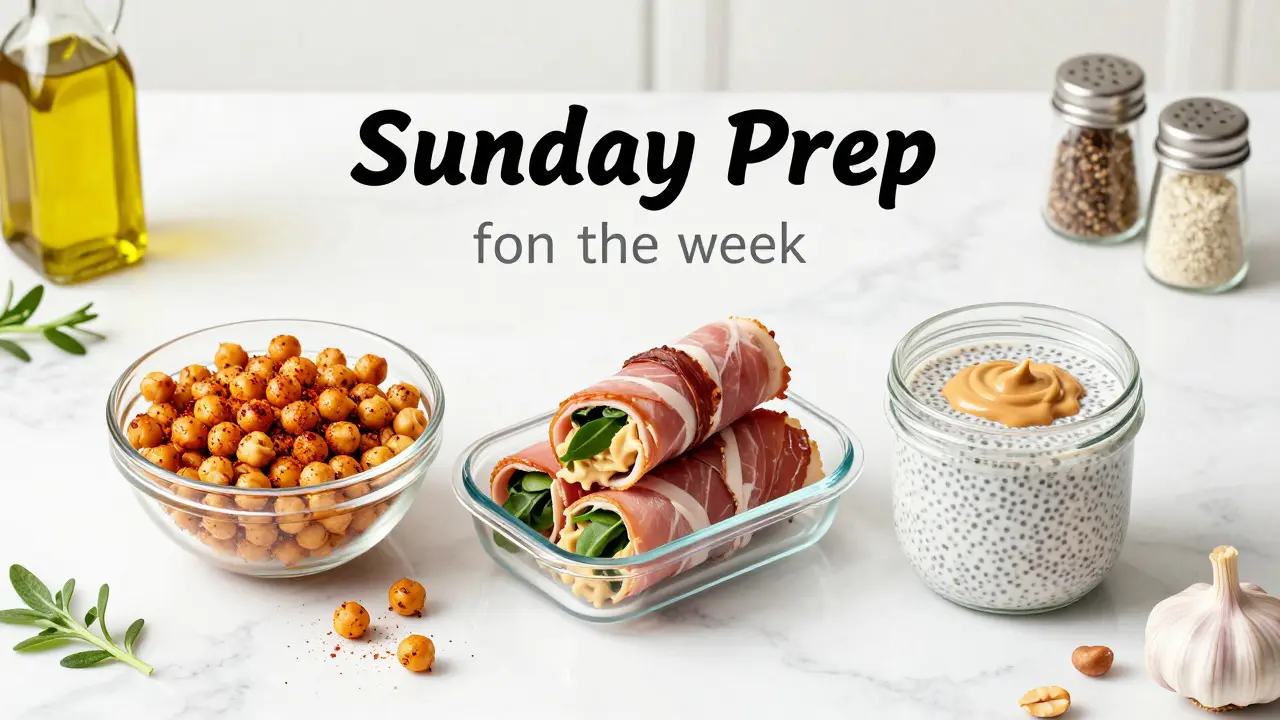
- Roasted Chickpeas: Toss canned chickpeas with olive oil, paprika, and garlic powder. Roast at 400°F (200°C) for 25 minutes until crispy. They taste like crunchy nuts but cost less. One small bag provides about 7-8 grams of protein.
- Turkey Roll-Ups: Take deli turkey slices, spread them with hummus, add spinach leaves, and roll them up. Secure with a toothpick. This combination offers lean meat and healthy carbs. It is light enough to eat while standing.
- Chia Pudding Jars: Mix chia seeds with almond milk and a spoonful of peanut butter. Let it sit overnight in the fridge. In the morning, grab the jar and go. Chia seeds are high in fiber and omega-3s, complementing the protein from the nut butter.
Plant-Based Powerhouses
You don’t have to eat meat to get enough protein. Plant sources are versatile and often lower in saturated fat. Many women prefer these options for digestive comfort or ethical reasons. Here are three reliable plant-based picks.
| Snack Item | Protein Content (per serving) | Prep Time | Portability Score |
|---|---|---|---|
| Roasted Chickpeas | 7-8g | 25 mins (batch) | High |
| Edamame | 17g | 2 mins (microwave) | Medium |
| Hummus & Veggie Sticks | 5-7g | 5 mins | Medium |
| Seitan Slices | 15-20g | 0 mins (pre-made) | Low (needs refrigeration) |
Hummus alone is low in protein, but pairing it with whole-grain crackers or veggies boosts the total. Seitan, made from wheat gluten, is incredibly dense in protein. It works well sliced and eaten cold or warmed slightly. Just ensure you store it properly to maintain freshness.
Navigating Protein Bars and Powders
Commercial products offer convenience, but they come with caveats. Not all protein bars are created equal. Some are essentially candy with a marketing label. Read the ingredient list. Aim for bars with at least 10 grams of protein and no more than 5 grams of added sugar. Avoid ingredients you can’t pronounce.
Protein powders are another tool. Whey protein is fast-absorbing and great post-workout. Plant-based blends like pea or rice protein are better for those with dairy sensitivities. Shake a scoop into water or blend it with fruit for a quick smoothie. This method allows you to customize flavor and add extra nutrients like spinach or oats.
Common Mistakes to Avoid
Even with good intentions, people make errors that undermine their progress. Watch out for these pitfalls.
- Eating Too Much Fat: Nuts are healthy, but they are calorie-dense. A small handful is fine, but a large bowl can double your snack calories without adding significant protein. Measure your portions.
- Ignoring Fiber: Protein without fiber can lead to digestive issues. Pair your protein with vegetables, fruits, or whole grains. This slows digestion and keeps you fuller for longer.
- Skipping Hydration: Protein metabolism requires water. If you increase your protein intake, drink more water throughout the day. Dehydration can mimic hunger signals, leading to overeating.
Building Your Personal Snack Routine
Consistency beats perfection. Pick two or three snacks that you genuinely enjoy. Rotate them so you don’t get bored. Keep them visible in your kitchen or office. If you hide healthy food in the back of the pantry, you’ll forget it exists. Place your pre-prepped containers at eye level. Make the right choice the easy choice.
Your body will thank you for the steady fuel. You’ll notice better focus, fewer cravings, and more stable energy levels. Start small. Try one new idea this week. See how it fits into your schedule. Adjust based on what works for you. Nutrition is personal, but the principles are universal: prioritize protein, keep it simple, and stay consistent.
How much protein do women actually need daily?
The general recommendation ranges from 0.8 to 1.2 grams of protein per kilogram of body weight for active individuals. For most women, this translates to roughly 50 to 70 grams per day. Splitting this across meals and snacks helps with absorption and satiety.
Are protein bars really healthy?
They can be, but quality varies. Look for brands that use whole-food ingredients like nuts, seeds, and whey or plant isolates. Avoid bars with excessive artificial sweeteners or fillers. Treat them as a backup option rather than a primary staple.
What is the best plant-based protein source for snacks?
Edamame and seitan offer the highest protein density among common snackable plants. Legumes like lentils and chickpeas are also excellent, especially when prepared in advance. Combining different plant sources ensures you get a complete amino acid profile.
Can I eat protein snacks late at night?
Yes, especially slow-digesting proteins like casein found in cottage cheese or Greek yogurt. These can help prevent muscle breakdown during sleep. Just avoid heavy, spicy, or acidic foods if you have sensitive digestion.
Do I need to track my protein intake strictly?
Tracking can be helpful initially to understand portion sizes. However, once you know what 20-30 grams looks like in real food, you can estimate visually. Consistency matters more than precision. Focus on including a protein source with every major eating occasion.